What Is an HSA (Health Savings Account)?
An HSA is a personal savings account you can use to pay for eligible medical expenses—including prescription glasses, contacts, and eye exams. Because it’s funded with pre-tax dollars (and rolls over year to year), it’s one of the simplest ways to save on vision care.

What Is an HSA (Health Savings Account)?
An HSA is a personal savings account you can use to pay for eligible medical expenses—including prescription glasses, contacts, and eye exams. Because it’s funded with pre-tax dollars (and rolls over year to year), it’s one of the simplest ways to save on vision care.
What Is an HSA (Health Savings Account)?
An HSA is a personal savings account you can use to pay for eligible medical expenses—including prescription glasses, contacts, and eye exams. Because it’s funded with pre-tax dollars (and rolls over year to year), it’s one of the simplest ways to save on vision care.
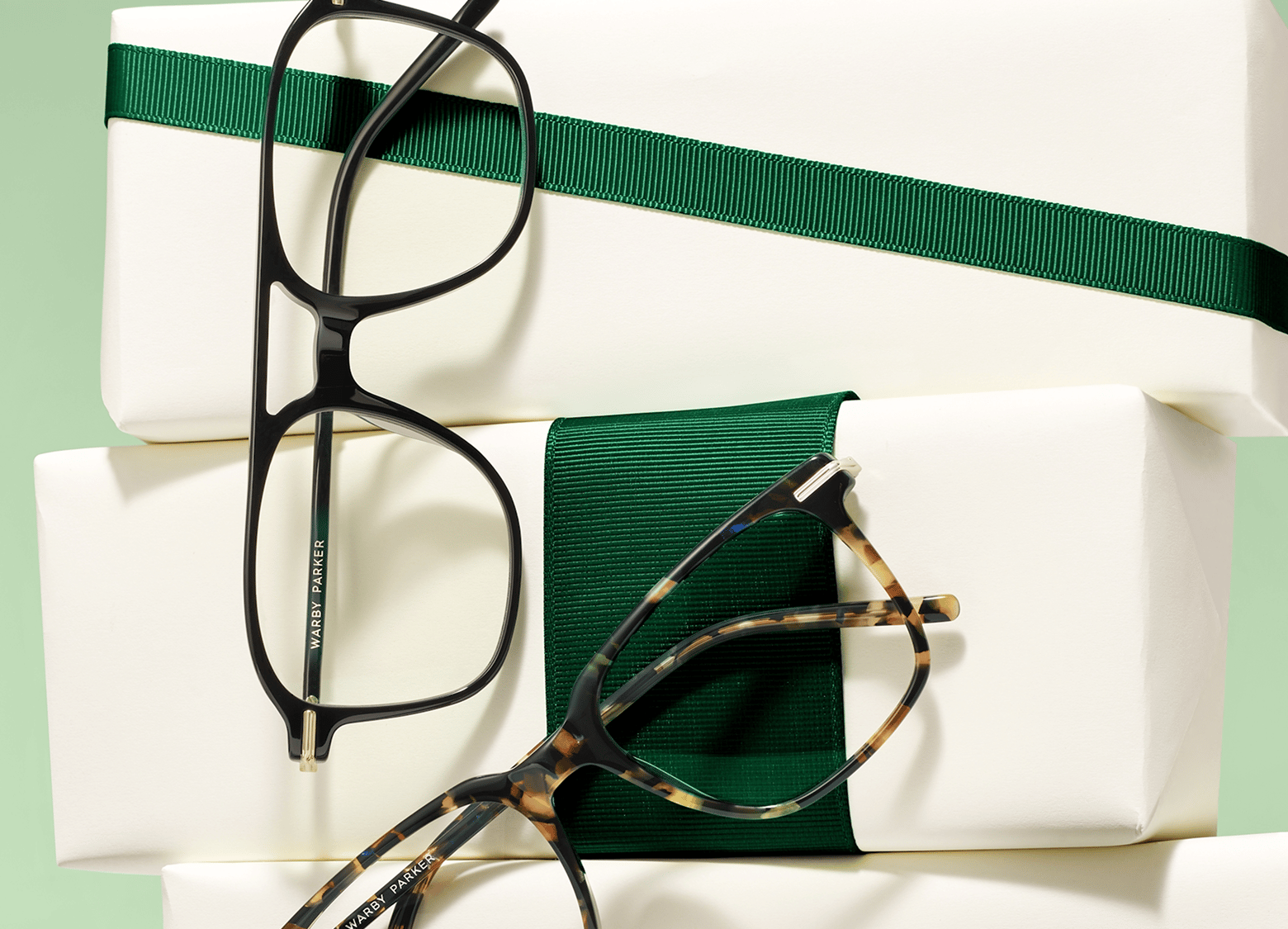
How an HSA Works
Your HSA is linked to a high-deductible health plan (HDHP) and lets you set aside pre-tax dollars for qualified health expenses. Unlike FSAs, the money in your HSA is yours to keep—it rolls over each year and can even be invested.
You can use HSA funds on:
You can use HSA funds on:
- Prescription eyeglasses
- Prescription sunglasses
- Contact lenses
- Eye exams
- Lens upgrades (progressives, anti-reflective, blue-light filtering, etc.)
- Other qualified medical/vision expensesYou can use HSA funds on:
- Prescription eyeglasses
- Prescription sunglasses
- Contact lenses
- Eye exams
- Lens upgrades (progressives, anti-reflective, blue-light filtering, etc.)
- Other qualified medical/vision expenses


Why HSAs Are Great for Vision Care
Using pre-tax dollars can make eye exams or new glasses feel noticeably more affordable. And because your HSA balance never expires, you can save up for larger expenses (like progressives, replacement lenses, or annual contact lens orders) whenever you need them.
Why HSAs Are Great for Vision Care
Most HSA cards work just like a debit card.
- Online: Enter your HSA card like any other payment method.
- In store: Swipe or tap it at checkout.
- If your card doesn’t process: Pay normally and submit your itemized receipt through your HSA provider’s portal.
What’s the Difference Between an HSA and an FSA?
If you’re comparing the two, here’s the quick version:
- HSAs require a high-deductible health plan. FSAs don’t.
- HSA funds roll over forever. FSA funds expire annually (mostly).
- Both can be used for glasses, contacts, and exams.
What’s the Difference Between an HSA and an FSA?
If you’re comparing the two, here’s the quick version:
- HSAs require a high-deductible health plan. FSAs don’t.
- HSA funds roll over forever. FSA funds expire annually (mostly).
- Both can be used for glasses, contacts, and exams.

