Prescription Sunglasses for Sports: Everyday Athlete Guide
No matter what you like to do outside – from running, cycling to work, or joining in on a weekly pickup game of basketball – your eyes are constantly exposed to sun, wind, and changing conditions. Glare, bright light, or concern about a stray ball can interrupt those outdoor activities in unnecessary ways.
This article outlines key features people often look for in prescription sunglasses for sports and other outdoor activities, including lens materials, frame designs, and coverage options.
We will look at what differentiates many prescription sunglasses for sports from typical lifestyle sunglasses, which features people commonly focus on, and how some of these features may align with your favorite activities.
Protect those peepers
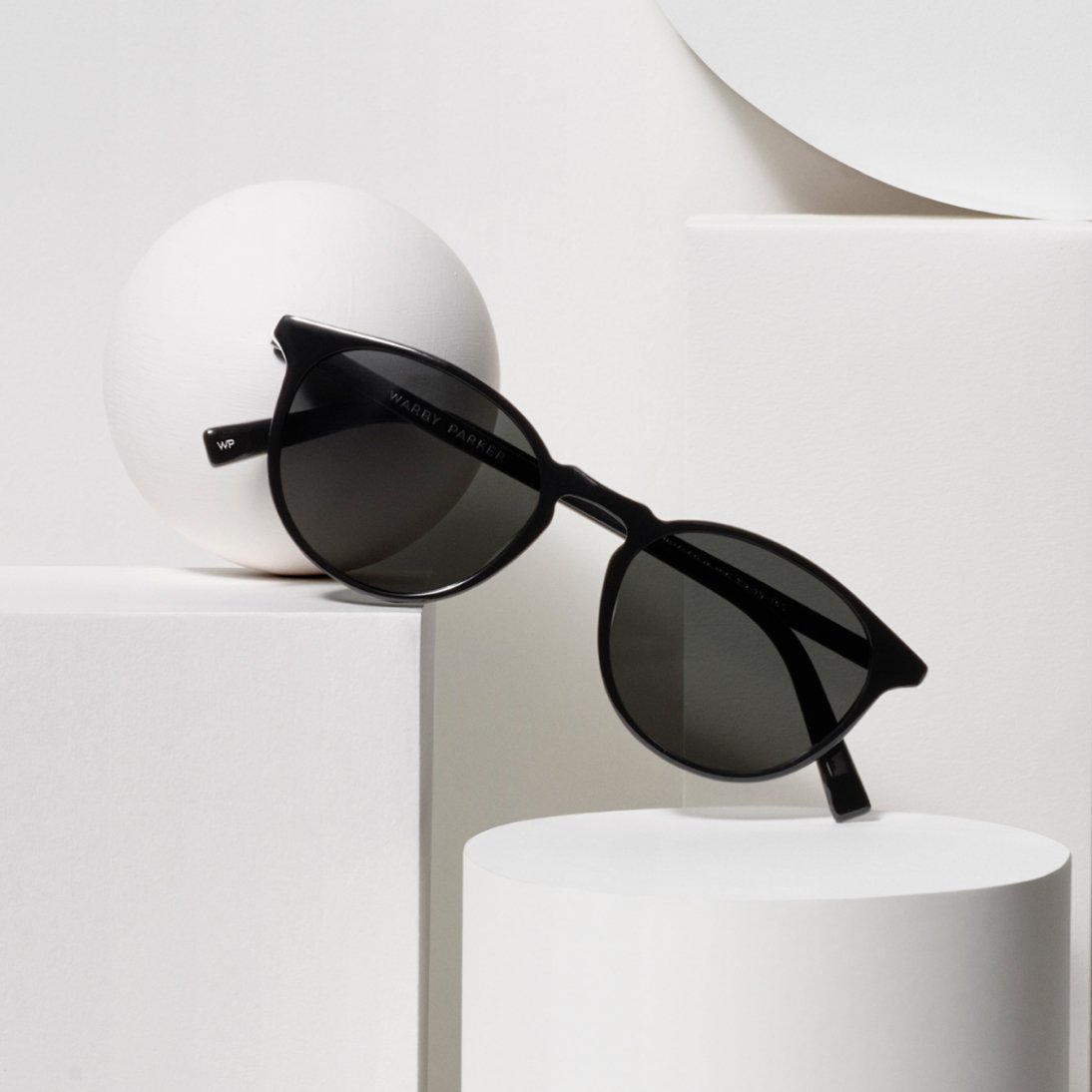
Our sunglasses provide 100% UV protection
By the end, you will have an overview of common considerations for frames, lenses, and fit, when more robust protective sports eyewear may be appropriate, and how to think about styles that can work both for everyday wear and for time on the field or court.
Why Sports-Focused Prescription Sunglasses Matter
Many active people start by wearing their everyday prescription glasses or a fashionable pair of sunglasses when they play sports. They may correct your vision, but they are not typically designed with fast movement, sudden stops, or flying objects in mind.
People who play outdoor sports or spend a lot of time outside often say they care about having eyewear that feels secure and works for their environment. Some look for designs that can help them see the field, court, trail, or road clearly, and that feel appropriate for their activity.
For everyday athletes, prescription sports sunglasses can offer an option between casual eyewear and dedicated protective goggles. These styles can incorporate sun and glare management features, incorporate a prescription, and are often designed with a more secure, activity-ready fit than many lifestyle frames.
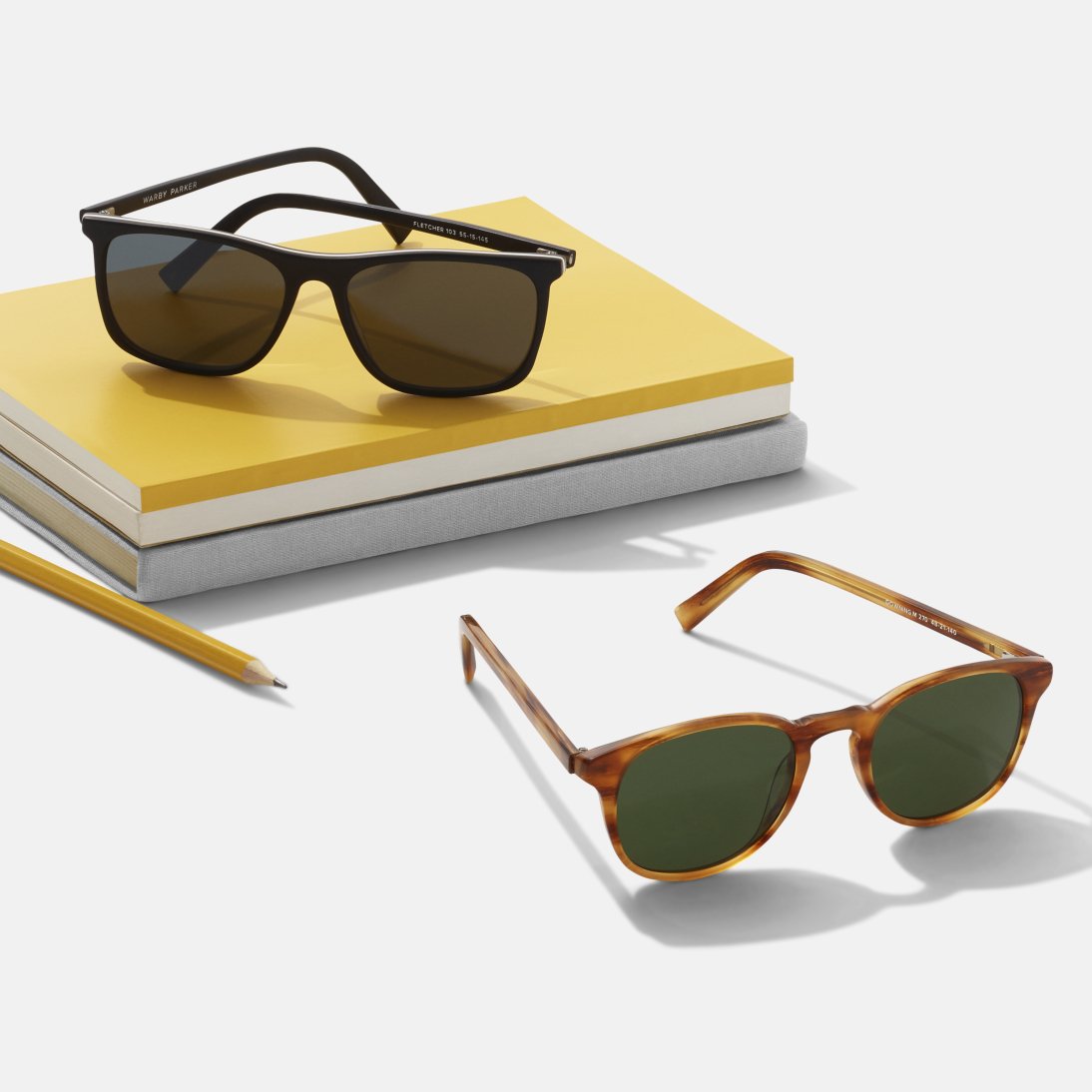
Need sunglasses?
Starting at $95, with free shipping.
The same way you might choose specific footwear or clothing for certain activities, some people consider eyewear designed with outdoor sports in mind when they expect more movement or exposure to the elements.
Key Features to Look for in Prescription Sunglasses for Sports
When you shop for prescription sunglasses for sports, it can help to think beyond color and overall style. A few technical choices often matter most to people when they are comparing options.
Lenses are a common starting point. Polycarbonate and similar impact-resistant materials are commonly used in sports eyewear because they are lightweight and tough and can be manufactured to filter UV rays. Wrap-style lenses or frames can provide a wider field of view and may help limit how much wind and debris reach the eye area.
Next, some people consider coatings and tints that feel appropriate for their activities:
- Polarized lenses are often chosen by people who want to reduce reflection and glare on water, snow, and roads.
- Tints such as amber or copper are often chosen for activities such as field sports or trail running.
- Mirrored finishes are sometimes chosen by people who want to reduce the amount of light entering their lenses in very bright conditions.
- Fog-resistant and hydrophobic coatings are often used in humid or high-sweat conditions.
Frame design can be just as important as lenses when it comes to comfort and how eyewear feels during movement. Some people prefer lightweight, flexible materials, nose pads and temples with added grip, and a wrap or semi-wrap shape that feels stable. Adjustable nose pieces and a range of fit options (including smaller sizes) can be helpful for comfort, especially for longer wear or for people with lower bridges or narrower faces.
Need sunglasses?
Protect those peepers from the sun’s harmful rays with 100% UV-blocking sunglasses
Matching Prescription Sunglasses to Your Sport and Lifestyle
Different activities are often associated with different eyewear preferences. Runners and cyclists, for example, often choose lightweight wraparound frames with large lenses for coverage and ventilation, along with tints they feel work well for road or trail conditions. Casual players in tennis, pickleball, or soccer may gravitate toward sturdy frames with snug temples and tints they feel help them see the ball, grass, or court surfaces clearly.
For water sports and beach activities, many people place extra emphasis on secure fit and glare management. Polarized lenses are often chosen by people who want to reduce reflection from water and sand, while straps or very stable temples can help keep glasses in place during movement.
Many everyday athletes also want their prescription sports sunglasses to work for daily wear. In that case, they may look for versatile frame styles and neutral tints that feel appropriate for commuting or weekends. Some people keep more than one pair: a sport-inspired pair for daily life and lower-risk activities, and a more protective, sport-specific option for high-speed or contact sports.
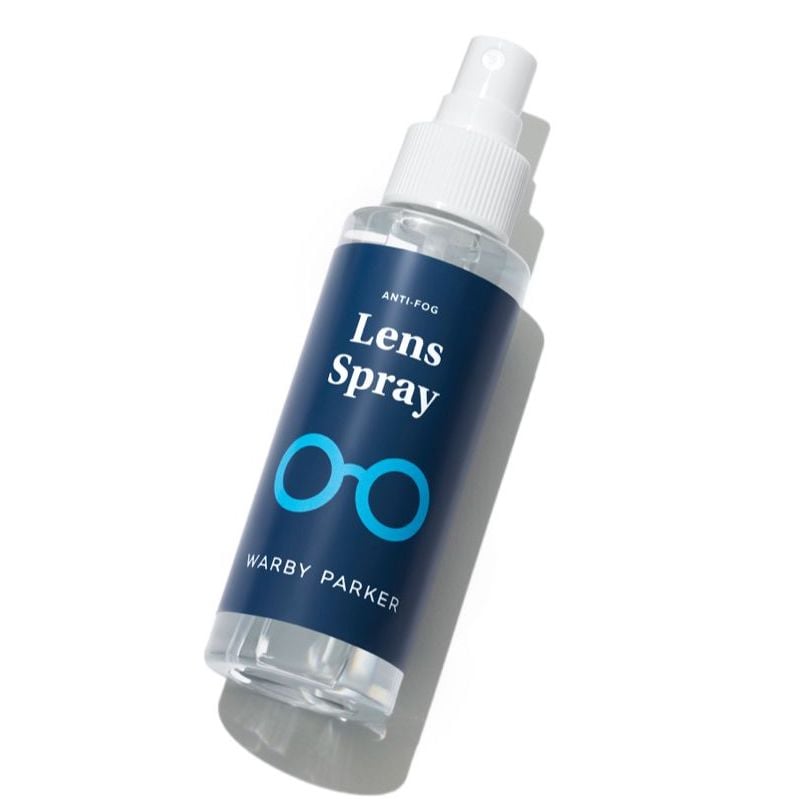
Clean your sunglasses on the go
Meet our travel-size lens cleaning kit—complete with anti-fog spray, a cleaning cloth, and a handy pouch-and-cloth combo.
Key Takeaways and Next Steps on Prescription Sunglasses for Sports
For everyday athletes, prescription sunglasses for sports can be a practical option for outdoor activities that involve movement and bright conditions. By thinking about impact-resistant lens materials, UV-filtering properties, frame stability, and tints that feel comfortable to you, you can narrow down which styles may fit your preferences.
One way to get started is to list your main activities – running, cycling, racquet sports, or water sports – and note which features matter most to you, such as coverage, fit, glare management, or versatility. From there, you can speak with an eye care professional or eyewear specialist about frame styles and lens options that work with your prescription and how you plan to use your glasses.
If you have questions about lens colors, frame fits, or whether you might want dedicated protective eyewear for a particular sport, consider discussing your activities and environment with an eye care professional. Hearing from others and sharing your own experiences can also help people in similar situations feel more informed when choosing prescription sports sunglasses.
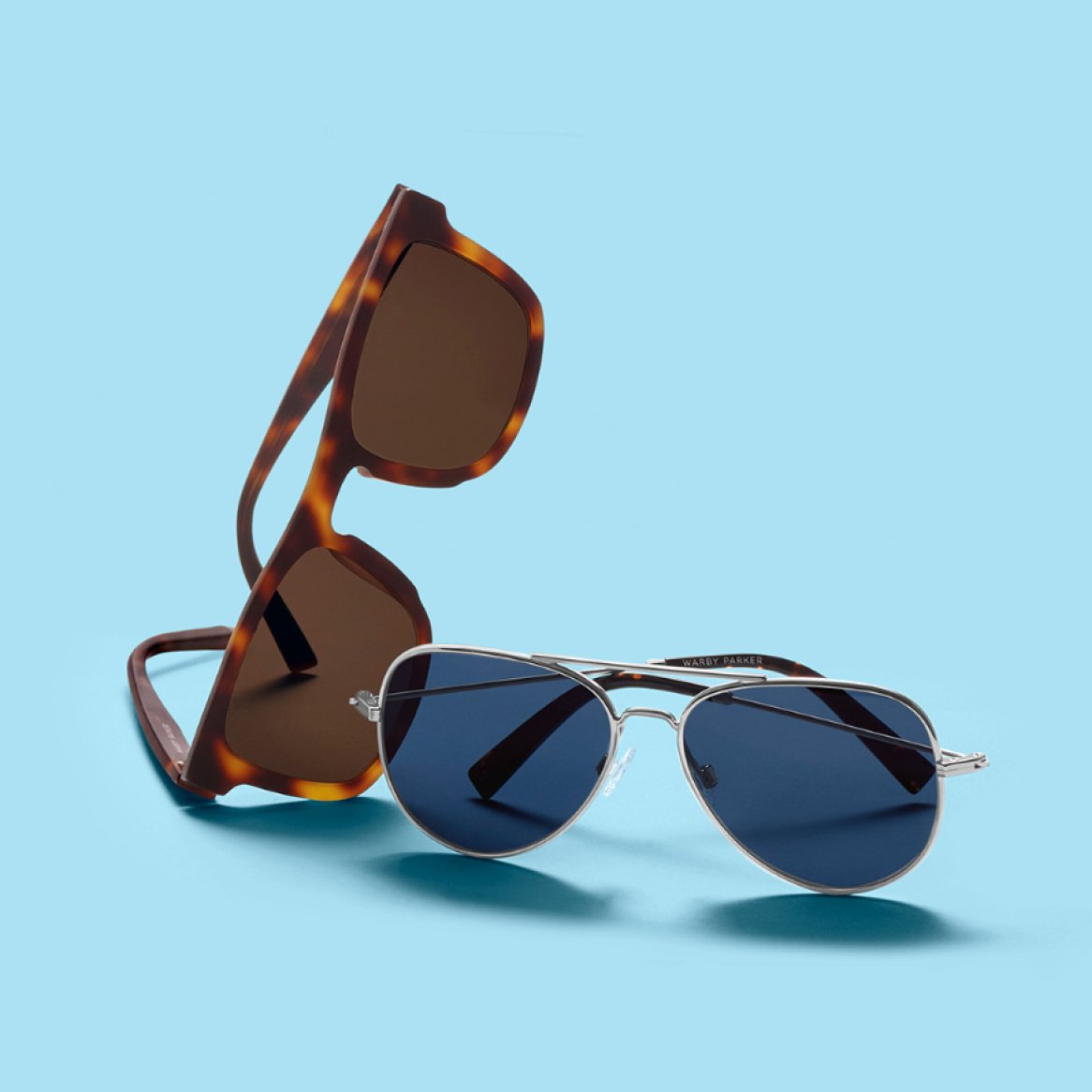
Looking to try '70s sunglasses?
Virtually find your perfect sunglasses anywhere, anytime
Legal Disclaimer
MEDICAL DISCLAIMER: This content is provided for educational and informational purposes only and is not intended as medical advice, diagnosis, or treatment. This information should not be used to replace professional medical care or consultation. Individual results may vary significantly. Always consult with a qualified healthcare provider before making any decisions about your health, vision, or medical treatment. Never disregard professional medical advice or delay seeking treatment because of information you have read on this website.
VISION CARE DISCLAIMER: Vision correction needs vary by individual. Consult an eye care professional for personalized assessment and recommendations.
FDA DISCLAIMER: These statements have not been evaluated by the Food and Drug Administration. This content is not intended to diagnose, treat, cure, or prevent any disease or medical condition.
PROFESSIONAL CONSULTATION REQUIRED: Only qualified eye care professionals can provide personalized recommendations for your specific vision needs and health conditions.
This article is for informational purposes only. It is not intended to provide medical advice or substitute for professional health services. Warby Parker complies with all HIPAA regulations regarding your health information. For personal health questions or concerns related to your vision or eyewear prescriptions, please consult a qualified healthcare provider.
Do I really need prescription sunglasses for sports if I already have regular glasses?
Some everyday glasses and fashion sunglasses are not designed with fast movement, sweat, or impact in mind. Prescription sunglasses that are designed with sports and outdoor activities in mind may incorporate features such as more secure-feeling fits and lens options selected for use outside. An eye care professional can help you consider what is appropriate for your activities.
What lenses are commonly used for prescription sports sunglasses?
Lightweight, impact-resistant materials such as polycarbonate are commonly used in many sports-focused designs. People who spend time outside also often look for lenses that filter a high percentage of UVA and UVB rays, along with tints they find comfortable for their specific activities.
Are prescription sunglasses for sports appropriate for contact or ball sports?
Some prescription sunglasses are designed with outdoor sports and activities in mind, but certain high-impact or contact sports may call for dedicated protective eyewear that meets sport-specific safety standards. An eye care professional can help you understand what type of eyewear is appropriate for a given sport.
Should I choose polarized lenses for running or cycling?
Many people who run or cycle choose polarized lenses when they want to reduce glare on roads or water. Others prefer non-polarized lenses because of how they feel about contrast or depth cues. It can be helpful to try different options and talk with an eye care professional about what feels right for you.
Can I wear prescription sports sunglasses every day?
Yes. Many designs blend elements associated with sports eyewear with styling that people also feel comfortable wearing for commuting, driving, and casual everyday use.
Need sunglasses?
Starting at $95, with free shipping.