What to Do When Glasses Don’t Fully Clear Up Your Vision
Getting a new pair of glasses often comes with a simple expectation: put them on, and everything should look better.
So when vision still seems blurry, distorted, strained, or just not quite right, it’s natural to wonder whether the glasses are the problem – or whether something else is going on.
The truth is that glasses can improve many common vision issues, but they aren’t a cure-all. Sometimes the explanation is as simple as an adjustment period or an outdated prescription. Other times, factors beyond your glasses may be affecting how clearly and comfortably you see.
Like the Classic Fable…
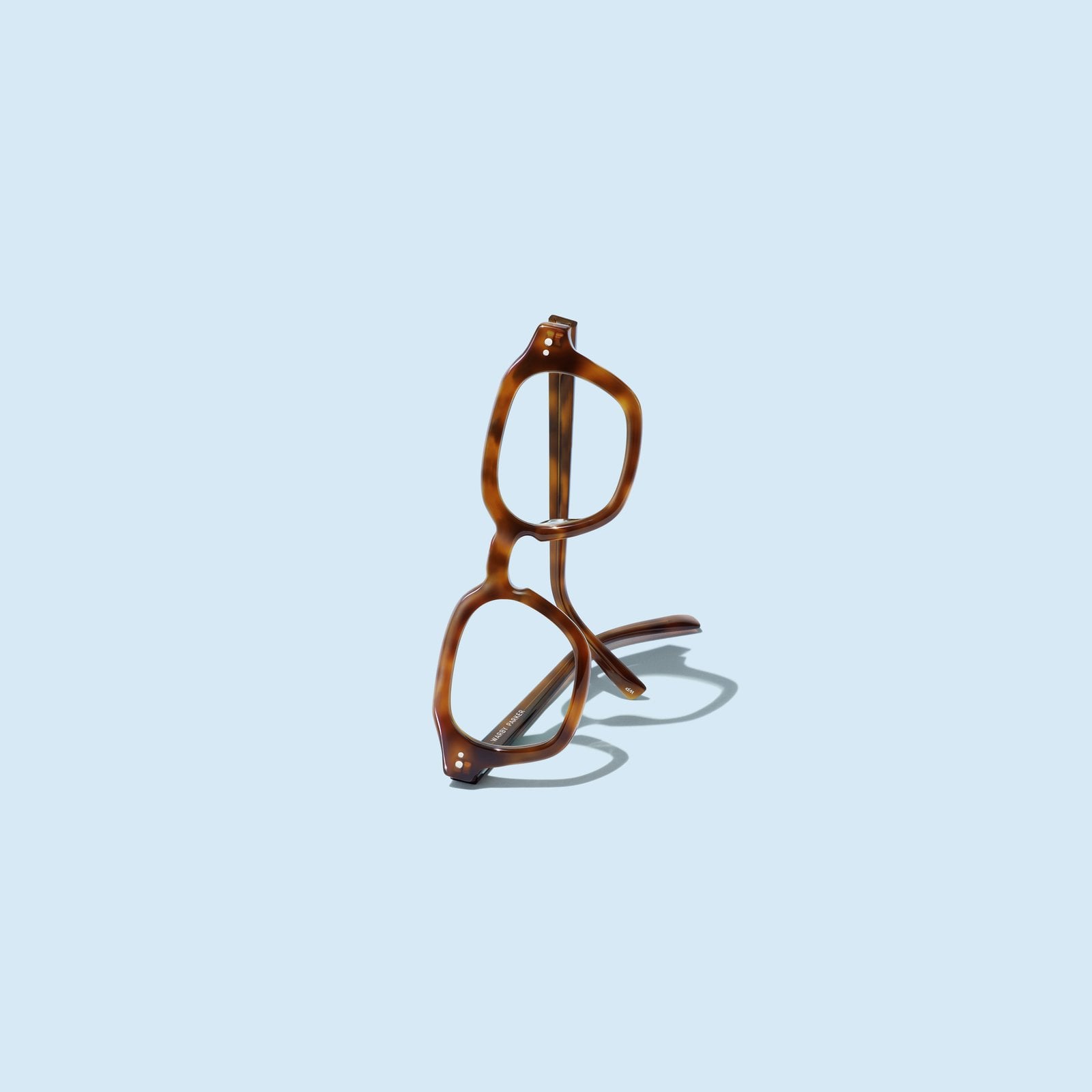
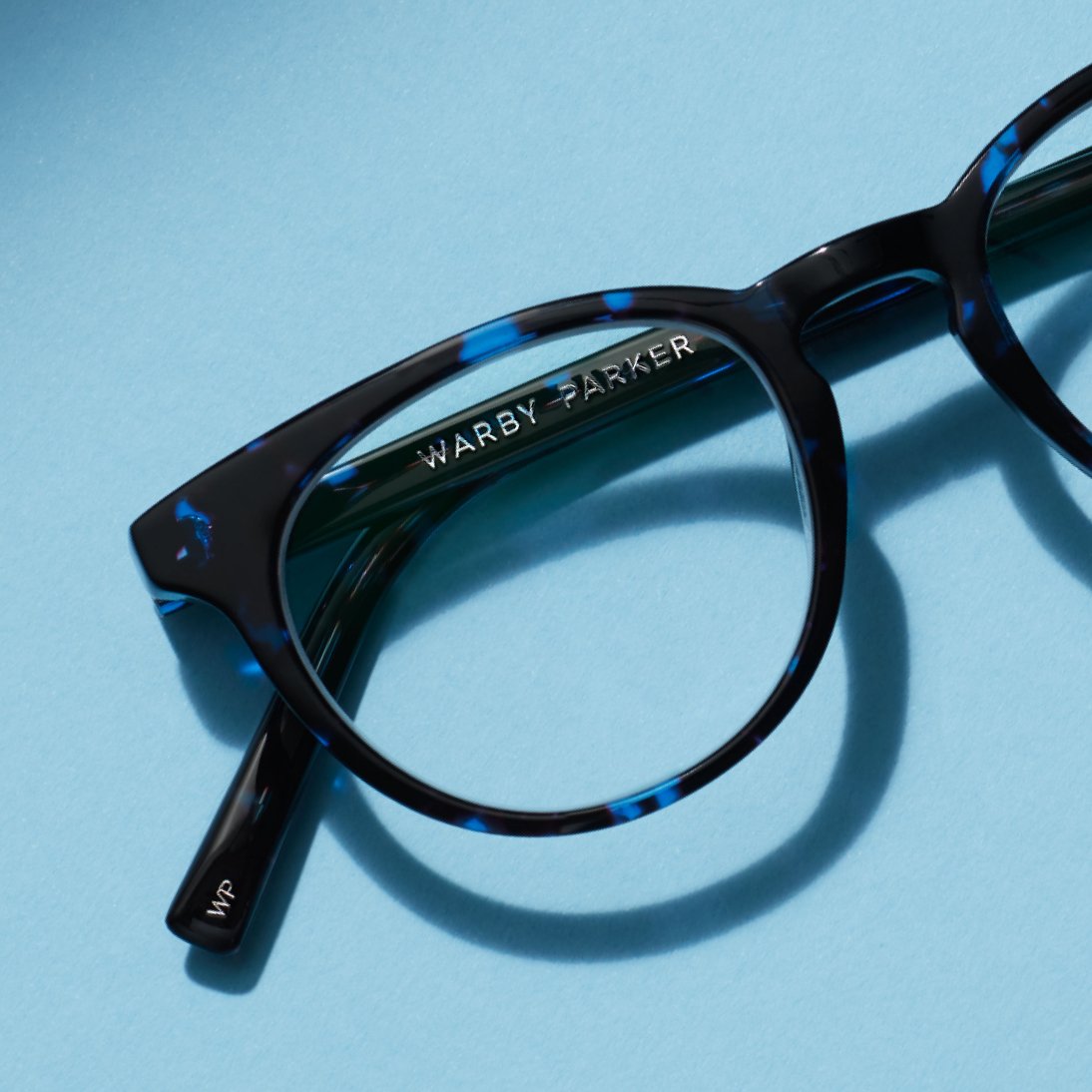
Tortoise frames are bold (and super wearable)—and come in a bevy of shapes
In this guide, we’ll explore some of the most common reasons vision problems can persist despite wearing glasses, the signs that deserve closer attention, and when it may be time to schedule a visit with an eye care professional.
Why Glasses Might Not Fully Correct Your Vision
Glasses are commonly used to change how light focuses on the back of the eye, which can be part of addressing common refractive errors such as nearsightedness, farsightedness, and astigmatism. However, clear vision depends on more than lens power alone.
Sometimes the issue is simple. Your prescription may have changed, the lenses may be positioned incorrectly, or your eyes may need time to adjust to a new correction. Even small fit issues can affect comfort and clarity.
In other cases, blurry vision with glasses may be related to factors such as dry eye, eye strain, cataracts, corneal changes, retinal concerns, or difficulty with how the eyes work together. An eye care professional can evaluate these factors and may discuss approaches beyond updated lenses.
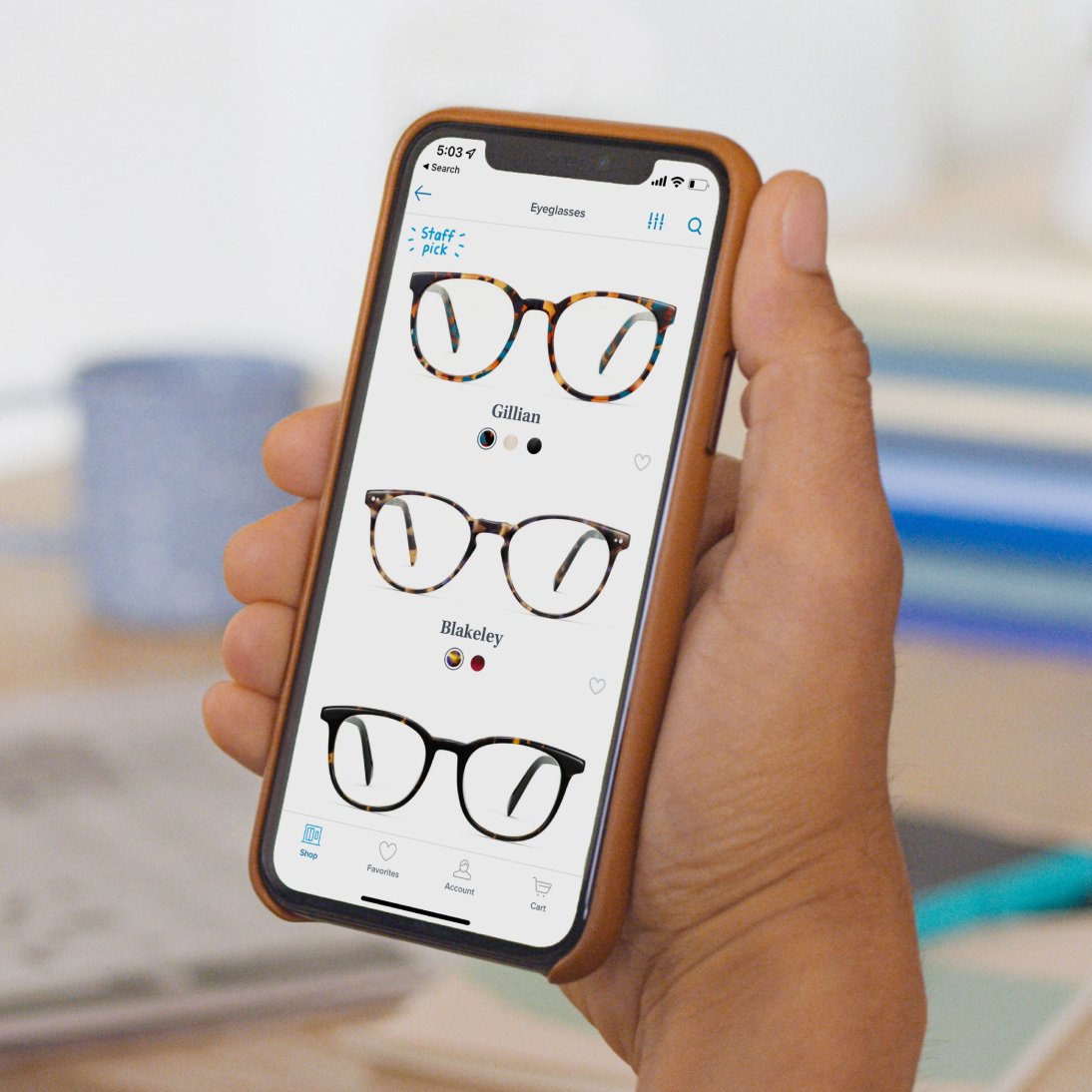
See how you look in our frames
Virtually try on glasses through your phone
For example, someone who reads clearly for a few minutes but then develops blur and headaches may have focusing or binocular vision concerns that an eye care professional can assess. Another person whose vision looks cloudy despite new glasses may benefit from a more detailed evaluation of overall eye health.
Blurry Vision With Glasses: Signs You Should Not Ignore
Not every vision concern is urgent, but persistent changes may be worth discussing with an eye care professional. If your glasses worked well before and no longer do, your eyes may have changed or another condition may be developing.
Pay attention to patterns. Does blur happen at night, while reading, on screens, or in one eye only? These details help your optometrist understand whether the issue is optical, surface-related, or related to eye health.
- Vision remains blurry after several days of wearing new glasses.
- You see halos, glare, shadows, or distortion.
- You have headaches, double vision, or eye fatigue.
- One eye is noticeably worse than the other.
- You notice sudden vision loss, flashes, or new floaters.
Sudden or severe symptoms are typically reasons to contact an eye care professional promptly. For ongoing but non-emergency blur, many people choose to schedule a comprehensive eye exam.
With or without makeup…
You can always express your style with your favorite frames
What an Eye Exam Can Reveal When Prescription Lenses Fall Short
A comprehensive eye exam does more than check which letters you can read on a chart. It reviews your prescription, lens needs, eye coordination, focusing ability, and the health of the front and back of the eye.
Your provider may ask about medications, screen use, medical conditions, and when symptoms occur. This context matters because dry eye, allergies, diabetes-related changes, and certain medications can all affect vision quality.
Depending on your symptoms, the exam may include tests for eye pressure, corneal shape, tear film quality, retinal health, or how well your eyes team together. These parts of the exam can help an eye care professional understand what may be contributing to how you see.
Your Eyes Are Beautiful
Buy one prescription pair and save 20% on additional pairs—eyeglasses or sunglasses!
Depending on what is found, an eye care professional may discuss options such as updated lenses, specialty lenses, or referrals for additional evaluation. The right plan depends on the cause, not just the strength of the prescription.
Options for When Your Prescription Glasses Just Aren’t Enough
When the world still looks blurry through a pair of glasses, it’s easy to assume you simply need a stronger prescription. But clear vision is a little more complicated than that. Glasses can correct many common refractive errors, yet they can’t solve every issue that affects how your eyes work or how your brain processes what you see.
Think of glasses as a powerful tool – not a universal fix. If road signs remain fuzzy, reading feels unusually difficult, or your vision seems inconsistent throughout the day, those clues are worth paying attention to rather than working around.
A comprehensive eye exam is a good next step. The more specific you can be about your symptoms – when they started, how often they occur, whether they’re worse at certain times of day, and what seems to improve them – the easier it is for an eye care professional to identify potential causes and recommend appropriate solutions.
After all, good vision shouldn’t feel like a guessing game. If you’d like to learn more before your next appointment, explore our related guides on eye health, prescription changes, lens technologies, and the many factors that contribute to comfortable, clear sight.
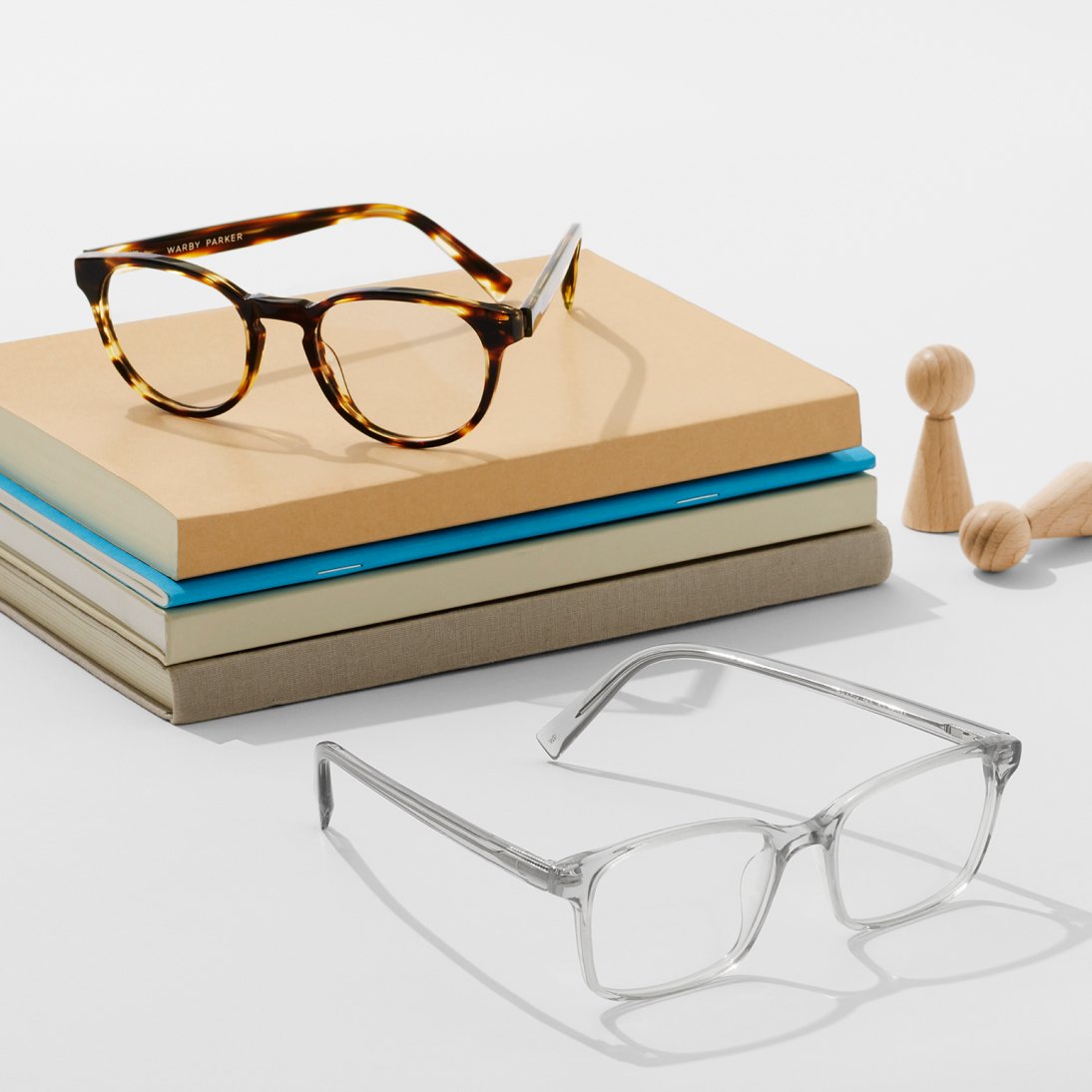
Time for a style shake-up?
Retrofit your look with new eyeglasses or sunglasses
Legal Disclaimer
MEDICAL DISCLAIMER: This content is provided for educational and informational purposes only and is not intended as medical advice, diagnosis, or treatment. This information should not be used to replace professional medical care or consultation. Individual results may vary significantly. Always consult with a qualified healthcare provider before making any decisions about your health, vision, or medical treatment. Never disregard professional medical advice or delay seeking treatment because of information you have read on this website.
VISION CARE DISCLAIMER: Vision correction needs vary by individual. Consult an eye care professional for personalized assessment and recommendations.
FDA DISCLAIMER: These statements have not been evaluated by the Food and Drug Administration. This content is not intended to diagnose, treat, cure, or prevent any disease or medical condition.
PROFESSIONAL CONSULTATION REQUIRED: Only qualified eye care professionals can provide personalized recommendations for your specific vision needs and health conditions.
This article is for informational purposes only. It is not intended to provide medical advice or substitute for professional health services. Warby Parker complies with all HIPAA regulations regarding your health information. For personal health questions or concerns related to your vision or eyewear prescriptions, please consult a qualified healthcare provider.
Why aren't my glasses enough to correct my vision?
Your prescription may be outdated, your lenses may not fit properly, or another eye condition may be affecting clarity. An eye care professional can evaluate your specific situation.
Can dry eyes make glasses seem ineffective?
Dry eye is commonly associated with symptoms such as blurred or fluctuating vision, burning, or discomfort even when the prescription is accurate.
How long should it take to adjust to new glasses?
Many people report adjusting within a few days, but timelines can vary. If you have concerns about how long your adjustment is taking – especially if you notice persistent blur, dizziness, or headaches – it’s generally a good idea to contact an eye care professional.
Does blurry vision with glasses mean I need stronger lenses?
Not always. Stronger lenses may help some people, but the cause could involve the eye surface, focusing, or health issues. Only an eye care professional can evaluate your specific situation.
When is vision change urgent?
Certain vision changes may require prompt attention. Many people are advised to seek immediate medical care for symptoms such as sudden vision loss, a sudden increase in flashes of light, new or many floaters, severe eye pain, or sudden distortion in vision. If you notice these or other sudden, severe, or worrying symptoms, contact a doctor or seek urgent or emergency medical care right away.