Unhappy With Glasses? Common Reasons and How to Fix Them
New glasses are supposed to make life easier. Whether you’re reading, driving, working, or simply moving through your day, a new pair should help you see more comfortably – not leave you wondering why things suddenly feel off.
Yet for many people a new pair of glasses can sometimes leave them dissatisfied due to adjustment time or from vision issues presented by the new eyewear. Maybe objects seem distorted. Maybe your eyes feel strained after a few hours. Maybe the frames never feel quite right, or the lenses don’t perform the way you expected. When that happens, it’s easy to assume you just need more time to adjust.
Sometimes that’s true. But not always.
If you’re unhappy with your glasses, there can be a number of possible explanations. Changes in your prescription, lens design, frame fit, measurement accuracy, visual habits, and even unmet expectations can all play a role in how satisfied you feel with a new pair. In many cases, the issue is not that anything is “wrong” – it’s that an important detail wasn’t fully understood or addressed during the selection process.
FIND YOUR FRAMES
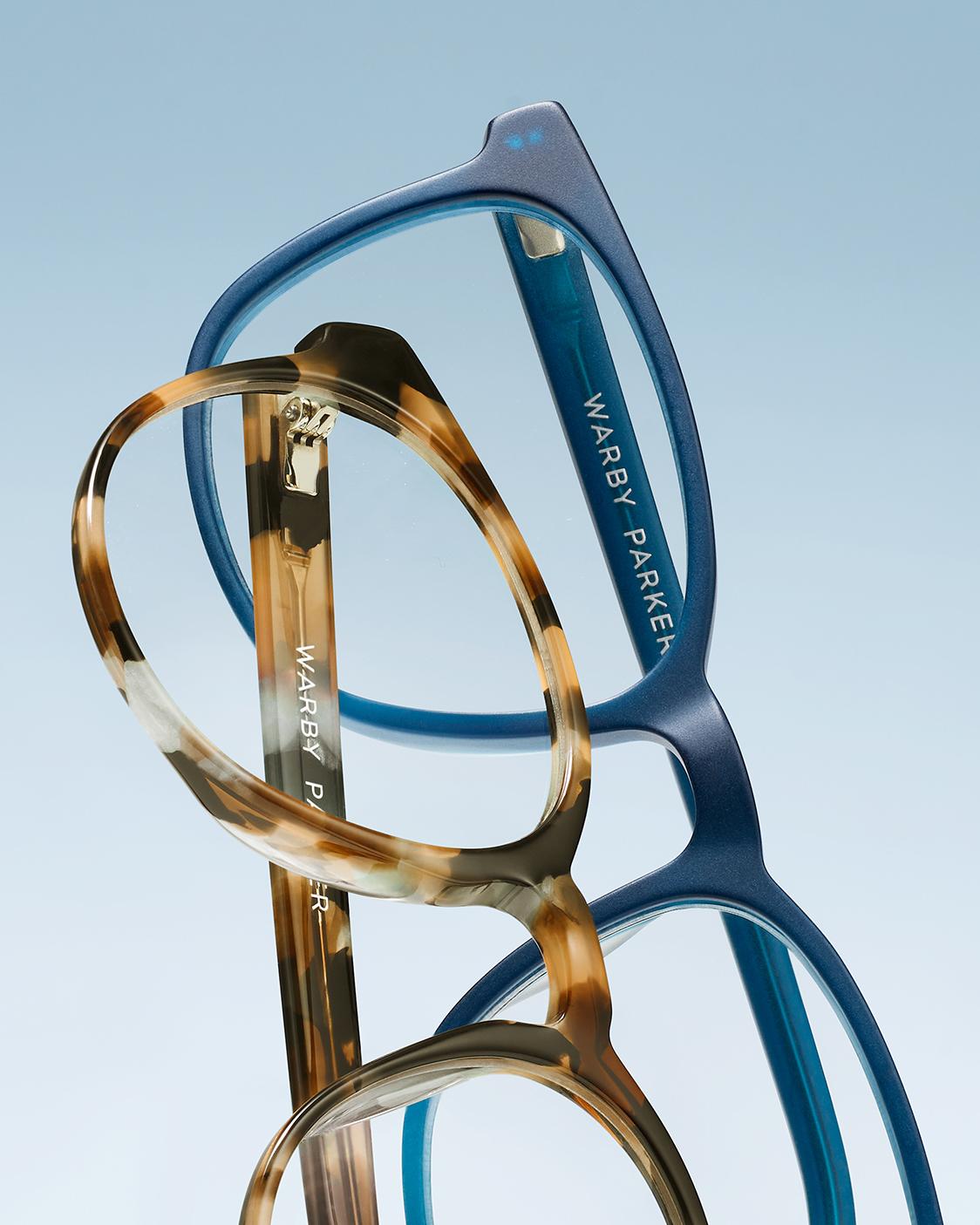
From cat-eyes to aviators to bookish, round numbers, we’ve got frames for every face
This article explores some of the most common reasons people feel disappointed with new eyewear and explains how to identify what may be contributing to the problem. We’ll discuss when a simple adjustment might solve the issue, when it may be worth requesting a prescription recheck, and how to communicate your concerns more effectively with your eye care provider.
The goal isn’t to help you tolerate glasses you don’t enjoy wearing. It’s to help you understand what might be standing between you and the visual experience you expected in the first place.
Why Vision Can Feel Wrong Even With a New Prescription
One of the most common reasons people feel unhappy with glasses is that their vision does not feel natural. Text may look sharp in one direction but distorted in another, or distance may be clear while computer work feels tiring.
A new prescription can require an adjustment period, especially if there has been a meaningful change in lens strength, astigmatism correction, or reading power. It can take time for your visual system to adapt to the way things look through new lenses.
If you notice ongoing changes in how things look or feel when you wear your glasses, such as consistent blur, unusual visual sensations, or discomfort, it may be helpful to contact your eye care provider and describe what you are experiencing.
Need a computer glasses prescription?
We know some top-notch optometrists who can help
For example, someone moving into progressive lenses may hope for enhanced vision at every distance. In reality, progressives have specific viewing zones. If the fitting height or frame position is off, the lenses may feel difficult even if the prescription itself is accurate.
Frame Fit and Lens Design Problems That Affect Comfort
Glasses are both a vision tool and something you wear on your face all day. A small fit issue can make an otherwise good prescription feel wrong. Frames that slide, pinch, sit crooked, or rest too far from the eyes can change how you see through the lenses.
Lens design also matters. High prescriptions, anti-reflective coatings, thinner lens materials, and blue light filtering options can change how your lenses look and feel to you, and how they interact with your environment. These options are often chosen based on personal preferences and how you plan to use your glasses.
- Bridge fit: Poor support can make glasses slide down and shift your viewing zone.
- Temple pressure: Tight arms may feel uncomfortable behind the ears or around the head.
- Lens position: If lenses sit too high, too low, or too far from your eyes, you may feel like you’re not looking through the most comfortable part of the lens.
- Frame size: Oversized frames may increase edge distortion in stronger prescriptions.
Expectations, Lifestyle Needs, and Communication Gaps
Sometimes the issue is not a technical error, but a mismatch between the glasses and how you live. A person who spends eight hours at a computer may prefer different frame and lens choices than someone who drives long distances or reads printed documents most of the day.
This is why communication during the exam and fitting is important. Your provider needs to know where you tend to feel visual effort or fatigue, what devices you use, whether you drive at night, and whether you have had trouble adapting to glasses before.
It may also help to bring your previous glasses to the appointment. Comparing old and new lenses can reveal changes in prescription, frame shape, lens material, or fit that may explain why the new pair feels different.
Fast-forward to now…
Shop any glasses style from the comfort of your home
You Don’t Have to Live with Unhappy Glasses
If your glasses don’t feel right, that doesn’t automatically mean you’re having trouble adapting – or that you’re expecting too much. Comfortable vision depends on many factors working together, and when one piece of the puzzle is off, the entire experience can feel less satisfying than it should.
Prescription details, lens design, frame positioning, fitting measurements, daily visual demands, and even the amount of time you spend reading, driving, or using screens can all influence how your glasses perform. Sometimes the solution is simple, such as a minor frame adjustment. Other times, it may require a closer look at the lenses, measurements, or prescription itself.
If you’ve worn your glasses consistently and something still feels wrong, don’t hesitate to follow up with your optician or eye care provider. The more specifically you can describe the issue, the easier it may be to identify the cause. For example, noting whether the problem occurs while reading, driving, walking, using a computer, or looking into the distance can provide valuable clues.
Remember that successful eyewear is about more than seeing clearly on an eye chart. The goal is comfortable, functional vision that works well in the situations that make up your everyday life.
For additional guidance, explore our resources on lens types, frame fit, prescription changes, and eye exams. Understanding how these factors work together can help you make more informed decisions and feel more confident the next time you choose a pair of glasses.
Want the look? (Even if you're not a pilot.)
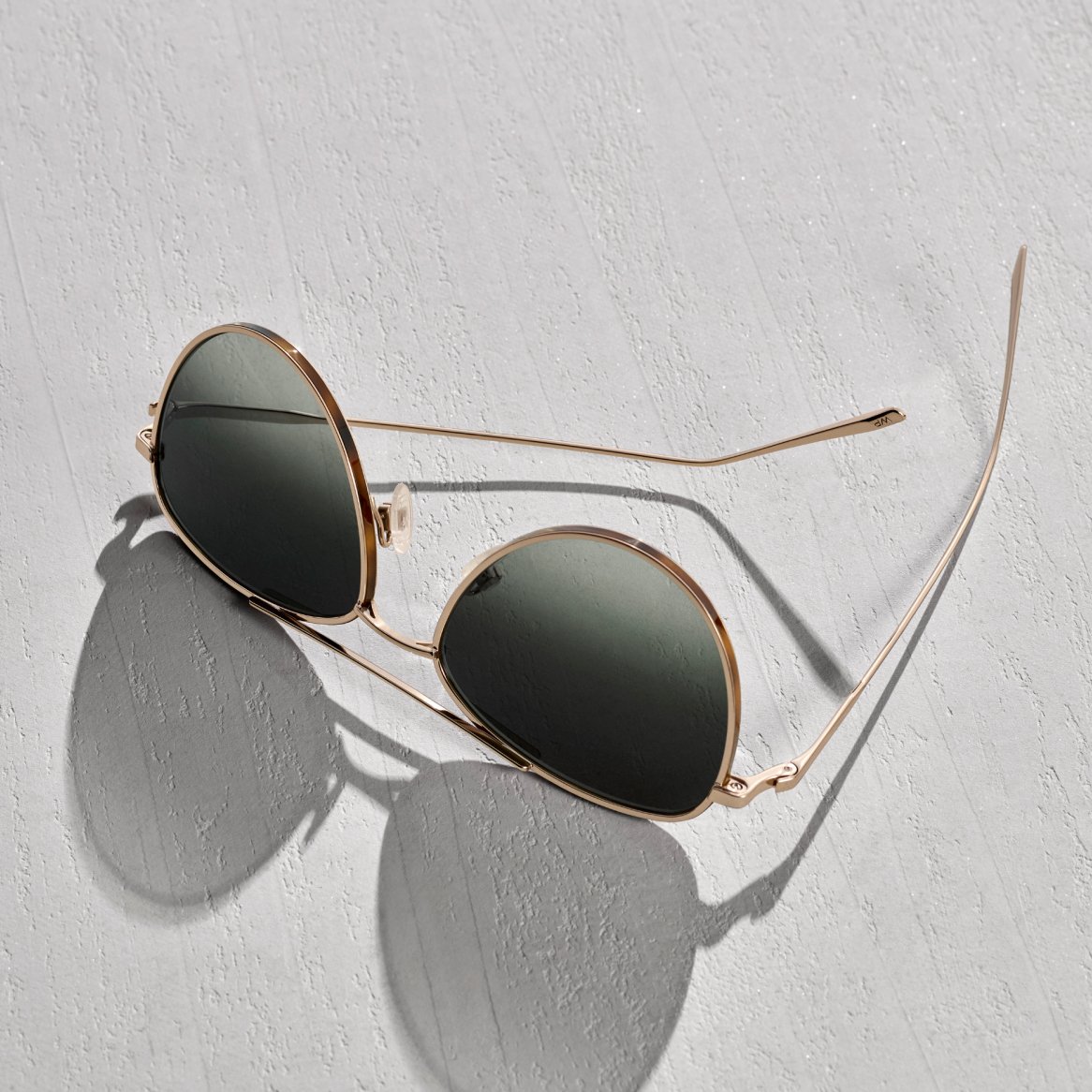
We offer endless iterations—in both materials and lens shapes—of the adventurous aviator
Legal Disclaimer
MEDICAL DISCLAIMER: This content is provided for educational and informational purposes only and is not intended as medical advice, diagnosis, or treatment. This information should not be used to replace professional medical care or consultation. Individual results may vary significantly. Always consult with a qualified healthcare provider before making any decisions about your health, vision, or medical treatment. Never disregard professional medical advice or delay seeking treatment because of information you have read on this website.
VISION CARE DISCLAIMER: Vision correction needs vary by individual. Consult an eye care professional for personalized assessment and recommendations.
FDA DISCLAIMER: These statements have not been evaluated by the Food and Drug Administration. This content is not intended to diagnose, treat, cure, or prevent any disease or medical condition.
PROFESSIONAL CONSULTATION REQUIRED: Only qualified eye care professionals can provide personalized recommendations for your specific vision needs and health conditions.
This article is for informational purposes only. It is not intended to provide medical advice or substitute for professional health services. Warby Parker complies with all HIPAA regulations regarding your health information. For personal health questions or concerns related to your vision or eyewear prescriptions, please consult a qualified healthcare provider.
Why am I unhappy with glasses even after wearing them for a week?
You may still be adapting. If you continue to feel dissatisfied with your glasses – for example, if things consistently look different than you expected or feel uncomfortable – you can contact your eye care provider to discuss what you’re noticing.
How long should it take to adjust to new glasses?
The adjustment period can vary from person to person. Strong prescription changes or progressive lenses can take longer. If you’re unsure whether what you’re experiencing is typical for you, consider checking in with your eye care provider.
Can the wrong frame make my vision feel bad?
Frame position can affect how your lenses feel to use. If frames sit too low, too high, crooked, or too far from your eyes, you may feel like you’re not looking through the intended part of the lens.
What should I do if my new glasses cause headaches?
If you notice discomfort when wearing new glasses, such as head or facial discomfort, consider having the frame fit and lens alignment checked. You can also talk with your eye care provider about what you’re experiencing so they can suggest possible next steps.
Are progressive lenses harder to get used to?
They can be. Progressive lenses require you to use specific areas for distance, intermediate, and near vision, so fitting accuracy is important.