Some sunglasses make a statement by shouting, while others stand out by staying quiet. Clear frame sunglasses fall into the second camp: light, minimal, and unexpectedly casual.
This guide is designed to help you understand why clear and transparent frames remain popular and how to choose a pair that feels as good as it looks.
We will walk through what makes clear frame sunglasses unique, how to evaluate UV filtering options, and how to pick shapes and finishes that work with your features.
By the end, you’ll have a clearer sense of what to look for, from fit and comfort to lens options, so you can confidently add clear frame sunglasses to your everyday style rotation.
Why Clear Frame Sunglasses Are Having a Moment
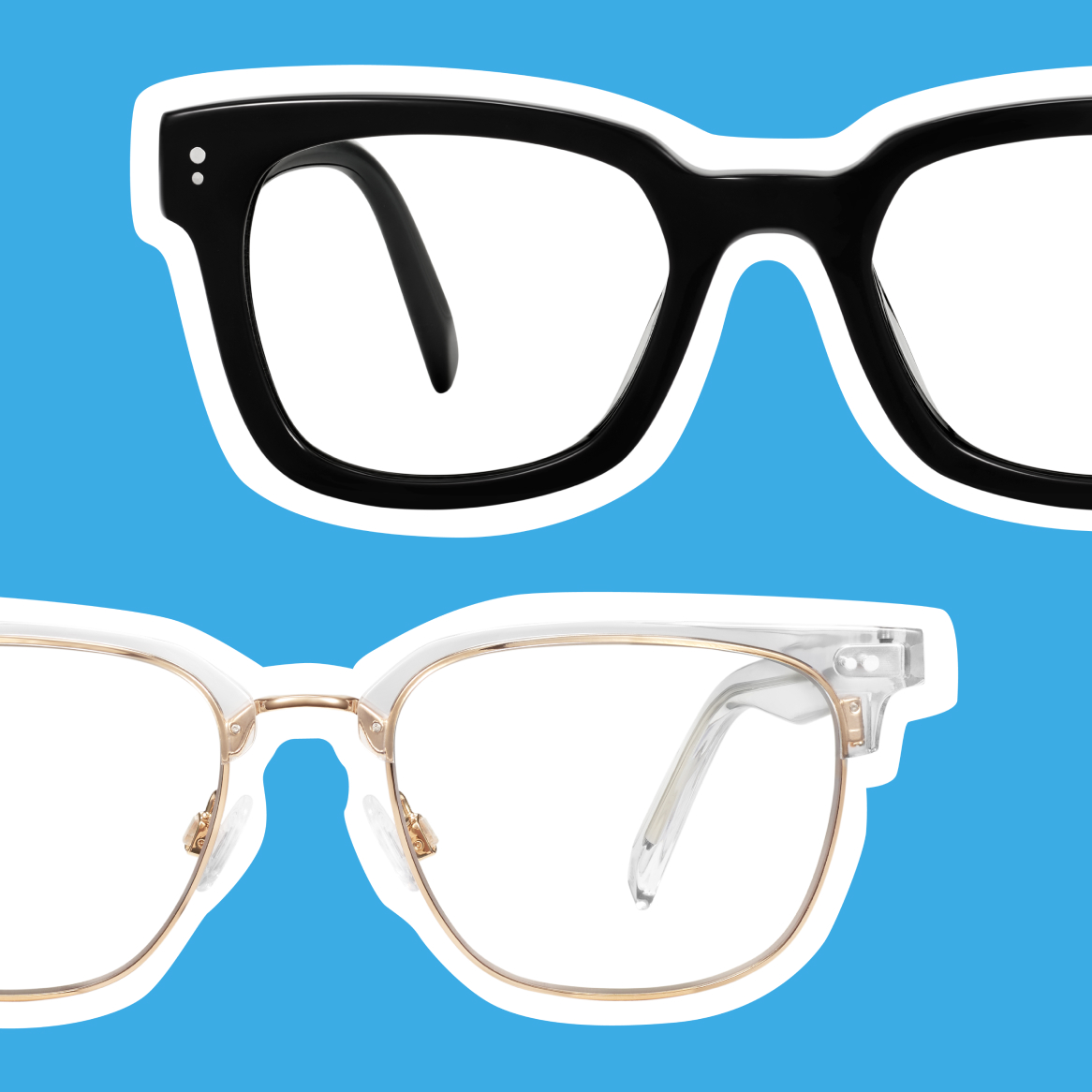
Clear and translucent frames have moved from niche to mainstream in the last few years. Fashion editors note that transparent eyeglasses are a subtle, universally flattering trend, and the same appeal translates directly to sunglasses. The see-through look softens strong shapes, works with a wide range of skin tones, and feels modern without being loud.
One key advantage of clear frame sunglasses is their versatility. Because they do not compete with color in your outfit, they pair easily with workwear, athleisure, or evening looks. A single transparent frame can function as your “go-with-everything” pair, simplifying your accessories drawer.
They also visually “lighten” your face. Bold dark frames create a high-contrast border around your features, which can be great but also dominating. Clear acetate and other transparent materials tend to blend with your natural tones, letting your eyes, hair, and expressions take center stage while still adding definition.
Finally, clear frames send a subtle design message: clean lines, minimal distraction, and an attention to detail that feels current. If you appreciate modern interiors, understated tech, or quietly premium accessories, clear frame sunglasses often fit naturally into that aesthetic.
UV Filtering and Eye Health: What Really Matters
Style is important, and many people also look for sunglasses that help shield their eyes from UV light. Long-term ultraviolet (UV) exposure has been linked in public health sources to certain eye conditions, so many experts recommend choosing sunglasses with UV400 labeling or 100% UVA/UVB protection.
Frame design affects coverage, too. Wrap-around sunglasses or those with sun-filtering side shields may offer more UV coverage because they help limit rays entering from the sides and top. For clear frame sunglasses, some people prefer slightly larger silhouettes or closer-fitting designs when they spend long hours outdoors.
- Check product labels: Look for UV400 labeling or labels that state 100% UVA/UVB protection.
- Consider coverage: Explore larger, close-fitting, or softly wrapped frames if you’re interested in more side coverage.
- Separate tint from protection: Treat lens color or darkness primarily as a style choice, rather than a standalone safety indicator.
- Add extra protection: Pair sunglasses with other sun-protective accessories, like a hat, when UV levels are especially high.
How to Choose Clear Frame Sunglasses That Suit You
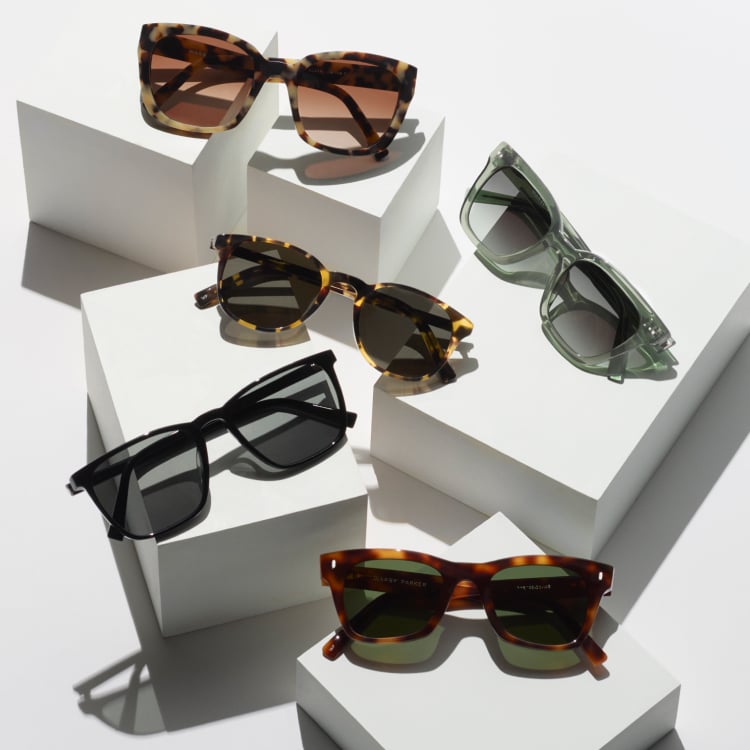
Once you’ve looked into the lens features, you can focus on fit and aesthetics. Clear frame sunglasses come in familiar shapes, such as wayfarer-inspired, round, and square styles, as well as bolder geometric and oversized designs. Neutral transparent frames can soften angular faces, while crisper, squarer shapes may balance rounder features.
Color and transparency also matter. Fully clear frames create the most minimal look, while slightly smoked, champagne, or pastel-transparent styles add warmth or coolness without reading as “colored” glasses. Because they do not cut across your face with a strong line, these shades can be forgiving if you usually struggle to match frame hues with your wardrobe.
Comfort should be part of your style decision. Lightweight acetate or mixed-material clear frames can distribute weight across the nose and ears, which many people find comfortable for extended wear. Subtle design details, like integrated nose pads, gently curved temples, and well-finished edges, may not show at a glance but can influence how the sunglasses feel over time.
Final Thoughts on Clear Frame Sunglasses
Clear frame sunglasses bring together modern aesthetics and everyday versatility. They frame your features without overwhelming them, pair smoothly with a wide range of outfits, and can incorporate lenses labeled with UV400 or 100% UVA/UVB protection.
As you compare options, you might focus on three essentials: UV400 or equivalent UV-filtering features noted on the product labeling, a frame shape and size that you like and that offers the coverage you prefer, and materials and details that help the fit feel comfortable over the course of the day.
If you’re ready to explore clear frame sunglasses, you can start by shortlisting a few shapes you’re drawn to, then comparing lens specifications and fit notes before you buy. Once you find a pair you like, they may become a go-to option in your sunglasses rotation.
Legal Disclaimer
MEDICAL DISCLAIMER: This content is provided for educational and informational purposes only and is not intended as medical advice, diagnosis, or treatment. This information should not be used to replace professional medical care or consultation. Individual results may vary significantly. Always consult with a qualified healthcare provider before making any decisions about your health, vision, or medical treatment. Never disregard professional medical advice or delay seeking treatment because of information you have read on this website.
VISION CARE DISCLAIMER: Vision correction needs vary by individual. Consult an eye care professional for personalized assessment and recommendations.
FDA DISCLAIMER: These statements have not been evaluated by the Food and Drug Administration. This content is not intended to diagnose, treat, cure, or prevent any disease or medical condition.
PROFESSIONAL CONSULTATION REQUIRED: Only qualified eye care professionals can provide personalized recommendations for your specific vision needs and health conditions.
This article is for informational purposes only. It is not intended to provide medical advice or substitute for professional health services. Warby Parker complies with all HIPAA regulations regarding your health information. For personal health questions or concerns related to your vision or eyewear prescriptions, please consult a qualified healthcare provider.