Contact Lens Rebates: How They Work and What to Know
If you wear contacts, you’ve probably seen those bold rebate offers: $50, $100, sometimes more, promising big savings. On the surface, they can make one brand or retailer look way cheaper than the rest.
But rebates aren’t always as straightforward as they seem.
This article takes a closer look at what’s actually behind those offers so you can decide when they’re worth it, and when a simple lower upfront price or smaller order might make more sense for you.
We’ll walk through how contact lens rebates typically work, the fine print around timing and eligibility, and a few common pitfalls that can keep people from actually getting the savings.
Interested in Multifocal Contacts?
Schedule a contact lens exam to discuss if multifocal contacts are right for you
The goal is to help you compare these promotions more clearly and understand the steps involved in redeeming them, so you can choose the option that really fits your budget and how you prefer to buy your lenses.
Understanding How Contact Lens Rebates Work
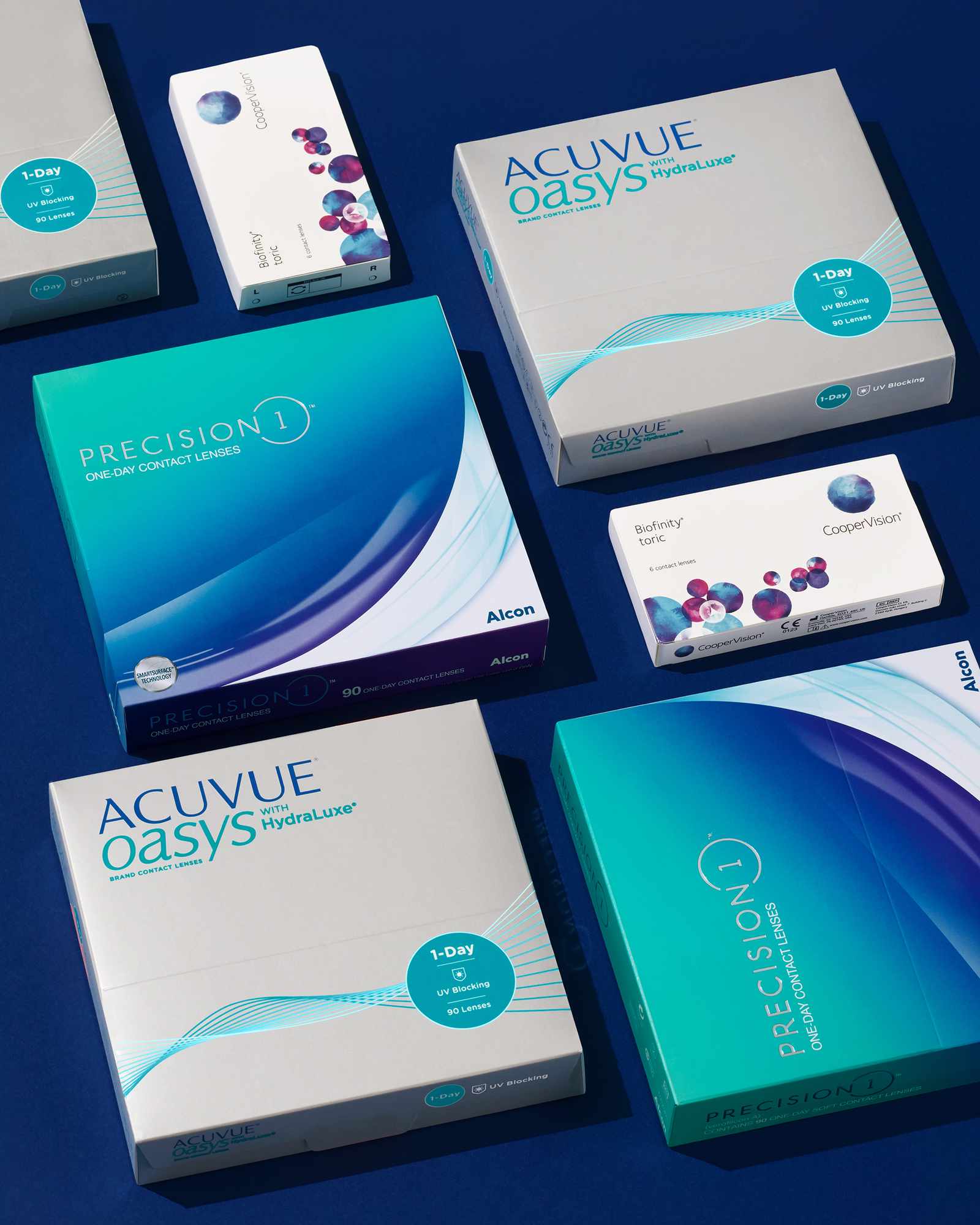
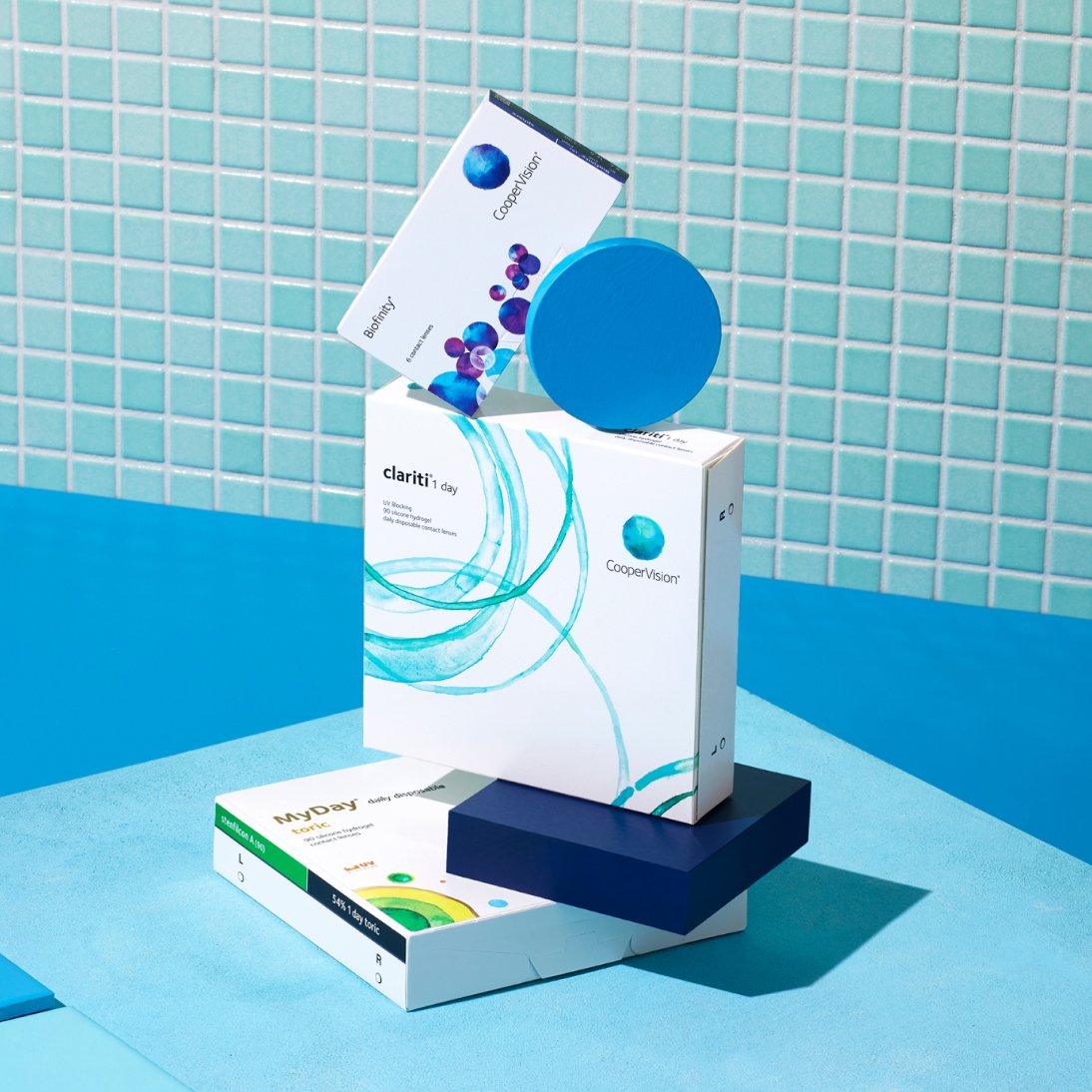
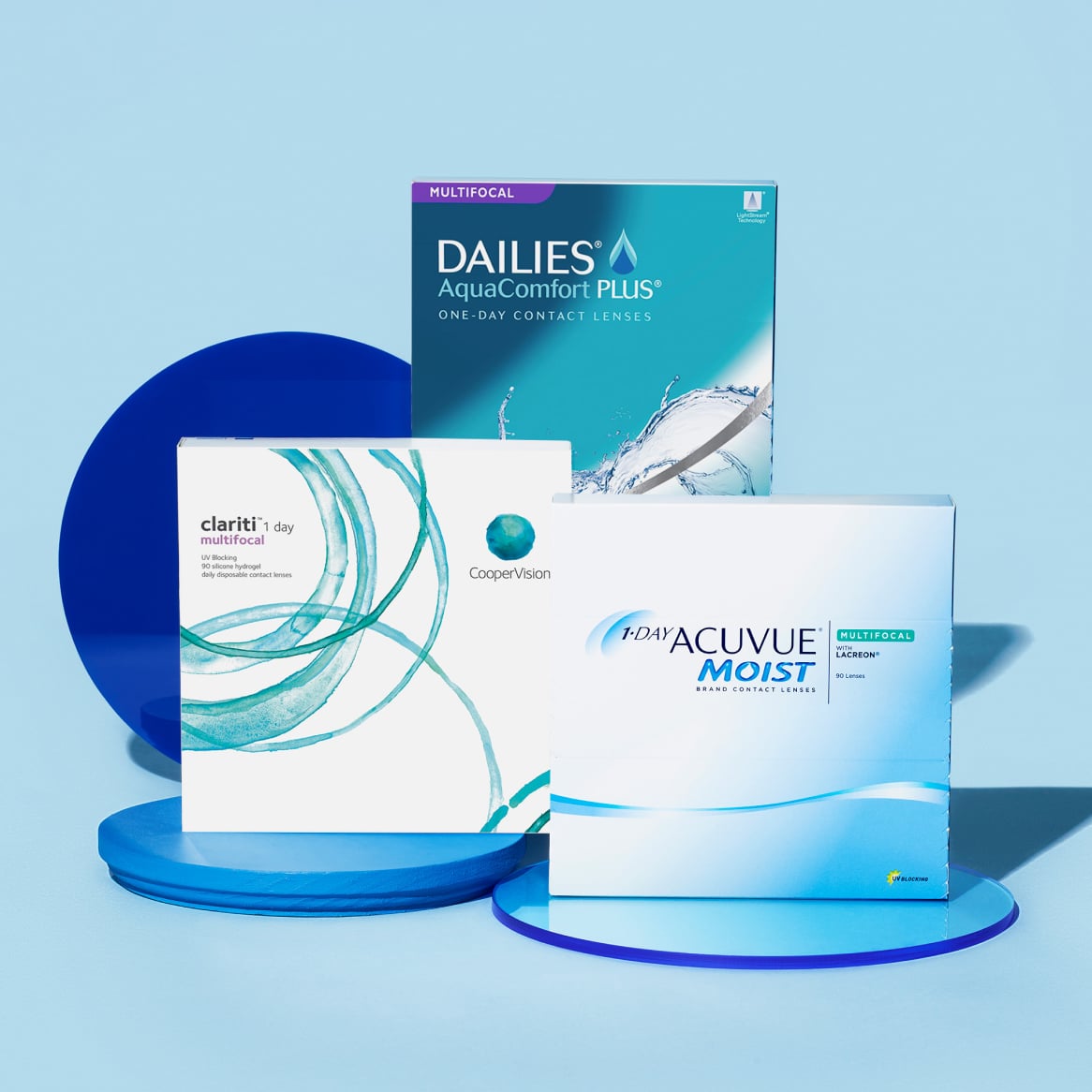
Most contact lens rebates are offered by the lens manufacturer, not by the retailer. The brand sets the rebate amount, the deadlines, and the eligibility rules, while eye doctors, optical shops, and online sellers simply promote them.
That means the “after-rebate” price you see in an ad is not what you pay upfront. You typically pay the full amount first, then submit proof of purchase and wait for a prepaid card, virtual card, or check. It can take several weeks to receive. When comparing offers, it can be helpful to focus on what you will actually spend today and then view the rebate as a potential future refund, not instant savings.
Rebates also frequently come with purchase-channel restrictions. Some are only valid if you buy through a participating eye care practice and not through big-box or online retailers. Others require a specific seller category but still allow you to shop around within that group. Reading the full terms on the manufacturer’s site is the most reliable way to understand what applies in your situation.
Time for new contacts?
Get 20% off your first order!
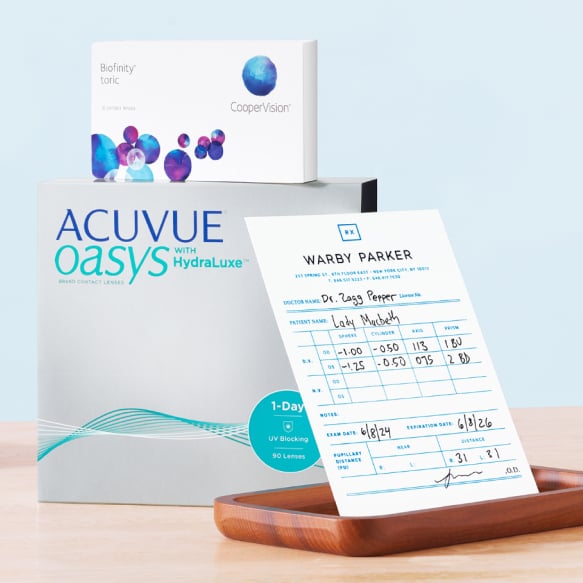
Finally, remember that contact lenses are medical devices that require a valid prescription, regardless of any discount or promotion. Federal rules require sellers to obtain or verify a valid contact lens prescription before dispensing lenses, and the lenses dispensed must match the prescription, even when rebates are advertised online.
Are Contact Lens Rebates Really Worth It?
Whether a rebate is right for you can depend on three main factors: how much you plan to buy, how organized you are with paperwork and deadlines, and how you feel about buying in larger quantities. For someone who already plans to purchase a full year of the same brand, a $50-$200 rebate can lower their annual cost, depending on the offer and how it’s used.
For example, a typical contact lens wearer might spend a few hundred dollars per year on lenses, depending on type and brand. If an annual supply costs $500 and comes with a $100 rebate, your effective cost becomes $400, assuming you complete the process correctly. That can make a rebate one of several options people use to manage ongoing eyewear expenses, alongside insurance benefits or flexible spending accounts.
However, rebates may be less appealing if you are unsure about the brand, expect your prescription to change soon, or prefer to spread purchases across the year. Buying a full year just to qualify for savings you may forget to claim can leave you spending more than if you had simply chosen a lower upfront price on a smaller order.
Considering contacts?
We happen to know some expert optometrists who can help you weigh your options
It is also important to consider non-financial tradeoffs. Manufacturer offers and promotional discounts should not take priority over safe use, appropriate follow-up with your eye care professional, and purchasing from reputable sellers. Professional guidance and safe lens use should remain a priority, regardless of discounts.
How to Redeem Contact Lens Rebates Step by Step
Many people miss out on rebate savings because they overlook a step or a deadline. Redemption rules vary by brand, but most follow a broadly similar pattern. You will typically need to submit a form, a copy of your itemized receipt, and package details such as UPC codes.
Start by confirming eligibility before you purchase. Check how many boxes or lenses you must buy, where you must buy them, and the final date by which your order must be placed. After your purchase, keep the invoice, packing slip, and boxes in one place so you are not hunting for them later.
Most manufacturers now use online rebate portals. You will usually need to create an account, enter your purchase details, upload scans or photos of your documents, and sometimes share basic practice or purchase information. Submissions often must be completed within 30-90 days of purchase, so setting a reminder can be helpful.
Sights set on contacts?
Before getting contacts, talk to your eye doctor about getting a prescription
Book an exam
Shop Contacts
Once submitted, you can track your rebate status through the portal or by email, depending on the program. If an issue arises, such as a missing document, responding quickly may improve your chances of approval under the program’s rules. When the rebate arrives, consider how it fits into your overall budget, and avoid assuming future rebates will always be available for the same brand or quantity.
What to Keep in Mind About Contact Lens Rebates
Used thoughtfully, contact lens rebates can lower what you spend on a brand you were already planning to buy. The trick is looking past the big headline number and understanding the details: how much you have to purchase, when you need to submit, and how long it takes to actually see the savings.
Before committing to a larger order, it can help to think through your typical buying pattern, how often you reorder, how much you usually buy at once, and then compare the real total cost. Factor in the rebate, but also look at other options like smaller purchases or different pricing from authorized sellers.
If you decide a rebate makes sense, the follow-through matters. Keep your receipts and packaging, submit everything on time, and keep an eye out for confirmation emails so nothing slips through the cracks.
And if someone has had a rebate go smoothly, or not, it can be worth swapping notes with others. A little shared experience can go a long way in avoiding the usual hiccups.
Want to try something fresh?
We have all the top brands
Legal Disclaimer
MEDICAL DISCLAIMER: This content is provided for educational and informational purposes only and is not intended as medical advice, diagnosis, or treatment. This information should not be used to replace professional medical care or consultation. Individual results may vary significantly. Always consult with a qualified healthcare provider before making any decisions about your health, vision, or medical treatment. Never disregard professional medical advice or delay seeking treatment because of information you have read on this website.
VISION CARE DISCLAIMER: Vision correction needs vary by individual. Consult an eye care professional for personalized assessment and recommendations.
FDA DISCLAIMER: These statements have not been evaluated by the Food and Drug Administration. This content is not intended to diagnose, treat, cure, or prevent any disease or medical condition.
PROFESSIONAL CONSULTATION REQUIRED: Only qualified eye care professionals can provide personalized recommendations for your specific vision needs and health conditions.
This article is for informational purposes only. It is not intended to provide medical advice or substitute for professional health services. Warby Parker complies with all HIPAA regulations regarding your health information. For personal health questions or concerns related to your vision or eyewear prescriptions, please consult a qualified healthcare provider.
How do contact lens rebates work?
In many programs, you buy the required quantity first, then submit proof of purchase to the manufacturer, usually online. If your submission meets the program’s terms and is approved, you may receive a prepaid or virtual card for the rebate amount.
How do contact lens rebates compare with a lower up-front price?
It varies. You can compare what you pay today with the effective cost after the rebate. If you think you might forget to submit, dislike bulk buying, or prefer simpler pricing, you may prefer a lower immediate price without a rebate.
Do I need an annual supply to qualify for contact lens rebates?
Often you do need to purchase an annual supply or a minimum number of boxes, though terms vary by brand and promotion. Always read the specific eligibility rules provided by the manufacturer.
How long does it take to get a contact lens rebate?
Processing can take several weeks after approval. Online status updates are common, but it is generally not a good idea to rely on the rebate for immediate cash flow.
Can I use contact lens rebates with insurance or FSA funds?
Some people use insurance or FSA/HSA dollars to pay up front and also submit for a rebate. Always check your plan rules, tax guidance, and the manufacturer’s terms to understand what is allowed in your situation.