Contact Lens Recycling: Eco-Friendly Waste Guide
If you wear daily or even monthly lenses, you might have gotten into the habit of tossing them away without much thought. And many of us would be surprised by how much waste those tiny discs of plastic add up to over time.
This eco-friendly guide is here to explain how to manage contact lens waste more responsibly as part of your everyday routine. We will walk through how contact lens recycling works, why it matters, and what simple steps you can take today to keep lenses and packaging out of landfills and waterways.
Never shopped with us before?
Get 20% off your first contacts order
By the end, you will know the environmental impact of lenses, which parts are recyclable, how to use specialty programs, and practical tips to shrink your overall footprint.
Why Contact Lens Waste Matters
Contact lenses are medical devices, but most are made from soft plastics that do not break down quickly. When millions of wearers discard lenses daily, the cumulative effect is significant.
Once in wastewater, lenses can fragment into tiny plastic particles. Soft lenses exposed to light and environmental conditions can shed microplastic fragments over time. These fragments are difficult to filter out completely and may end up in rivers, lakes, and oceans.
Newer research has also identified microplastics from contact lenses in aquatic environments as an under-recognized pollution source. Traditional monitoring methods often miss the smallest particles, suggesting lens-related plastics may be underestimated in environmental surveys.
Sights set on colored contacts?
Before getting colored contacts, talk to your eye doctor about getting a prescription
In short, lenses are small but numerous, and their plastics can persist in the environment for decades. Understanding this impact is the starting point for making more responsible choices as a lens wearer.
How Contact Lens Recycling Works
Standard curbside recycling programs are designed for common items such as bottles, cans, and cardboard. Contact lenses and their blister packs often fall through the cracks because they are too small, made of mixed materials, or contaminated with residue. As a result, many facilities cannot sort them efficiently, and they are typically directed to landfill.
Specialty contact lens recycling programs bridge this gap. These initiatives collect used lenses, plastic blister packs, and foil covers, then process them separately from household recycling. Items are cleaned, separated by material type, and turned into plastic pellets that can be used in new products, such as outdoor furniture or industrial components.
Some programs operate through participating eye care practices, where you can drop off a small container filled with used lenses and packaging during regular visits. Others offer mail-in options once you have collected enough material at home. In both cases, the key is to keep lens waste out of household trash and out of sinks and toilets.
Looking for toric lenses?
You’re in the right place for that.
Recycling is not yet available everywhere, and it does not replace wear and care instructions from your eye care professional. Decisions about which lenses to wear and how to care for them should be made with an eye care professional. When available and used alongside good disposal habits, these programs can offer one more way to address the environmental impacts of wearing lenses.
Practical Steps for Eco-Friendly Contact Lens Use
Even if contact lens recycling options are limited where you live, there are several simple habits that can help reduce waste and pollution risk.
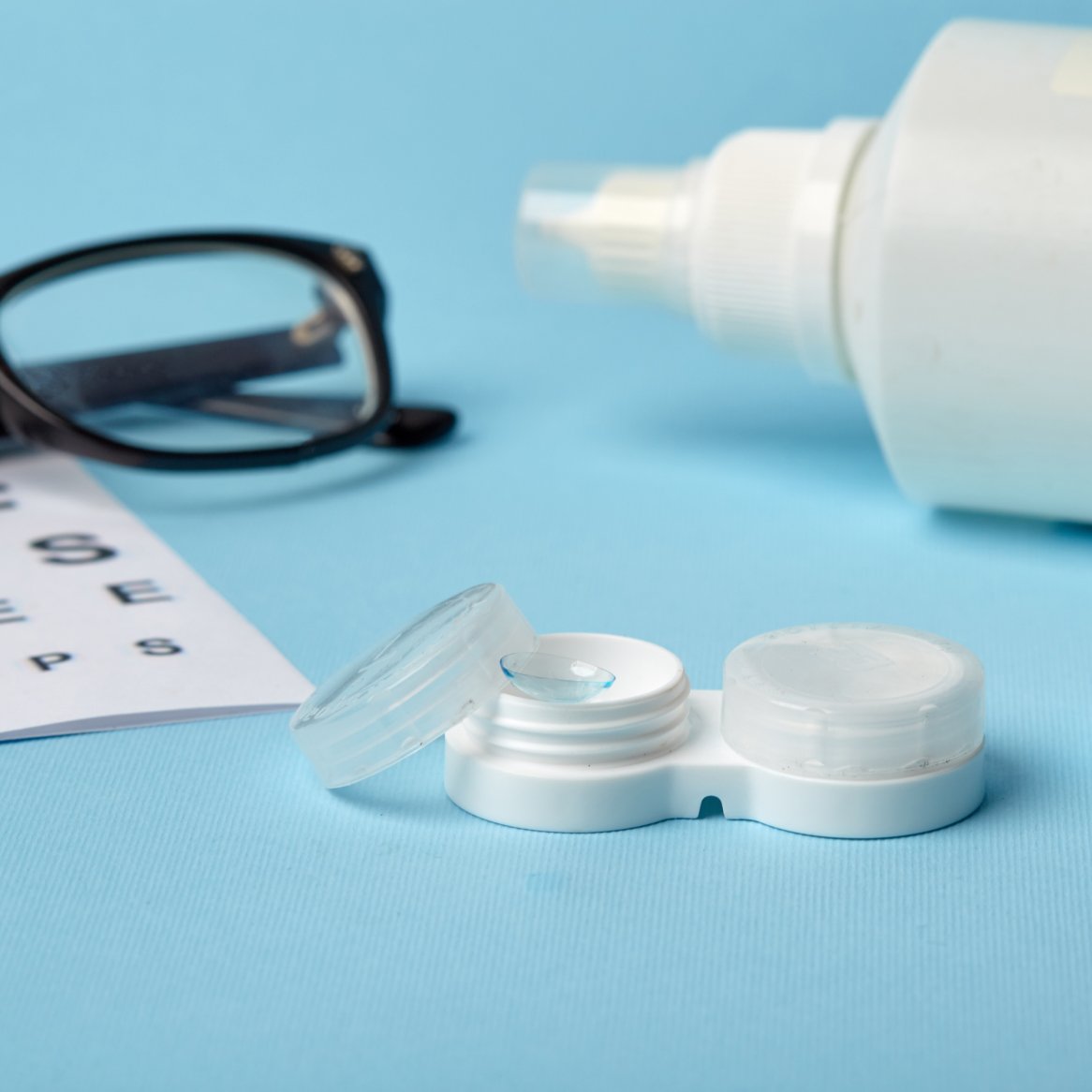
First, never flush lenses. After removal, place lenses in a small container or tissue and put them in the household trash if recycling is not available. This keeps them out of wastewater systems, where they can break down into microplastics. Avoid washing lenses down the sink as well.
Second, keep all empty blister packs and foil lids together in a dedicated jar or box. If your optometrist or local clinic participates in a recycling initiative, you will be ready to drop off a consolidated batch. If not, you can periodically ask whether new programs have become available.
- Replacement schedule: Follow your eye care professional’s recommended replacement schedule.
- Discuss options: Talk with your eye care professional about whether different lens replacement schedules are appropriate for you and how they may affect the amount of packaging you use.
- At-home storage: Store a small, sealable container in your bathroom for used lenses and packaging.
- Share habits: Educate family members or roommates who also wear lenses about proper disposal.
Finally, think about your broader plastic footprint. Choosing reusable cases for solutions, minimizing single-use products in your bathroom, and consolidating online orders to reduce shipping materials all complement responsible lens disposal.
Need fresh contacts?
We have all the top contacts brands—plus get 20% off your first order
So How Should You Approach Contact Lens Recycling?
Contact lens recycling is one important piece of a bigger sustainability picture. Lenses and blister packs are small but collectively add up to a notable stream of plastic waste, and research shows they can contribute microplastics to aquatic environments if flushed or littered. By keeping lenses out of sinks and toilets, collecting packaging, and using specialty recycling options where available, you may be able to reduce your environmental impact.
Your next step is to check with your eye care provider about any recycling partnerships they support and to set up a simple at-home system for storing used lenses and blister packs. Combine that with mindful product choices and adherence to professional wear and care guidance.
If you have questions about the environmental aspects of different lens options or local recycling access, ask your eye care provider or check with local waste management resources for programs available in your area.
Treat Your Eyes
Toric lenses? We’ve got ’em.
Legal Disclaimer
MEDICAL DISCLAIMER: This content is provided for educational and informational purposes only and is not intended as medical advice, diagnosis, or treatment. This information should not be used to replace professional medical care or consultation. Individual results may vary significantly. Always consult with a qualified healthcare provider before making any decisions about your health, vision, or medical treatment. Never disregard professional medical advice or delay seeking treatment because of information you have read on this website.
VISION CARE DISCLAIMER: Vision correction needs vary by individual. Consult an eye care professional for personalized assessment and recommendations.
FDA DISCLAIMER: These statements have not been evaluated by the Food and Drug Administration. This content is not intended to diagnose, treat, cure, or prevent any disease or medical condition.
PROFESSIONAL CONSULTATION REQUIRED: Only qualified eye care professionals can provide personalized recommendations for your specific vision needs and health conditions.
This article is for informational purposes only. It is not intended to provide medical advice or substitute for professional health services. Warby Parker complies with all HIPAA regulations regarding your health information. For personal health questions or concerns related to your vision or eyewear prescriptions, please consult a qualified healthcare provider.
Can I put contact lenses in my household recycling bin?
In most areas, no. Contact lenses and their small blister packs are usually too small and specialized for curbside systems and may be filtered out as residue.
What is a good way to dispose of lenses if I cannot access contact lens recycling?
Place used lenses in a tissue or small container and throw them in the household trash. Avoid flushing lenses or rinsing them down the sink.
Why is flushing contact lenses harmful for the environment?
Flushed lenses can break down into tiny plastic fragments during wastewater treatment and may contribute to microplastic pollution in rivers and oceans.
Are daily disposable lenses worse for the environment than monthly lenses?
Daily disposables generally generate more plastic waste per year per wearer. However, clinical needs and hygiene are important factors; talk with your eye care professional about which lens schedule is right for you.
What parts of contact lens packaging are recyclable?
Specialty programs often accept lenses, plastic blister packs, and foil lids together. Standard local recycling typically does not accept these items.