How Did Direct-to-Consumer Eyewear Change What You Pay for Sunglasses?
Updated: July 28, 2026
Direct-to-consumer eyewear changed sunglasses economics in a number of interesting ways, first by reducing the number of hands between product design and final sale. Fewer layers often means less logo-driven markup and clearer pricing for the shopper.
That does not mean every low-priced pair is high quality, but it does explain why price and quality are no longer tied as tightly to boutique positioning as they once were. The d2c eyewear impact is mostly about structure, transparency, and control.
Need sunglasses?
Protect those peepers from the sun’s harmful rays with 100% UV-blocking sunglasses
Direct-to-Consumer Structure and Sunglasses Pricing
DTC models typically bring design, sourcing, and retail closer together. Instead of passing products through multiple wholesale and storefront layers, many brands control more of the path themselves.
For shoppers, this often translates into clearer sunglasses pricing and easier side-by-side comparison. You can review specs, options, and return terms without relying on in-counter sales interpretation.
In sunglasses specifically, in-house design can shift value away from pure logo premiums and toward materials, lens choices, and user support.
Clean your sunglasses on the go
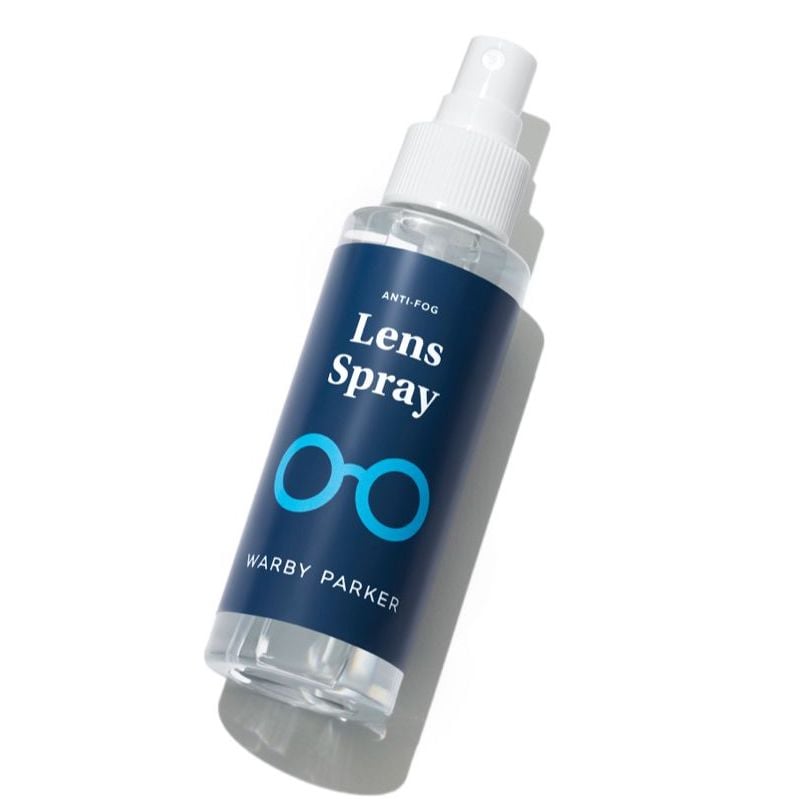
Meet our travel-size lens cleaning kit—complete with anti-fog spray, a cleaning cloth, and a handy pouch-and-cloth combo.
Which Markup Layers Disappeared, and Why Sunglasses Got Cheaper
Traditional pricing often included licensing fees, wholesale distribution, and retail overhead stacked together. Those layers could raise shelf price even when spec differences were modest.
DTC sunglasses reduce or compress several of these layers. That is why some prices dropped without requiring lower UV standards or weaker construction by default.
Understanding why “sunglasses are expensive” narratives exist helps you read current pricing more accurately. In many cases, lower tags reflect changed business structure, not automatic quality cuts.
Still, lower price should be verified against support terms. A cheaper pair with weak returns can become expensive if fit fails.
Quality Signals When DTC Sunglasses Prices Drop
Lower DTC pricing should trigger evaluation, not suspicion by default. Fairly priced sunglasses can still be high quality when product pages clearly state lens specs, materials, and return terms.
Strong signals include explicit UV information, polarization status, and durable frame construction details. Design originality also matters because it often indicates value is coming from product development rather than licensing overhead.
Weak signals are easy to spot too: vague spec pages, unclear sourcing, and restrictive or missing return policies. Price can be attractive, but transparency should still be non-negotiable.
Looking for sunglasses?
See how your favorite frames look on you—instantly!
One of the biggest online eyewear industry shifts is that prescription sunglasses accessibility is now standard in many DTC experiences, not a niche add-on.
Most legitimate workflows include Rx upload, verification, lens customization, and clear order tracking. Polarization and tint choices can usually be configured in the same flow as frame selection.
This improves access, but timelines still matter. Prescription verification and lab processing add days, so planning ahead is important before travel or seasonal deadlines.
Trust Markers for DTC Sunglasses Retailers
Trust in DTC sunglasses comes from visible evidence, not branding language. Look for transparent all-in pricing, clear UV and polarization specs, and a readable Rx process.
Also check build indicators like materials, hinge quality, and weight information. Good product photography is helpful, but it is not a substitute for technical detail.
DTC reduced counter pressure for many buyers, but it did not remove the need for due diligence. It simply moved the evaluation work online, before checkout instead of at a retail counter.
DTC eyewear changed what you pay by changing how products reach you. In many cases, the biggest savings come from fewer markup layers, not from sacrificing lens standards.
When evaluating a retailer, focus on spec clarity, Rx support, return structure, and pricing transparency. If those are strong, lower prices can be a sign of efficiency rather than compromise.
A practical way to read the d2c shift is to ask where value moved. In many cases, value moved from distribution layers to product details you can inspect directly, including lens options, fit ranges, and policy support. That is why comparison shopping feels less mysterious than it did in older boutique-only environments. You can now evaluate sunlight performance, prescription workflow, and return terms before you commit, which makes lower prices easier to trust when the evidence is strong.
The same logic applies when you compare DTC brands to one another. Some brands use the DTC label but still rely on vague pricing and thin policy detail. Others use the model to publish complete specs and straightforward support terms. So the point is not to assume every direct model is equal. The point is to evaluate whether direct structure actually improves the buying experience for you. When pricing is readable, return terms are practical, and prescription options are clearly explained, lower prices feel less like a compromise and more like a transparent business choice.
For shoppers, this means you can judge value with less guesswork than before. When a brand shows complete specifications, plain-language policy terms, and realistic prescription timelines, it earns trust through evidence. That is the real consumer impact of DTC maturity: lower information friction, not only lower prices.
MEDICAL DISCLAIMER: This content is provided for educational and informational purposes only and is not intended as medical advice, diagnosis, or treatment. This information should not be used to replace professional medical care or consultation. Individual results may vary significantly. Always consult with a qualified healthcare provider before making any decisions about your health, vision, or medical treatment. Never disregard professional medical advice or delay seeking treatment because of information you have read on this website.
VISION CARE DISCLAIMER: Vision correction needs vary by individual. Consult an eye care professional for personalized assessment and recommendations.
FDA DISCLAIMER: These statements have not been evaluated by the Food and Drug Administration. This content is not intended to diagnose, treat, cure, or prevent any disease or medical condition.
PROFESSIONAL CONSULTATION REQUIRED: Only qualified eye care professionals can provide personalized recommendations for your specific vision needs and health conditions.
This article is for informational purposes only. It is not intended to provide medical advice or substitute for professional health services. Warby Parker complies with all HIPAA regulations regarding your health information. For personal health questions or concerns related to your vision or eyewear prescriptions, please consult a qualified healthcare provider.
Frequently Asked Questions
How did direct-to-consumer eyewear change the sunglasses industry?
It reduced layered markups, increased direct online access, and made prescription sun configuration more common in standard buying workflows.
Why are DTC sunglasses often cheaper than boutique brands?
Because fewer intermediaries and licensing costs are built into price, so savings can come from structure rather than from weaker specs.
Does lower price mean lower quality in DTC sun?
Not automatically. Quality depends on materials, lens specs, and policy transparency, all of which should be verified directly.
Can I get prescription sunglasses through DTC brands?
Yes. Many DTC retailers support Rx upload, verification, and custom lens configuration for prescription sunglasses.