Eye Exam Prescription Expiration: What to Know
An eye exam prescription expiration date is the point at which your eyeglasses prescription is no longer considered current for ordering new prescription lenses. It sounds like a simple administrative detail, but it tends to become surprisingly important at exactly the moment you decide you’re ready for new glasses. One minute you’re casually browsing frames online, and the next you’re staring at an old prescription wondering whether it’s still valid or whether you’ve somehow overlooked a rule everyone else already understands.
The confusion is understandable. Prescriptions don’t come with a countdown clock attached, and most people spend very little time thinking about expiration dates until they actually need them. If your vision seems stable, it can feel strange that a prescription from a year or two ago might not automatically qualify for a new order. Yet expiration dates exist for a practical reason: vision can change over time, sometimes gradually enough that you don’t immediately notice it.
For many people, the challenge isn’t understanding the concept. It’s figuring out where to look, what date matters, and whether the prescription in hand is still usable. Add in the various numbers, abbreviations, and measurements already printed on the page, and it’s easy to feel like you’re deciphering a document written in a dialect of administrative paperwork.
Think you may need glasses?
See an eye doctor for a vision check
In this guide, we’ll explain how long eyeglasses prescriptions are typically valid, where to find the relevant dates, what details are worth checking before you order, and what your options are if the prescription has expired. The goal is to help you determine, quickly and confidently, whether you’re ready to shop for new glasses or whether an updated eye exam should come first.
The Fast Answer: Your Glasses Rx Usually Has a Date on It
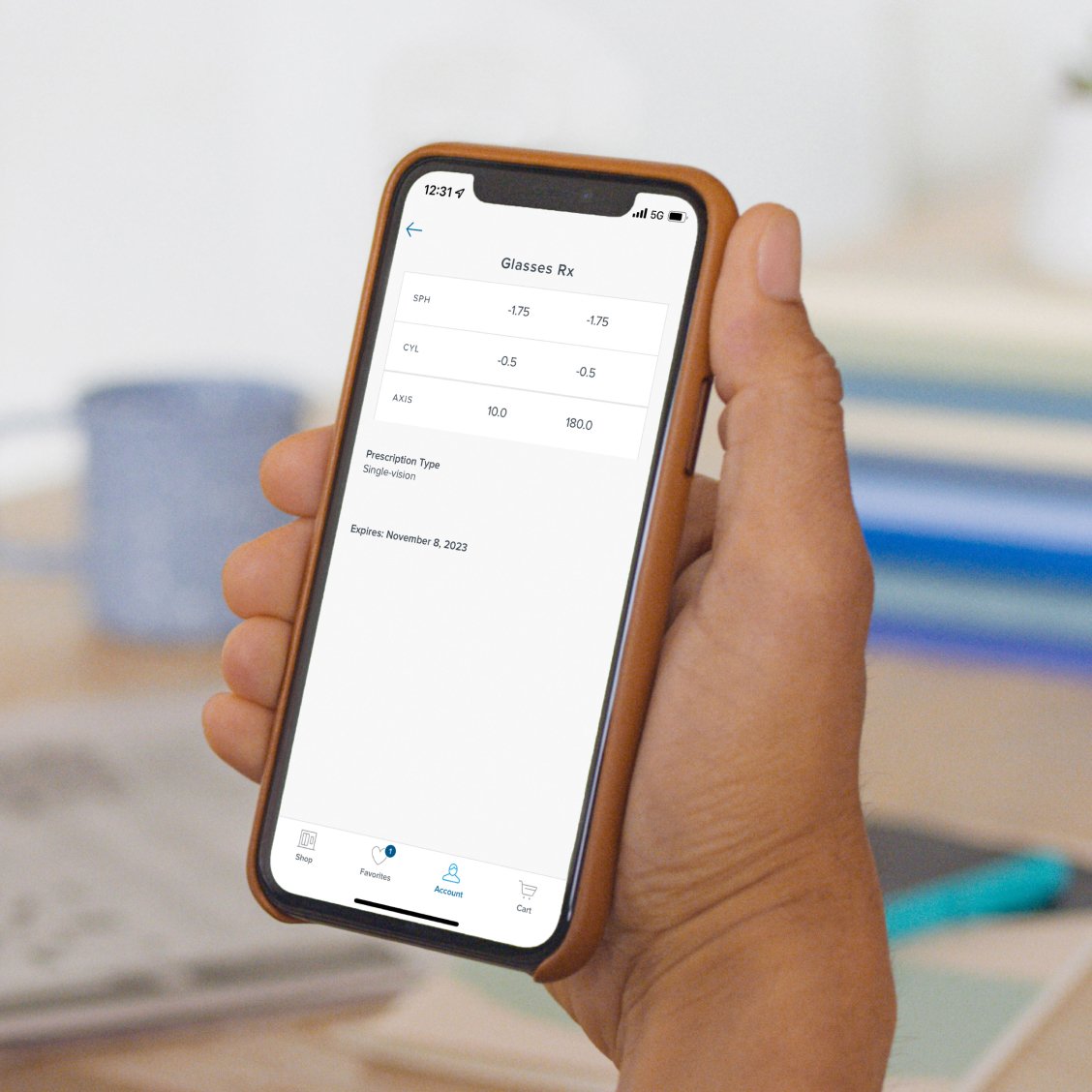
An eyeglasses prescription often expires after one to two years from the exam date, but the exact timing can vary by state rules and by your prescriber’s guidance. The best source is the expiration date printed on your prescription.
Look for wording like “expires,” “expiration,” or “valid until.” If there’s no visible date, don’t guess with heroic confidence. Contact the prescriber, or book a new eye exam before ordering prescription glasses.
This article is about eyeglasses prescriptions, not contact lens prescriptions. Contacts have their own fitting details and rules, so keep those lanes separate.
Bundle & save
Buy one prescription pair and save 20% on additional pairs
Need Glasses, Not Guesswork: Check These Rx Details First
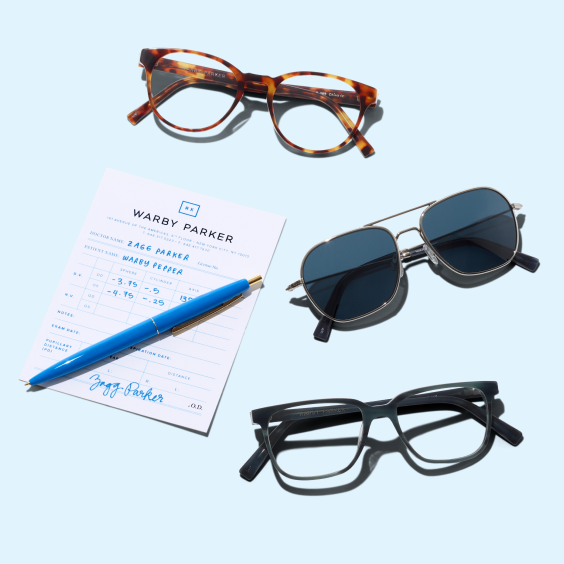
A valid glasses prescription should include the numbers needed to make your lenses, including right eye and left eye values. If you have astigmatism correction, cylinder and axis values may appear, too.
You may also need your pupillary distance, which helps align lenses with your eyes. It may be on your prescription, or it may be gathered separately during the glasses-ordering process.
Prescription Readiness Checklist:
- Expiration date is visible and hasn’t passed.
- Prescription is specifically for eyeglasses.
- Right eye and left eye values are included.
- Cylinder and axis are included if prescribed.
- Add power is included if needed.
- Pupillary distance is available or can be provided.
- You know whether you’re shopping for single-vision lenses, progressives, or readers.
The Expired-Prescription Mistakes That Slow Down New Glasses
The first common mix-up is assuming the eye exam date and prescription expiration date are the same. They might be close, but your prescription should state its own validity period.
Another slowdown: trying to order prescription glasses with an expired glasses prescription. Many prescription eyewear orders require a current, valid Rx, so checking early saves you from checkout heartbreak, the least glamorous kind.
Also, don’t use a contact lens prescription for glasses, since the two prescriptions are not the same. And don’t forget pupillary distance. A current prescription tells us what lenses you need, while pupillary distance helps place those lenses correctly in the frame.
Nearsighted?
Our glasses include prescription lenses with scratch-resistant, anti-reflective coatings
Once your prescription is current, use Virtual Try-On to compare frame shapes before choosing your lenses.
If Your Prescription Expired, Here’s the Next Step
An expired prescription isn’t a dead end. It usually means you need an updated eye exam before ordering prescription glasses. You can book an eye exam at select Warby Parker stores, where available, and leave with a clearer path forward.
If you recently had an exam but can’t find the paperwork, contact the office where you were seen, or check any patient portal they use. If the Rx is valid but missing pupillary distance, Warby Parker can help guide next steps during the ordering process.
After that, you can choose lenses based on your prescription and daily routine, including single-vision lenses, progressive lenses, readers, anti-reflective coating, and photochromic options.
From Valid Rx to Glasses That Fit Your Day
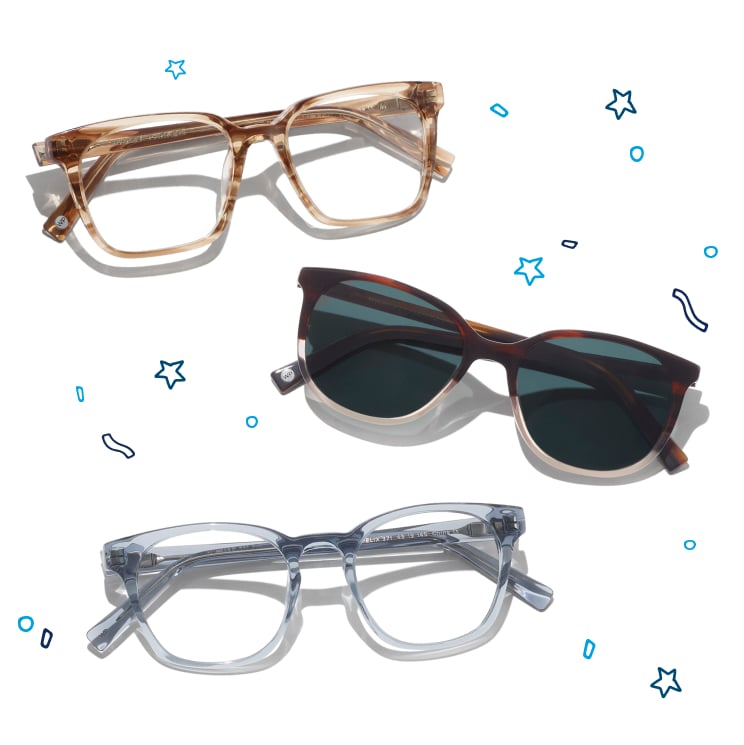
Once your Rx is valid, turn to practical considerations: frame width, bridge fit, temple fit, shape, material, and color. Your prescription starts the process, but it doesn’t get to pick your whole personality.
Think about where you’ll wear your glasses most: work, reading, errands, commuting, or all of the above. Then match your lens choices to your prescription and your day. Virtual Try-On can help you compare shapes, and in-store try-on can help confirm fit.
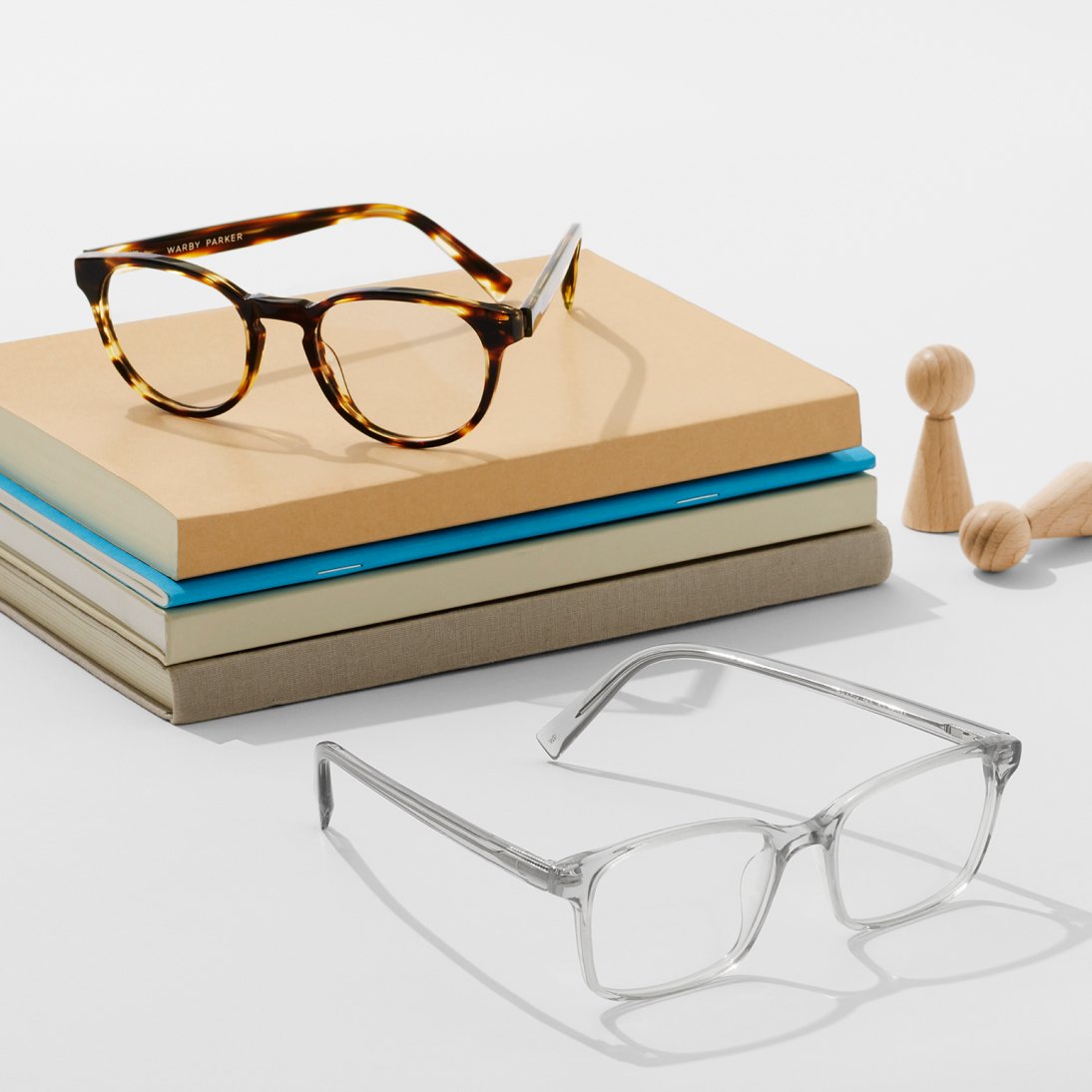
A new prescription means…
Pick out a new pair, starting at $95
Eye Exam Prescription Expiration, Sorted Before You Shop
Back to that nighttime scroll: the takeaway is simple. Check the expiration date, confirm the Rx is for eyeglasses, make sure the key details are there, and book an eye exam if anything is expired, missing, or unclear.
Quick recap:
- Find the expiration date.
- Confirm it’s an eyeglasses prescription.
- Check the core Rx details and pupillary distance.
- Renew it if needed.
- Then choose frames and lenses by fit, style, and routine.
Ready after your updated Rx? Your prescription is just the starting line. Your taste gets to cross the finish.
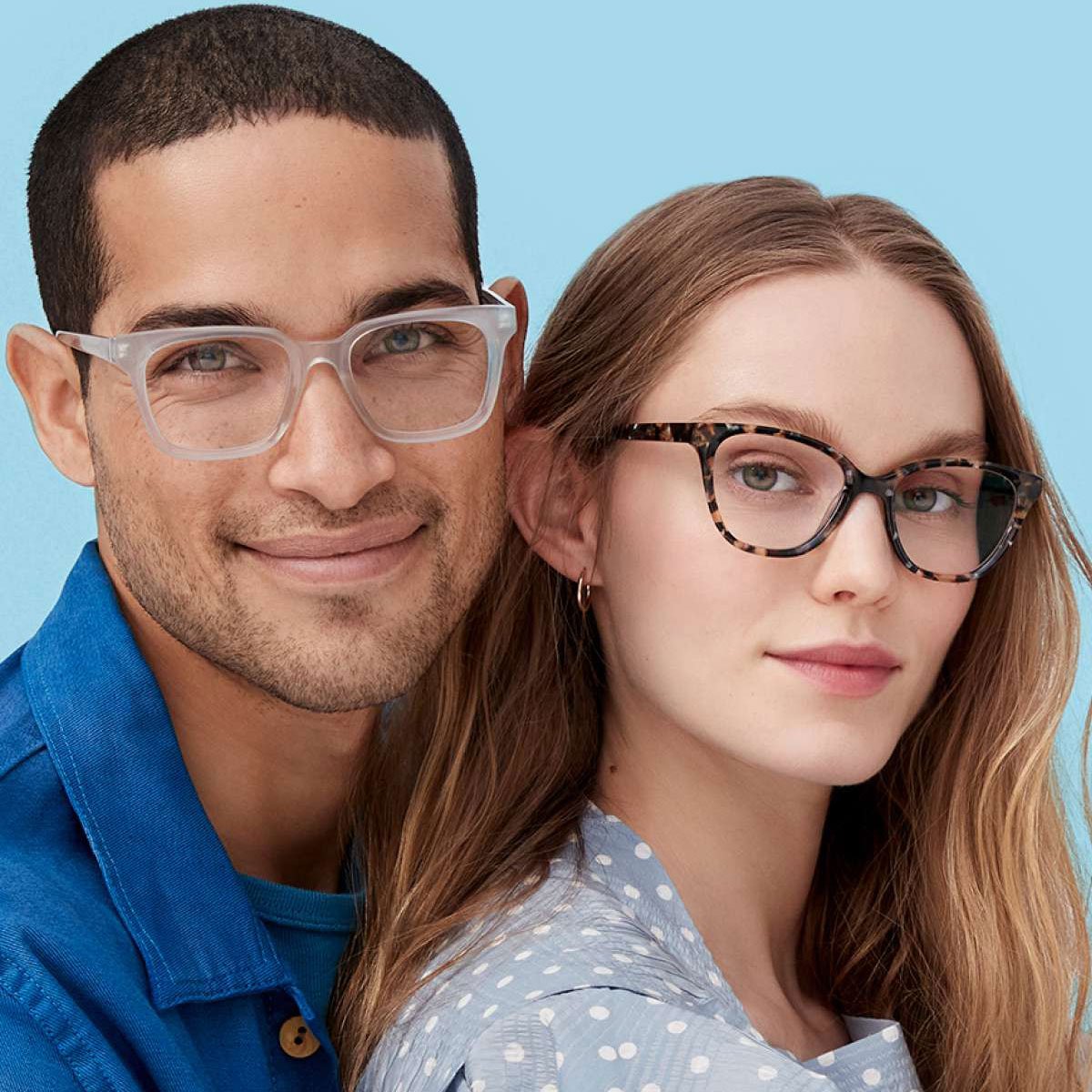
No matter your eye color…
You deserve to see clearly. (And to have a little fun shopping for eyewear, too.)
Legal Disclaimer
MEDICAL DISCLAIMER: This content is provided for educational and informational purposes only and is not intended as medical advice, diagnosis, or treatment. This information should not be used to replace professional medical care or consultation. Individual results may vary significantly. Always consult with a qualified healthcare provider before making any decisions about your health, vision, or medical treatment. Never disregard professional medical advice or delay seeking treatment because of information you have read on this website.
VISION CARE DISCLAIMER: Vision correction needs vary by individual. Consult an eye care professional for personalized assessment and recommendations.
FDA DISCLAIMER: These statements have not been evaluated by the Food and Drug Administration. This content is not intended to diagnose, treat, cure, or prevent any disease or medical condition.
PROFESSIONAL CONSULTATION REQUIRED: Only qualified eye care professionals can provide personalized recommendations for your specific vision needs and health conditions.
This article is for informational purposes only. It is not intended to provide medical advice or substitute for professional health services. Warby Parker complies with all HIPAA regulations regarding your health information. For personal health questions or concerns related to your vision or eyewear prescriptions, please consult a qualified healthcare provider.