How Do You Evaluate Eyeglasses Quality Without Being an Expert?
Updated: July 24, 2026
Although eyeglasses seem like a high-tech product, you actually don’t need technical training to evaluate glasses quality. Most reliable signals are visible in normal use: stable frame construction, lenses that match your prescription, comfortable fit, and pricing that is explained clearly.
The challenge is separating true quality from sales language. Terms can sound impressive, but hinge behavior, lens clarity, and transparent line-item pricing tell you much more than package names.
FIND YOUR FRAMES
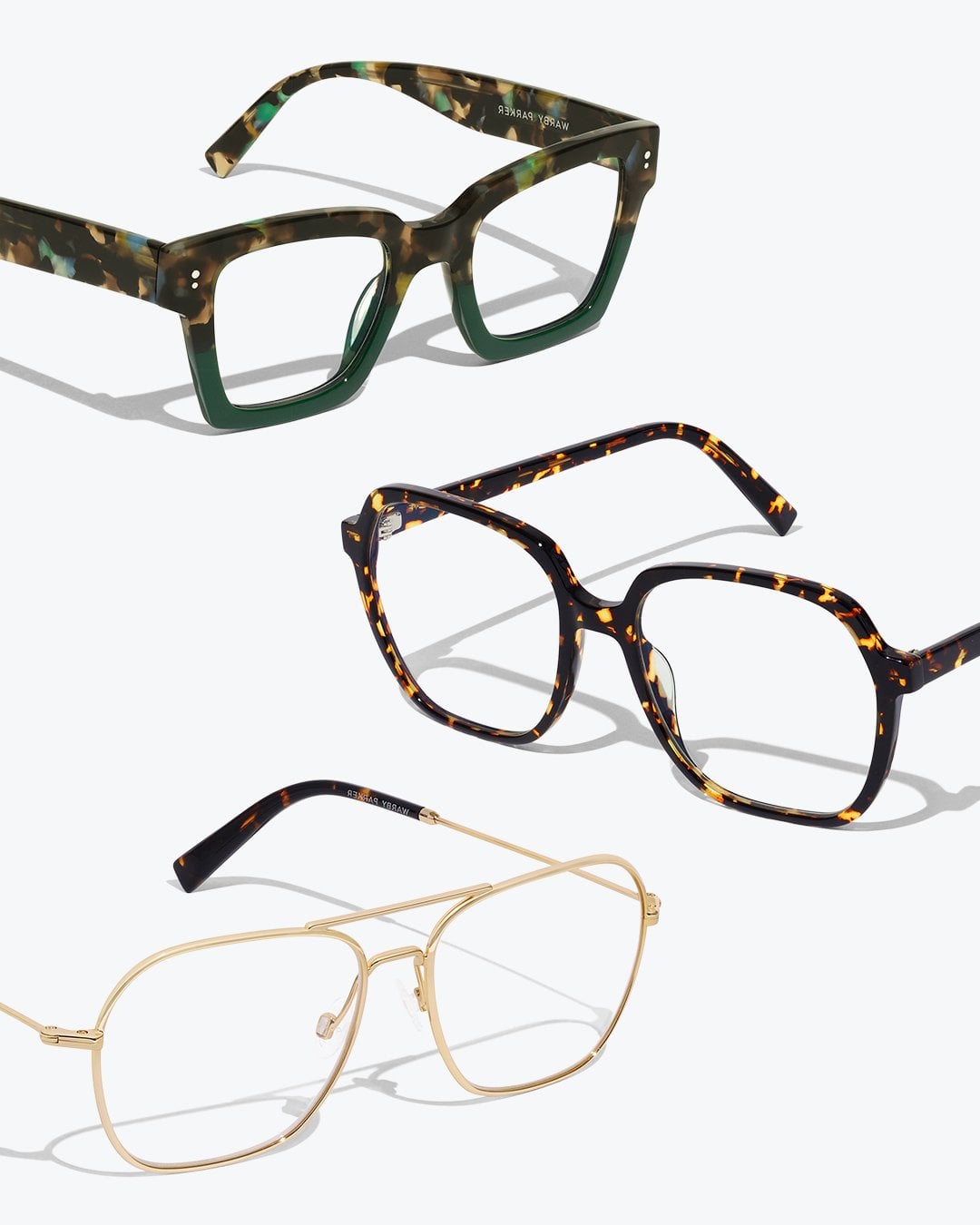
From cat-eyes to aviators to bookish, round numbers, we’ve got frames for every face
Start by watching how a pair behaves through ordinary life. Good eyeglasses quality means temples open smoothly, alignment stays consistent, and lenses remain comfortable through long wear sessions.
Fit is part of quality, not a separate category. Frames that constantly slip or pinch can feel premium in hand and still fail in practice. That is why evaluating your options for glasses should include wear behavior, not just materials lists.
Pricing transparency is another overlooked signal. When costs are itemized clearly, decision quality improves. When totals are opaque, quality claims are harder to trust.
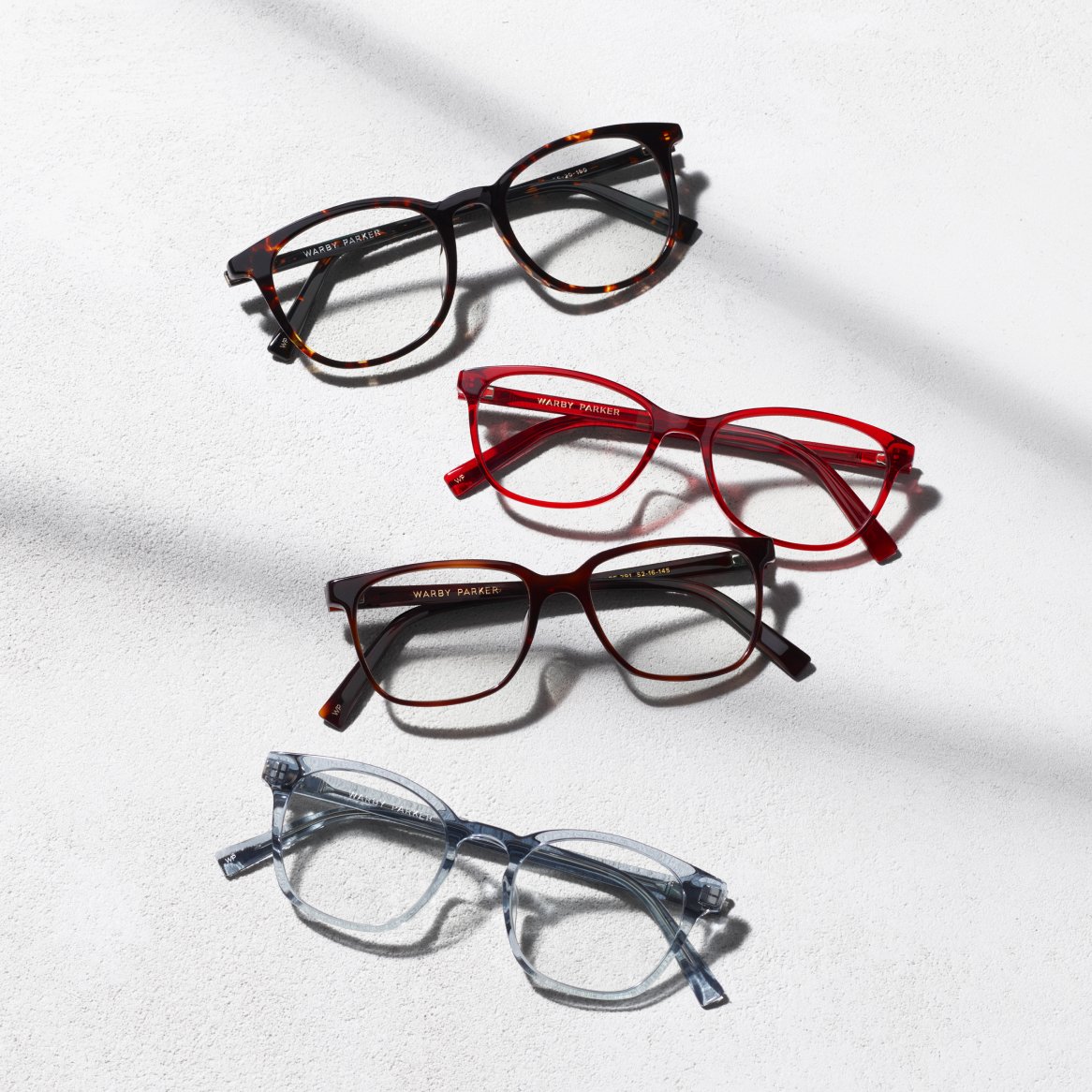
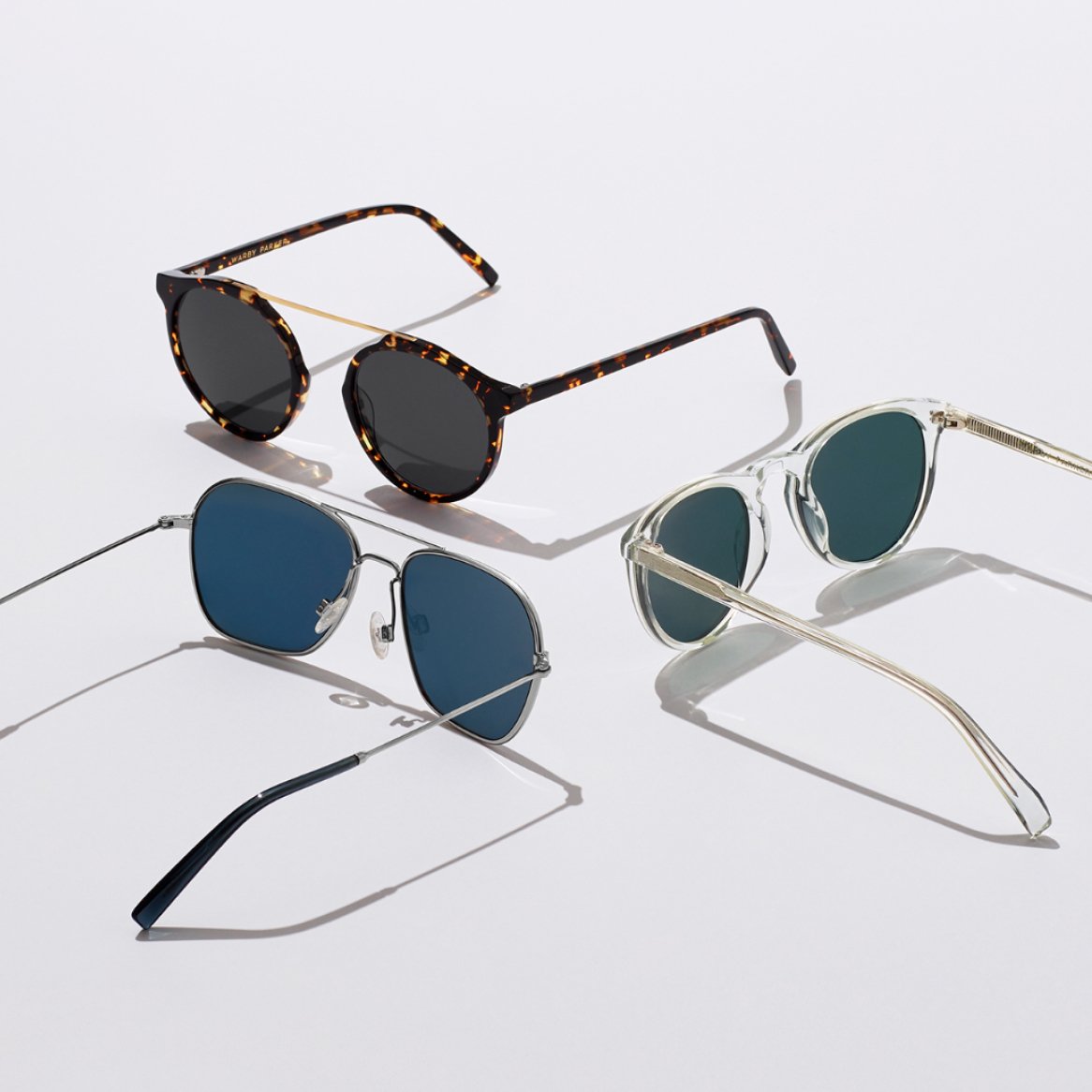
Acetate usually offers richer color and a substantial feel, while metal can deliver lighter profiles and adjustable pads. Either can be excellent when construction is solid.
Checking hinge quality is simple: open and close temples several times and look for wobble or uneven resistance. Reinforced hinge structure and stable alignment are better indicators than branding language.
Bridge and temple contact matter for long-term comfort. A quality frame should adjust cleanly without stress marks and hold position after minor tuning.
When shopping online, use specs as pre-screening, then verify feel during the return window.
Lens Upgrades Worth the Price for Daily Wear
Making a good decision about lenses and glasses begins with prescription accuracy. If the core Rx is wrong, no premium add-on fixes the experience.
From there, prioritize upgrades that change daily use. Anti-reflective coating often helps with glare, especially under fluorescent lighting and on video calls. Material choices can reduce thickness and weight for stronger prescriptions, which can improve comfort and appearance together.
Skip options that do not map to a real need. A good lens package is the one that solves your routine-specific problems.
Glasses for everyone
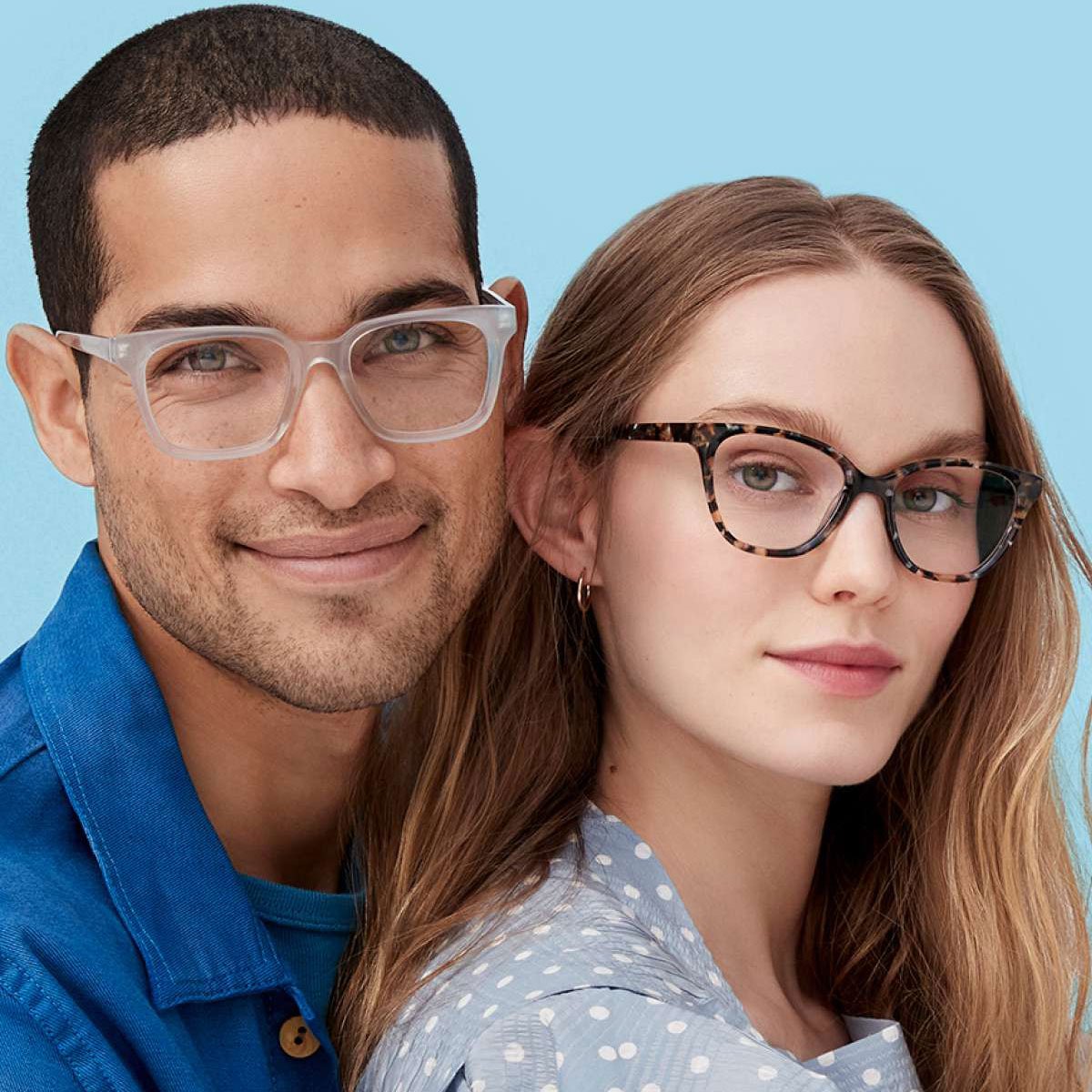
Find your perfect pair from our bestselling frames
Higher price can reflect better components, but it can also reflect positioning and logo markup. Price vs value glasses analysis works well when you measure quality signals per dollar.
Two similar sticker prices can hide very different totals once lens packages and service terms are included. Compare all-in pricing before concluding one option is “premium.”
Pre-Purchase Quality Checks for Eyeglasses
Your pre-buy checklist should include frame feel, fit behavior, lens configuration, and policy clarity. In person, test hinge movement and stability. Online, verify spec completeness and itemized costs before checkout.
Use width sizing guidance and Virtual Try-On on finalists rather than broad browsing. This keeps fit checks realistic and focused.
Also review return or remake terms of service. Reliable retailers treat fit-and-feel issues as normal scenarios and explain support clearly.
Like the Classic Fable…
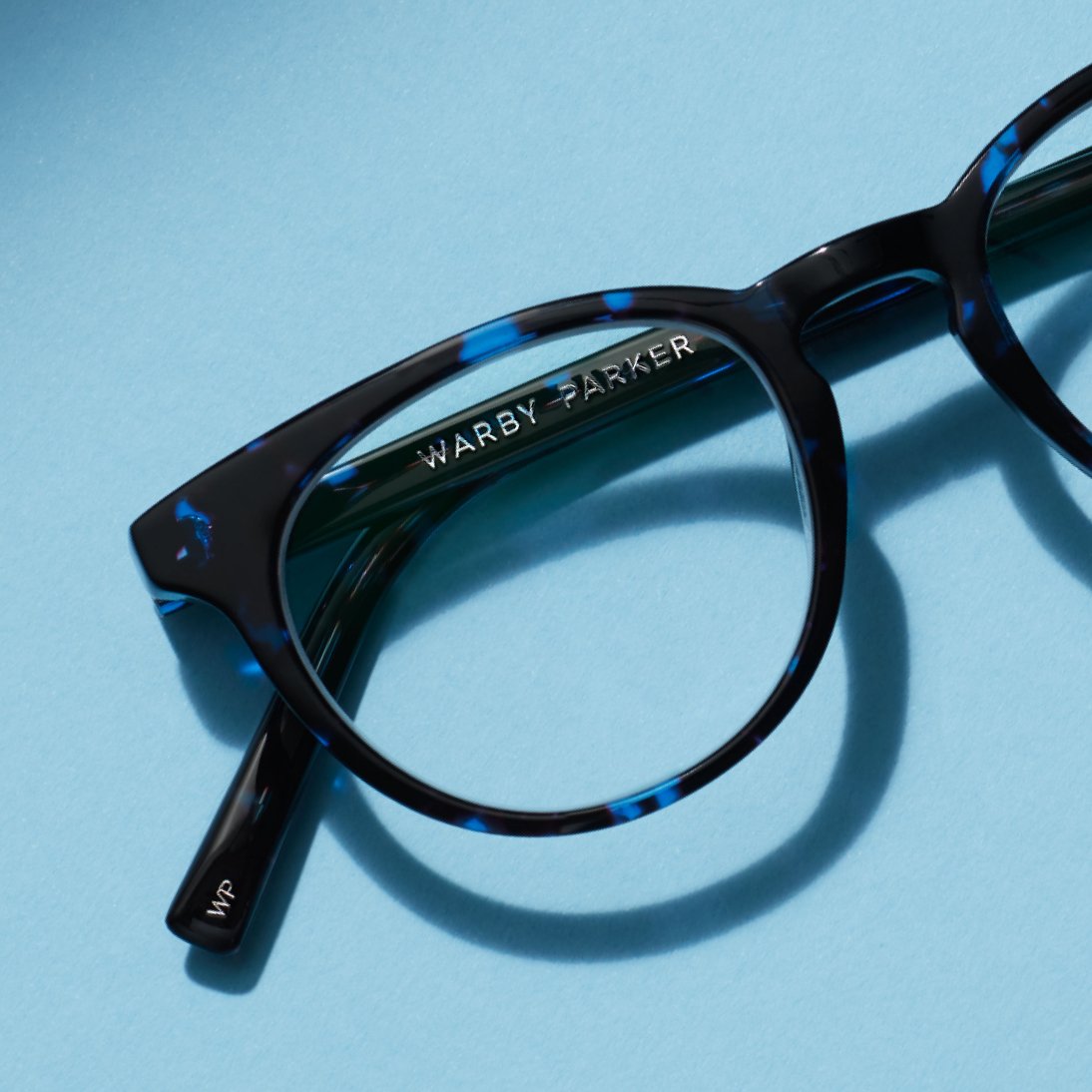
Tortoise frames are bold (and super wearable)—and come in a bevy of shapes
Small details can matter disproportionately, including adjustable pads, bridge shape, and lens package transparency. Taking five extra minutes here can prevent expensive second purchases.
Quality factor
What to check
Frame construction
Hinges, materials, bridge stability
Lens clarity/coating
Matched to Rx, AR if needed
Fit
Width, bridge, temple length
Pricing transparency
Itemized before checkout
Return policy
Remake or return if fit fails
Evaluating Eyeglasses Quality Before You Buy
Evaluating eyeglasses quality is a practical process, not an expert-only skill. If frame construction, lens setup, fit, and pricing transparency all check out, you are usually in strong territory.
Use the checklist on your short list before checkout and let evidence drive the decision. That approach consistently beats guessing or reacting to upsell language.
If you are between two finalists, do a short stress test before deciding. Compare how each option handles one normal week of use: screen time, commuting, lighting changes, and end-of-day comfort. A pair that looks slightly better on paper can still lose if fit fatigue appears quickly. This routine-first approach keeps quality evaluation grounded in real outcomes and makes the final choice feel less like a gamble.
It can also help to check maintenance expectations before you buy. Ask how easy routine adjustments are, how remake requests are handled, and what happens if lens performance does not match expectations after a few days of normal use. Quality is partly about materials, but it is also about how recoverable problems are when they happen. A provider that combines good construction with clear support can outperform a slightly cheaper option that leaves you on your own after payment. That is why evaluating quality and evaluating support should happen together.
If you want one quick rule, keep this one: a good pair is the one you forget you are wearing by midday. Comfort stability, optical clarity, and predictable support are the outcomes that matter. When those are present, price feels justified because performance holds up over time.
Nearsighted?
Our glasses include prescription lenses with scratch-resistant, anti-reflective coatings
MEDICAL DISCLAIMER: This content is provided for educational and informational purposes only and is not intended as medical advice, diagnosis, or treatment. This information should not be used to replace professional medical care or consultation. Individual results may vary significantly. Always consult with a qualified healthcare provider before making any decisions about your health, vision, or medical treatment. Never disregard professional medical advice or delay seeking treatment because of information you have read on this website.
VISION CARE DISCLAIMER: Vision correction needs vary by individual. Consult an eye care professional for personalized assessment and recommendations.
FDA DISCLAIMER: These statements have not been evaluated by the Food and Drug Administration. This content is not intended to diagnose, treat, cure, or prevent any disease or medical condition.
PROFESSIONAL CONSULTATION REQUIRED: Only qualified eye care professionals can provide personalized recommendations for your specific vision needs and health conditions.
This article is for informational purposes only. It is not intended to provide medical advice or substitute for professional health services. Warby Parker complies with all HIPAA regulations regarding your health information. For personal health questions or concerns related to your vision or eyewear prescriptions, please consult a qualified healthcare provider.
Frequently Asked Questions
How can I evaluate eyeglasses quality without being an expert?
Use a short checklist: frame stability, hinge quality, lens clarity for your Rx, fit comfort, and clear itemized pricing.
What frame materials indicate better quality?
High-quality acetate or metal paired with smooth hinges, stable alignment, and reliable pad or bridge comfort are strong indicators.
How do I know if lenses are worth the upgrade price?
Lens upgrades are worth it when they improve daily comfort or clarity, such as reducing glare or lowering lens weight for stronger prescriptions.
Does higher price always mean better glasses?
No. Price can reflect branding as much as performance, so compare quality signals and all-in value rather than sticker alone.