Men’s Prescription Sunglasses for Everyday Wear
If you squint through sunny commutes or swap awkwardly between glasses and fashion shades all day long, you might be missing out on some everyday convenience and style. The right pair of men’s prescription sunglasses can simplify your day while also helping you feel more put-together no matter what the situation.
This guide is designed to make choosing sunglasses straightforward, not overwhelming. You’ll find tips on how to balance style, comfort, and sun protection so you can wear the same pair from morning drive to weekend plans.
We’ll walk through what often matters most in men’s prescription sunglasses: UV filtering information, frame shapes that fit your face and lifestyle, and lens options that align with how you typically spend your time.
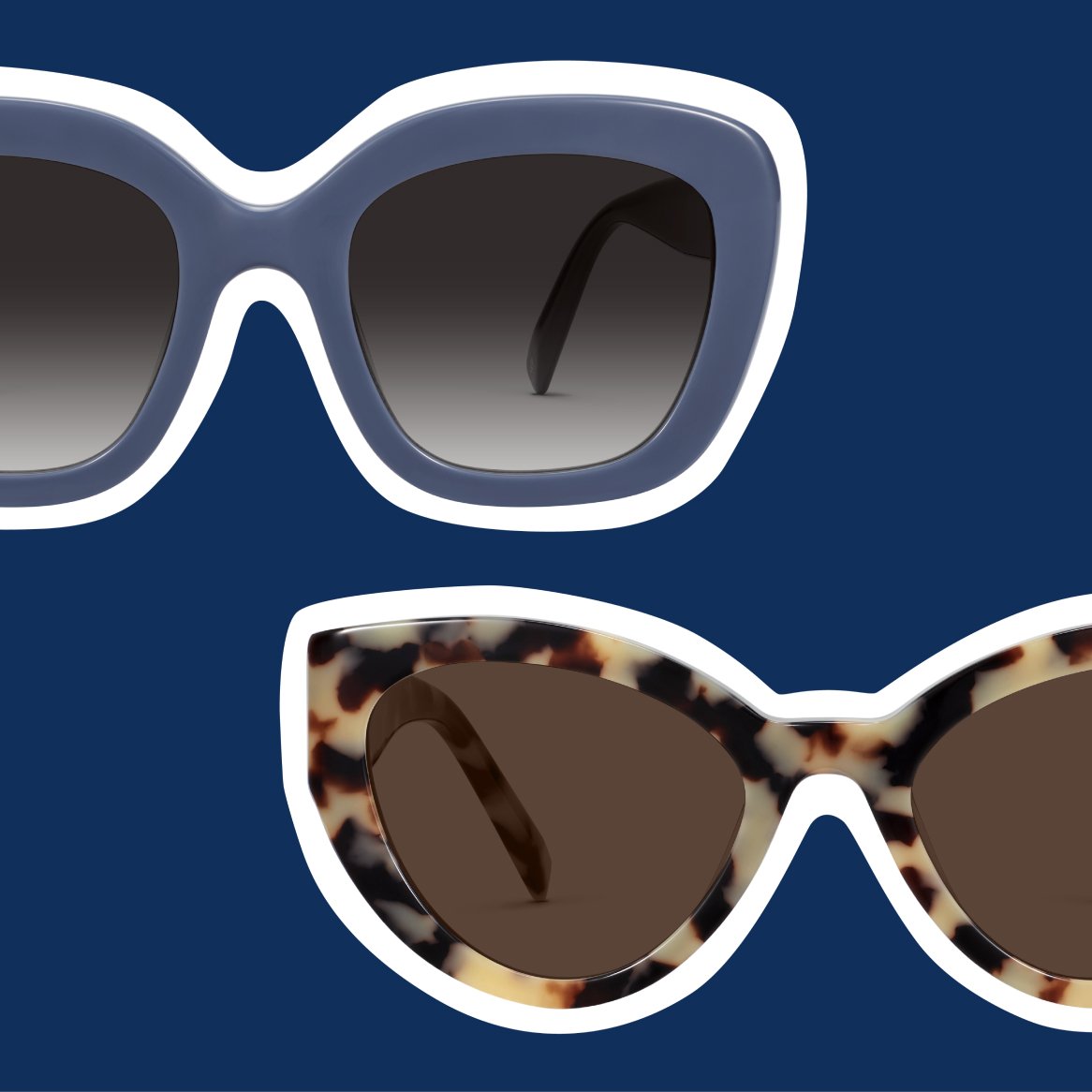
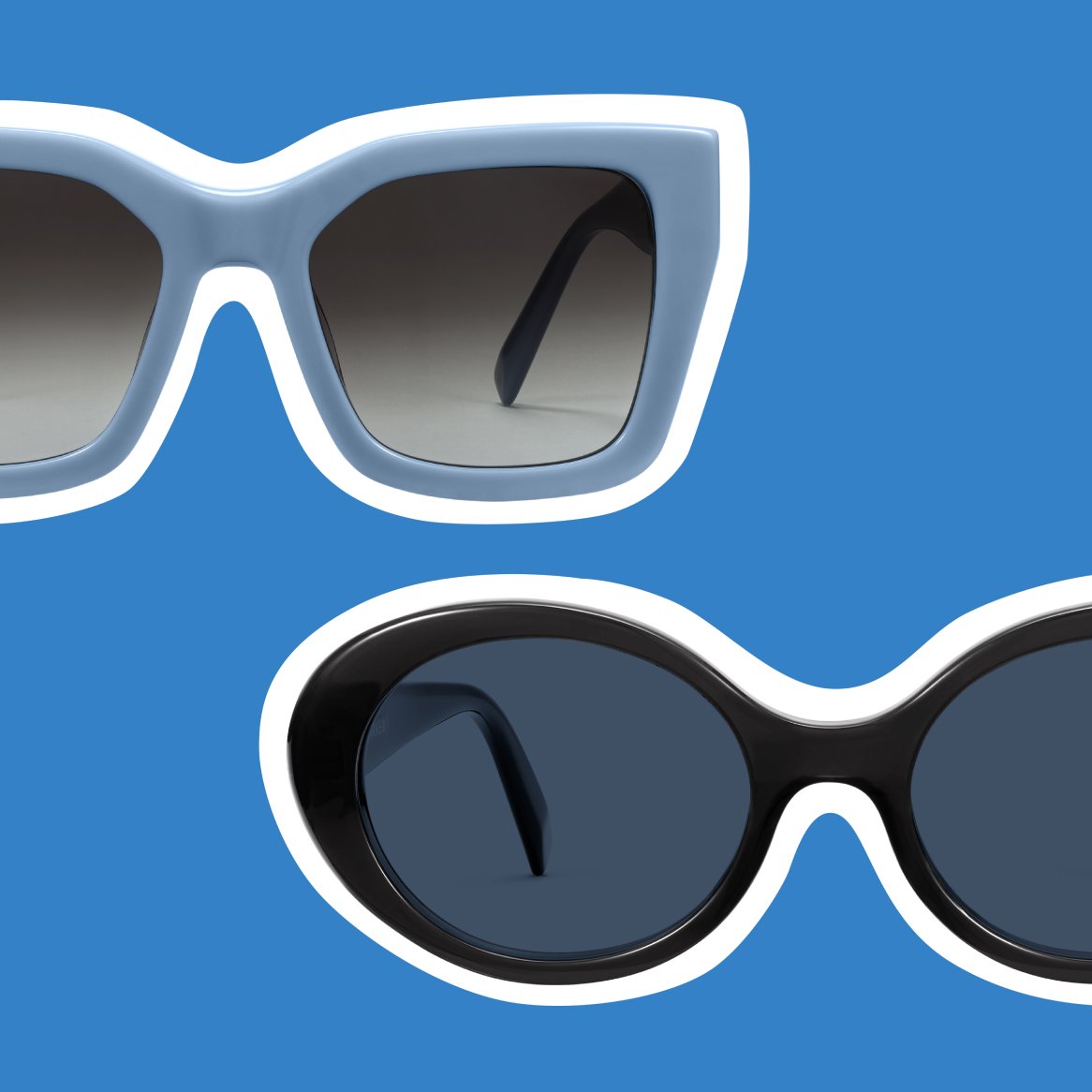
Looking to try '70s sunglasses?
Virtually find your perfect sunglasses anywhere, anytime
By the end, you’ll have a clearer sense of which everyday frame styles to focus on, which technical features might be useful for you, and how to choose a pair that feels like a natural extension of your regular glasses and is well-suited to bright light.
Why Men’s Prescription Sunglasses Are a Daily Consideration
Prescription sunglasses are more than a style choice. They combine your vision correction with lenses that are designed to filter sunlight and UV rays according to their labeled specifications, so you’re not switching between multiple pairs or compromising on seeing what’s in front of you. For people who drive, walk, or spend time outdoors regularly, they can become an easy go-to option.
Eye health is often a key consideration when choosing sunglasses. Ultraviolet (UV) light from the sun can damage your eyes and raise your risk of cataracts and certain eye conditions. Everyday UV-filtering lenses act like sunscreen for your eyes, especially if you spend hours on the road or outside.
The good news is that UV information is simple to check. Look for lenses labeled UV400 or “filters 99%-100% of UVA and UVB.” Sunglasses that filter 99% to 100% of UV rays provide meaningful protection. Lens color or darkness alone does not guarantee this, so it’s important to read the specification.
Sunglasses in a snap
We offer Clip-Ons—available in many sizes and colors—that fit our bestselling frames
Convenience is another piece. With well-chosen men’s prescription sunglasses, you can drive, step onto a work site, or sit at an outdoor lunch without swapping frames. That ease is what can turn sunglasses from an occasional accessory into a part of your everyday routine.
Everyday Styles of Men’s Prescription Sunglasses That Actually Work
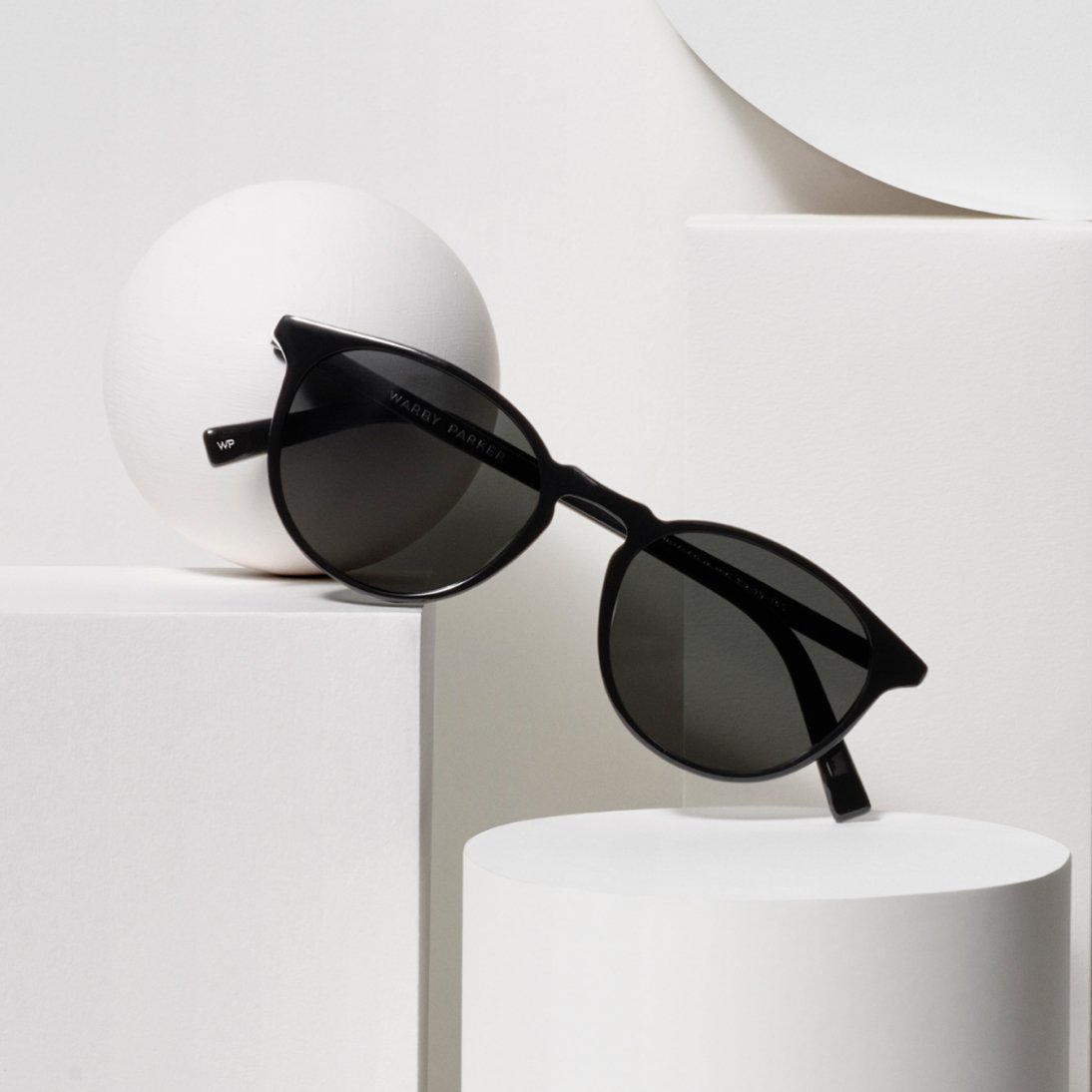
When you’re buying for everyday wear, it can be helpful to focus on shapes that are versatile and comfortable rather than strictly trend-driven. Classic rectangles are the easiest starting point: they typically suit a wide range of face shapes, sit well under caps or hard hats, and look appropriate with both office and casual clothes.
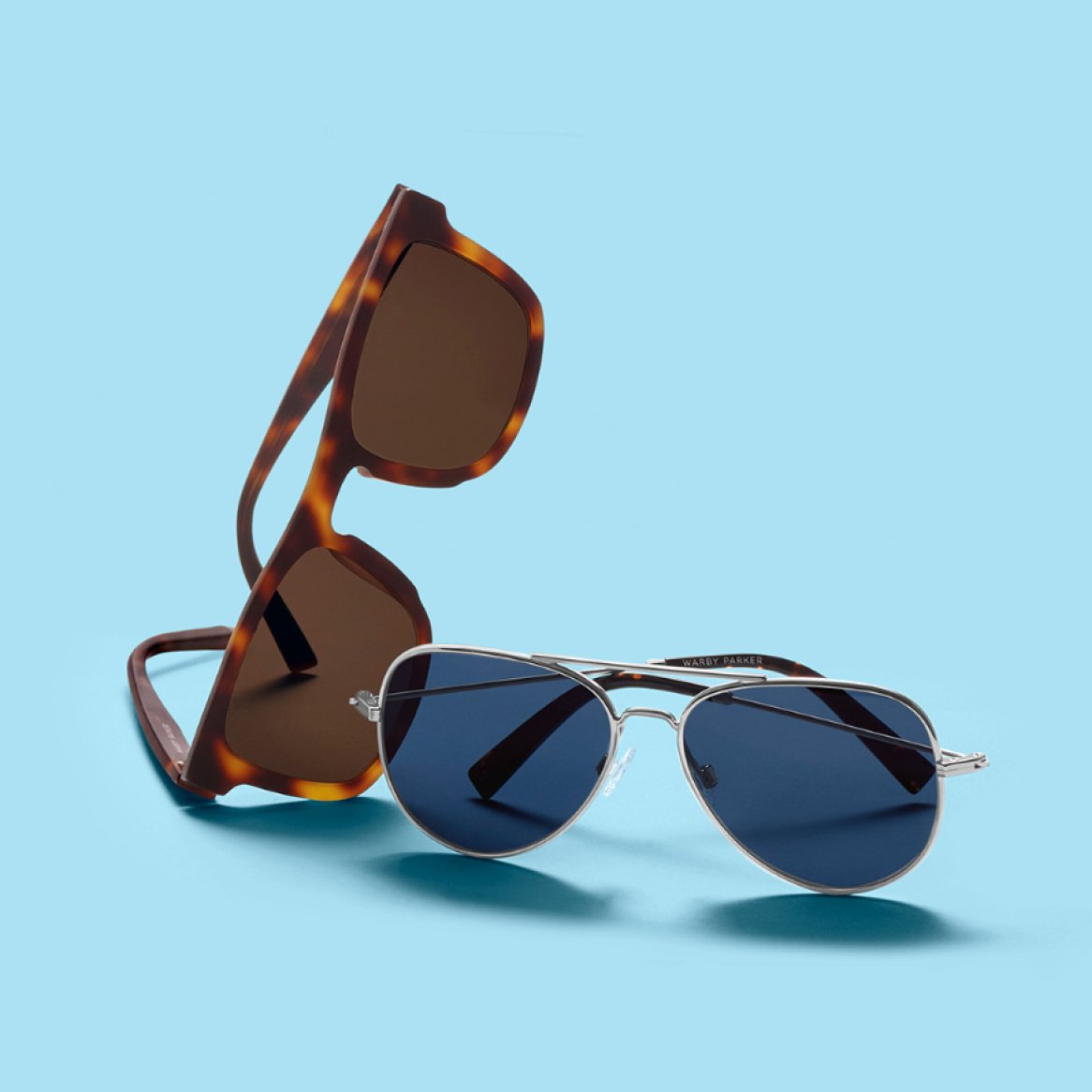
Aviator-style prescription sunglasses are another option. Their slightly larger coverage can be useful for driving and outdoor time, and the familiar double-bridge design reads as intentional without being too bold. You might choose thinner metal for a lighter feel or a subtle matte finish if you prefer a more modern look.
For people who spend long hours outdoors, wrap or semi-wrap frames provide extra side coverage, which can help limit light coming in at the edges of the frame. Wraparound sunglasses that filter both UVA and UVB rays can help protect the eyes and the surrounding skin, and that advice can also apply when you’re looking at prescription options.
Looking for sunglasses?
See how your favorite frames look on you—instantly!
If you favor a cleaner, minimalist style, low-profile sport-inspired rectangles can bridge the gap between performance-focused eyewear and everyday streetwear. Whatever style you choose, it’s a good idea to prioritize a secure yet comfortable fit at the nose and ears, so the frame stays in place when you look down, climb stairs, or check mirrors while driving.
Choosing the Right Lenses for Men’s Prescription Sunglasses
Once you know your frame style, lenses are where you can fine-tune how the sunglasses feel and function day to day. Start with material: lightweight polycarbonate or similar impact-resistant lenses are a common choice for daily wear, especially if you’re active or on-site at work. They’re often thinner than standard plastic at higher prescriptions and can feel lighter on the face for many wearers.
Next, decide whether you want polarized lenses. For many people, especially frequent drivers, this is a popular upgrade. Clinical reporting shows that polarized lenses are designed to reduce reflected light and visual glare from surfaces like roads and water. Just remember that polarization is separate from UV filtering: your lenses should indicate both if that’s what you’re looking for.
Tint color also shapes the overall feel of your men’s prescription sunglasses. Gray tints tend to keep colors relatively true and are a common default for mixed use and driving. Brown or copper tones may change how contrast appears, which some people prefer for certain outdoor activities. Very dark or mirrored finishes can be useful in intense sun but may feel dim indoors or on cloudy days, so consider where you spend most of your time.
Glare beware
Get polarized lenses with your prescription sunglasses
Key Takeaways and Next Steps for Men’s Prescription Sunglasses
Many everyday choices balance three things: UV filtering information, a frame shape that suits your face and routine, and lenses selected for the light conditions you see most. Men’s prescription sunglasses that check those boxes can support a more comfortable viewing experience in bright settings and help you maintain a consistent, pulled-together look.
A practical next step is to think about when bright conditions bother you most, then choose a classic frame style – often a rectangle, aviator, or light wrap – with UV400, impact-resistant lenses and polarization if you frequently drive or spend time near water or other reflective surfaces.
If you’re unsure between a couple of options, try them in situations that reflect your real life: at a window, on a short walk, or in the driver’s seat (without driving if you’re still deciding). Pay attention to how they sit on your nose and ears, how easy it is to see what you need to see, and how the sunglasses feel for you overall. That real-world check can help you narrow in on the pair you’re most likely to reach for every day.
Need sunglasses?
Starting at $95, with free shipping.
Legal Disclaimer
MEDICAL DISCLAIMER: This content is provided for educational and informational purposes only and is not intended as medical advice, diagnosis, or treatment. This information should not be used to replace professional medical care or consultation. Individual results may vary significantly. Always consult with a qualified healthcare provider before making any decisions about your health, vision, or medical treatment. Never disregard professional medical advice or delay seeking treatment because of information you have read on this website.
VISION CARE DISCLAIMER: Vision correction needs vary by individual. Consult an eye care professional for personalized assessment and recommendations.
FDA DISCLAIMER: These statements have not been evaluated by the Food and Drug Administration. This content is not intended to diagnose, treat, cure, or prevent any disease or medical condition.
PROFESSIONAL CONSULTATION REQUIRED: Only qualified eye care professionals can provide personalized recommendations for your specific vision needs and health conditions.
This article is for informational purposes only. It is not intended to provide medical advice or substitute for professional health services. Warby Parker complies with all HIPAA regulations regarding your health information. For personal health questions or concerns related to your vision or eyewear prescriptions, please consult a qualified healthcare provider.
Need sunglasses?
Starting at $95, with free shipping.