Prescription Aviator Sunglasses | Classic Style, Prescription Sun Lenses
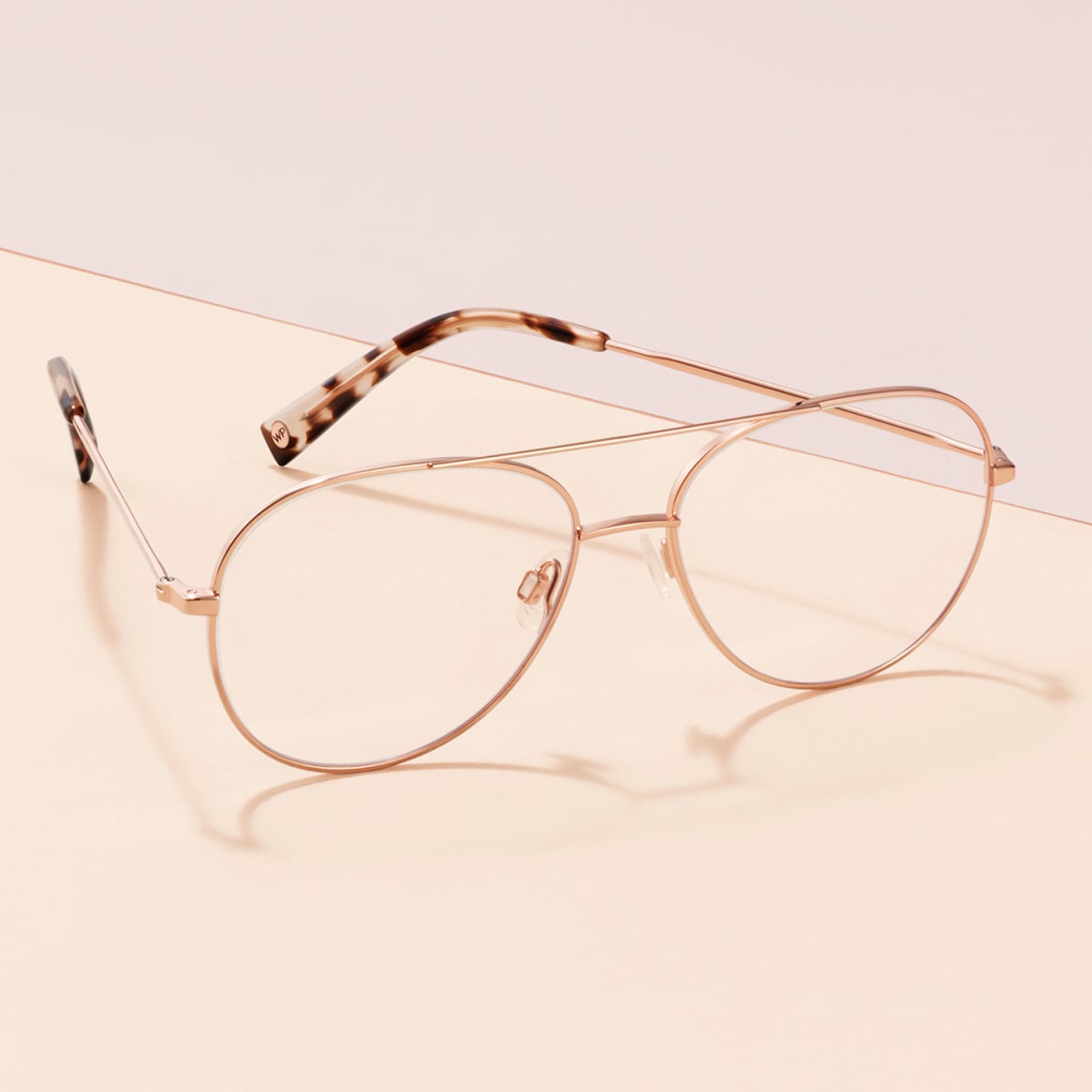
Aviator sunglasses have been iconic for decades – first in cockpits, then on city streets, and now even on beaches worldwide. But until recently, you often had to choose between that timeless look and clear vision.
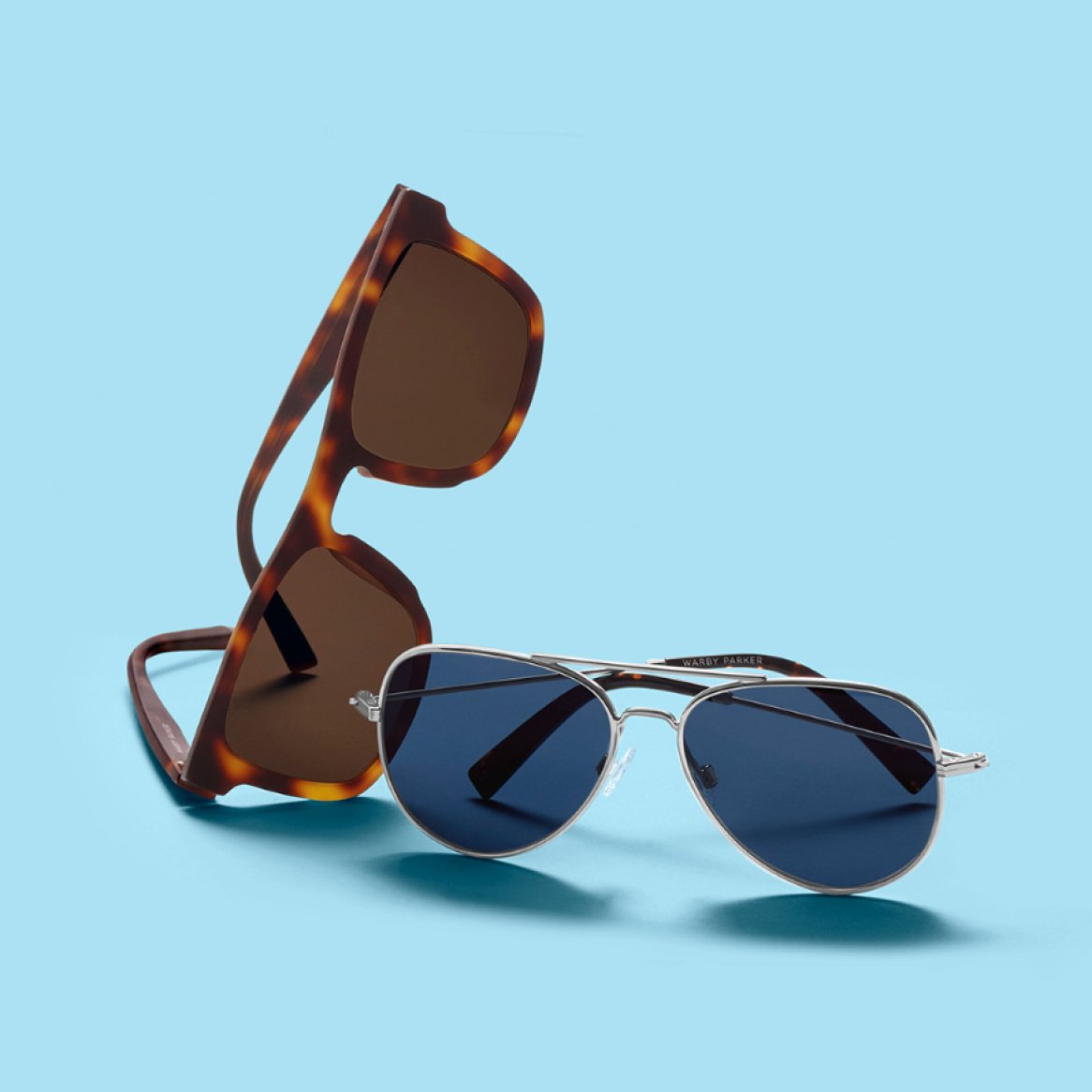
This guide is designed to help you get both. If you wear glasses and love the aviator style, prescription aviator sunglasses let you keep your signature style shape while wearing prescription sun lenses.
We’ll walk through what to look for in prescription aviator sunglasses, from lens materials and coatings to fit, coverage, and customization options, so you can invest with confidence.
By the end, you’ll know how to choose the right frame size, which lenses match your lifestyle, and how to think about style and everyday wear in one classic shape.
Glare beware
Get polarized lenses with your prescription sunglasses
Why Prescription Aviator Sunglasses Are Worth Considering
For anyone who wears glasses full-time, switching between clear frames and non-prescription sunglasses can be inconvenient. Prescription aviator sunglasses can be a convenient option by incorporating your prescription into a sun-ready frame style you already like.
They can also combine prescription sun lenses with UV-filtering options in one accessory. Public health and eye-care organizations note that sunglasses are more than a summertime fashion item, especially when they provide UV filtering and good coverage. With prescription aviators, these elements can be built into a single pair of sunglasses.
Comfort and coverage are other common considerations. Aviators typically feature larger lenses that cover more of the eye area, which can help limit bright light coming in from multiple directions. When these lenses are made to your prescription, many wearers simply prefer them to clip-ons or fit-over styles for everyday use.
Need sunglasses?
Protect those peepers from the sun’s harmful rays with 100% UV-blocking sunglasses
Style is a major part of the appeal. Aviators are widely popular and gender-neutral, with clean lines that pair with everything from casual weekend looks to more tailored outfits. With a variety of finishes, lens colors, and bridge shapes available, there are many ways to personalize this classic shape.
Key Features to Look For in Prescription Aviator Sunglasses
There are meaningful differences among aviator-style sunglasses. When you’re comparing options, it can be helpful to start with the lenses.
Many people look for prescription lenses that offer full UVA and UVB filtering. Public health guidance recommends you look for sunglasses that filter 99% to 100% of UVA and UVB rays. That benchmark applies across styles, including aviators and sport frames.
Need a new pair?
Shop our latest sun shapes and colors
Next, consider lens materials and add-ons. Lightweight polycarbonate or high-index lenses are often chosen for larger aviator shapes, particularly for higher prescriptions. Polarized options are commonly selected by people who spend a lot of time around water, snow, and roads, and anti-reflective and scratch-resistant coatings are available on many lenses.
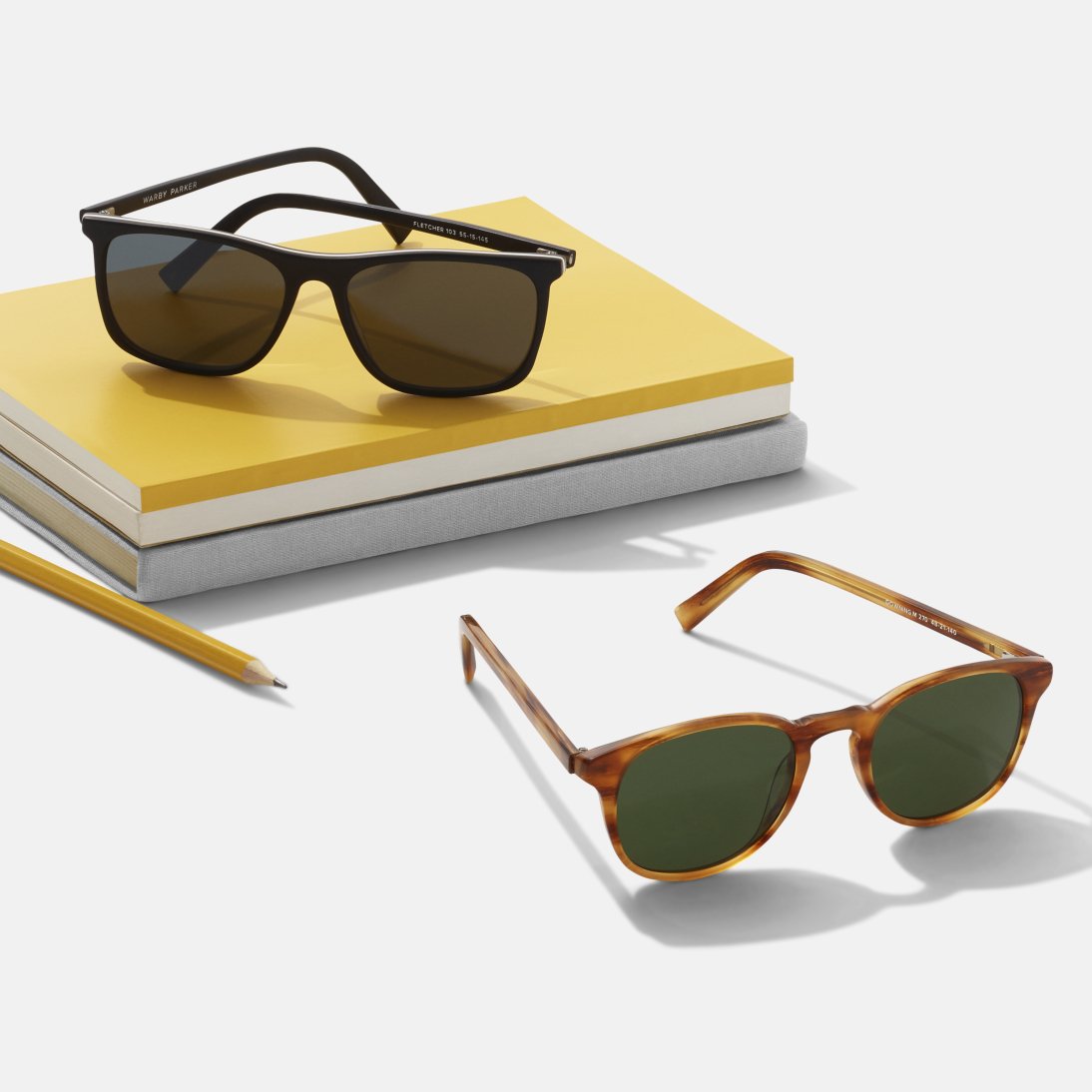
- Lens tint: Gray is often selected by people who prefer a more neutral color appearance, while brown, amber, and green tints are chosen by those who like a warmer or slightly different look.
- Fit and coverage: Many people look for a fit that feels secure at the nose and temples, with lenses that provide the level of coverage they prefer.
- Prescription range: Check that the frame and lens combination is offered for your general prescription category, including whether single-vision, multifocal, or progressive options are available.
- Everyday practicality: Think about how you plan to use them – commuting, spending time outside, or driving – and choose lens features that align with those activities.
Clean your sunglasses on the go
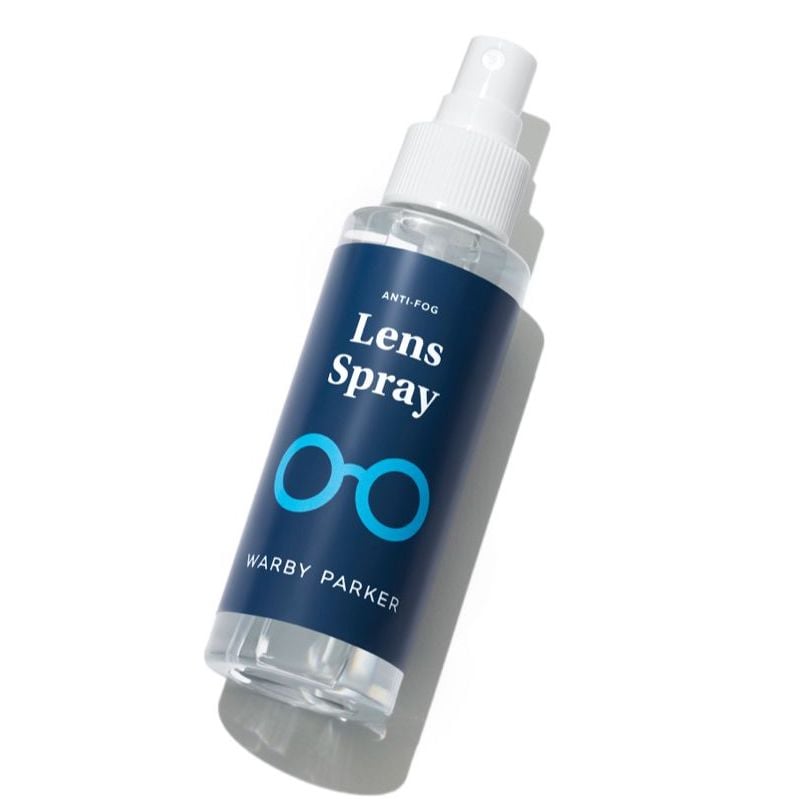
Meet our travel-size lens cleaning kit—complete with anti-fog spray, a cleaning cloth, and a handy pouch-and-cloth combo.
Finding the Right Fit, Style, and Use Case
Getting the fit right is an important part of choosing any frame. Aviators traditionally have a double bridge and teardrop lens shape; modern versions come in multiple widths, nose bridge sizes, and adjustable nose pad options. If you have a lower nose bridge or higher cheekbones, low-bridge or alternative-fit designs may help keep frames in place.
Frame material also affects how the sunglasses feel to wear. Classic metal aviators have a sleek, refined look, while lighter alloy or mixed-material designs are another option for people who prioritize a lighter-feeling frame. Many wearers prefer slightly flatter, more modern aviator shapes that still offer noticeable coverage without overwhelming smaller faces.
It can also be helpful to think about your main use cases:
- Driving: Many drivers prefer a neutral gray tint because it maintains a more neutral color appearance.
- City walking or beach days: Brown or green tints are often chosen by people who like a warmer look.
Having problems reading?
If you’re struggling to bring words into focus, visit one of our expert optometrists for help
Key Takeaways and Next Steps for Prescription Aviator Sunglasses
Prescription aviator sunglasses pair an iconic frame shape with prescription sun lenses and UV-filtering options. When you’re comparing choices, it can be helpful to focus on three areas:
1. A frame that fits your face in a way that feels secure and comfortable to you. 2. Lenses that align with your prescription type and daily activities. 3. An understanding of the level of UV filtering provided.
A practical next step is to shortlist a few aviator styles that match your size and style preferences, then compare lens options – from tint color to polarization and coatings. If possible, confirm fit with an at-home try-on or an in-person visit, and check the product details to understand the level of UVA and UVB filtering.
If you’re unsure which combination is a good fit for you, consider speaking with an eye-care professional. From there, you can return to explore more frame options, compare features, or share this guide with someone else who wears glasses and likes a classic aviator shape.
Need (or want) new glasses or sunglasses?
Virtually try on frames from home—or visit a nearby store
Legal Disclaimer
MEDICAL DISCLAIMER: This content is provided for educational and informational purposes only and is not intended as medical advice, diagnosis, or treatment. This information should not be used to replace professional medical care or consultation. Individual results may vary significantly. Always consult with a qualified healthcare provider before making any decisions about your health, vision, or medical treatment. Never disregard professional medical advice or delay seeking treatment because of information you have read on this website.
VISION CARE DISCLAIMER: Vision correction needs vary by individual. Consult an eye care professional for personalized assessment and recommendations.
FDA DISCLAIMER: These statements have not been evaluated by the Food and Drug Administration. This content is not intended to diagnose, treat, cure, or prevent any disease or medical condition.
PROFESSIONAL CONSULTATION REQUIRED: Only qualified eye care professionals can provide personalized recommendations for your specific vision needs and health conditions.
This article is for informational purposes only. It is not intended to provide medical advice or substitute for professional health services. Warby Parker complies with all HIPAA regulations regarding your health information. For personal health questions or concerns related to your vision or eyewear prescriptions, please consult a qualified healthcare provider.
Are prescription aviator sunglasses as protective as regular sunglasses?
Prescription aviator sunglasses can offer UV filtering comparable to many non-prescription sunglasses, depending on the specific lenses selected. Look at the product details to see the stated level of UVA and UVB filtering.
Can I get polarized lenses in prescription aviator sunglasses?
In many cases, yes. Polarized options are commonly available in a range of prescriptions, including some single-vision and progressive lenses. Availability can vary by retailer and lens type.
What tint is often used for prescription aviator sunglasses worn while driving?
Many drivers prefer a neutral gray tint because it maintains a more neutral color appearance. Your preference may vary based on how you like your surroundings to look through your lenses.
Do I need UV filtering in aviator sunglasses?
Public health and eye-care organizations note that ongoing UV exposure is associated with potential eye damage, and many people therefore look for sunglasses that filter 99% to 100% of UVA and UVB rays. Review product information to understand the level of UV filtering provided.
Can high prescriptions be used in aviator-style sunglasses?
In many cases, yes – particularly with lighter, thinner lens materials. However, very high prescriptions may work well with certain frame and lens combinations. An eye-care provider can help you understand what options are appropriate for your prescription.
Need sunglasses?
Starting at $95, with free shipping.