Prescription Sunglasses for Driving: An Informational Guide
No matter whether you drive for mostly pragmatic reasons – getting to work, running errands – or for the sheer fun of being out on the road, sunglasses can help improve comfort and reduce glare while driving, especially for people who need vision correction.
This article explains key features to know about when choosing prescription sunglasses for driving, so you are not relying on lens myths or marketing claims.
We will outline common features in prescription sunglasses for driving, how they relate to comfort and visibility, and which ones are more about personal preference or style.
We’ll cover how to think about tint, polarization, coatings, and fit, and when sunglasses are generally used for driving during the day.
Need (or want) new glasses or sunglasses?
Virtually try on frames from home—or visit a nearby store
What to Know About Prescription Sunglasses and Driving
One key consideration is UV filtering. Long hours on the road can mean ongoing sun exposure, including light reflected off pavement and car hoods. Long-term UV exposure increases the risk of cataracts and other eye damage, and public health and eye care organizations commonly recommend sunglasses that filter 100% of UVA and UVB rays.
Another factor is how much light the lenses screen out. For daytime driving, many people look for lenses that dim bright sunlight without making the surroundings feel too dark when passing through shade or tunnels.
Looking to try '70s sunglasses?
Virtually find your perfect sunglasses anywhere, anytime
Polarization is another commonly used feature. It is designed to reduce reflected glare from flat surfaces like roads and water. Research on polarizing filters shows they can reduce disabling glare from reflected light in strong sunlight.
An up-to-date prescription also matters. Distance vision plays a role in tasks like reading road signs and estimating distance while driving. Using sunglasses made with a current prescription, along with features like UV filtering, tint, and polarization, can offer a more tailored experience.
Lens Colors and Features for Driving Sunglasses
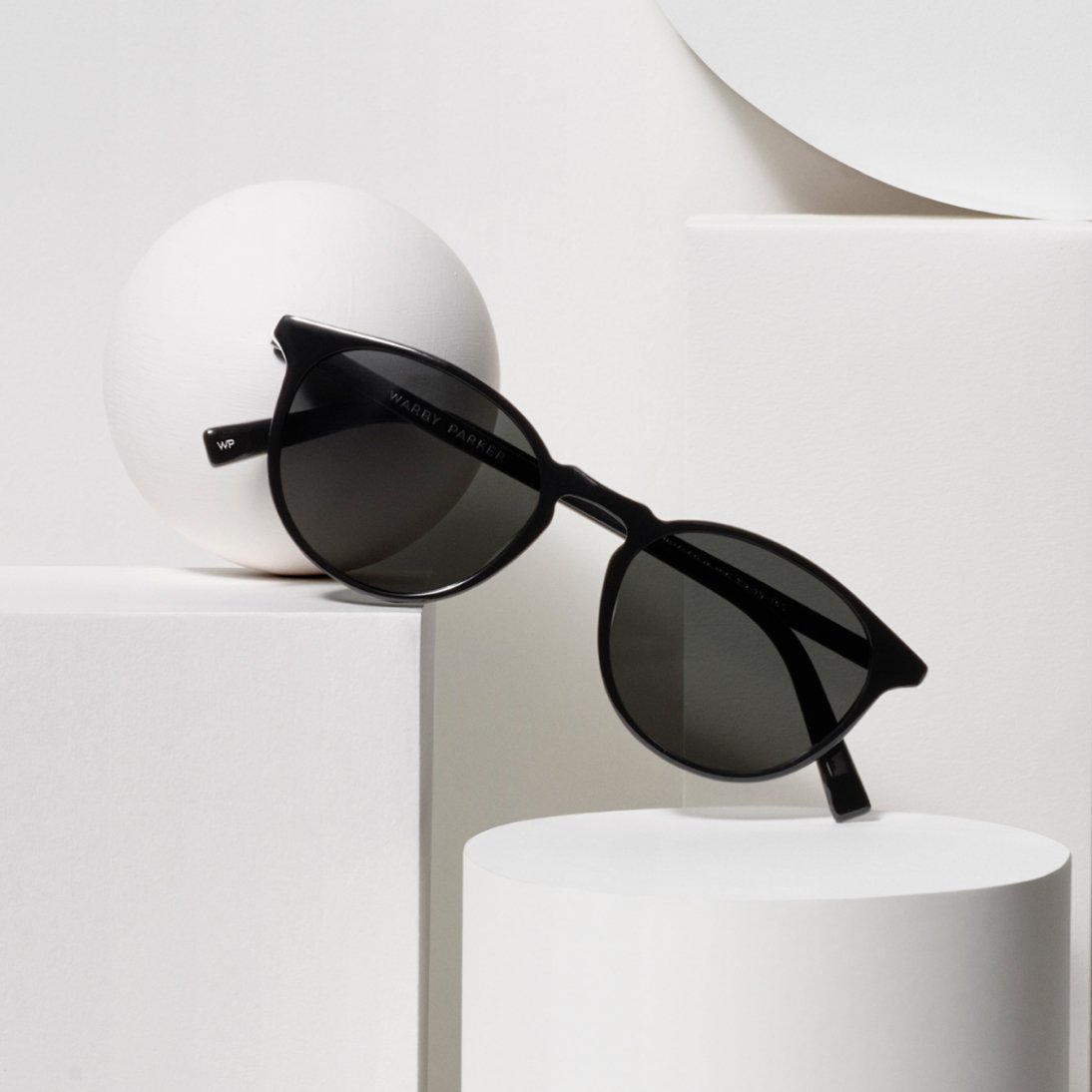
Lens color can affect how you perceive brightness and color. Neutral gray is a common choice for prescription sunglasses for driving because it darkens overall brightness without strongly shifting colors, so traffic lights, brake lights, and road signs can appear closer to their natural colors.
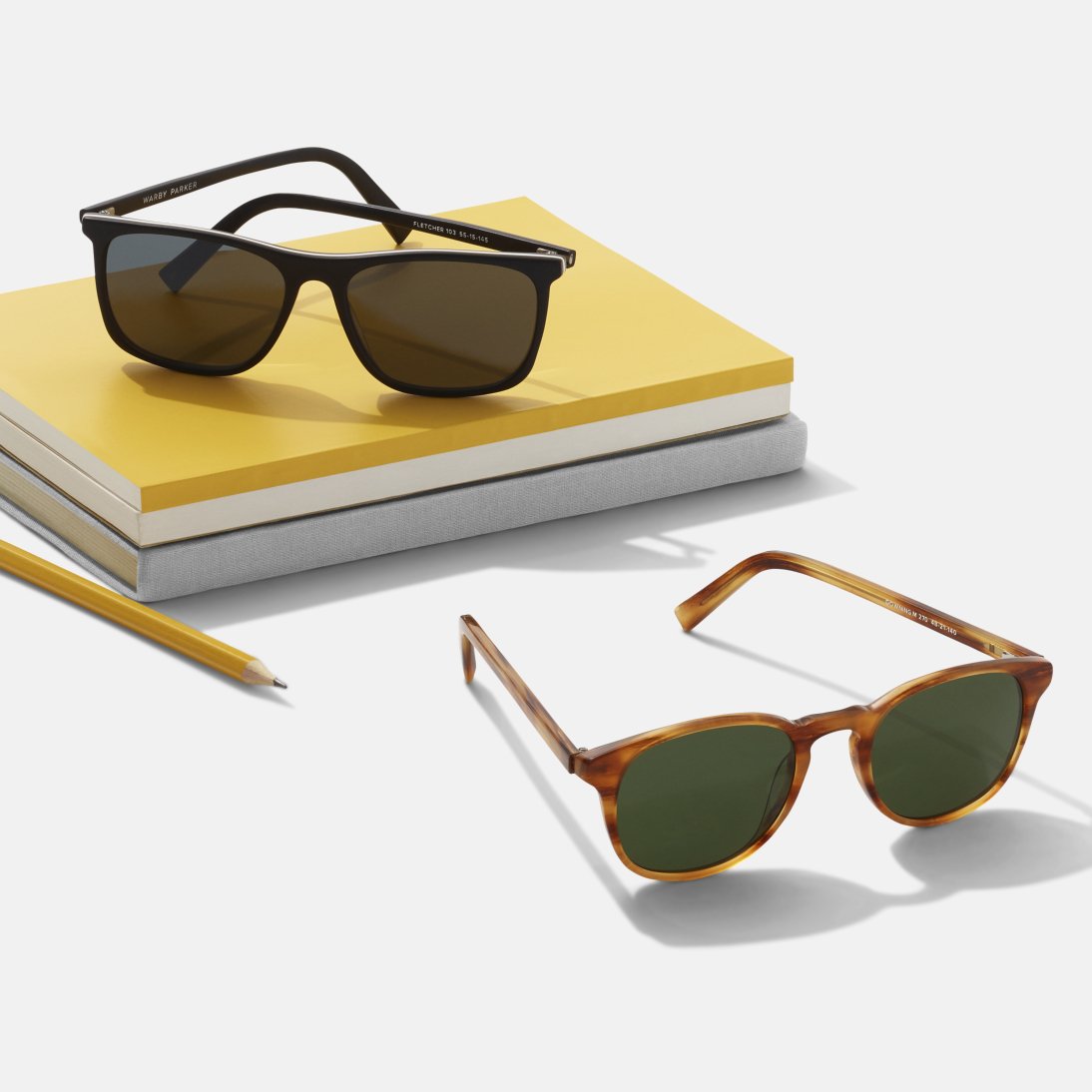
Brown or copper tints are sometimes chosen by drivers who prefer a slightly warmer view, and some people feel these tints offer a different sense of contrast, especially on hazy or partly cloudy days. However, extremely dark or very high-contrast tints can feel uncomfortable in mixed light, such as when you move quickly between sun and shade.
- Gray: A widely used all-purpose choice with relatively minimal color shift.
- Brown/Copper: A warmer look that some people feel changes how contrast appears, particularly in variable light.
- Green: Another option that some wearers like for its look and overall balance, though it may be chosen less specifically for driving.
For coatings, an anti-reflective coating on the back surface of the lenses is designed to reduce reflections from light coming in behind you, such as when the sun is low or when vehicles behind you have bright headlights during dusk.
Photochromic lenses that change tint outdoors can be convenient, but many do not reach their darkest state behind a car windshield because some UV light is filtered by the glass. If you are thinking about them, you can ask your eye care professional how a specific lens option is expected to behave in a car, and whether a dedicated pair of prescription sunglasses might make sense for the way you spend time outdoors.
Looking to try on sunglasses?
Vitually try on frames in the comfort of your own home
When (and When Not) to Wear Prescription Sunglasses for Driving
Prescription sunglasses are generally used for daytime driving in bright or high-glare conditions: mid-morning to late afternoon on sunny days, long highway trips, and situations with strong reflections from water, glass, or snow. In these scenarios, features like polarization and certain tints are often chosen by drivers who want the view through their lenses to feel more comfortable.
They are also commonly used in early morning and late afternoon when the sun sits low on the horizon. Glare at these times can feel intense and may affect how the road looks. Some drivers choose to use a car’s sun visor together with sunglasses, including polarized options, for additional comfort.
However, tinted lenses are generally not intended for night driving. Any tint reduces the amount of light reaching your eyes, and low-light situations typically call for as much usable light as possible. Studies of yellow “night driving” glasses have not shown meaningful improvement in how people detect objects at night and suggest that additional tint can further dim the scene.
Glare beware
Get polarized lenses with your prescription sunglasses
At night, most guidance suggests using a clear, up-to-date prescription with a quality anti-reflective coating instead of sunglasses. Keeping your windshield and lenses clean, dimming dashboard lights when possible, and adjusting side mirrors to reduce direct headlight reflections are additional steps some drivers use to reduce distractions at night. Reserve your prescription sunglasses for driving during the daytime, when there is enough light for tints to be appropriate.
Key Takeaways and Next Steps for Driving Sunglasses
Many prescription sunglasses for driving include a combination of features such as full UV filtering, a chosen tint density, and options like polarization and reflection-resistant coatings, all based on a current prescription. Features such as neutral gray or brown lenses, lenses that fall within commonly recommended tint ranges, and polarized filters are often selected by people who want their sunglasses to feel comfortable in bright conditions and in changing light.
If you are considering prescription sunglasses for driving, one next step is to schedule an eye exam or lens consultation and discuss your typical driving patterns – daily commute, long highway trips, or occasional weekend use – and other ways you spend time outdoors. An eye care professional can review lens color, polarization, and coatings and how they may align with how and where you drive.
If you have questions about certain tints, coatings, or whether your current sunglasses are appropriate for driving, speak with your provider or share this guide and ask which general recommendations apply in your situation.
Want to protect your eyes from glare?
Try polarized sunglasses
Legal Disclaimer
MEDICAL DISCLAIMER: This content is provided for educational and informational purposes only and is not intended as medical advice, diagnosis, or treatment. This information should not be used to replace professional medical care or consultation. Individual results may vary significantly. Always consult with a qualified healthcare provider before making any decisions about your health, vision, or medical treatment. Never disregard professional medical advice or delay seeking treatment because of information you have read on this website.
VISION CARE DISCLAIMER: Vision correction needs vary by individual. Consult an eye care professional for personalized assessment and recommendations.
FDA DISCLAIMER: These statements have not been evaluated by the Food and Drug Administration. This content is not intended to diagnose, treat, cure, or prevent any disease or medical condition.
PROFESSIONAL CONSULTATION REQUIRED: Only qualified eye care professionals can provide personalized recommendations for your specific vision needs and health conditions.
This article is for informational purposes only. It is not intended to provide medical advice or substitute for professional health services. Warby Parker complies with all HIPAA regulations regarding your health information. For personal health questions or concerns related to your vision or eyewear prescriptions, please consult a qualified healthcare provider.
Are polarized prescription sunglasses useful for driving?
Polarized lenses are designed to reduce certain types of glare from roads and hoods in bright sunlight. They are not required, but many drivers say they like how polarized lenses look and feel in those conditions.
Is there a commonly used lens color for prescription sunglasses for driving?
Gray is a widely used all-around choice because it darkens light without strongly changing colors. Brown or copper are alternatives that some drivers prefer for their overall look and feel.
How dark should driving sunglasses be?
For daytime, sunglasses that screen out about 75-90% of visible light are commonly referenced in public guidance. This general range is intended to reduce brightness while still allowing visual details to remain usable in many daytime conditions. An eye care professional can offer input on which options are typically suggested for different environments.
Can I use prescription sunglasses for night driving?
Tinted lenses reduce the amount of light that reaches your eyes, which is generally not recommended for night driving. Most guidance suggests using clear lenses with an up-to-date prescription and, if desired, an anti-reflective coating at night instead.
Do I need UV filtering if I mostly drive?
UV rays can reach your eyes through and around windows, and pavement can reflect additional light. Public health sources note that consistent UV filtering is recommended to help reduce cumulative UV exposure to the eyes over time.
Need sunglasses?
Starting at $95, with free shipping.