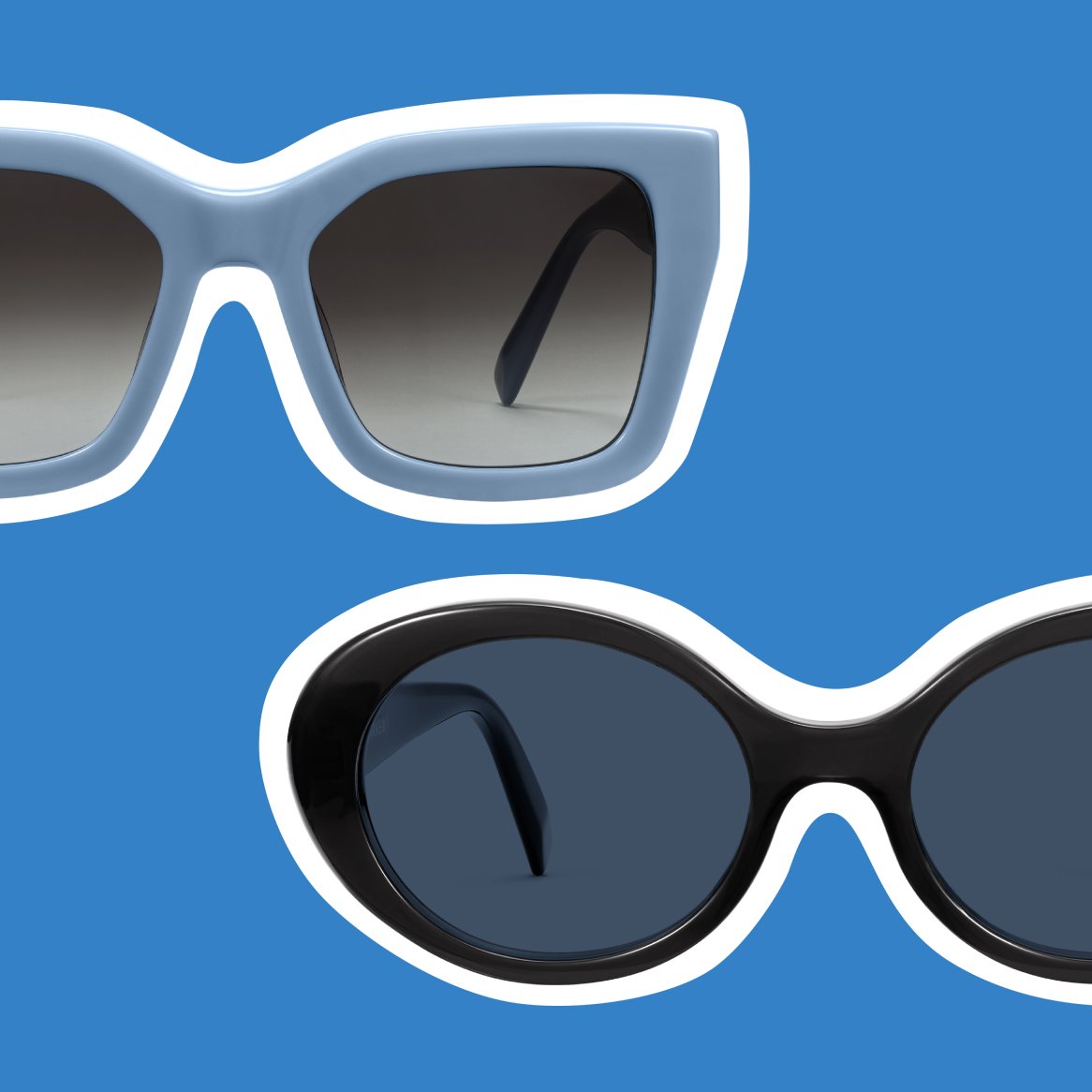
Retro Sunglasses: Vintage Shapes for Modern Life
Accessories complement or even change an outfit. And some, like retro sunglasses, change the entire attitude behind that outfit. The right vintage-inspired frames can add polish to a T-shirt, sharpen a tailored suit, or give weekend basics a quietly cinematic edge.
This guide is designed to help you navigate retro sunglasses with confidence, whether you are updating a basic pair or building a small rotation of styles that feel uniquely yours.
We will break down the most iconic retro sunglasses shapes, how to think about pairing them with your face shape, and what to look for in lens labels and UV information so your choice looks good and works for your day-to-day routine.
Protect those peepers
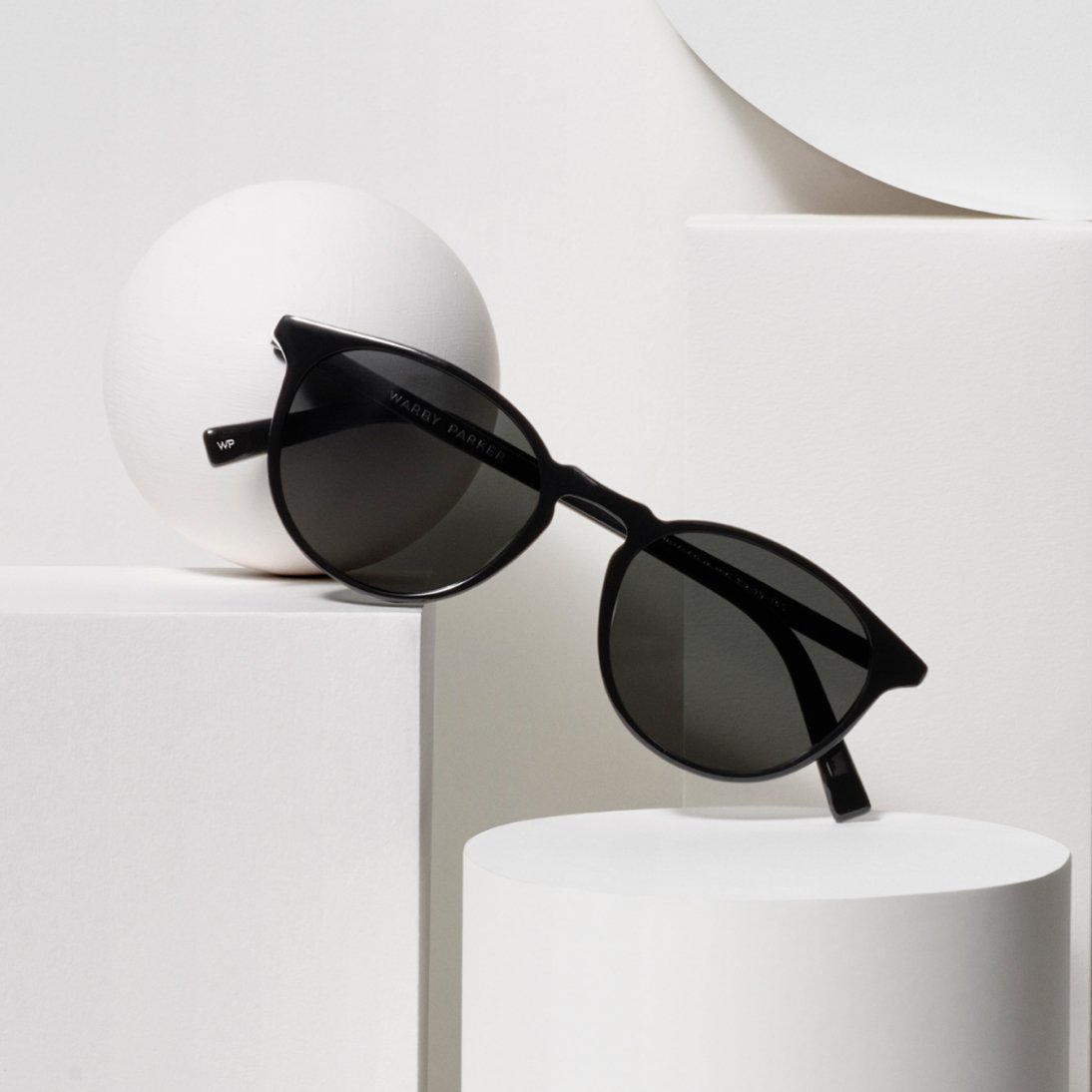
Our sunglasses provide 100% UV protection
By the end, you will have a clearer sense of which silhouettes you prefer, how to balance trend and timelessness, and how to choose frames that offer UV labeling you can review alongside style and everyday practicality.
Retro Sunglasses 101: Why Vintage Shapes Still Matter
Retro frames endure because they have been worn across decades of fashion and pop culture. From early Hollywood stars turning sunglasses from functional accessories into a fashion statement to today’s street-style photos, certain shapes show up again and again.
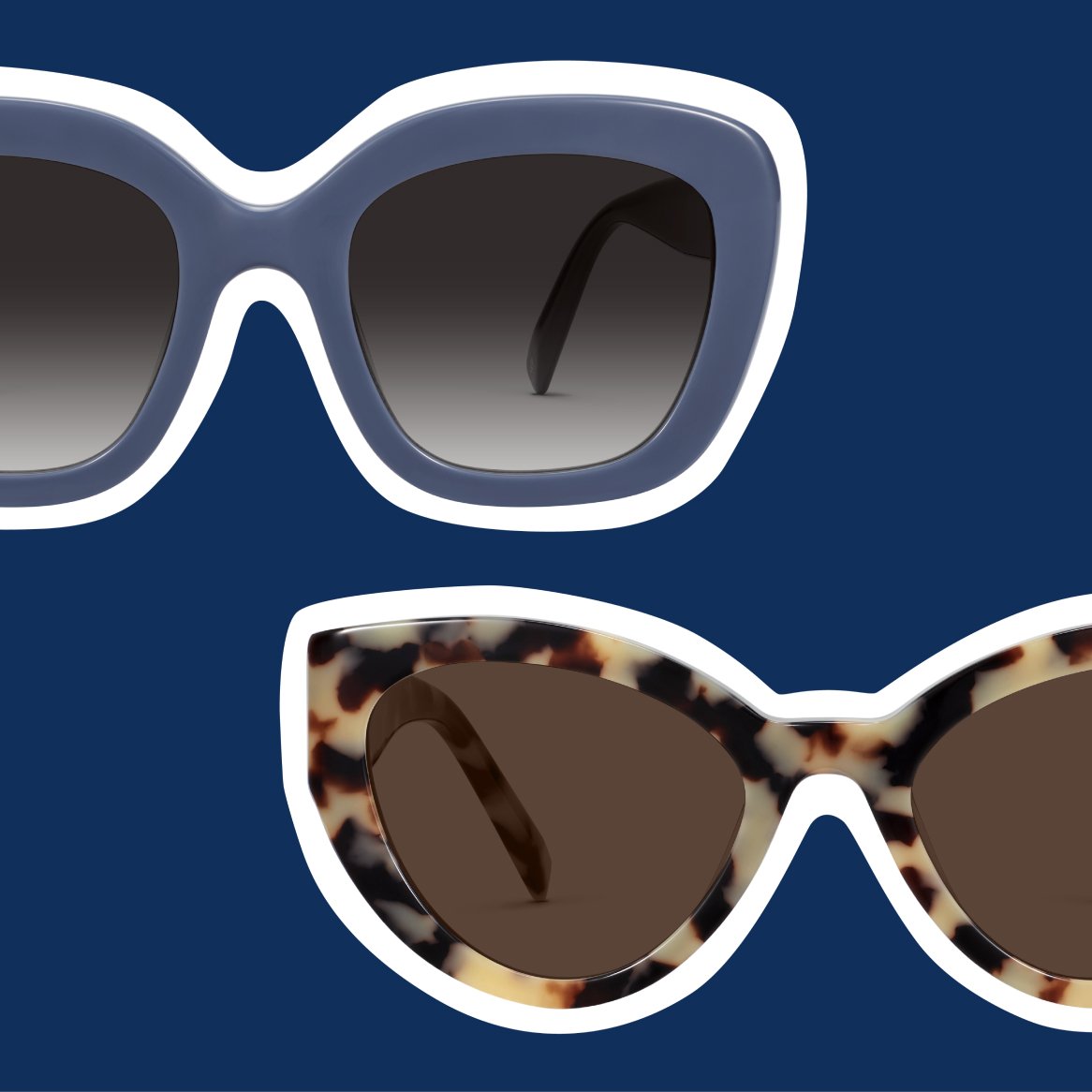
Cat-eyes, aviators, wayfarer-style frames, and round lenses each carry their own mood: playful, streamlined, artistic, or quietly classic. Choosing a retro silhouette is less about costume and more about deciding what you want your everyday look to say.
Many of these designs also have roots in specific use cases: pilots wore certain styles for bright skies, motorists leaned toward wider coverage, and actors used oversized shades for a bit more privacy. That history makes them easy to adapt to modern commuting, busy days, and outdoor time.
Looking to try '70s sunglasses?
Virtually find your perfect sunglasses anywhere, anytime
Today’s retro-inspired sunglasses often combine that heritage with updated materials, lighter weights, and lenses that may be labeled UV400, so you can get character along with contemporary features and construction.
Finding Your Shape: Retro Sunglasses for Every Face
Start with your face shape, not the trend cycle. As a general styling guideline, contrast can be flattering: softer faces often pair well with a bit of structure, while angular features can look great with rounder or more curved frames.
If your face is round or oval, you might explore geometric wayfarer-style frames or sharp cat-eyes. The clean lines and lifted corners add definition and create a more structured look around the cheek area. Square faces, on the other hand, usually pair well with round or softly rounded square lenses that echo the boldness of your jaw without exaggerating it.
- Round and oval faces: Wayfarer-style frames, bold cat-eyes, flat-top aviators.
- Square and angular faces: Round metal frames, teardrop aviators, soft square acetates.
- Heart-shaped faces: Medium cat-eyes, slim rounds, lightly bottom-heavy frames.
- Wider or larger faces: Oversized ’70s-style squares and larger aviators for balance.
Fit matters as much as shape. Frames should sit comfortably on the bridge of your nose, with temples resting lightly without pinching. Retro designs often feature thicker temples or bolder browlines, so make sure they feel balanced: if you see more frame than face in the mirror, you might size down or choose a slimmer silhouette.
Protect those peepers!
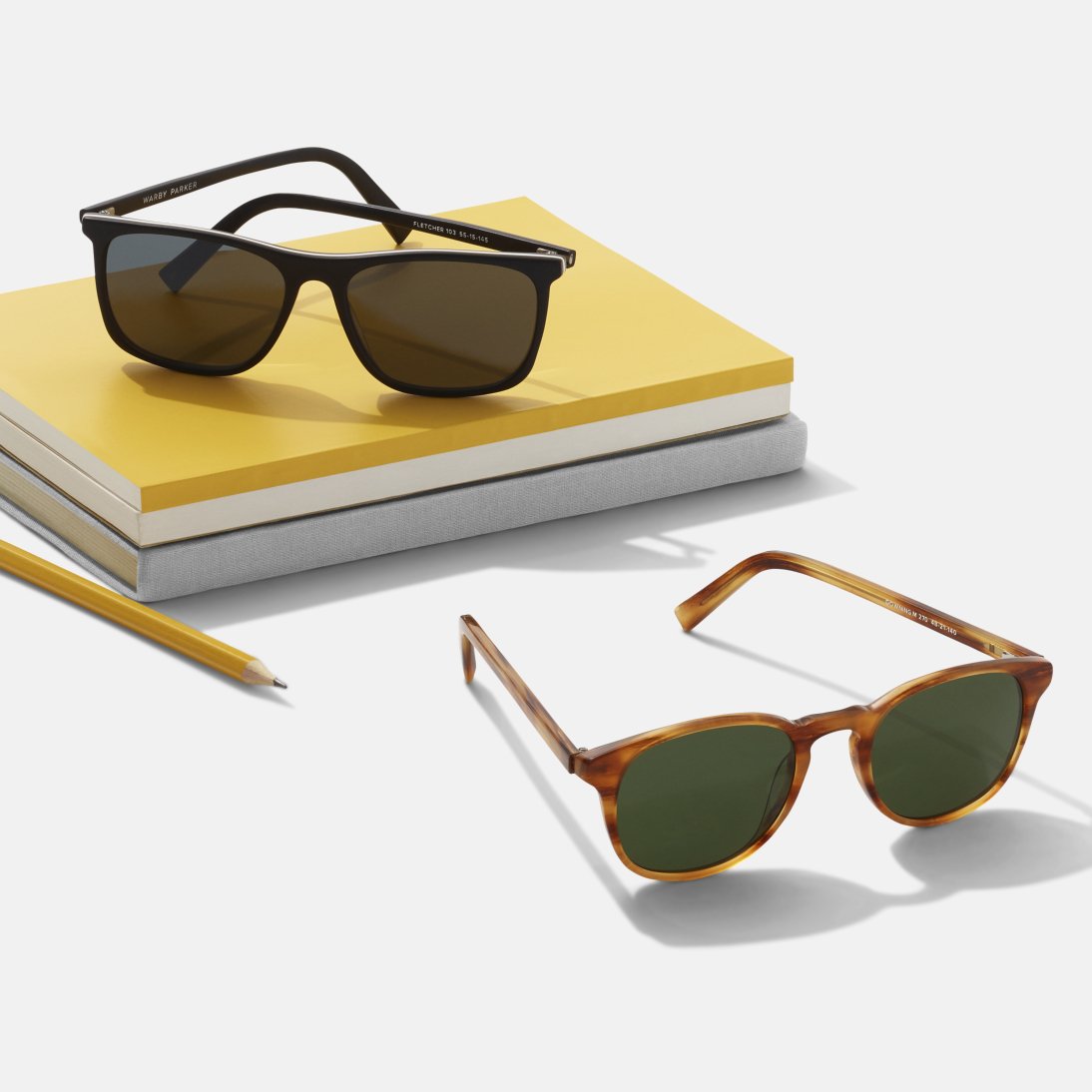
Our sunglasses come with a scratch-resistant coating and block 100% of UV rays
Style Meets Protection: Lenses, UV, and Everyday Use
Retro sunglasses can be labeled for UV filtering in addition to complementing your outfit. Darkness alone does not indicate how much UV light the lenses are designed to filter, so checking the label is key.
Lens color is largely about personal preference and appearance. Neutral gray tends to keep colors looking closer to how they appear without sunglasses, brown and amber add warmth, and green offers a balanced, vintage feel. Polarized lenses are often chosen to reduce glare from water, glass, and roads, and many people find them helpful if they drive frequently or spend time near reflective surfaces.
Coverage can influence how much light reaches your eyes. Oversized ’70s-inspired squares and subtle wrap silhouettes provide more physical coverage around the eye area than very small lenses. Choose frames that sit close enough to your face to minimize large gaps, without the lenses touching your lashes.
Glare beware
Get polarized lenses with your prescription sunglasses
Many public health and eye-care organizations note that UV rays are present even on many cloudy days. For that reason, people often choose to wear sunglasses regularly throughout the year, treating them as an everyday accessory they reach for along with their keys or phone.
Key Takeaways and Next Steps with Retro Sunglasses
Choosing retro sunglasses is about more than chasing a trend; it is about finding a silhouette that expresses your style, fits your face comfortably, and includes lenses that are labeled for UV filtering.
A simple approach:
- Shape and fit: Identify one or two frame families that seem to work with your face shape.
- Lens labels: Look for UV information and any other features that matter to you.
- Frame details: Consider frame color, finish, and lens tint.
Your next move is simple: shortlist one or two shapes that match your face type, then compare a few options within those families, perhaps a classic aviator alongside a soft square, or a sharp cat-eye next to a rounded frame, to see what feels most natural for daily wear.
If you are still unsure, explore style guides, virtual try-on tools, and customer photos to see how different retro silhouettes show up on a range of faces. From there, you can choose one pair that fits securely, feels good to wear, and aligns with your personal style.
Sunglasses have come a long way
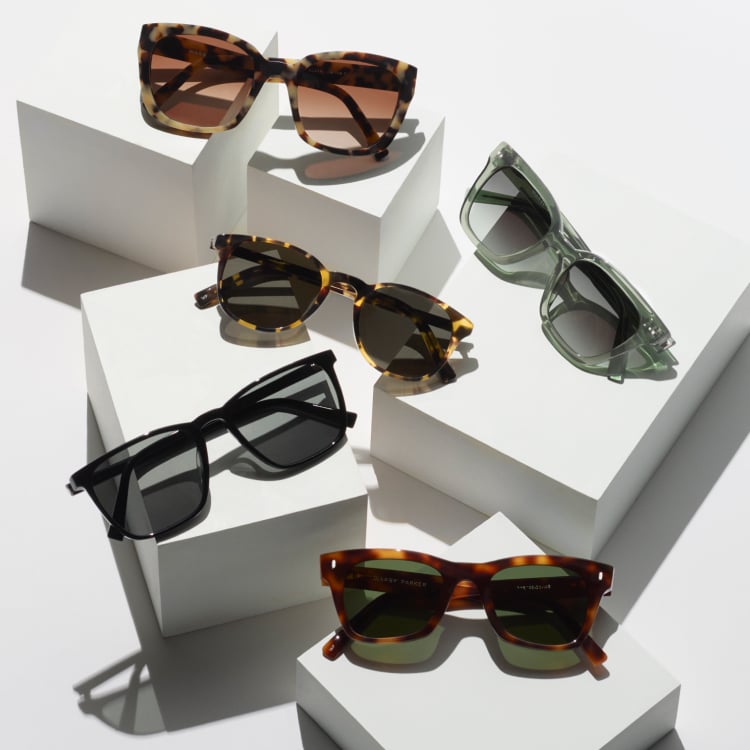
We have endless shapes and colors to choose from
Legal Disclaimer
MEDICAL DISCLAIMER: This content is provided for educational and informational purposes only and is not intended as medical advice, diagnosis, or treatment. This information should not be used to replace professional medical care or consultation. Individual results may vary significantly. Always consult with a qualified healthcare provider before making any decisions about your health, vision, or medical treatment. Never disregard professional medical advice or delay seeking treatment because of information you have read on this website.
VISION CARE DISCLAIMER: Vision correction needs vary by individual. Consult an eye care professional for personalized assessment and recommendations.
FDA DISCLAIMER: These statements have not been evaluated by the Food and Drug Administration. This content is not intended to diagnose, treat, cure, or prevent any disease or medical condition.
PROFESSIONAL CONSULTATION REQUIRED: Only qualified eye care professionals can provide personalized recommendations for your specific vision needs and health conditions.
This article is for informational purposes only. It is not intended to provide medical advice or substitute for professional health services. Warby Parker complies with all HIPAA regulations regarding your health information. For personal health questions or concerns related to your vision or eyewear prescriptions, please consult a qualified healthcare provider.