Second Opinion Eye Exam: When to Book One
If your last eye exam left you with a new prescription, a recommendation for upgraded lenses, and a total cost that somehow seemed to grow while you were standing at the counter, it’s perfectly reasonable to take a step back. Wanting to understand your options before making a decision doesn’t make you difficult or indecisive. It makes you someone who cares about getting the right solution for your vision, your lifestyle, and your budget.
Many people assume they’re supposed to make every decision immediately. Yet vision care often involves several separate choices: the prescription itself, the type of lenses, the frames, specialized coatings or features, and the overall investment. When all of those decisions arrive at once, it’s not unusual to leave feeling as though you’ve agreed to things you haven’t fully had time to evaluate.
That’s one reason second opinions can be valuable. A second eye exam or consultation can provide additional perspective when a prescription feels surprising, a lens recommendation seems unclear, a frame doesn’t feel quite right, or the final price leaves you wondering whether there are other paths to the same outcome. Sometimes the second opinion confirms the original recommendation. Other times it provides new information, alternative options, or simply the confidence that comes from hearing the explanation twice.
Not sure which glasses to get?
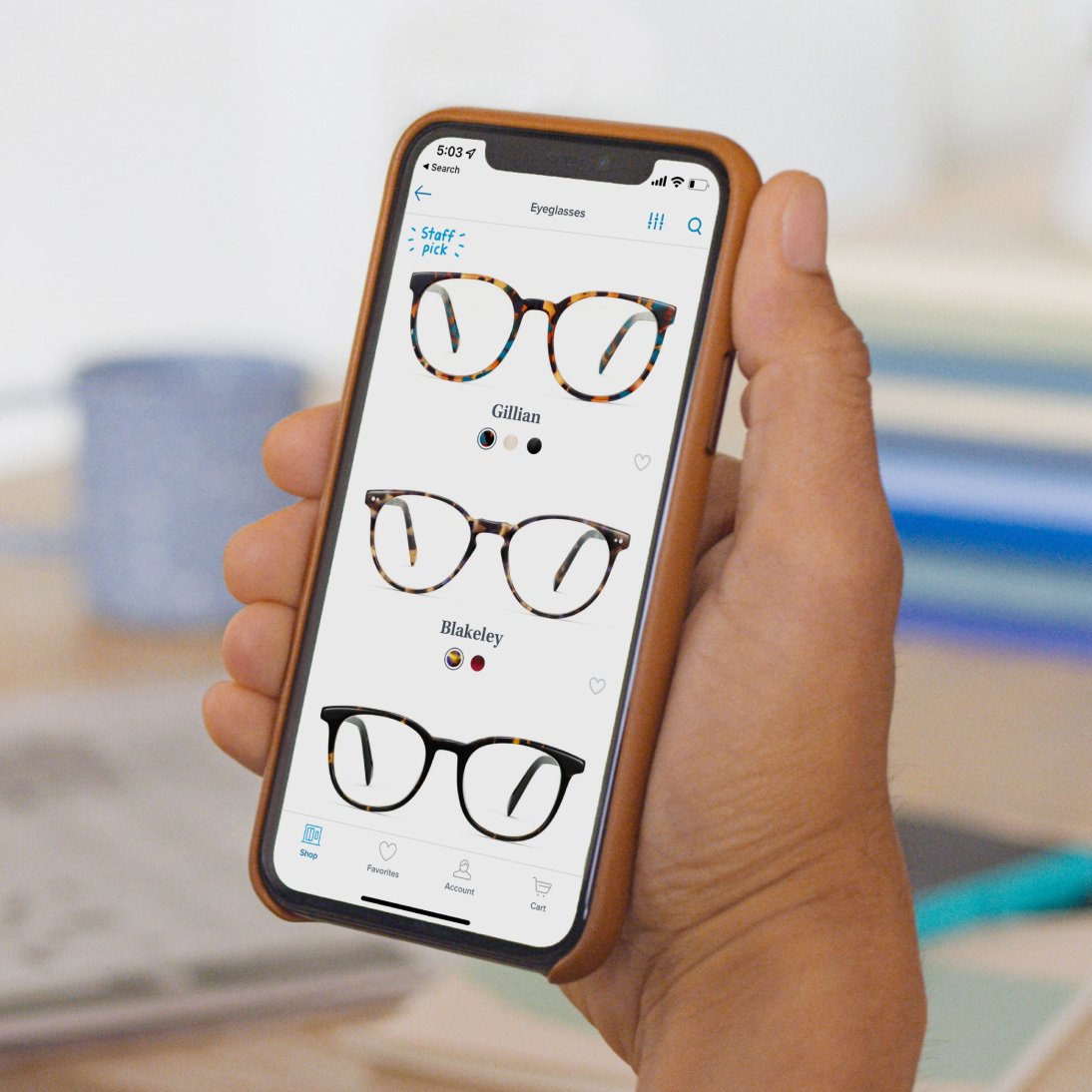
Try on frames virtually, right now
The important thing is remembering that clearer vision is the goal, not rushing a decision. If something about the prescription, lens choice, frame fit, or overall experience still feels unsettled, asking more questions or seeking another professional opinion is a normal part of making an informed choice.
When a Second Opinion Eye Exam May Be Worth the Pause
A second opinion eye exam may make sense if your prescription changed more than expected, your new glasses still feel uncomfortable after some wear time and adjustment, or the lens recommendation wasn’t clearly explained.
It can also help if you were offered progressive lenses, photochromic lenses, anti-reflective coating, or other options without understanding why they fit your routine. The point isn’t to challenge anyone for sport. It’s to confirm what your eyes need before you commit.
If you notice sudden, severe, or concerning vision changes, contact an eye care professional promptly.
Not sure which glasses to get?
Vitually try on frames in the comfort of your own home
Don’t Blame the Prescription Too Fast: Rx, Lens, or Fit?
“My glasses feel off” is a useful clue, but it’s not a full confession. Sometimes the prescription needs review. Sometimes the lenses are behaving differently than expected. Sometimes the frame is sitting a little rogue on your face.
Prescription questions may involve consistently unclear distance or near vision, or an update that doesn’t seem to match the tasks you described. Lens questions can come up with progressives, which use different viewing zones, or with treatments like anti-reflective coating, which can reduce glare on lenses but doesn’t change your Rx.
Fit matters, too. Frame width, bridge fit, temple length, lens height, pupillary distance accuracy, and lens placement can affect comfort and usability. Before assuming the whole prescription is wrong, ask what actually needs checking.
Second Opinion Checklist:
- What changed? New Rx, lens type, frame shape, price, or all of the above.
- What feels off? Blur, distortion, slipping, pressure, glare, or confusion about options.
- What needs confirming? Rx accuracy, lens type, frame fit, lens placement, or total price.
What to Bring and Ask Before You Book Again
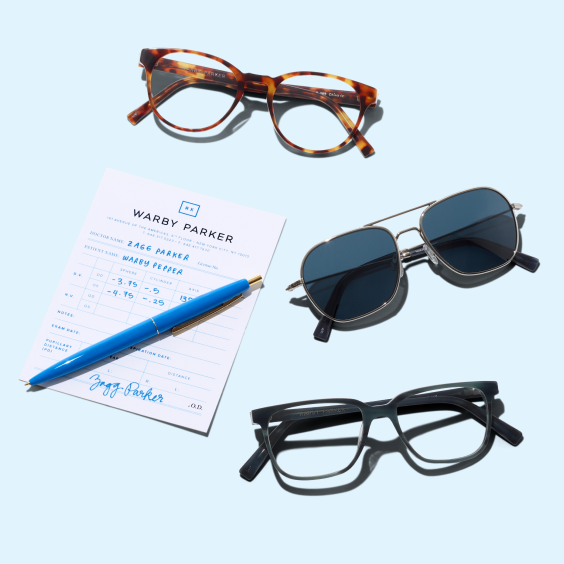
Bring your current prescription, current glasses, any new pair that feels off, notes about when the issue happens, and any quote you received. If vision benefits or payment questions are part of the stress spiral, bring those, too.
Good questions are wonderfully un-fancy: What changed in my prescription? Is this recommendation about my Rx, lens type, frame fit, or daily use? If progressives are recommended, what should I expect? Which lens options are essential, and which are preferences? What’s included, and what costs more?
Is it time for new glasses?
Our prescription glasses start at $95 with free shipping
Sometimes all you need is a clearer explanation.
From “I’m Not Sure” to Glasses Confidence
Once your prescription feels settled, you still need frames and lenses that work for your face, style, and day-to-day life. Warby Parker can help with bookable eye exams in stores where available, store fittings, frame adjustments, lens guidance, and Virtual Try-On.
Most Warby Parker prescription eyeglasses start at $95, with single-vision lenses included. Progressives, some prescriptions, specialty lenses, and certain treatments may cost more, and you’ll be able to review options before checkout.
Think of the second opinion as a reset button: confirm the Rx, understand the lenses, check the fit, then choose the pair you actually want to wear.
Did you know?
You can order our frames as readers or with non-prescription lenses at no additional cost
Choosing Your Next Pair Without the Pricing Scavenger Hunt
Back to that moment after the appointment, when you’re staring at a prescription, reconsidering a lens recommendation, or trying to remember how a straightforward eye exam somehow evolved into a surprisingly complicated set of decisions. The main takeaway is simple: if something still doesn’t feel clear, you’re allowed to slow down. A second opinion can be a useful next step when you’re uncertain about the prescription, the recommended lenses, the fit of the frames, or the overall cost of moving forward.
The goal is to make sure you understand the reasoning behind the choices being presented to you and feel confident about the direction you’re heading. Sometimes a second opinion confirms everything. Sometimes it introduces alternatives you hadn’t considered. Either outcome can be valuable because it replaces uncertainty with clarity.
Once you feel confident about the prescription itself, the process becomes much more straightforward. At that point, the focus shifts from questions about eye health and measurements to questions about comfort, style, and daily use. Which frames fit well? Which lenses make sense for your routine? What combination feels good to you without overcomplicating the decision?
The prescription should provide confidence. The frames should feel comfortable. The lenses should support the way you actually live. When those pieces come together, you’re no longer trying to decode a process. You’re simply choosing something that helps you see clearly and feels right every time you put it on.
Add a pair and save
Buy one prescription pair and save 20% on additional pairs—eyeglasses or sunglasses!
Legal Disclaimer
MEDICAL DISCLAIMER: This content is provided for educational and informational purposes only and is not intended as medical advice, diagnosis, or treatment. This information should not be used to replace professional medical care or consultation. Individual results may vary significantly. Always consult with a qualified healthcare provider before making any decisions about your health, vision, or medical treatment. Never disregard professional medical advice or delay seeking treatment because of information you have read on this website.
VISION CARE DISCLAIMER: Vision correction needs vary by individual. Consult an eye care professional for personalized assessment and recommendations.
FDA DISCLAIMER: These statements have not been evaluated by the Food and Drug Administration. This content is not intended to diagnose, treat, cure, or prevent any disease or medical condition.
PROFESSIONAL CONSULTATION REQUIRED: Only qualified eye care professionals can provide personalized recommendations for your specific vision needs and health conditions.
This article is for informational purposes only. It is not intended to provide medical advice or substitute for professional health services. Warby Parker complies with all HIPAA regulations regarding your health information. For personal health questions or concerns related to your vision or eyewear prescriptions, please consult a qualified healthcare provider.
When is it worth getting a second opinion eye exam?
Consider one if your Rx changed unexpectedly, glasses still feel off, or lens recommendations weren’t explained.
What should I do if my new glasses or prescription feels wrong?
Note what feels off, check fit adjustments, and contact an eye care professional if concerns persist.
Can a second opinion help me understand progressive lenses?
Yes. It can clarify why progressives were recommended and what adapting to viewing zones may feel like.
Should I get another eye exam before buying new glasses?
If you trust your Rx and understand your lenses, maybe not. If you’re unsure, it may help.
What should I bring to a second eye exam or prescription review?
Bring your Rx, glasses, notes about issues, daily visual tasks, and any lens or price quote.