Sunglasses for Diamond Shaped Faces: Style Guide
If you have striking cheekbones and a narrow-ish forehead and jaw, you likely have a diamond-shaped face – one of the rarest face shapes of all. And often the face shape that benefits the most from eyewear. The right sunglasses can help highlight those unique angles and keep them as your most standout feature.
This guide is designed to help you narrow in on sunglasses that feel well-suited to you, rather than guessing. You will learn how different frame shapes interact with your facial structure so you can shop more confidently.
We will focus on sunglasses for diamond shaped face profiles, outlining which styles many people find flattering, which to approach more selectively, and what to know about general fit and common UV-related lens features.
Protect those peepers
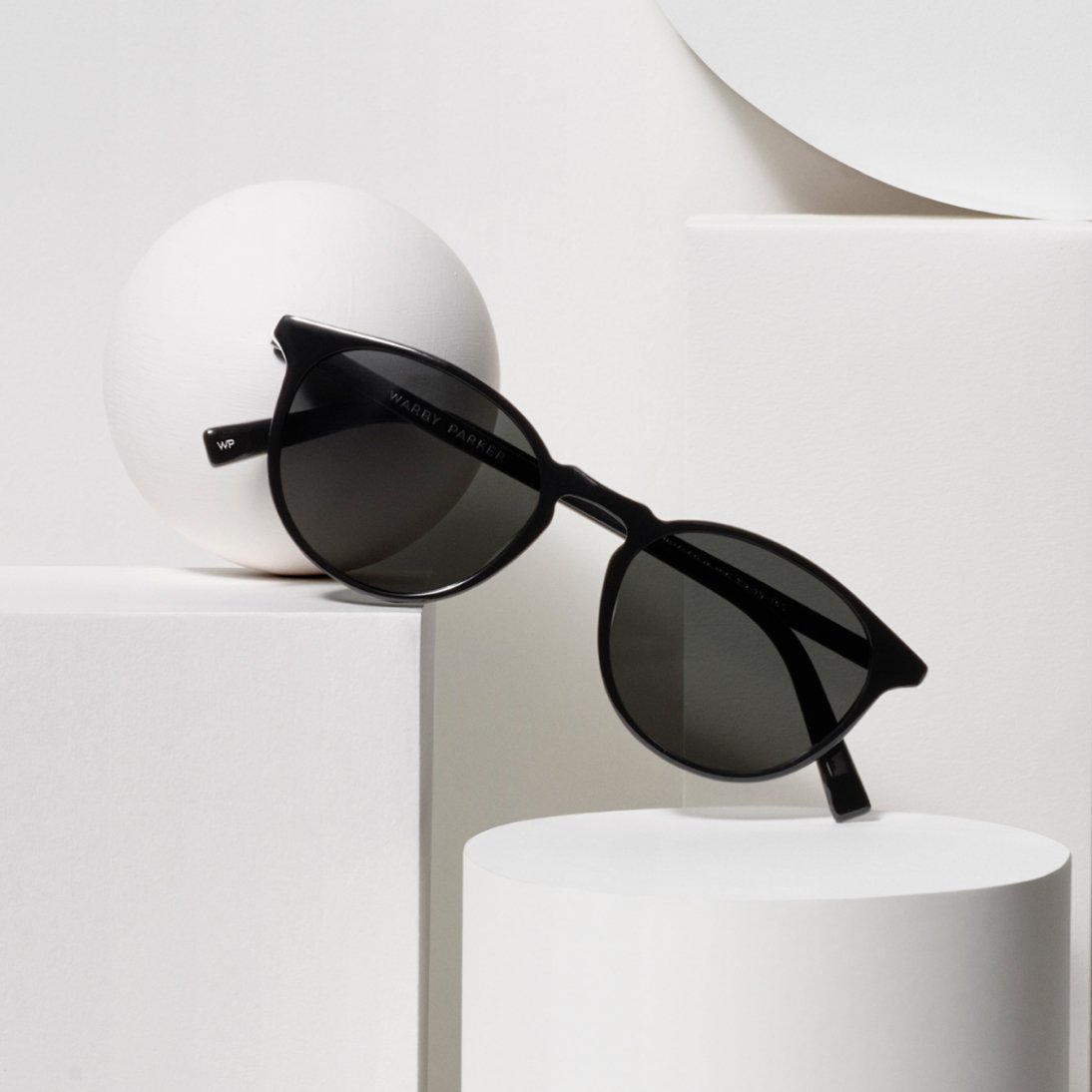
Our sunglasses provide 100% UV protection
By the end, you will have a better sense of how to identify a diamond-shaped face, which silhouettes – like cat-eye, oval, and browline – tend to complement these proportions, and what size and fit details to check before you commit.
How to Tell If You Have a Diamond-Shaped Face
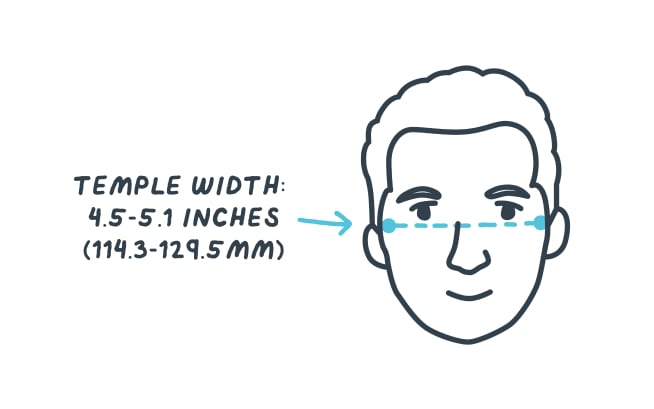
Before you shop, confirm your face shape. The diamond is the rarest face shape and is defined by a narrow forehead, narrow jawline, and high, prominent cheekbones. In photos, your cheekbones usually appear as the widest point of your face.
Stand in front of a mirror with your hair pulled back. Notice three areas: your forehead, cheekbones, and jawline. If the cheekbone area is clearly the widest and your chin tapers slightly, you may fall into the diamond category. A quick phone selfie taken straight-on can make these proportions easier to see.
You might also think about your glasses experience so far. If frames often feel snug at the cheeks but a bit roomy at the forehead, that is a common diamond-face pattern: more width through the mid-face. In that case, sunglasses that visually balance that width, rather than adding more emphasis where your face is already widest, may feel more harmonious.
Protect those peepers!
Our sunglasses come with a scratch-resistant coating and block 100% of UV rays
Once you recognise your structure, you can apply a general principle: choose frames that are roughly as wide as or slightly wider than the broadest part of your face, and use shape to balance, rather than duplicate, your natural angles.
Sunglass Shapes Often Chosen for Diamond Faces
For many people with diamond-shaped faces, sunglasses that often feel flattering add a bit of visual width at the brow while softening sharp cheekbone lines. Diamond-shaped faces are narrow at the eye line and jawline with more pronounced cheekbones, so frames that draw the eye slightly upward can work especially well.
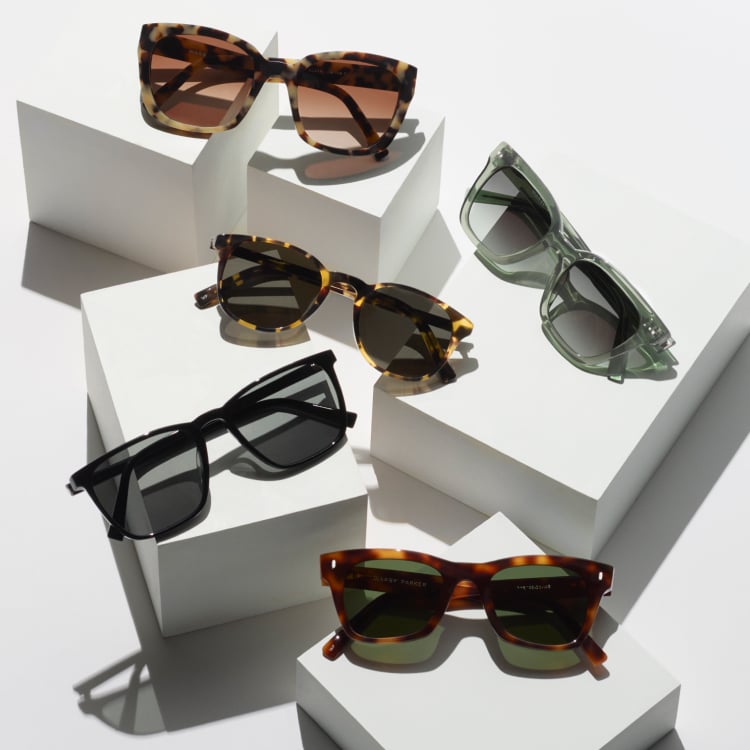
Cat-eye sunglasses are a popular choice. Their lifted outer corners draw attention toward the upper half of your face and your eyes, which can help create a balanced look. You might look for versions that are not extremely pointy; a soft, modern cat-eye tends to feel polished and versatile.
Oval and round frames can introduce contrast to an angular structure. If your natural lines are sharp, a rounded lens adds a different contour and can soften the overall impression. Lightly oversized ovals are often a go-to option, and many buying guides highlight oval and round frames for diamond-shaped faces.
Want to protect your eyes from glare?
Try polarized sunglasses
Finally, browline styles can work well when you want a sharper, more architectural silhouette. A defined top bar adds emphasis along your brow, echoing your cheekbones and helping create a sense of balance from brow to jaw.
Styles and Details to Approach Carefully
Not every trend will interact with a diamond-shaped face in the same way. The goal is not strict rules, but knowing where you might want to be more selective so your features stay in focus instead of feeling overshadowed.
Very narrow, rectangular frames can make cheekbones appear more pronounced by visually compressing the eye area. Similarly, extremely boxy or sharp-edged square sunglasses can repeat your natural angles instead of balancing them, which may make the center of your face feel heavier.
- Ultra-oversized square frames: Can visually dominate a narrower forehead and jaw.
- Very small lenses: May sit inside your cheekbone width and emphasize the area outside the frame.
- Low, heavy bridges: Draw the eye downward and can crowd the center of the face.
- Frames wider at the cheeks than at the brow: Add emphasis where you already have the most width.
When you are unsure, you can try a simple “balance check”: look for sunglasses that are close to your cheekbone width and that place more visual weight toward the brow rather than the lower half of your face.
Looking to try '70s sunglasses?
Virtually find your perfect sunglasses anywhere, anytime
Final Thoughts on Sunglasses for Diamond Shaped Faces
When you understand your facial structure, choosing sunglasses for diamond shaped faces can feel much more straightforward. Many people with this face shape gravitate toward styles that add gentle width at the brow, soften the mid-face, and sit in proportion to their cheekbones. Cat-eye, oval, round, and refined browline frames are frequent favorites.
As you shortlist options, you may also want to consider lens and frame features. Many product descriptions highlight lenses that are described as filtering high levels of UVA and UVB light, and frames that sit relatively close to the face to help reduce side glare.
When you try on sunglasses, whether in person or virtually, compare a few shapes and sizes in natural light. Notice how each pair affects the apparent width of your cheekbones and forehead, how the top line interacts with your brow, and how the proportions feel overall. Use that feedback to refine your choice.
Need sunglasses?
Starting at $95, with free shipping.
Legal Disclaimer
MEDICAL DISCLAIMER: This content is provided for educational and informational purposes only and is not intended as medical advice, diagnosis, or treatment. This information should not be used to replace professional medical care or consultation. Individual results may vary significantly. Always consult with a qualified healthcare provider before making any decisions about your health, vision, or medical treatment. Never disregard professional medical advice or delay seeking treatment because of information you have read on this website.
VISION CARE DISCLAIMER: Vision correction needs vary by individual. Consult an eye care professional for personalized assessment and recommendations.
FDA DISCLAIMER: These statements have not been evaluated by the Food and Drug Administration. This content is not intended to diagnose, treat, cure, or prevent any disease or medical condition.
PROFESSIONAL CONSULTATION REQUIRED: Only qualified eye care professionals can provide personalized recommendations for your specific vision needs and health conditions.
This article is for informational purposes only. It is not intended to provide medical advice or substitute for professional health services. Warby Parker complies with all HIPAA regulations regarding your health information. For personal health questions or concerns related to your vision or eyewear prescriptions, please consult a qualified healthcare provider.