Your workday probably doesn’t happen in just one light setting. Maybe you step out from a bright commute into a softly lit office, then back into glaring sun for lunch or errands. The eyewear you choose can influence how comfortable those transitions feel.
This guide is designed to help busy commuters and office professionals choose sunglasses that look polished at work and are suited to outdoor settings. The focus is on one pair that can fit into different parts of your day.
We’ll break down what often matters when choosing sunglasses for office to outdoors: general information about UV labeling, lens features, tints, and frame styles that can feel appropriate in meetings and on the sidewalk.
By the end, you’ll have a clearer sense of which features to consider, which lens options may align with your routine, and how to build a simple, commuter-ready eyewear lineup.
What to Look For in Office-to-Outdoor Sunglasses
Before you think about style, it can be helpful to understand some basics about UV labeling. One way to address sun-related exposure for your eyes is to wear sunglasses labeled UV400 or with 100% UVA/UVB protection. Many experts recommend looking for this level of UV labeling if you spend time outdoors.
Next, consider how you want your surroundings to appear in different lighting. General-purpose sunglasses that filter a substantial amount of visible light without feeling overly dark are commonly chosen for commuting and quick trips between buildings.
Frame coverage is another factor. Slightly larger lenses or gently wrapped shapes can help limit light entering from the sides, which some people prefer on bright sidewalks or around reflective surfaces.
Finally, check fit and weight. For office-to-outdoor use, you may wear your sunglasses for longer stretches during your commute, on errands, and for outdoor meetings. Lightweight materials, balanced nose pads, and temples that don’t pinch behind the ears can feel more comfortable to wear for extended periods.
Lens Technologies Often Used for Commuting
Once the basics are covered, lens technology is another area to consider for office-to-outdoor days.
Photochromic lenses, sometimes called light-adaptive lenses, are an option for office workers. These lenses are designed to change tint in response to certain types of light, generally darkening in sunlight and becoming lighter in lower-light conditions. They may be appealing if you prefer to use a single pair of glasses throughout the day instead of switching between different frames.
- Polarized lenses: Often chosen for driving and walking near reflective surfaces. They are designed to manage reflected light while helping many wearers maintain relatively natural color perception.
- Photochromic lenses: May be a good fit if you frequently move between indoor and outdoor spaces and prefer using one pair of glasses instead of swapping between different ones.
- Anti-reflective coatings: Often added to clear prescription lenses to help reduce reflections from overhead lights and other light sources, which some people find visually distracting.
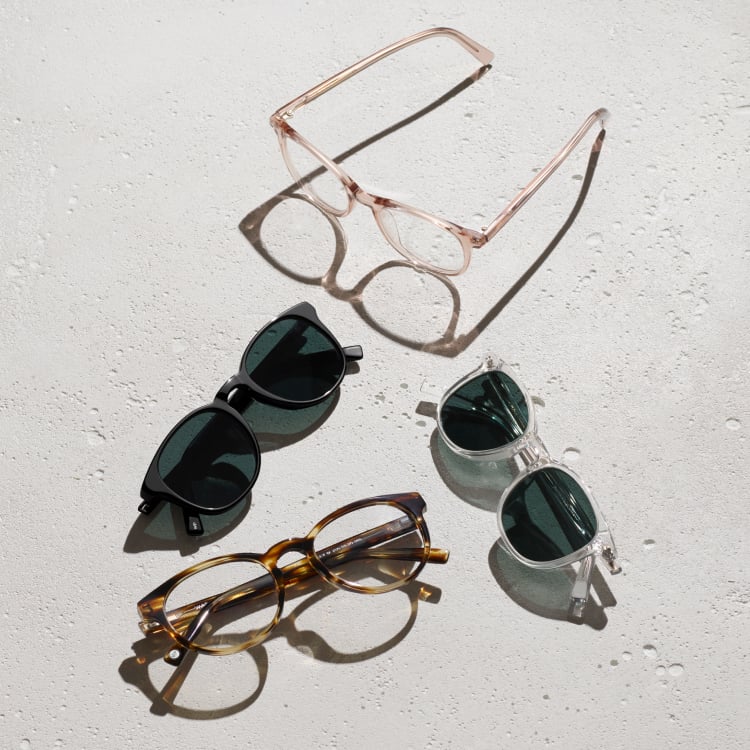
- Tints for different environments: If you regularly move between outdoor and indoor settings and prefer lenses that do not feel overly dark indoors, lighter tints such as yellow or light rose may be good options. These tints allow more light transmission and can help maintain a brighter view in indoor and lower-light environments.
Choosing Colors and Styles That Work at Work
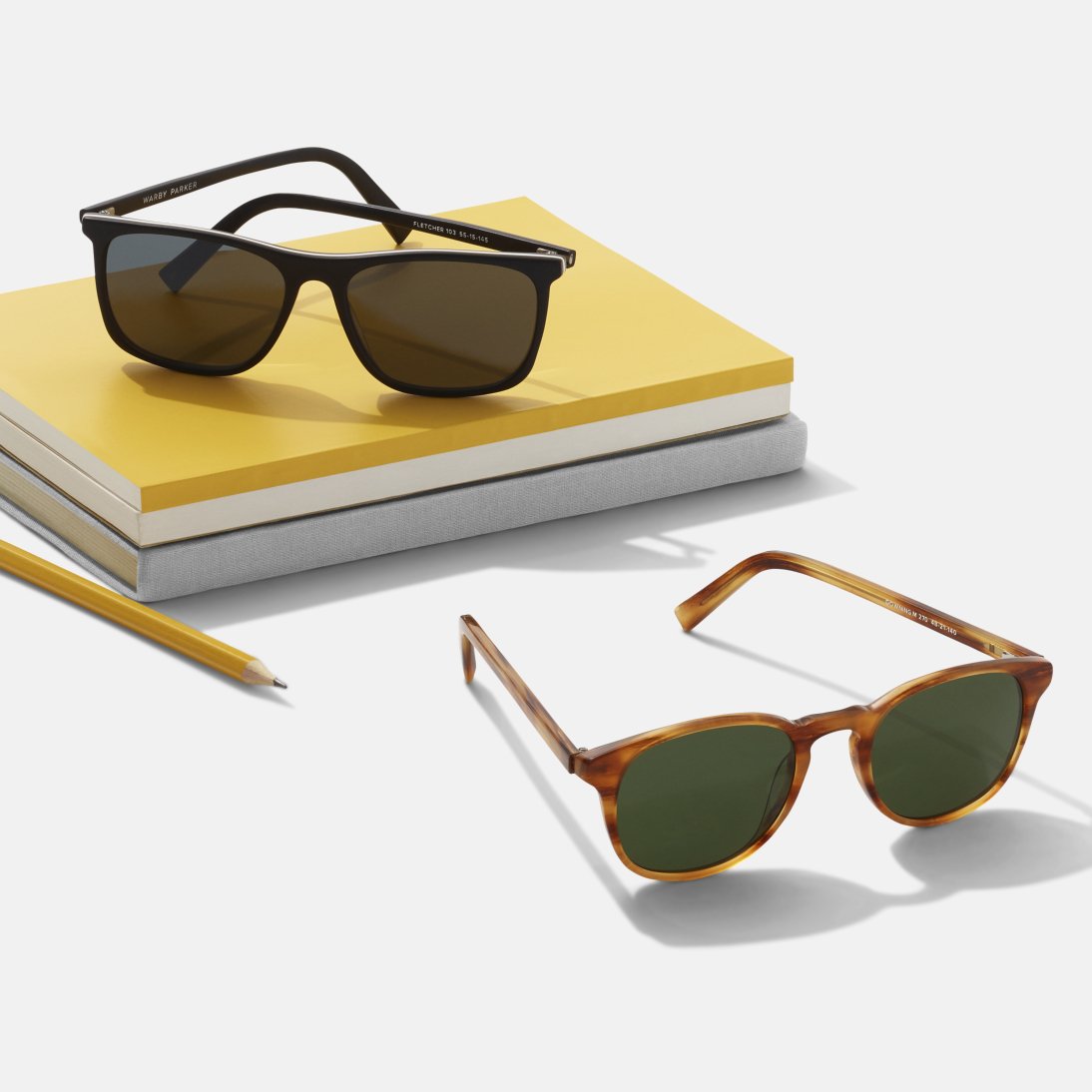
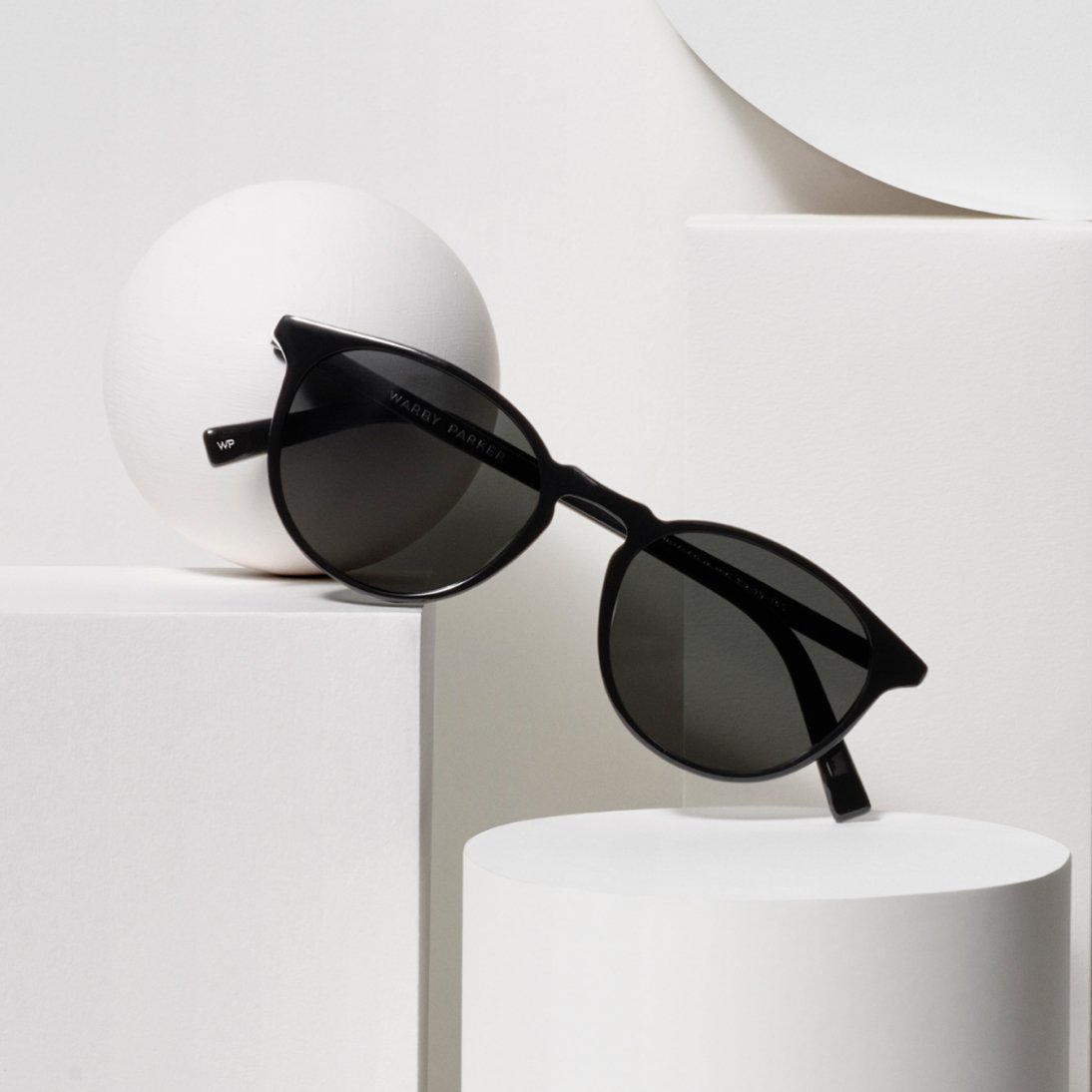
To keep your sunglasses office-appropriate, many people focus on lens colors that are less likely to noticeably change how most colors appear. Gray lenses are a neutral choice; they generally dim light more evenly and tend to preserve a more natural view of colors, which can be helpful when you’re reading signage, checking your phone, or looking over documents outside.
Brown or amber tints are often chosen by people who like a bit more contrast in certain lighting conditions, such as partly cloudy days or mixed light like walking from a shaded street to a sunlit plaza.
Frame style is where you can align with your office culture. In more traditional workplaces, thin metal frames, classic rectangles, and understated wayfarer-inspired shapes can feel polished and timeless. In more casual or creative environments, some people opt for thicker acetate, subtle color, or modern geometric silhouettes, while still choosing designs that pair well with business-casual outfits.
Final Thoughts on Sunglasses for Office-to-Outdoor Days
Stepping back, many people choosing sunglasses for office-to-outdoor days look for three things: UV labeling that indicates UV400 or 100% UVA/UVB protection, lens features that feel practical for their commute, and a frame style that fits with their work wardrobe.
You might start by checking any information available about your current pair, such as UV labeling and how the frame fits, then compare that against the considerations above as you explore new options or talk with an eye-care professional.
Have a favorite commuter-friendly style or a lens feature you reach for most days? You can share your experience, send a question, or explore related guides on picking frames for your face shape and learning more about prescription sunglasses.
Legal Disclaimer
MEDICAL DISCLAIMER: This content is provided for educational and informational purposes only and is not intended as medical advice, diagnosis, or treatment. This information should not be used to replace professional medical care or consultation. Individual results may vary significantly. Always consult with a qualified healthcare provider before making any decisions about your health, vision, or medical treatment. Never disregard professional medical advice or delay seeking treatment because of information you have read on this website.
VISION CARE DISCLAIMER: Vision correction needs vary by individual. Consult an eye care professional for personalized assessment and recommendations.
FDA DISCLAIMER: These statements have not been evaluated by the Food and Drug Administration. This content is not intended to diagnose, treat, cure, or prevent any disease or medical condition.
PROFESSIONAL CONSULTATION REQUIRED: Only qualified eye care professionals can provide personalized recommendations for your specific vision needs and health conditions.
This article is for informational purposes only. It is not intended to provide medical advice or substitute for professional health services. Warby Parker complies with all HIPAA regulations regarding your health information. For personal health questions or concerns related to your vision or eyewear prescriptions, please consult a qualified healthcare provider.
Do I really need UV filtering for short commutes?
Public-health organizations note that UV exposure can accumulate over time. Many experts therefore recommend wearing sunglasses that filter most UVA and UVB rays when spending time outdoors, whether for short or long periods.
What lens color is often used for office-to-outdoor use?
Neutral gray or soft brown lenses are commonly chosen for office-to-outdoor days. They can help dim brightness while keeping colors looking relatively natural for many wearers, so transitions from outside to office lighting may feel more visually consistent.
Are polarized lenses necessary for commuting?
Polarized lenses are not required, but they are often preferred by people who drive or walk near reflective surfaces, because they are designed to manage reflected light from roads, water, and glass. Whether they’re a good fit for you depends on your activities and visual preferences.
Can I wear the same sunglasses with every work outfit?
Many people choose a versatile frame, such as classic black, tortoise, or thin metal in a simple shape, because it tends to coordinate with both casual and more formal office looks. Ultimately, it comes down to your personal style and workplace norms.
What makes sunglasses office-appropriate?
Understated frames, neutral lens tints, and minimal embellishments are often seen as office-friendly. Very bold mirrored finishes or neon lenses may be less common in more traditional workplaces, though expectations can vary.