Sunglasses for Seniors: Simple & Comfortable
As we get older, bright sunlight and glare can start to feel more intense and bothersome than when we were young. Reading a street sign, walking on a sunny sidewalk, or enjoying the garden may feel more challenging in strong light.
This guide is designed to make choosing sunglasses feel simple, not overwhelming. If you or someone you love is over 60, the right pair can offer UV filtering for your eyes, support visual comfort outdoors, and be one tool among many for feeling more at ease while you’re out and about.
We’ll explain what to look for in sunglasses for seniors, from UV filtering and lens type to frame fit and ease of use, so you can focus on everyday comfort and practicality, not confusing jargon.
Looking for sunglasses?
See how your favorite frames look on you—instantly!
By the end, you’ll understand how to spot sunglasses labeled with UV filtering, which frame features some people find easier to handle or wear, and what types of options many people use for everyday wear, driving, and hobbies.
Why Seniors May Want Reliable UV Filtering and Glare Control
Our eyes and the skin around them are exposed to sunlight over many years, and sensitivity to bright light can change over time. Conditions such as cataracts, dry eyes, and macular changes become more common with age. Public health organizations note that limiting UV exposure, including around the eyes, is one part of overall sun safety.
Yet many older adults still go outside without sun protection. If skin is under-protected, eyes often are too. That can mean missed opportunities to feel more comfortable outdoors by wearing sunglasses with UV filtering in bright light.
UV filtering is only part of the story. Glare from sidewalks, car hoods, and water can feel intense for many people. Glare-reducing features, like darker tints and polarized lenses, may make it easier for some wearers to distinguish contrast in bright conditions.
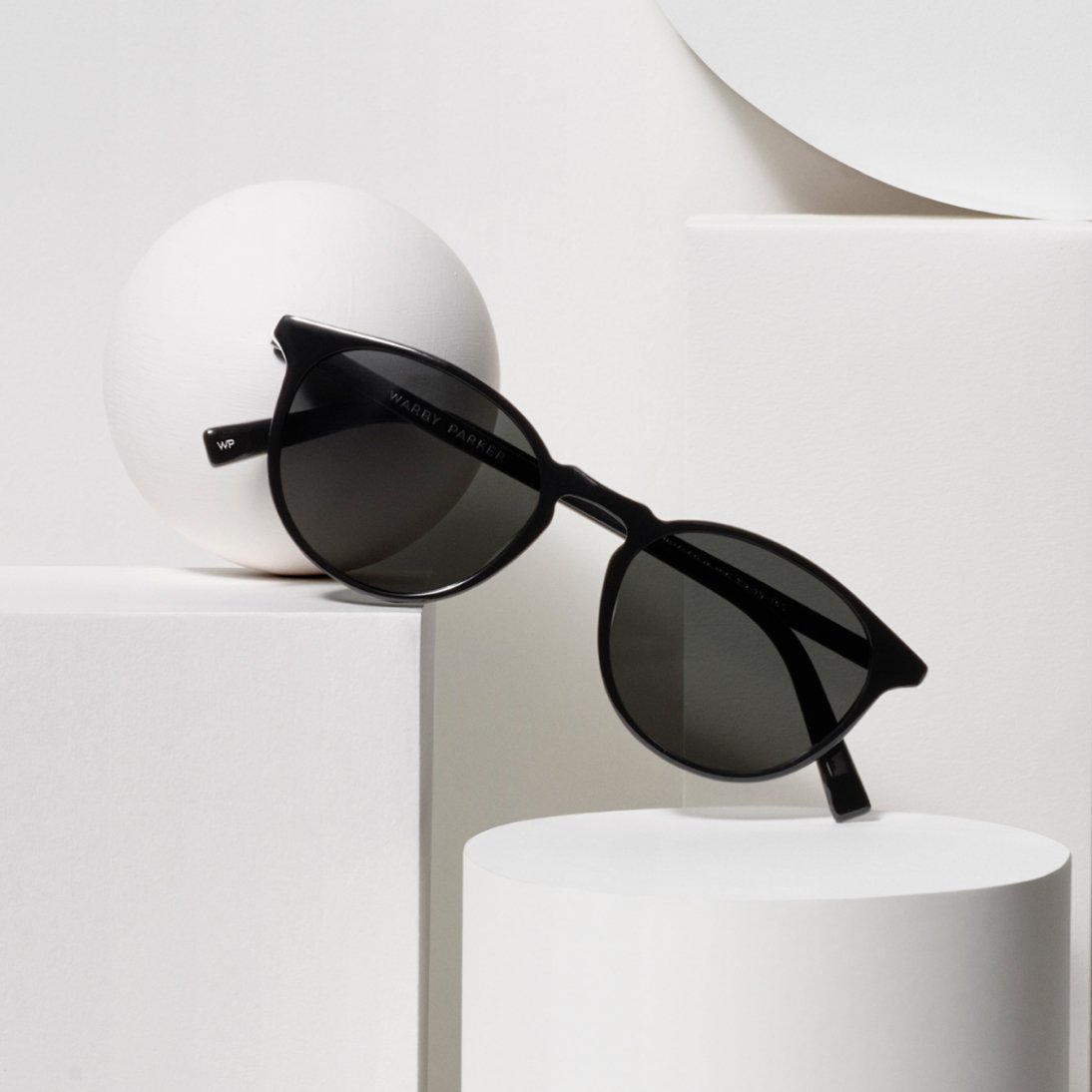
Bright out?
Sunny days have met their match
Many people also find that sunglasses can make it easier to enjoy everyday activities they love: gardening, traveling, watching grandkids’ games, or simply taking a walk without constant squinting. Comfort can encourage consistent use, which many people find helpful as part of their overall sun-protection habits.
How to Choose Sunglasses for Seniors
When shopping, a key feature many experts highlight is UV filtering of a high percentage of UVA and UVB rays. Dark lenses without this label can be misleading, because your pupils may open wider behind dark glass, allowing in more unfiltered light.
Next, think about lens type. Many people, including older adults, find polarized lenses can reduce the appearance of harsh glare from roads and water, which may make bright conditions feel more comfortable. Just remember: polarization is a comfort feature, not a safety guarantee, so you still want to look for that clear UV label. For very bright environments, a medium-to-dark gray or brown tint often provides a natural view of colors for many wearers.
Frame fit is important for wearing sunglasses throughout the day. Look for lightweight materials that don’t pinch the nose or ears, with soft, stable nose pads if you like that style. A slightly larger frame that sits close to the face, without touching lashes or pressing on the skin, can offer more coverage from overhead and side light, which some people find more comfortable.
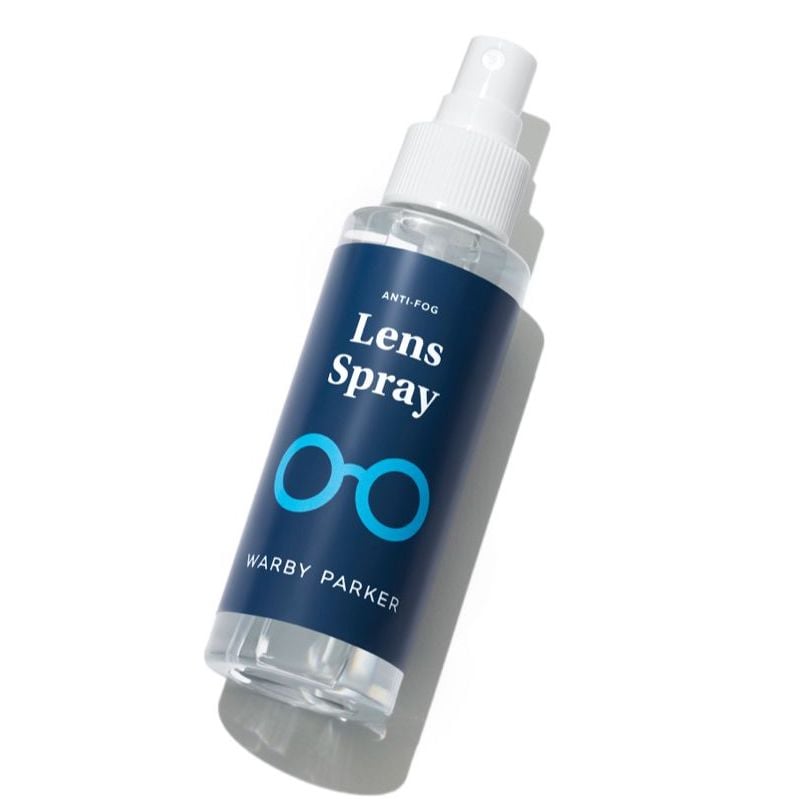
Clean your sunglasses on the go
Meet our travel-size lens cleaning kit—complete with anti-fog spray, a cleaning cloth, and a handy pouch-and-cloth combo.
If you prefer frames that are simple to handle, look for hinges and temples that feel easy to open and put on, without feeling flimsy. Trying them on and opening and closing them a few times can give you a sense of how they’ll feel in everyday use.
Finally, consider your daily routine. If you move between indoors and outdoors often, clip-ons or fit-over sunglasses that sit on top of prescription glasses can be convenient. For those who prefer a single pair, prescription sunglasses or photochromic (light-adjusting) lenses can be a convenient way to reduce how often you switch between different pairs of glasses.
- Check the UV label: Look for a clear “UV400” or “100% UVA/UVB” label.
- Consider polarized lenses: They can help if glare from roads or water bothers you.
- Choose comfortable frames: Pick light frames that don’t pinch, rub, or slip.
- Mind the coverage: Make sure frames sit close enough to help filter side and overhead light without pressing on your skin.
- Match your lifestyle: Fit-overs, prescription sun, or clip-ons can all be options.
Features and Styles Many Seniors Appreciate
Many older adults appreciate frames that are simple rather than fussy. Classic shapes like rectangles, soft cat-eyes, and gentle rounds work with many face shapes and tend to offer fuller coverage. Slightly curved or wrap-inspired shapes that sit near the cheeks and temples, without touching lashes or pressing on the skin, can provide more coverage from bright light.
Public-health guidance notes that sunglasses with wrap-around designs or side coverage can offer more extensive coverage from sunlight around the eyes. For some seniors, that extra coverage may reduce bright spots of light at the sides, which can feel more comfortable in sunny conditions.
Small design details can also make everyday use feel easier. Thicker temples are often simpler to grip. Spring hinges can help frames flex gently without feeling loose. Matte finishes on the inside of the frame may reduce reflections. Adjustable nose pads can help you fine-tune fit for different bridge shapes if glasses tend to slide down.
Need (or want) new glasses or sunglasses?
Virtually try on frames from home—or visit a nearby store
Final Thoughts on Sunglasses for Seniors
Comfortable, easy-to-wear sunglasses for seniors don’t have to be complicated. It can help to focus on three basics: a “UV400” or “100% UVA/UVB” label, features that can reduce the appearance of glare, and frames that feel good on your face for more than a few minutes at a time. Many people choose sunglasses with these features as part of their approach to staying comfortable in bright conditions.
Your next step can be simple: check your current sunglasses for a clear UV label and how they feel after you’ve worn them for a while. If they don’t feel right for you, use the checklist above as you shop online or in person. Think about protection labels, coverage, and ease of use. You can also ask an eye-care professional if you have questions about sun protection for your eyes.
If you found these tips helpful, share them with a friend or family member, or use them as a conversation starter at your next eye exam so you can talk about sun-wear options that may fit your preferences and prescription.
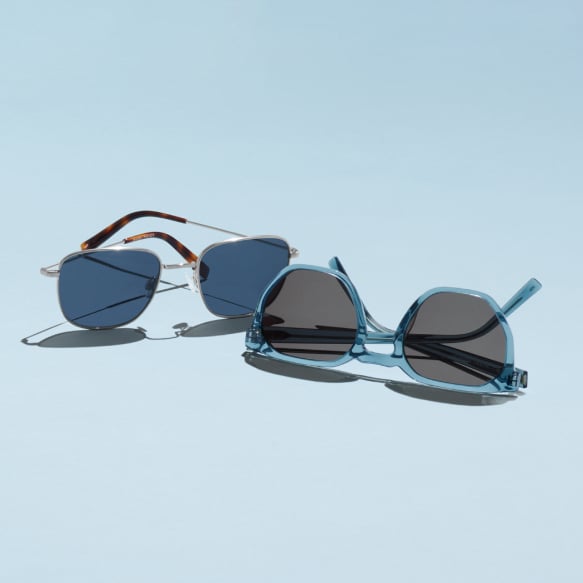
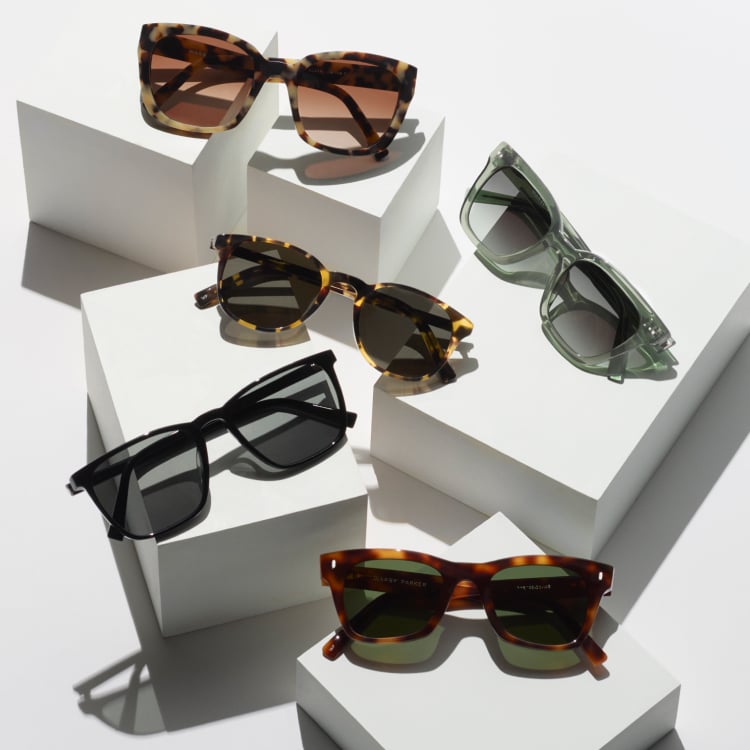
Sunglasses have come a long way
We have endless shapes and colors to choose from
Legal Disclaimer
MEDICAL DISCLAIMER: This content is provided for educational and informational purposes only and is not intended as medical advice, diagnosis, or treatment. This information should not be used to replace professional medical care or consultation. Individual results may vary significantly. Always consult with a qualified healthcare provider before making any decisions about your health, vision, or medical treatment. Never disregard professional medical advice or delay seeking treatment because of information you have read on this website.
VISION CARE DISCLAIMER: Vision correction needs vary by individual. Consult an eye care professional for personalized assessment and recommendations.
FDA DISCLAIMER: These statements have not been evaluated by the Food and Drug Administration. This content is not intended to diagnose, treat, cure, or prevent any disease or medical condition.
PROFESSIONAL CONSULTATION REQUIRED: Only qualified eye care professionals can provide personalized recommendations for your specific vision needs and health conditions.
This article is for informational purposes only. It is not intended to provide medical advice or substitute for professional health services. Warby Parker complies with all HIPAA regulations regarding your health information. For personal health questions or concerns related to your vision or eyewear prescriptions, please consult a qualified healthcare provider.