Sunglasses for Teens: Cool Styles with UV-Blocking Lenses
Getting teens to wear anything they did not personally pick can feel impossible, and that is especially true with sunglasses. You may be focusing on UV protection, while they are focusing on cool, hip, and stylish. The good news: with a bit of guidance, you can find sunglasses for teens that cover both.
This guide is designed to help parents and teens meet in the middle: frames that feel like an upgrade to their style and lenses that are labeled for UV protection.
We will break down what to keep in mind when choosing sunglasses for teens, from understanding UV ratings to looking at frame shapes, so you are not just guessing based on what is trending on social media.
Protect those peepers
Our sunglasses provide 100% UV protection
By the end, you will have a framework to review basic UV information on labels, pick styles teens are more likely to wear, think about when and where they will use their sunglasses (sports, hanging out with friends, and more), and shop more confidently at any budget.
Sunglasses for Teens: Why UV Information Comes First
Style is what teens notice first, but eye health has to come first for parents. Teens spend hours outside at practices, walking between classes, and hanging out with friends. Eyes are still developing in younger people, and long-term UV exposure has been associated with certain eye conditions later in life.
When you are scanning labels, be cautious about vague phrases like “UV protective.” Instead, look for wording such as “100% UVA/UVB” or “UV400.” These terms indicate that the lenses are described by the manufacturer as filtering specific ranges of ultraviolet light. The specific color or darkness of the lens does not, by itself, guarantee any particular UV performance; what matters is the UV information printed on the product.
The reassuring news for budget-conscious families: research has also looked at UV labeling on kids’ sunglasses. One study of 126 pairs of children’s sunglasses reported that the tested lenses transmitted 0% UV radiation under the study conditions, suggesting that even affordable, properly labeled sunglasses can offer UV protection similar to more expensive options. The key is choosing lenses that are clearly described as UV-blocking, then letting your teen take the lead on everything else: color, shape, and overall vibe.
Sunglasses have come a long way
We have endless shapes and colors to choose from
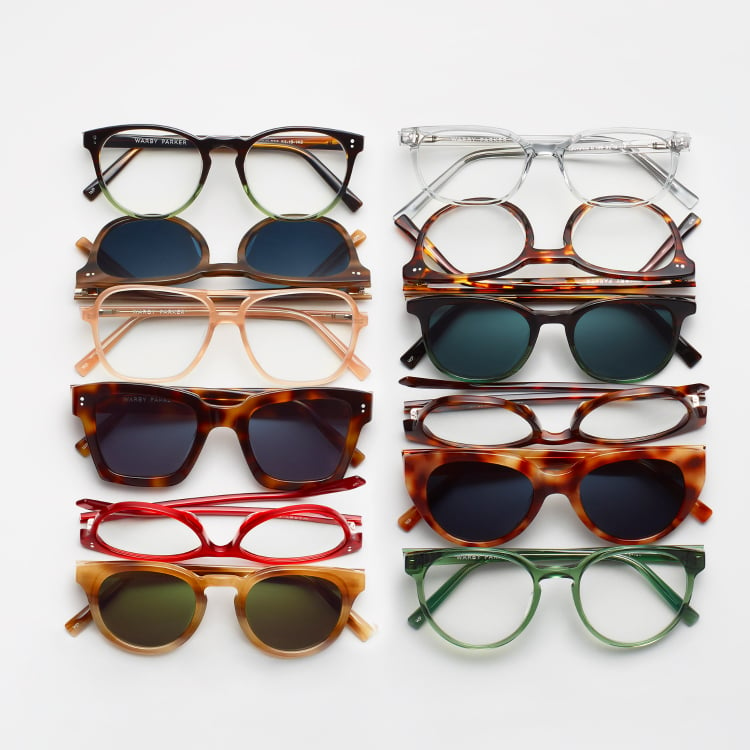
Popular Styles of Sunglasses for Teens
Once you have checked the UV information, style is often the deciding factor. If teens do not love how their sunglasses look in selfies, they are less likely to reach for them. Start by noticing what they already gravitate toward: do they like sporty gear, vintage aesthetics, or minimalist basics?
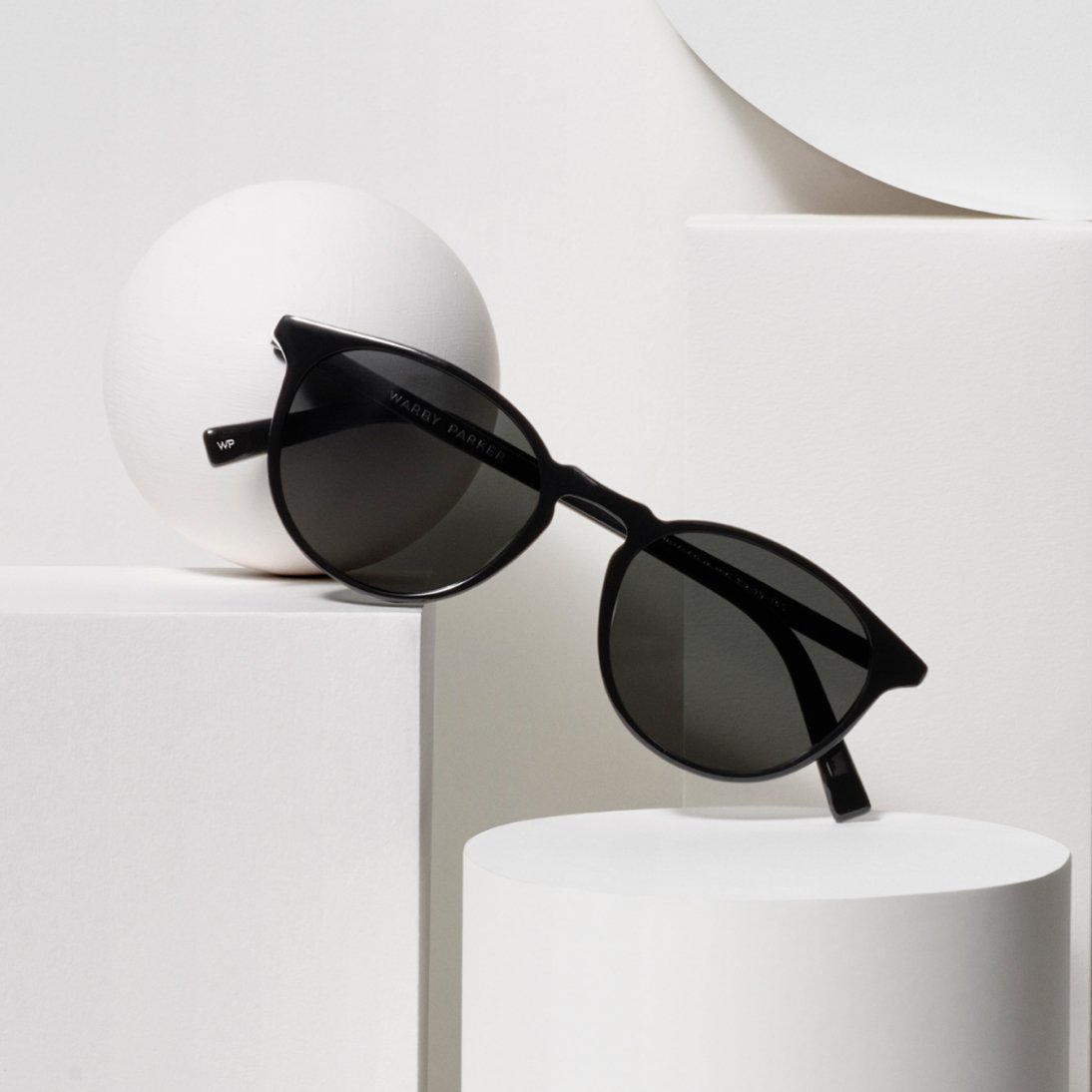
Classic shapes work on many face types and feel familiar enough that teens do not have to overthink them. Think modernized aviators, soft square frames, and medium-sized round lenses. These silhouettes slide easily into their everyday outfits, from hoodies and joggers to dresses and denim.
- Sporty wrap or shield frames: Often chosen by athletes and highly active teens; they hug the face and can help filter light from the sides.
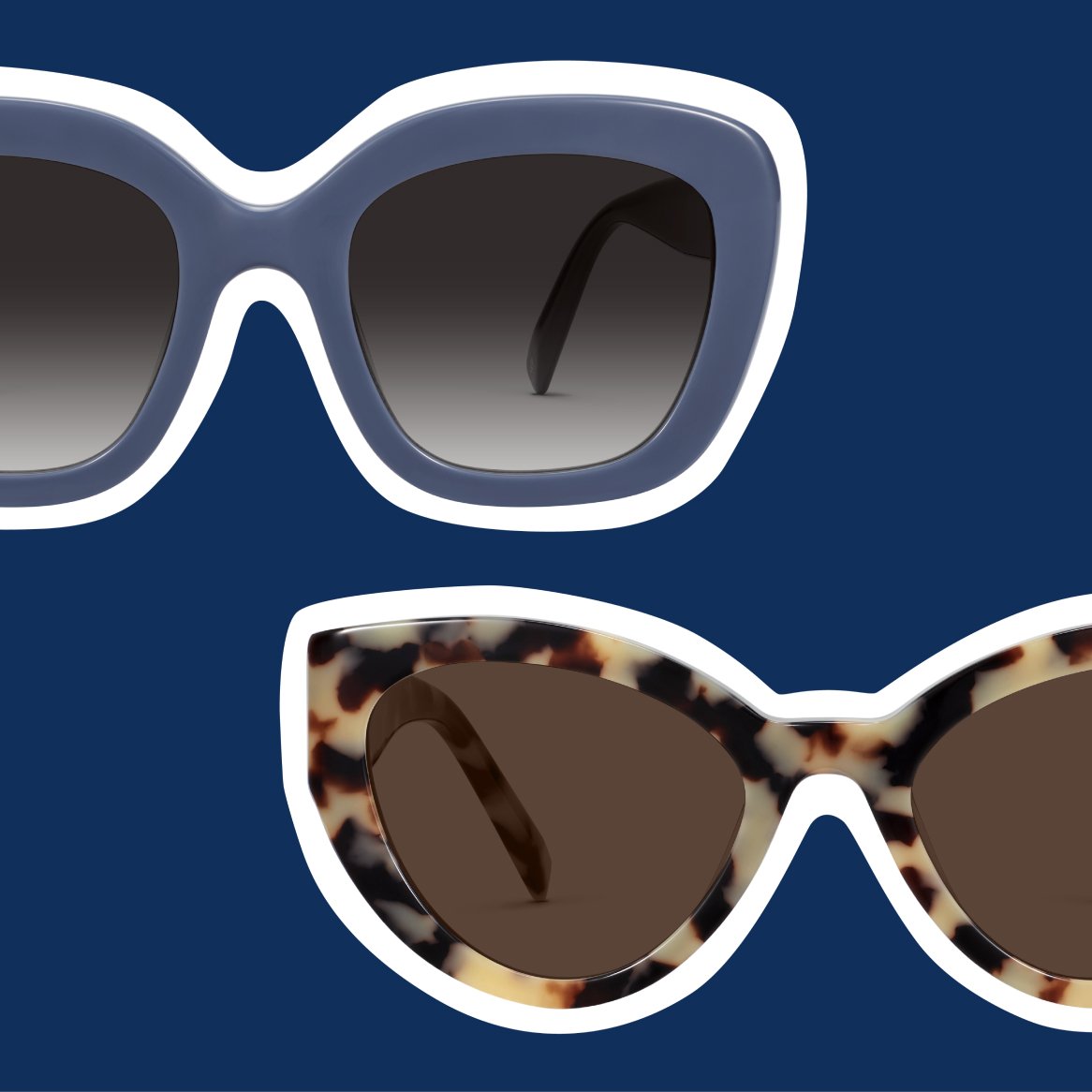
- Retro-inspired rounds and cat-eyes: A go-to for fashion-focused teens who like a throwback or indie look.
- Wayfarer-style rectangles: A versatile middle ground that works with many face shapes and personal styles.
- Transparent or colored frames: A way for teens to show personality without going over the top; clear or tinted frames feel current but wearable.
For teens who are resistant to sunglasses, let them drive the aesthetic decisions. You can narrow the options to sunglasses that include UV information on the label, then let them decide on shape, color, and finish. That small shift, giving them control over style, can increase the chances they will keep their sunglasses on more regularly.
Looking to try '70s sunglasses?
Virtually find your perfect sunglasses anywhere, anytime
Fit, Comfort, and Lens Choices for Everyday Wear
Even the coolest frames may end up forgotten in a backpack if they pinch behind the ears or slide down the nose. A practical pair of sunglasses for teens should feel light, relatively balanced, and secure enough for everyday activities like walking to the bus or playing pickup games.
Look for these fit checks: frames rest comfortably without leaving pressure marks; the nose bridge does not slip when they smile or look down; and temples (arms) do not dig into the sides of the head. For slimmer faces, adjustable nose pads or slightly curved temples can be especially helpful.
Bright out?
Sunny days have met their match
Lens options can also affect how much your teen likes wearing their sunglasses:
- Gray lenses: Tend to keep colors looking closer to how they normally appear and are commonly used for everyday wear.
- Brown or amber lenses: May change how contrast appears, which some people prefer for activities like driving practice (where allowed and appropriate) or outdoor sports.
- Polarized lenses: Designed to reduce glare from surfaces like water, snow, or pavement, which some teens find more comfortable near reflective surfaces. Polarization is about glare, not UV; it does not replace the need to review UV information on the label.
Key Takeaways and Next Steps for Choosing Sunglasses for Teens
When you break the decision into simple steps, finding the right sunglasses for teens becomes more manageable. First, look for clear UV information on the label; wording such as “100% UVA/UVB” or “UV400” is a common place to start. Second, choose frames that sit comfortably and feel practical for your teen’s real life: school, sports, social events, and time outside. Third, hand them the style reins so they can pick shapes and colors they are excited to wear.
From here, a helpful next step is to create a short list together: one everyday pair they like and, if useful, a dedicated sports or outdoor pair with extra coverage or polarization. Save a few favorites, compare photos, and read specs side by side to review UV details, fit, and basic construction before buying.
Have a teen with specific preferences, such as prescription lenses or sensory sensitivities? Use this guide as a general starting point, then explore more detailed resources or product pages, and consider discussing any specific questions with an eye care professional.
Want to try sunglasses? It's free.
Virtually try on sunglases—anytime, anywhere
Legal Disclaimer
MEDICAL DISCLAIMER: This content is provided for educational and informational purposes only and is not intended as medical advice, diagnosis, or treatment. This information should not be used to replace professional medical care or consultation. Individual results may vary significantly. Always consult with a qualified healthcare provider before making any decisions about your health, vision, or medical treatment. Never disregard professional medical advice or delay seeking treatment because of information you have read on this website.
VISION CARE DISCLAIMER: Vision correction needs vary by individual. Consult an eye care professional for personalized assessment and recommendations.
FDA DISCLAIMER: These statements have not been evaluated by the Food and Drug Administration. This content is not intended to diagnose, treat, cure, or prevent any disease or medical condition.
PROFESSIONAL CONSULTATION REQUIRED: Only qualified eye care professionals can provide personalized recommendations for your specific vision needs and health conditions.
This article is for informational purposes only. It is not intended to provide medical advice or substitute for professional health services. Warby Parker complies with all HIPAA regulations regarding your health information. For personal health questions or concerns related to your vision or eyewear prescriptions, please consult a qualified healthcare provider.