Sunglasses for UV Protection: How to Choose a Pair with UV-Labeled Lenses
Bright sunshine often feels great on your face, but it also comes packed with damaging ultraviolet (UV) light that you can’t even see. One answer we all turn to are sunglasses that reduce the brightness and limit how much UV light reaches our eyes.
This guide explains how to choose sunglasses for UV filtering with a focus on labels, lens features, and frame design. The goal is to help you understand what common UV terms mean so you can evaluate product information more confidently.
When you shop for sunglasses for UV filtering, details like UV rating, lens material, and frame shape are more directly related to UV labeling and coverage than brand name or how dark the tint appears.
Protect those peepers
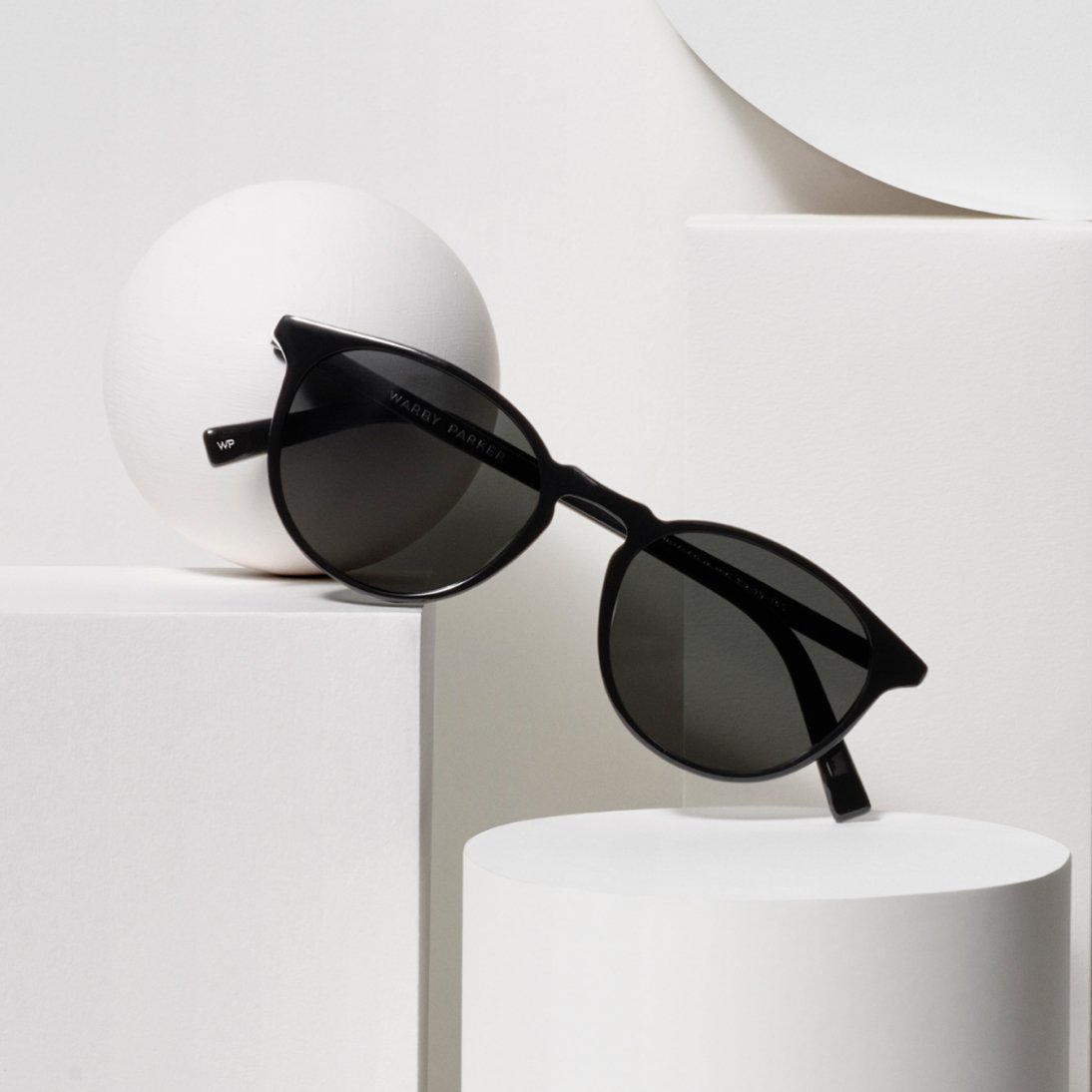
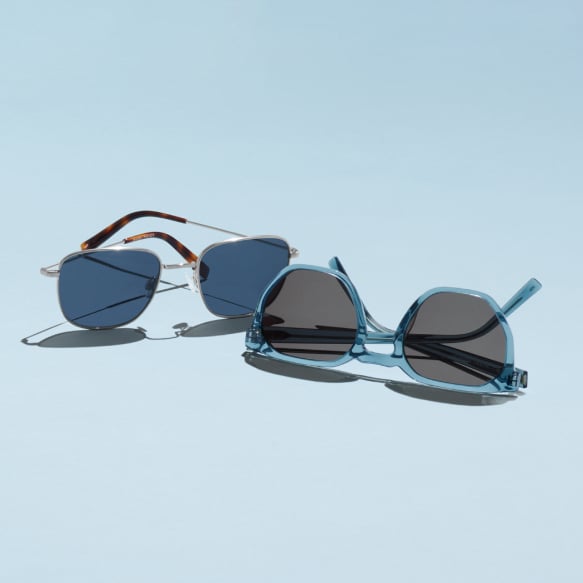
Our sunglasses provide 100% UV protection
Below, you’ll learn what UV labels generally mean, how lens and frame features relate to coverage, which styles are commonly used for different activities, and simple checks to avoid buying “fashion” shades that may not clearly indicate UV specifications.
Understanding UV and Why Proper Sunglasses Matter
Ultraviolet (UV) rays from the sun are invisible. Public health and eye-health organizations note that sunglasses labeled to filter 99-100% of UVA and UVB, or that carry a UV400 rating, can help limit how much UV light reaches the eyes.
Both UVA and UVB rays are associated in the scientific literature with a range of potential eye effects over time. Because UV exposure can add up gradually, many eye-health resources emphasize consistent use of UV-labeled sunglasses in a variety of outdoor settings, not only at the beach or on very bright days.
Sunglasses for UV filtering are designed to filter UV light and are labeled to filter UV radiation before it reaches the eyes. Unlike visible light, you can’t tell how much UV is present just by how bright it looks outside or how tinted your lenses are, which is why written UV information on sunglasses is important for appropriate UV filtering.
Sunglasses in a snap
We offer Clip-Ons—available in many sizes and colors—that fit our bestselling frames
Health agencies often mention sunglasses that are labeled for UV filtering as part of broader sun-safety recommendations, alongside hats and seeking shade.
How to Read UV Labels on Sunglasses
A key factor to consider when choosing sunglasses is the UV rating information provided. Look for labels that clearly state “100% UVA and UVB protection,” “filters 99-100% of UV rays,” or “UV400.”
You may want to be cautious with vague terms like “UV absorbing,” “UV filter,” or “blocks harmful rays” when they appear without specific percentages or a UV400 mark. Clear claims are often printed on a sticker, tag, or etched on the lens or frame. If there’s no obvious rating, you may want to consider that the sunglasses might not provide clearly specified UV filtering, regardless of style or price.
Protect those peepers!
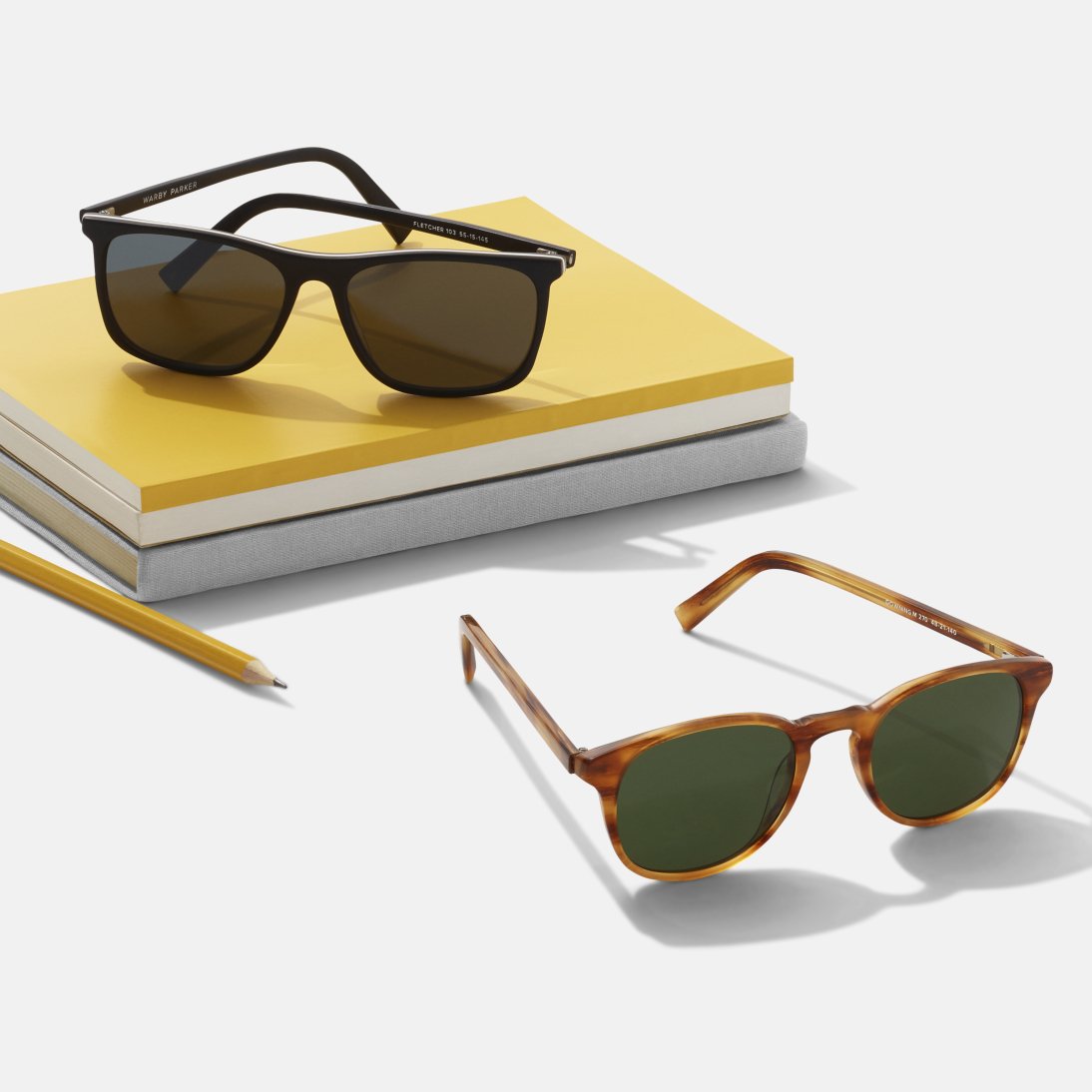
Our sunglasses come with a scratch-resistant coating and block 100% of UV rays
Finally, many eye-health resources note that children can be exposed to significant amounts of UV over time. When buying kids’ sunglasses, you may want to check that the same UV400 or 99-100% UVA/UVB language appears; “toy” shades may not always list this information.
- Look for: “UV400,” “100% UV filtering,” or “filters 99-100% UVA and UVB.”
- Avoid: Unclear phrases like “UV filter” without numbers.
- Check: Tags, stickers, or etching for the stated UV rating.
- Apply to kids: Look for similar UV labeling on children’s sunglasses.
Lens Color, Material, and Frame Design for Real-World Protection
Lens color affects how things look and how bright your surroundings feel, but it does not, by itself, determine UV filtering. A pale gray lens with an appropriate UV400 coating can have labeling indicating UV filtering, while very dark lenses without a stated rating may not. Public health sources note that dark lenses without UV filtering can still allow UV light to reach the eyes, even if they make the environment appear dimmer.
Gray lenses are often chosen to preserve more neutral color perception and are commonly used for everyday wear and driving. Brown and amber lenses can increase contrast in certain lighting conditions and are commonly chosen for sports or outdoor activities. Mirror coatings and polarized filters are designed to reduce glare from reflective surfaces, but they are separate from UV filtering – you still need a clear UV400 or 100% UV label to understand how much UV the lenses are designed to filter.
Frame design also relates to how much of the area around your eyes is covered. UV light can reach the eyes from the sides, top, and bottom of your sunglasses. Larger lenses, close-fitting frames, and wraparound styles can offer more coverage in these areas, especially near water, sand, or snow where reflection may be higher.
Need (or want) new glasses or sunglasses?
Virtually try on frames from home—or visit a nearby store
When you try on sunglasses for UV filtering, you can do a quick fit check: the frames should sit comfortably on your face, cover more of the area around your eyes, and minimize noticeable gaps at the sides. If you see a lot of light entering from the sides when you face the sun, you may want to consider a larger or more wrapped style.
Final Thoughts on Choosing Sunglasses for UV Filtering
When you’re evaluating sunglasses that are labeled for UV filtering, you may want to keep three factors in mind: clear UV400 or 99-100% UVA/UVB labeling, lenses that align with your visual preferences and activities, and frames that offer generous coverage around the eye area.
As you shop, you can start with the UV information on the label and then narrow your options by style, color, and fit. Sunglasses that are labeled for UV filtering can be useful whenever you spend time outdoors, whether you’re commuting, walking, or participating in outdoor sports.
If you’re thinking about updating your sunglasses, you might start by checking the UV information on your current pair and comparing it with the guidelines above. From there, you can explore eyewear brands that clearly publish UV specifications for every style they sell.
Need a new pair?
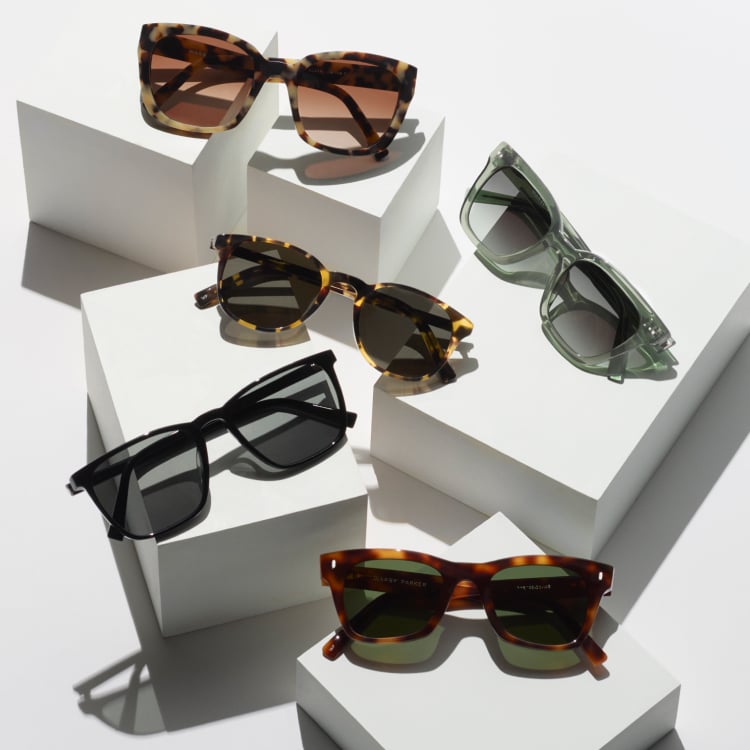
Shop our latest sun shapes and colors
Legal Disclaimer
MEDICAL DISCLAIMER: This content is provided for educational and informational purposes only and is not intended as medical advice, diagnosis, or treatment. This information should not be used to replace professional medical care or consultation. Individual results may vary significantly. Always consult with a qualified healthcare provider before making any decisions about your health, vision, or medical treatment. Never disregard professional medical advice or delay seeking treatment because of information you have read on this website.
VISION CARE DISCLAIMER: Vision correction needs vary by individual. Consult an eye care professional for personalized assessment and recommendations.
FDA DISCLAIMER: These statements have not been evaluated by the Food and Drug Administration. This content is not intended to diagnose, treat, cure, or prevent any disease or medical condition.
PROFESSIONAL CONSULTATION REQUIRED: Only qualified eye care professionals can provide personalized recommendations for your specific vision needs and health conditions.
This article is for informational purposes only. It is not intended to provide medical advice or substitute for professional health services. Warby Parker complies with all HIPAA regulations regarding your health information. For personal health questions or concerns related to your vision or eyewear prescriptions, please consult a qualified healthcare provider.
How much UV filtering should sunglasses have?
Many eye-health organizations recommend sunglasses that filter 99-100% of both UVA and UVB rays or are labeled UV400. These labels indicate that the lenses are designed to filter UV wavelengths up to 400 nm.
Do darker lenses mean better UV filtering?
No. Lens darkness mainly affects visible light, not UV. Only the UV rating on the label tells you how much ultraviolet radiation the lenses are designed to filter.
What does UV400 mean on sunglasses?
UV400 means the lenses are designed to filter UV wavelengths up to 400 nanometers, generally covering both UVA and UVB ranges. It’s a common indicator that the lenses are intended to provide full-spectrum UV filtering according to that rating.
Are polarized sunglasses for UV filtering safer?
Polarization is designed to reduce glare from reflective surfaces, such as water or roads, but it does not, by itself, indicate UV filtering. You still need a clear UV400 or 100% UVA/UVB label to understand the lenses’ stated UV-filtering properties.
Do kids really need sunglasses for UV filtering?
Many eye-health resources recommend that children wear sunglasses with UV400 or 99-100% UVA/UVB labeling when spending time outdoors, similar to adults. Kids’ sunglasses should generally meet the same stated UV standard as adult pairs, according to those guidelines.
Need sunglasses?
Starting at $95, with free shipping.