If your regular glasses tend to feel heavy, slip out of place, or require frequent adjustments, the frame material may be part of the reason. Different eyewear materials offer different combinations of weight, thickness, and rigidity.
The solution? It may be time for you to try titanium frames.
This guide outlines why titanium eyeglass frames have become a popular option for people who prioritize light weight, durability, and a sleek, modern look.
We’ll look at how titanium eyeglass frames can offer a high strength-to-weight ratio, how the material is used in products that come into contact with skin, and how titanium compares with common alternatives like stainless steel and acetate.
By the end, you’ll have a clearer sense of whether titanium aligns with your preferences, what to consider when shopping, and how to care for your frames so they continue to look and feel good for everyday wear.
Why Titanium Eyeglass Frames Are Lightweight Yet Strong
The appeal of titanium for eyewear starts with its material properties. In its unalloyed form, titanium can be as strong as steel while weighing significantly less. That allows frame designers to use relatively thin components while maintaining the structural characteristics required for everyday use.
Compared with traditional metals used in eyewear, titanium has a lower density. In practical terms, this can allow for frames that feel very light on the face, even in full-rim styles.
Strength matters along with weight. Because titanium has a high strength-to-weight ratio, it is often used in applications where materials need to be both strong and relatively light. In eyewear, this can translate into frames that are designed to resist bending and deformation in typical day-to-day handling, such as taking glasses on and off or placing them in a case.
Some frames also use beta-titanium alloys, which are engineered for both strength and flexibility. In eyewear designs, these alloys can allow temples to flex and return toward their original shape, which may be helpful if glasses are occasionally flexed, such as when putting them on or taking them off.
Comfort, Skin Contact, and Everyday Wearability
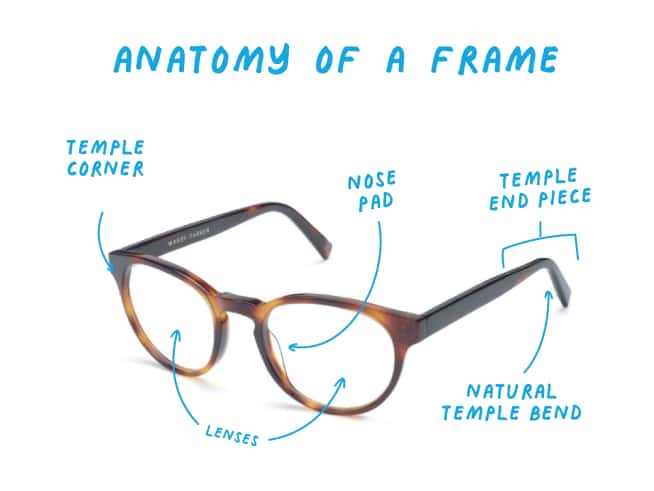
How glasses feel on the face depends on more than just weight. Factors such as frame shape, nose pad design, and how the frame rests behind the ears all play a role.
Some people are sensitive to certain metals. For example, nickel allergy is one of the more common causes of allergic contact dermatitis, and some metal frames contain nickel alloys.
Titanium is frequently used in devices and components that come into contact with tissues for extended periods. In consumer products such as eyewear, these characteristics are among the reasons titanium is often used in designs that rest directly on the skin.
However, individual responses to any material can vary. People with concerns about metal sensitivities or a history of skin reactions should consult a healthcare professional or allergist for guidance on materials that may be appropriate for their specific situation.
Beyond material choice, the way a frame is fitted can influence how it feels throughout the day. Because titanium can be used in relatively thin and lightweight designs, some wearers find that these frames feel less prominent on the face compared with thicker or heavier options. An optician can help adjust nose pads and temple arms to support a secure fit.
How Titanium Compares to Other Popular Frame Materials
When you’re choosing new glasses, it can be helpful to understand how titanium relates to other common materials.
Titanium vs. standard metal alloys Many metal frames are made from alloys such as monel or stainless steel. Titanium is often selected as a frame material when designers or wearers are looking for a combination of light weight and durability. It is highly rust resistant, and titanium frames are generally designed to resist corrosion in typical use environments, including regular exposure to moisture.
Titanium vs. plastic (acetate) frames Plastic frames (often acetate) can offer bold colors and a wide variety of shapes. They may be a good choice for wearers who want thicker or more statement-making silhouettes. Titanium frames, by contrast, are commonly used for slimmer, more understated profiles. Depending on the specific design, some acetate frames may feel more substantial on the face, while many titanium styles are built to be relatively lightweight.
Acetate can be adjusted using heat, which can be useful for fine-tuning fit, but over time some acetate frames may need periodic readjustment. Titanium frames are designed to maintain their shape under typical conditions, and certain designs may help the frame maintain its original alignment, which can reduce the need for adjustments for some wearers.
Cost considerations Titanium eyeglass frames are often priced higher than some basic metal or plastic options because of material and manufacturing factors. Some people view titanium as a longer-term choice and prefer to keep a frame they like through multiple lens updates, while others may prioritize a lower upfront cost or want to change frame styles more frequently.
Final Thoughts on Titanium Eyeglass Frames
Titanium eyeglass frames combine a relatively low material weight with notable strength and a streamlined appearance. Based on widely studied material properties, titanium offers a combination of lightness and durability that many wearers and designers find appealing.
If you are interested in lightweight metal frames, you may want to include titanium among the options you try on during your next visit to an optician or eyewear retailer. You can ask about frames that incorporate titanium or beta-titanium elements and compare how different materials feel when you wear them.
When you find a frame that fits your face well and aligns with your preferences, you may notice a difference in how the frame feels and how often you choose to have it adjusted. Consider discussing frame materials, lens options, and coatings with an eye care professional so that your next pair of glasses reflects both your style and your everyday needs.
Legal Disclaimer
MEDICAL DISCLAIMER: This content is provided for educational and informational purposes only and is not intended as medical advice, diagnosis, or treatment. This information should not be used to replace professional medical care or consultation. Individual results may vary significantly. Always consult with a qualified healthcare provider before making any decisions about your health, vision, or medical treatment. Never disregard professional medical advice or delay seeking treatment because of information you have read on this website.
VISION CARE DISCLAIMER: Vision correction needs vary by individual. Consult an eye care professional for personalized assessment and recommendations.
FDA DISCLAIMER: These statements have not been evaluated by the Food and Drug Administration. This content is not intended to diagnose, treat, cure, or prevent any disease or medical condition.
PROFESSIONAL CONSULTATION REQUIRED: Only qualified eye care professionals can provide personalized recommendations for your specific vision needs and health conditions.
This article is for informational purposes only. It is not intended to provide medical advice or substitute for professional health services. Warby Parker complies with all HIPAA regulations regarding your health information. For personal health questions or concerns related to your vision or eyewear prescriptions, please consult a qualified healthcare provider.