What Happens During an Eye Exam?
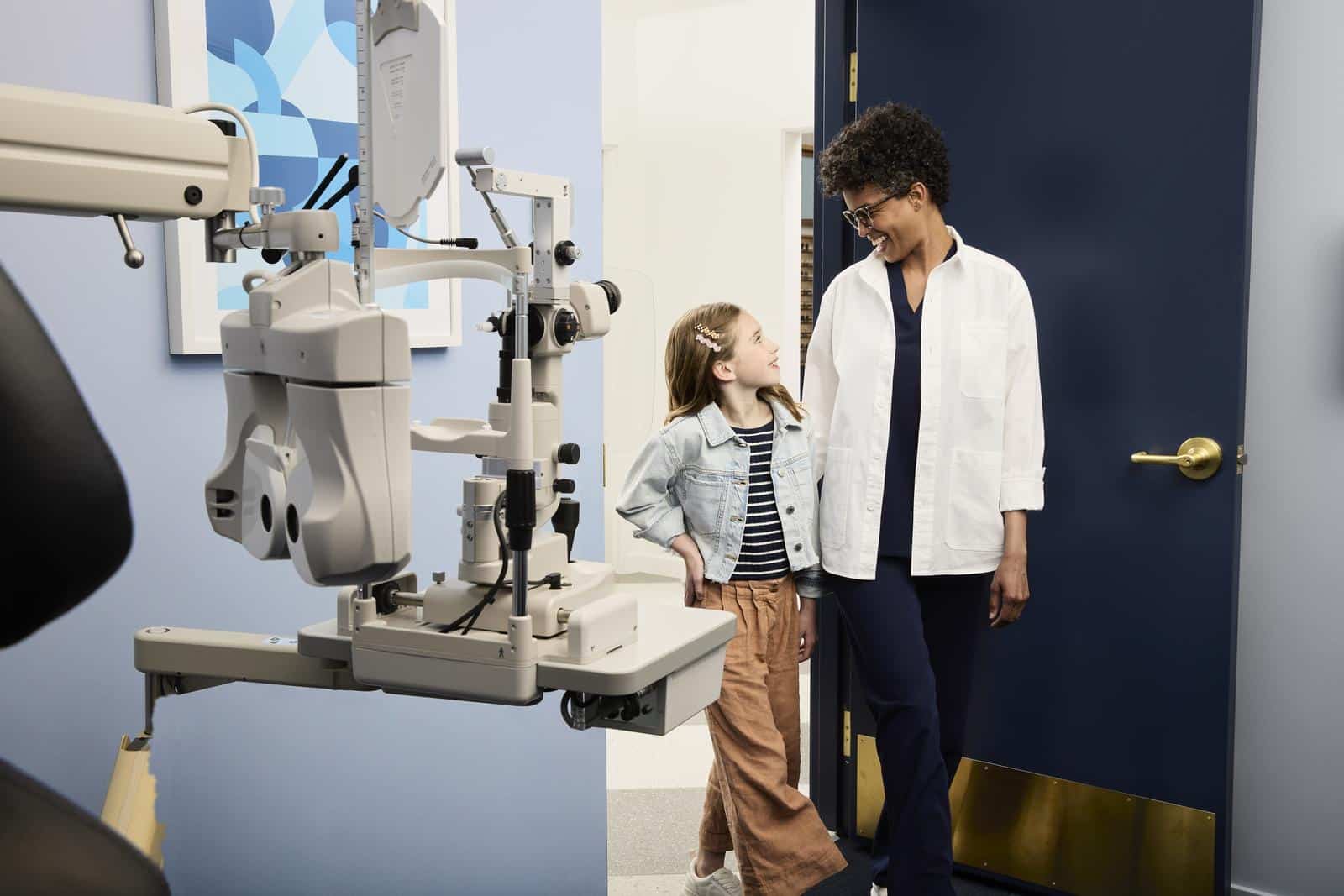
An eye exam is a routine healthcare appointment designed to answer a simple question: how well are your eyes working for the life you actually live? During the visit, an eye doctor or exam team evaluates your vision, checks the health of your eyes, discusses any symptoms or concerns you’re experiencing, and determines whether a prescription could help you see more clearly and comfortably.
That sounds straightforward enough, yet many people approach an eye exam with a surprising amount of uncertainty. Maybe you’ve noticed yourself squinting more often. Maybe road signs seem fuzzier than they used to. Maybe you’re fairly certain you need glasses but aren’t particularly excited about entering a world of prescriptions, lens options, and unfamiliar terminology. The anxiety isn’t usually about the exam itself. It’s about not knowing what’s coming next.
The good news is that eye exams are far less mysterious than many people imagine. No one expects you to understand optical jargon, memorize measurements, or arrive with a fully formed opinion about lens materials. You’re not being tested. You’re gathering information. The appointment is simply a structured conversation supported by a series of vision and eye-health evaluations designed to help you understand what your eyes need.
Looking for new lenses?
Our glasses include prescription lenses with scratch-resistant, anti-reflective coatings
In this guide, we’ll walk through the typical flow of an eye exam, what to bring with you, how long the visit may take, what questions are worth asking, and how the information on a prescription eventually becomes a pair of glasses you’ll actually enjoy wearing.
What Happens During an Eye Exam, Step by Step
A typical eye exam starts with check-in, where you may confirm basic information, payment or insurance details, and why you’re there, for example a glasses or contact exam. Then comes a conversation about your daily vision: reading, driving, office work, screen time, eye strain, or glasses that no longer feel quite right.
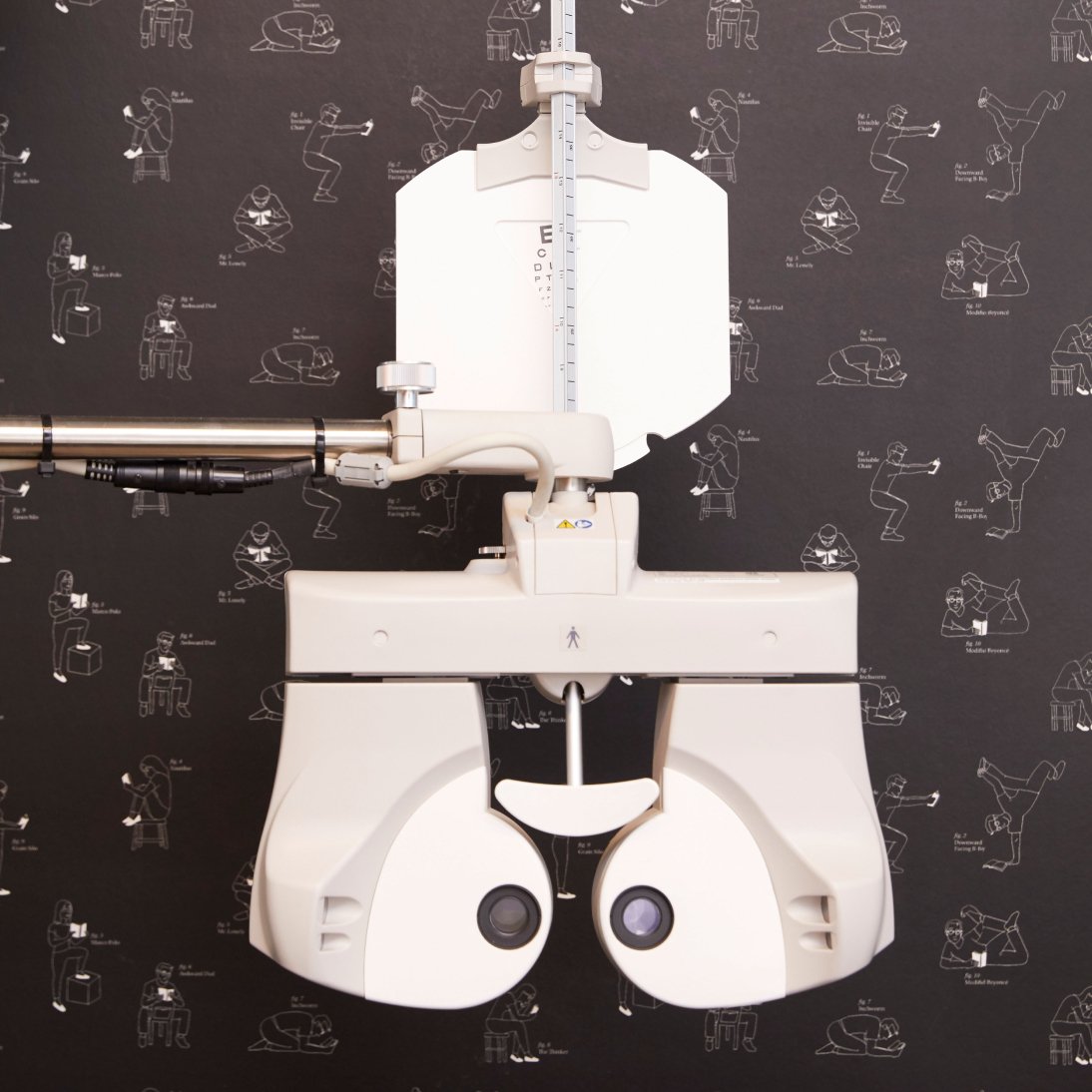
Next, the team usually checks visual acuity, which is the familiar letters-or-symbols-on-a-chart moment. You may read at a distance, up close, or both.
Refraction is the “which is clearer, one or two?” part. You don’t have to be perfect. If both choices look similar, say so. Routine eye health checks may also involve lights, lenses, imaging, or dilation when appropriate. The visit usually ends with a prescription discussion and room for questions.
Add a pair and save
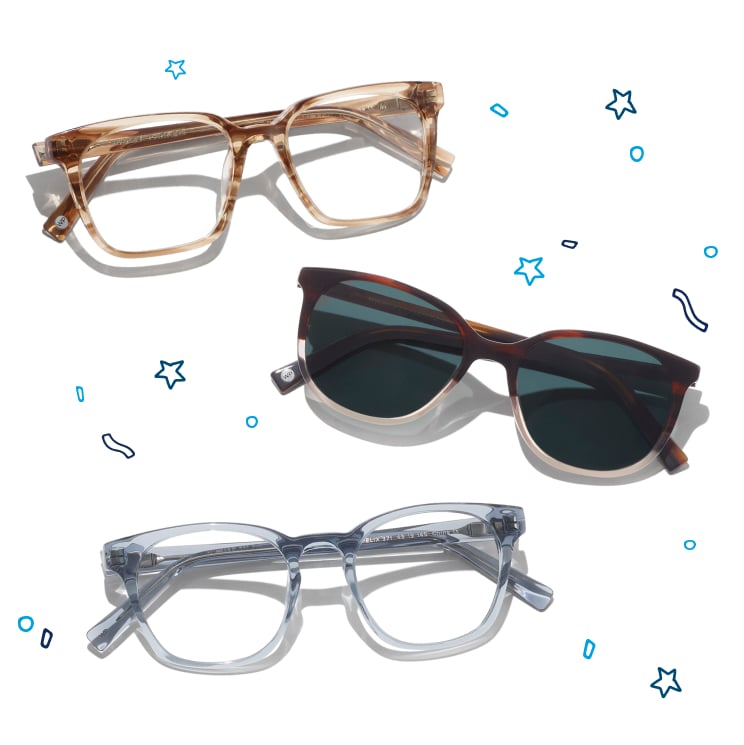
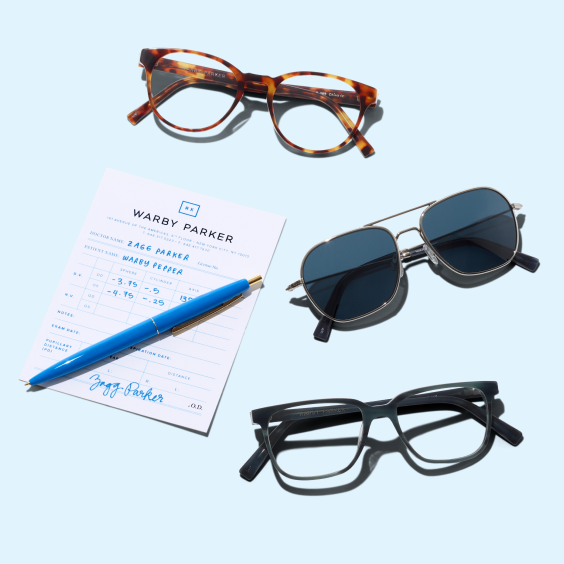
Buy one prescription pair and save 20% on additional pairs—eyeglasses or sunglasses!
How to Arrive Prepared
You don’t need optical vocabulary to have a useful exam. You just need a few honest notes about what’s changed.
- Bring: Current glasses or contacts, any existing prescription, ID, payment or insurance information if relevant, and notes about your vision habits.
- Mention: Blurry distance vision, trouble reading, squinting, glare discomfort, headaches, eye fatigue, driving needs, or close-up work.
- Ask: Is this prescription new, updated, or unchanged? Is it for everyday wear, reading, distance, or progressives? Do I need a pupillary distance measurement before ordering glasses?
If you feel unsure, say you’re new to this or you haven’t had an exam in a while. That’s useful information, not a confession.
How Long an Eye Exam Takes, and Where People Get Tripped Up
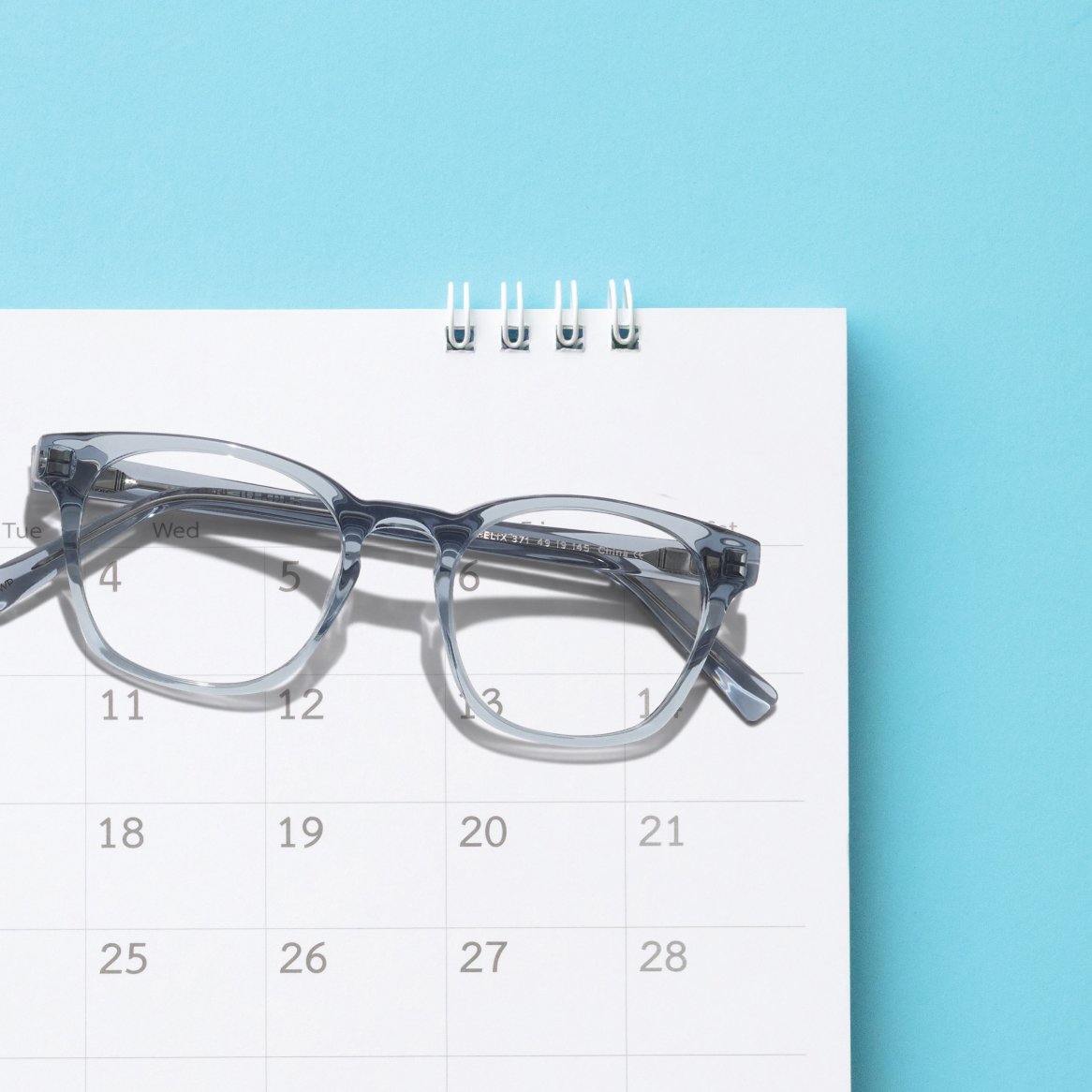
Timing varies by location, provider, and appointment type. Many routine exams fit into a standard appointment window, but it’s smart to allow extra time for check-in, questions, possible dilation, browsing frames, or getting fit help afterward.
A few common tripwires: assuming the exam is only a glasses test, rushing through the one or two choices, forgetting to mention real-life tasks, or leaving without a copy or explanation of the prescription. The better the handoff, the easier the glasses part gets.
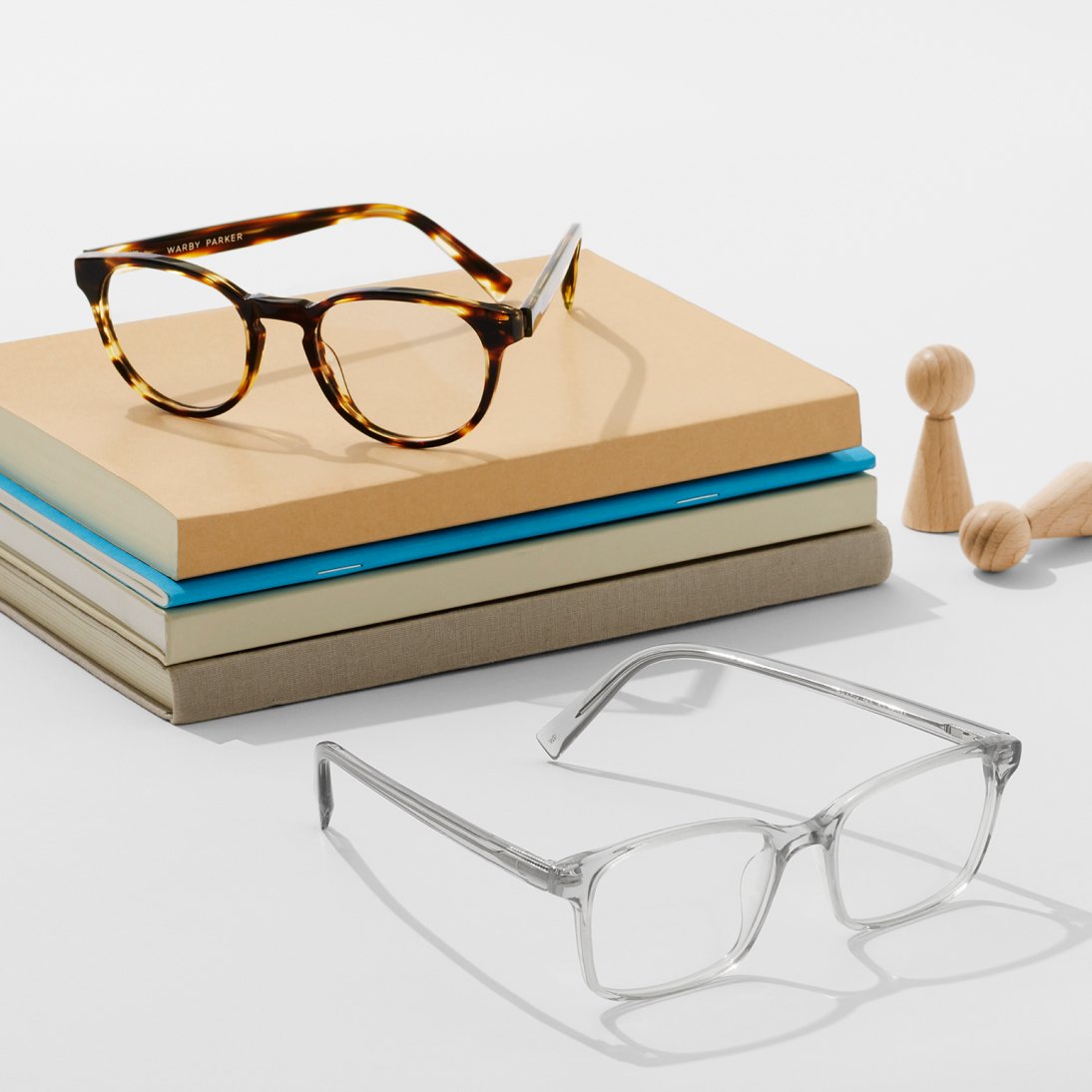
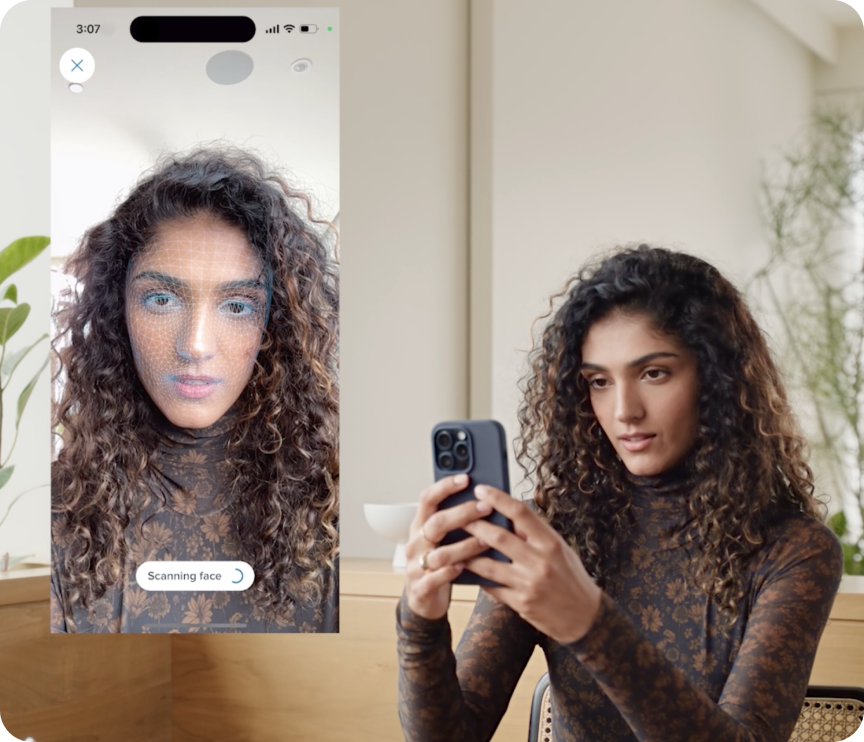
Once you have your prescription, you can shop prescription eyeglasses, use virtual try-on to compare frame shapes, or visit a store for fitting help.
Showcase those peepers
All eyes deserve to see clearly. Frame them with glassses—or go with contacts.
After the Exam: Turning Your Prescription Into Glasses You’ll Actually Wear
After the exam, the question isn’t only which frames look good. It’s fit, lens type, daily use, and style, all working together on your face.
Single-vision lenses provide one prescription power for one viewing distance. Progressives support multiple viewing distances when prescribed. Readers may be used for near tasks when appropriate. Lens treatments can also shape how your glasses feel day to day. For example, anti-reflective treatment can help reduce glare, and photochromic lenses can adjust tint in changing light.
Fit matters, too: frame width, bridge fit, temple length, lens height, and where the frames sit. Compare frame options, use virtual try-on, and ask about lens and fitting support when you shop.
Quick Prescription-to-Frames Matchup
If your prescription is for distance, look for comfortable everyday frames for commuting, driving, and general wear. If it’s for reading or near work, think about how often you’ll put glasses on and take them off.
If you’re prescribed progressives, ask about frame shapes with enough lens height. If your prescription changed, it may be a natural moment to refresh your frames. First pair? Start versatile, then compare a few shapes. Your face gets a vote.
See any frames you like?
Instantly (and virtually) try them on
What Happens During an Eye Exam, Then What Comes Next
Back to that moment when you’re sitting on the couch debating whether to book the appointment: the most important thing to understand is that an eye exam isn’t a performance. There is no score, no preparation packet, and no penalty for not knowing the terminology. It’s simply a structured conversation combined with a series of measurements designed to help you understand how your eyes are functioning and whether they could be working better.
Your role is surprisingly simple. Show up with whatever information you have, describe the situations where your vision feels less than ideal, ask questions when something isn’t clear, and leave with a better understanding of what’s actually going on. The exam provides information. The conversation provides context. Together, they create a practical roadmap for what comes next.
From there, the process becomes much easier. You’ll know whether you need a prescription, whether your current prescription has changed, and what kinds of lenses make sense for your lifestyle. The technical side of the decision becomes clearer, which frees you to focus on the more personal side: comfort, style, and how you want your glasses to fit into your daily life.
That’s the part many people miss. A prescription can tell you what your eyes need, but it can’t tell you what feels like you. The measurements provide the direction. Your preferences provide the final decision. The right pair of glasses is usually the one that satisfies both.
Are you struggling to see?
Improve your outlook with new prescription glasses or contacts—we’ve got both!
Legal Disclaimer
MEDICAL DISCLAIMER: This content is provided for educational and informational purposes only and is not intended as medical advice, diagnosis, or treatment. This information should not be used to replace professional medical care or consultation. Individual results may vary significantly. Always consult with a qualified healthcare provider before making any decisions about your health, vision, or medical treatment. Never disregard professional medical advice or delay seeking treatment because of information you have read on this website.
VISION CARE DISCLAIMER: Vision correction needs vary by individual. Consult an eye care professional for personalized assessment and recommendations.
FDA DISCLAIMER: These statements have not been evaluated by the Food and Drug Administration. This content is not intended to diagnose, treat, cure, or prevent any disease or medical condition.
PROFESSIONAL CONSULTATION REQUIRED: Only qualified eye care professionals can provide personalized recommendations for your specific vision needs and health conditions.
This article is for informational purposes only. It is not intended to provide medical advice or substitute for professional health services. Warby Parker complies with all HIPAA regulations regarding your health information. For personal health questions or concerns related to your vision or eyewear prescriptions, please consult a qualified healthcare provider.
What should I bring to an eye exam?
Bring current glasses or contacts, any current prescription, ID, payment or insurance information if relevant, and notes about when your vision feels unclear.
How long does an eye exam usually take?
It varies by provider and appointment type. Plan for the exam plus extra time for check-in, questions, possible additional checks, and browsing frames afterward.
Does an eye exam hurt?
A routine eye exam is generally designed to check vision and eye health with charts, lenses, lights, and instruments. Some parts may feel unfamiliar, but there is no pain involved, and you can ask questions during the exam.
What happens after an eye exam if I need glasses?
You’ll receive or confirm a prescription, then choose frames and lenses that match your vision needs, fit, and routine. You may also need measurements such as pupillary distance.
Can I buy glasses right after an eye exam?
In many cases, yes, once you have a valid eyeglasses prescription and needed measurements. You can browse frames, use virtual try-on, or get in-store help.