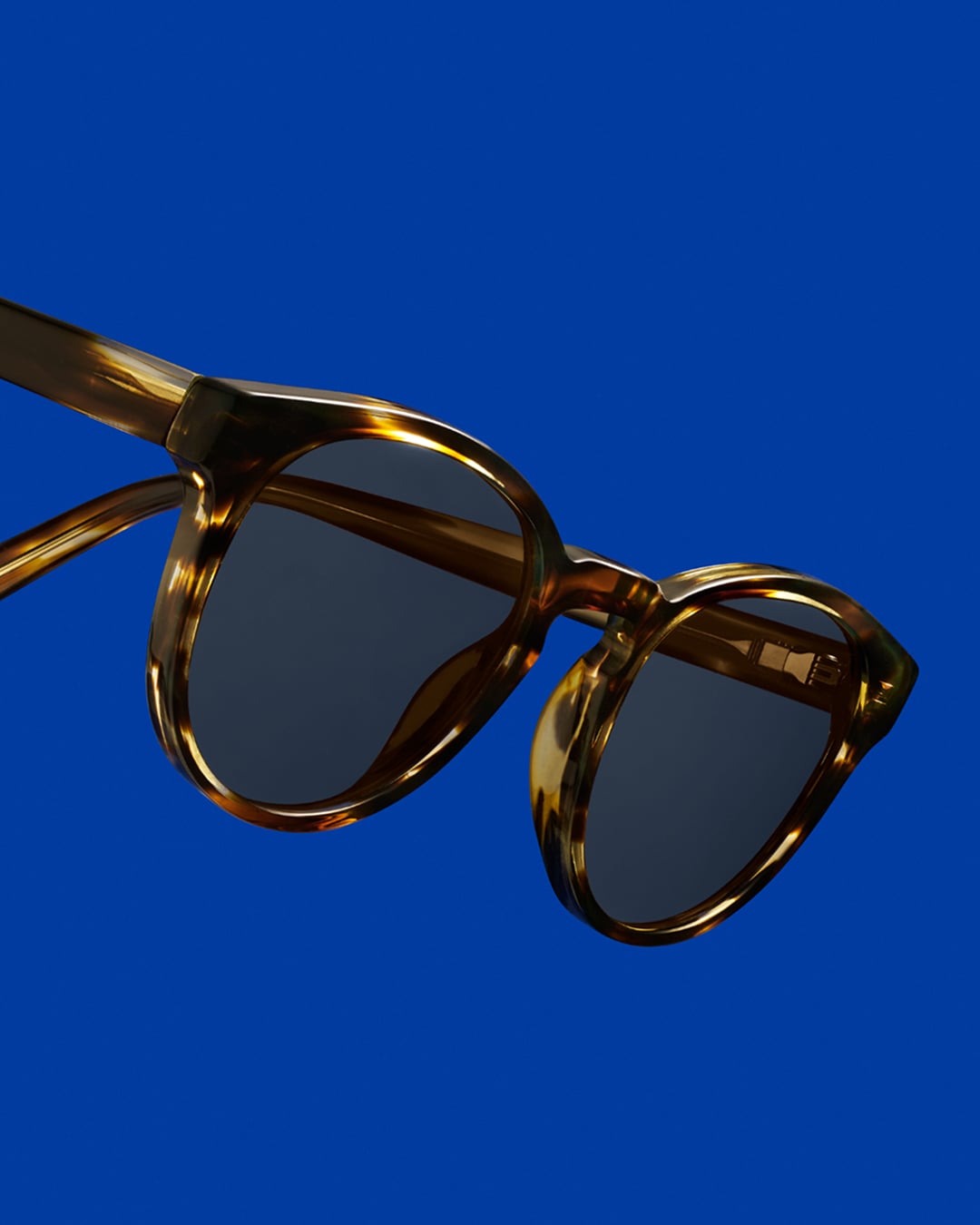
Premium Prescription Sunglasses: Understanding When Upgrades May Make Sense
Although it’s always nice to have choices, these days, buying sunglasses can come with an overwhelming list of options: UV filters, polarization, mirror coatings, blue-light filters, and more. It is not always obvious which features are designed to help block harmful rays from the sun and which are mostly cosmetic.
This article is designed to help you think through features you might consider for premium prescription sunglasses. Instead of guessing at the optician’s counter, you will better understand what each upgrade is designed to do.
We will break down commonly discussed features in premium prescription sunglasses and summarize how people often use them, including options related to UV filtering and glare control.
By the end, you may have an easier time deciding which upgrades feel right for your lifestyle, and where a simpler pair of sunglasses may suit your needs.
First Things First
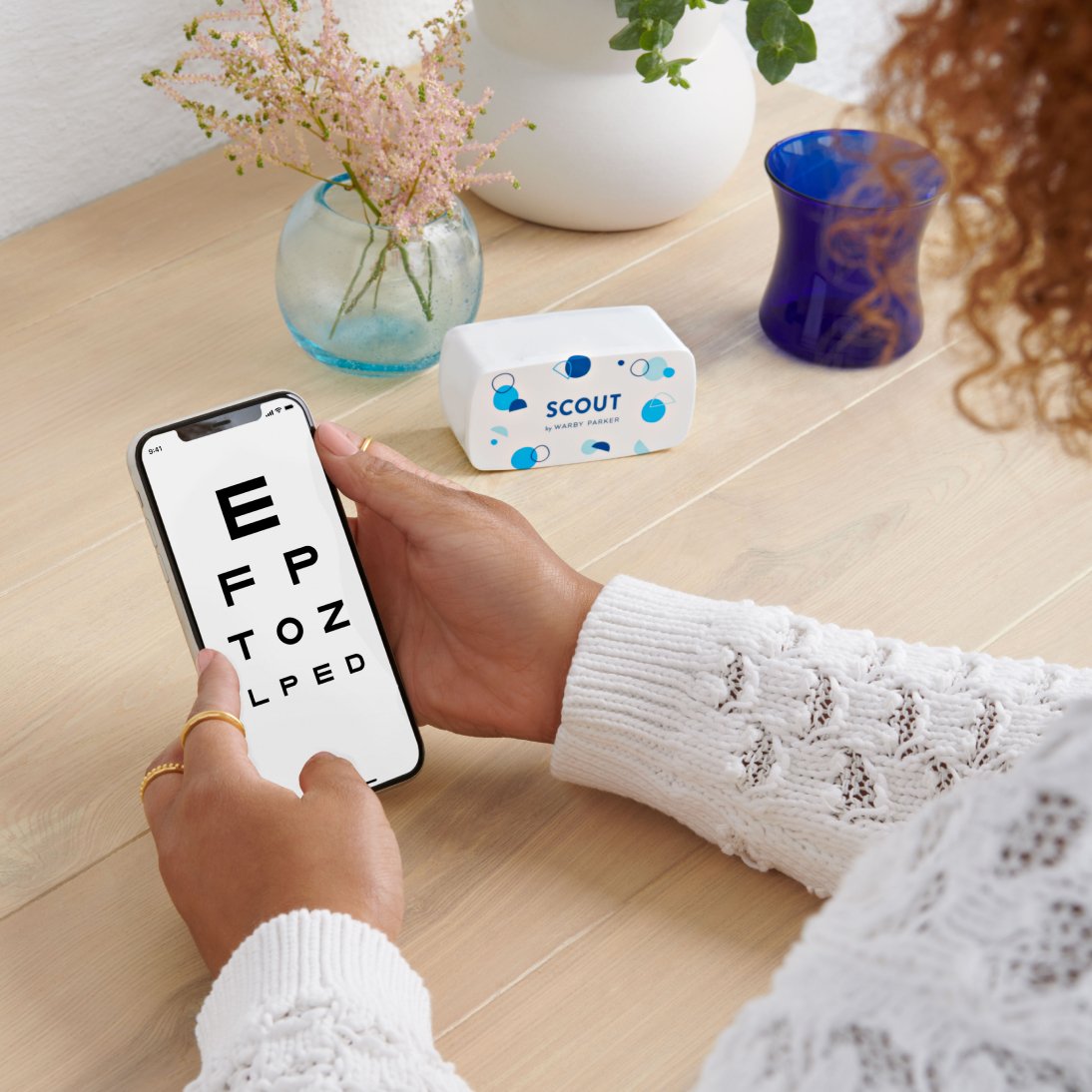
Renew your prescription from home with Virtual Vision Test
What Makes Premium Prescription Sunglasses “Premium”?
“Premium” does not just refer to price or trends. In sunglasses, it often refers to certain lens and frame options that can be selected based on how you plan to use your eyewear.
For prescription lenses, many people pay attention to how clearly they can see through their sunglasses in everyday situations. Lens design, prescription accuracy, and how the frame sits on your face can all influence how things look when you wear your glasses.
Many people also look for sunglasses with reliable UV filtering. Dark lenses alone are not enough; the UV filter should be built into the lens material or coating and clearly labeled.
Peep this
We offer prescription glasses starting at $95, with free shipping and free returns
Coverage and fit are other factors people consider. Wraparound styles or lenses with more vertical depth can help limit stray light from the sides and above the frame. This can help reduce the amount of bright light and glare entering your eyes from different angles, especially if you spend time in very bright and/or reflective environments.
Some premium prescription sunglasses also offer lens materials like high-index plastics for thinner profiles, impact-resistant, lightweight polycarbonate, and various scratch resistant and reflection reducing coatings. These features can help lenses resist everyday wear and tear, which may help extend how long you are able to use the eyewear.
UV Filtering, Glare, and Tints
Public health organizations highlight UV protection as an important consideration. When choosing sunglasses, many people look for options labeled as filtering 99-100% of UVA/UVB rays.
Glare is another factor some people think about. Reflections from water, snow, glass, or wet roads can be visually distracting and may make it harder to see details in some situations. Polarized lenses are designed to filter certain types of reflected light.
- Polarized lenses: Often chosen by drivers, boaters, anglers, and others who spend time around reflective surfaces. They are designed to help reduce certain horizontally reflected light.
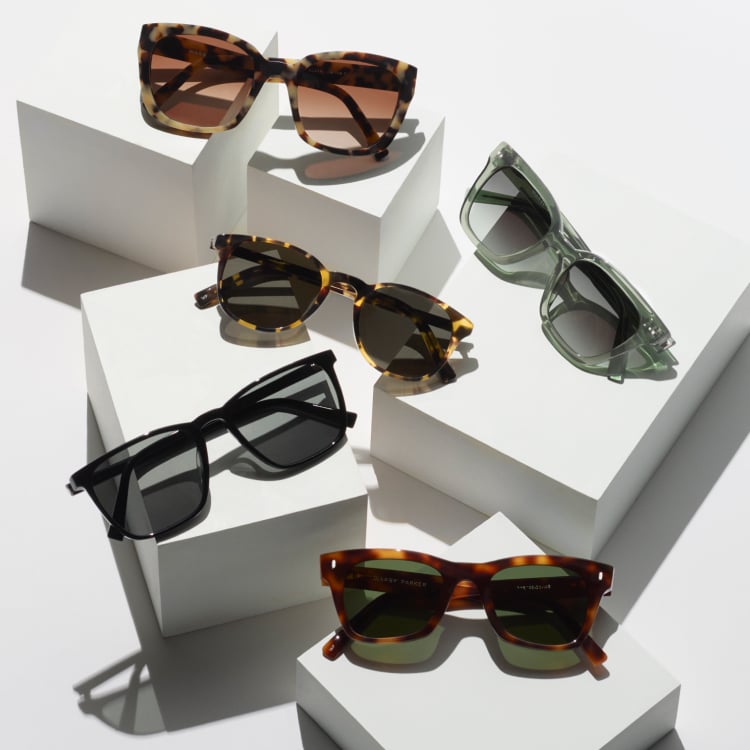
- Lens tints: Neutral gray tints are often used for everyday wear because they help maintain more natural color perception. Brown or copper tints are sometimes chosen by people who feel they offer more contrast in certain lighting. Green tints can provide contrast and color balance for many activities including sports played on grass and water-based activities.
- Gradient tints: Darker at the top and lighter at the bottom. Some people like them for driving, since the darker upper part can help with bright light from above, while the lighter lower part can make it easier to view dashboards and interiors.
- Photochromic (light-adaptive) lenses: Designed to be clearer indoors and darker outdoors. These may appeal to people who prefer not to switch between separate eyeglasses and sunglasses, though they can be slower to darken and don’t fully darken inside cars, depending on the amount of UV reaching the lenses.
Many people choose a combination of certified UV filtering, a tint they find comfortable, and polarization (if appropriate for their activities). These are commonly selected upgrades for people who spend a lot of time outdoors and/or in bright environments.
Which Extras Are Nice-to-Have vs. Often Selected?
Once you have considered UV filtering, tint, and frame fit, other options may come down to convenience and preferences.
Scratch resistant coatings are commonly selected because they are designed to help resist surface marks and scratches from everyday handling. Reflection resistant coatings on the back surface of sunglass lenses are designed to help reduce reflections from light coming from behind you.
Prescription Expired?
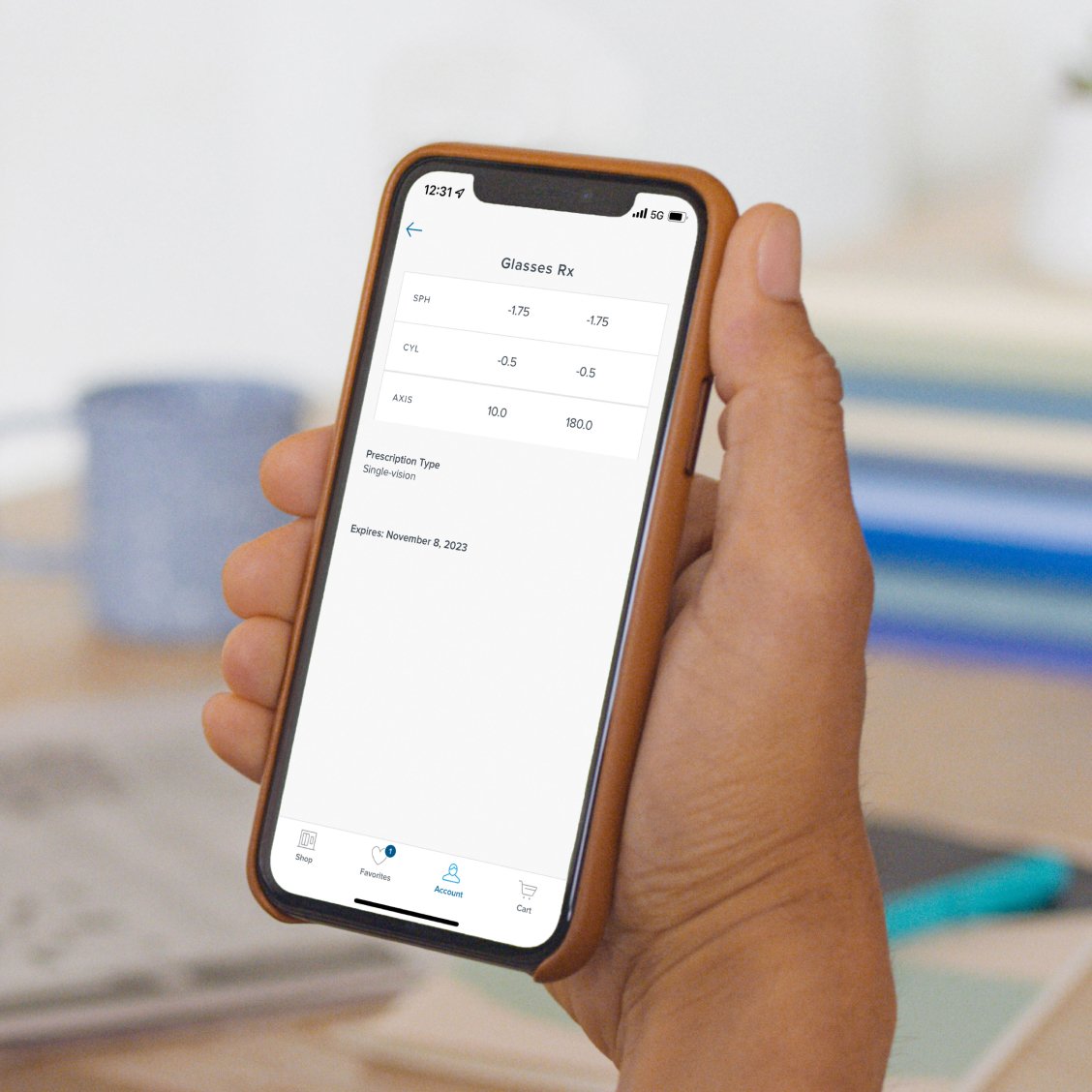
If you’re still seeing clearly, you can renew your prescription from home for just $15
By contrast, blue-light filtering for sunglasses has been studied with more mixed results. If your main interest is outdoor use, you may want to focus first on UV filtering, polarization, and durable lens coatings.
Frame choices also influence how satisfied you feel with your sunglasses. Lightweight materials, nose pads that sit comfortably, and secure temples can help your sunglasses stay in place during daily activities. Hinges and finishes can also affect how the frame feels and how it holds up over time, particularly if the fit of the frame works well for the contours of your face.
Final Thoughts on Premium Prescription Sunglasses
When you evaluate premium prescription sunglasses, you may want to focus first on core features: sunglasses labeled as providing 99-100% UVA/UVB filtering, a level of coverage you find comfortable, and a tint that feels appropriate for your typical environments.
Many wearers find that adding polarization can make a noticeable difference in how reflections appear in bright, reflective conditions. Whether that feels important will depend on how and where you plan to use your sunglasses.
Features like certain coatings, lens materials, and frame designs may be especially appealing if you plan to use the sunglasses regularly and/or keep them for multiple years. Other add-ons may feel more optional.
If you are considering an upgrade, it can help to think about where and how you use sunglasses most, driving, sports, time on the water, or city walking, and then speak with an eye care professional about which general types of lenses are commonly used for those activities.
Frequently Asked Questions
Are premium prescription sunglasses worth the extra cost?
They may feel worthwhile if the features align with how you plan to use them, for example, sunglasses that are labeled as providing UV filtering, offer polarization if you spend time around reflective surfaces, include durable coatings, and come in a frame you feel comfortable wearing regularly. These features are designed to support visual clarity and everyday wear.
Need a computer glasses prescription?
We know some top-notch optometrists who can help
What is an important feature to consider in premium prescription sunglasses?
Many eye care professionals emphasize choosing sunglasses with reliable UV filtering. Look for labeling that indicates 99-100% UVA/UVB filtering, regardless of lens color or price, and consider asking your eye care professional if you are unsure.
Do I really need polarized lenses?
Whether polarized lenses make sense depends on your activities and preferences. If you drive a lot, spend time on water or snow, or are frequently in bright, reflective environments, polarized lenses are often chosen because they are designed to help reduce certain types of reflected light.
Which tint color is commonly used for everyday wear?
Neutral gray is a common all-around choice because it tends to preserve more natural color perception. Some people prefer brown or copper tints if they feel these offer more contrast for driving or outdoor sports. The “right” tint is largely a matter of what feels most comfortable and useful for you in typical lighting.
Are blue-light filters necessary in sunglasses?
For outdoor use, many people and professional organizations focus more on UV filtering than on blue-light filtering. If you have specific questions about blue light and your eyes, consider speaking with an eye care professional.
How long might premium prescription sunglasses last?
Longevity varies based on materials, how often you wear them, and how you care for them. With quality materials and proper care, many people are able to use the same pair for multiple years, updating only when their prescription and/or style preferences change.
Legal Disclaimers
MEDICAL DISCLAIMER
This content is provided for educational and informational purposes only and is not intended as medical advice, diagnosis, or treatment. This information should not be used to replace professional medical care or consultation. Individual results may vary significantly. Always consult with a qualified healthcare provider before making any decisions about your health, vision, or medical treatment. Never disregard professional medical advice or delay seeking treatment because of information you have read on this website.
VISION CARE DISCLAIMER
Vision correction needs vary by individual. Consult an eye care professional for personalized assessment and recommendations.
FDA DISCLAIMER
These statements have not been evaluated by the Food and Drug Administration. This content is not intended to diagnose, treat, cure, or prevent any disease or medical condition.
PROFESSIONAL CONSULTATION REQUIRED
Only qualified eye care professionals can provide personalized recommendations for your specific vision needs and health conditions.
Need Glasses?
Shop prescription glasses starting at $95