For many of us, our glasses are often as integral to work as a laptop or sketchbook. For many architects and designers, visual detail is a primary tool – every pixel, line weight, and material swatch depends on how clearly things appear.
This guide outlines how to think about glasses for architects and designers that are designed for common design workflows CAD, BIM, and Adobe tools plus client meetings and site visits, while still reflecting your aesthetic preferences.
We’ll look at how different lenses, coatings, and frame designs are commonly used for extended computer-based work and detailed visual tasks.
By the end, you’ll have a clearer sense of what to consider in task-focused eyewear for design work and how to discuss your workspace during an eye exam, along with frame styles that can align with a modern, creative studio wardrobe.
Why Architects and Designers May Look for Task-Focused Glasses
Many off-the-shelf glasses are designed for general reading or distance, not long stretches spent switching between large monitors, physical models, and client decks. Design work can be visually detailed, and requires close attention to small interface elements, fine lines, layered grids, and frequent color decisions.
Extended screen use in these situations can contribute to eye strain, and sometimes may be associated with headaches, blurred vision, and dry eyes.
Studio setups often involve multiple displays, tablets, and phones. You may find yourself refocusing between near, intermediate, and mid-distance throughout the day.
Some people use task-focused glasses for architects and designers that are configured for commonly used working distances. For many wearers, this type of setup is intended to make it easier to view screens and documents in a way that feels visually comfortable. An eye care professional can help determine what’s appropriate for your individual needs.
Key Lens Features in Glasses for Architects and Designers
The lenses are a key part of how your glasses function. One of the first decisions is whether you’ll use single-vision, office/progressive, or multifocal lenses. If most of your day is on a monitor, some people choose dedicated “office” or “computer” progressives that are configured for the intermediate distances they use most often.
Reflection resistant coating is commonly chosen for design-related work. It’s designed to help reduce the appearance of reflections from overhead lights and screens and can make your eyes more visible in client meetings. Some people also choose subtle blue-light-filtering treatments. Certain modern coatings are designed to filter portions of higher-energy visible light while aiming to keep colors looking natural for visual work.
Consider these lens options for design-focused eyewear (your eye care provider can help you decide what’s right for you):
- Computer-focused progressives: Lenses designed with a relatively wide intermediate area for viewing monitors, with a shorter distance range, which some people prefer for days spent primarily in a studio or office.
- Enhanced single-vision lenses: Designs intended for common screen-viewing distances, which some wearers choose for focused computer work.
- Photochromic or light-adaptive lenses: Lenses that adjust their tint based on light conditions, which may be useful if you frequently move between bright outdoor spaces and indoor environments, though some people prefer a separate, dedicated indoor pair.
It can be helpful to describe your typical setup during an eye exam screen size, approximate viewing distances, and how you use your devices throughout the day.Your eye care provider can factor this information into their recommendations.
Frame Design: Comfort, Style, and Studio Practicality
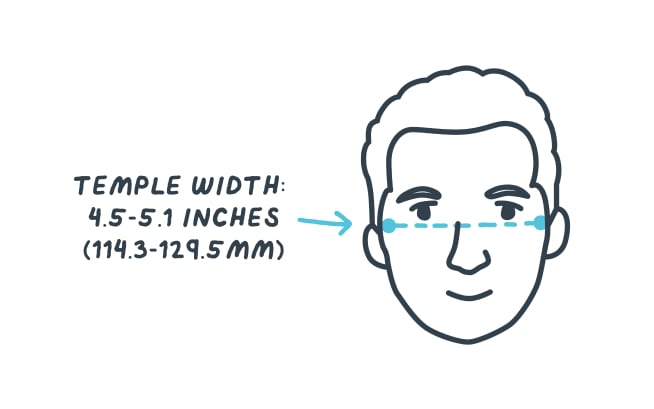
Once your lens choices are in place, frame design plays a big role in how your glasses feel and look throughout the day. Comfort often starts with fit: lightweight materials like titanium or thin acetate, well-adjusted nose pads, and temples that are less likely to feel tight under headphones or hardhats.
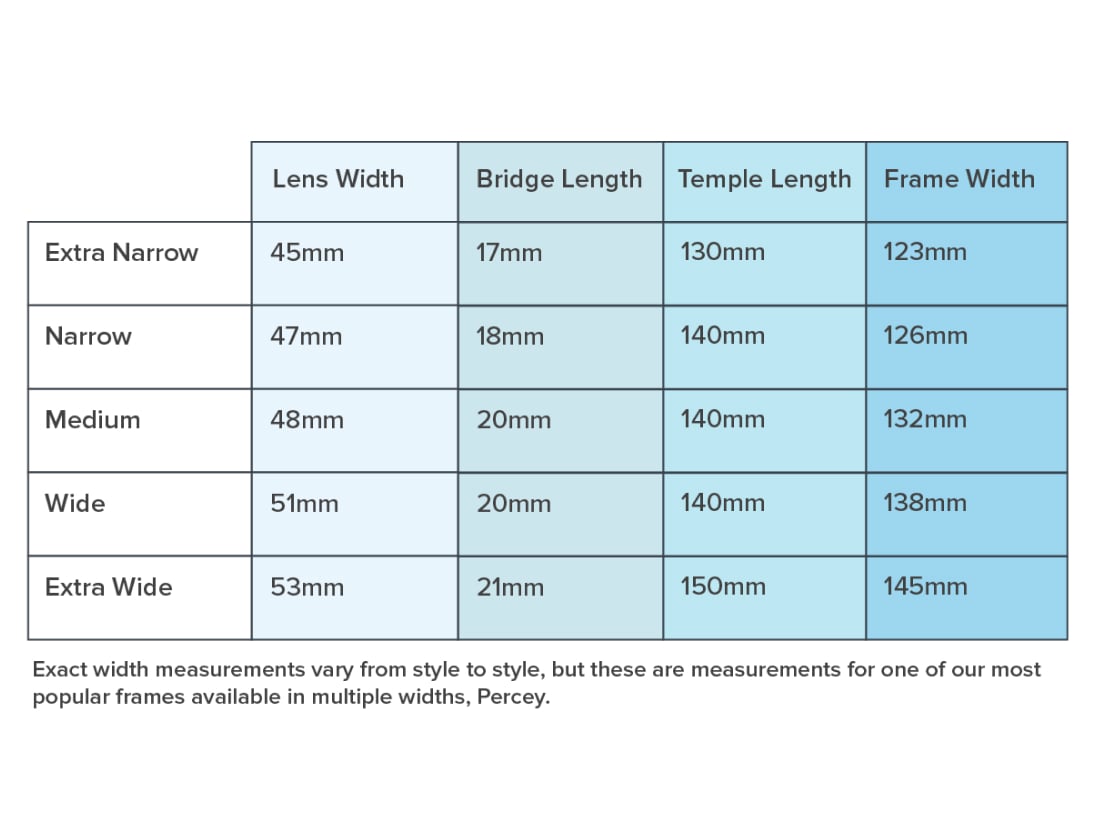
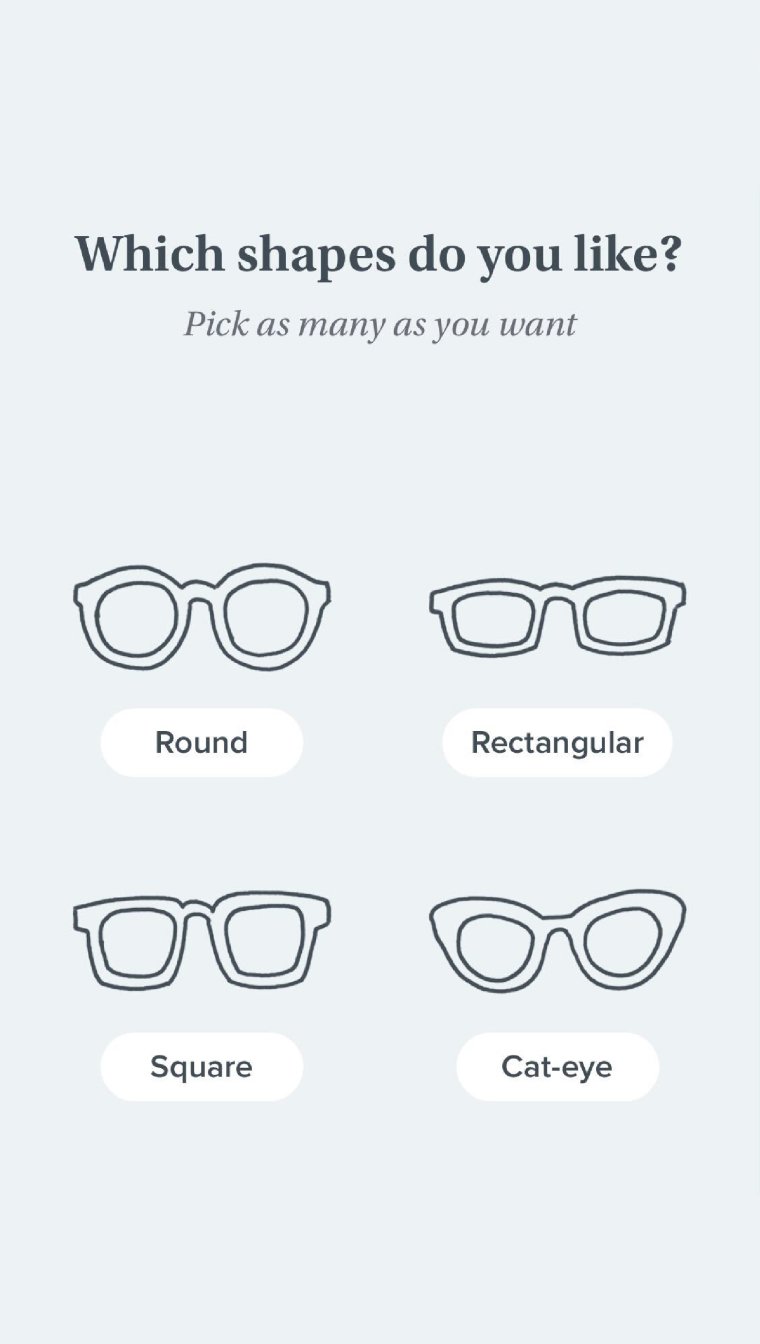
Frame shape can also influence how you tend to hold your head while you work. Larger, taller lenses can provide a wider viewing area within the frame, which some people prefer when using progressive or computer-focused lenses. Some people find that very narrow frames give them less vertical space to view a screen comfortably.
Think about your workflow and physical environment as well:
- Studio days: Matte finishes can help reduce visible glare on the frame; neutral tones (black, tortoise, slate) tend to pair easily with most outfits.
- Client-facing days: Clean lines and subtle metal accents can project a polished, precise look.
- Site visits: You may want a second, more rugged pair or clip-ons with lenses designed for impact resistance and additional sun protection. Ask an eye care professional which options may be appropriate for your activities.
Glasses can also be a visible part of your personal style. Bold acetate, distinctive bridges, or geometric silhouettes can echo a strong design sensibility, while minimalist rimless or fine-wire frames can complement a quieter aesthetic. The goal is to choose frames that feel like a natural extension of how you present your work and yourself.
Glasses for Architects and Designers
For many architects and designers, the most useful glasses combine lens choices that fit their typical tasks, comfortable fit, and intentional style. Task-focused lenses set for common screen distances, reflection resistant and optional blue-light-filtering coatings, and thoughtfully fitted frames are often chosen by people who spend a lot of time on visually detailed work.
You might start by taking stock of your current setup: how far your screens usually are, how long you typically use them, and when your eyes or neck tend to feel tired. Bringing those observations to an eye exam can help you and your eye care provider talk about options such as computer or office lenses, designs configured for your typical working distances, and frame shapes that provide a viewing area that feels comfortable for you.
If you’ve already tried different eyewear setups, you can share what has fit your workflow with colleagues or peers, and you can also explore related resources on ergonomic workstations and lighting to help you shape a studio environment that supports the way you like to work.
Legal Disclaimer
MEDICAL DISCLAIMER: This content is provided for educational and informational purposes only and is not intended as medical advice, diagnosis, or treatment. This information should not be used to replace professional medical care or consultation. Individual results may vary significantly. Always consult with a qualified healthcare provider before making any decisions about your health, vision, or medical treatment. Never disregard professional medical advice or delay seeking treatment because of information you have read on this website.
VISION CARE DISCLAIMER: Vision correction needs vary by individual. Consult an eye care professional for personalized assessment and recommendations.
FDA DISCLAIMER: These statements have not been evaluated by the Food and Drug Administration. This content is not intended to diagnose, treat, cure, or prevent any disease or medical condition.
PROFESSIONAL CONSULTATION REQUIRED: Only qualified eye care professionals can provide personalized recommendations for your specific vision needs and health conditions.
This article is for informational purposes only. It is not intended to provide medical advice or substitute for professional health services. Warby Parker complies with all HIPAA regulations regarding your health information. For personal health questions or concerns related to your vision or eyewear prescriptions, please consult a qualified healthcare provider.
What type of glasses do architects and designers commonly choose?
Many architects and designers choose office or computer-focused lenses with a relatively wide intermediate viewing area, paired with reflection resistant coating and, in some cases, subtle blue-light-filtering treatments. These are often combined with lightweight, medium-to-larger frames. An eye care professional can help determine whether this type of setup is appropriate for you.
Do I need separate glasses for computer work?
Some people use the same pair of glasses for most activities, while others prefer a dedicated pair configured for their typical monitor distance instead of using a single pair for every task. Your eye care provider can discuss whether separate glasses for computer work make sense for your prescription and daily routine.
How are glasses used in relation to digital eye strain for designers?
Some people who spend a lot of time at screens use glasses that are configured for their usual viewing distances and include features such as reflection resistant coatings or other lens options. An eye care professional can discuss which lens and frame options may be appropriate for your individual situation and whether they may be helpful for you.
How do blue-light-filtering coatings relate to color-critical design work?
Some people who do color-critical design work prefer coatings that are designed to have minimal color shift so hues appear more consistent. Heavier tints may change how colors appear on screen. If accurate color perception is important to your work, you can discuss coating options with your eye care provider.
What frame shapes do people often pair with progressive or office lenses?
Medium-to-large, taller frames are often paired with progressive or office lenses because they can offer more space within the lens to view different parts of your screen and nearby materials. Your eye care provider or optician can help you assess whether a particular frame shape provides enough lens height for your lens type.
How should I set up my monitor when wearing design-focused glasses?
Monitor setup is generally considered part of overall ergonomics rather than something specific to any one pair of glasses. For individualized guidance, consider consulting an ergonomics specialist or other qualified professional.