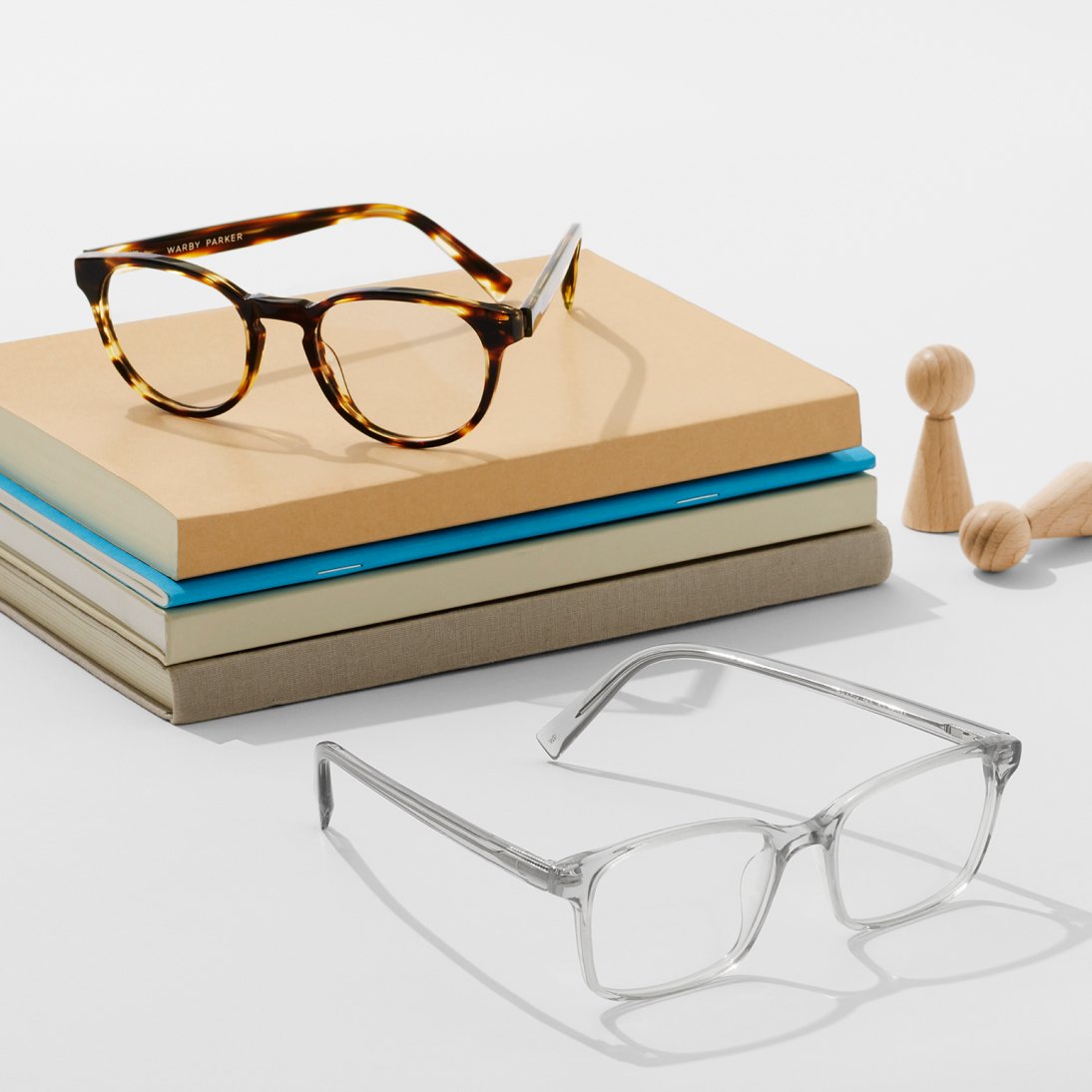
Life is busy these days, and your eyewear is always an important part of your travel setup. They’re something you reach for in airports, on planes, at hotels, and when you’re out exploring the world.
This guide is designed to help you think through features that may be useful in glasses for travel,whether you’re headed to airport security, red-eye flights, beach days, or late-night work sessions.
We’ll look at how to choose glasses for travel that are designed with durability and portability in mind, are comfortable for you to wear, and are simple to pack.
By the end, you’ll have a clearer sense of which frame materials tend to travel well, what to consider in prescription glasses and sunglasses for trips, how many pairs some travelers bring, and practical ways to help protect your eyewear wherever you go.
What Makes Glasses Useful for Travel?
When you’re on the move, your eyewear often needs to do more than match your outfit. Many people look for travel glasses that balance durability, comfort, and versatility.
Lightweight materials like titanium and stainless steel are often chosen because they can be light on the face and may be more resistant to everyday wear in crowded bags.
Flexibility can matter, too. Spring hinges, memory-metal bridges, and bendable temples may help your glasses hold up during travel and frequent packing and unpacking. If you tend to tuck your glasses into a backpack or purse, you might consider compact or foldable frames that fit into a small, hard-shell case.
Lens choice is another factor. Having an up-to-date prescription can be especially helpful when you’re reading signs or navigating transit maps.
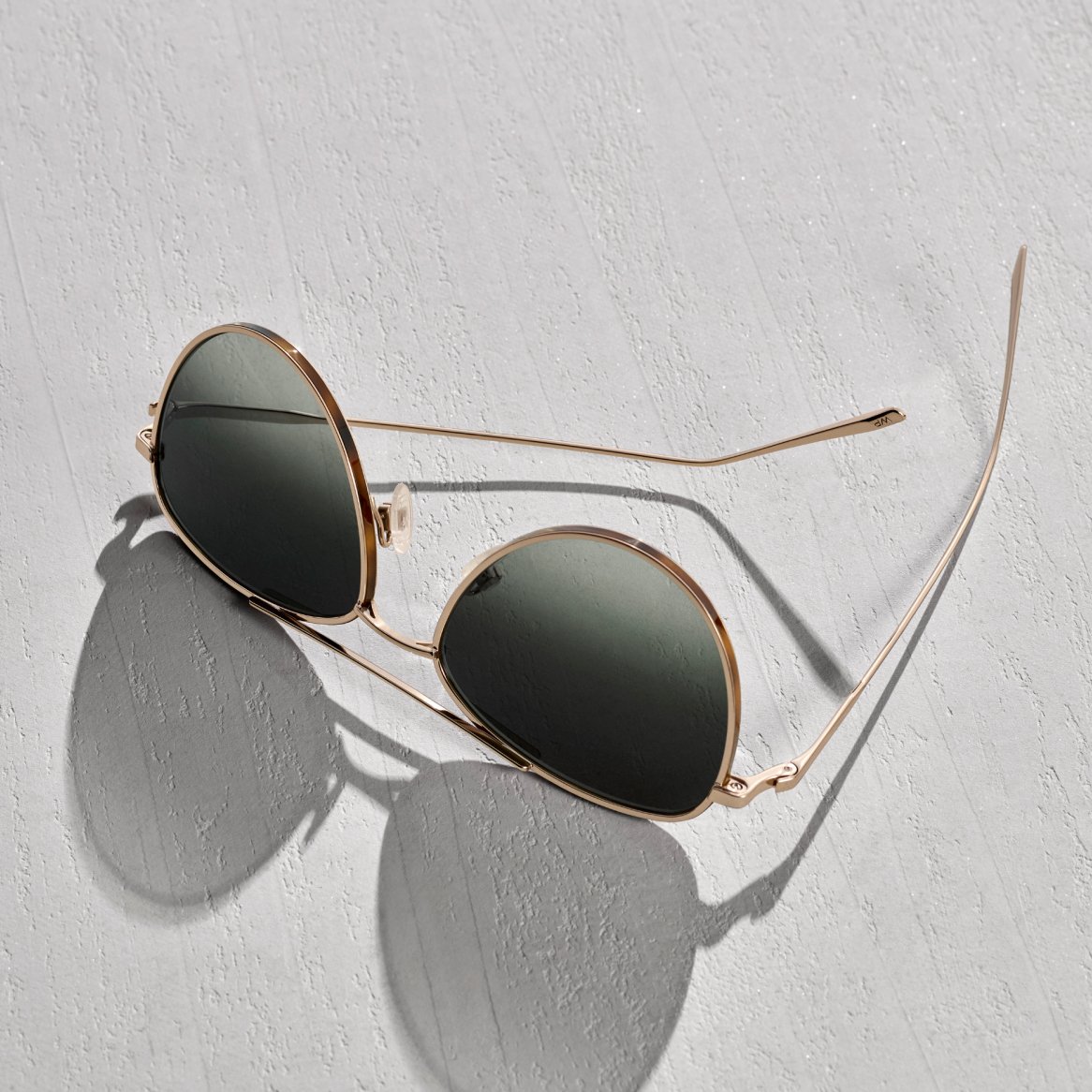
Some travelers also pay attention to how their sunglasses are labeled. In sunny or high-altitude destinations, many people look for sunglasses labeled to filter UVA/UVB rays.
Everyday Glasses vs. Sunglasses for Travel
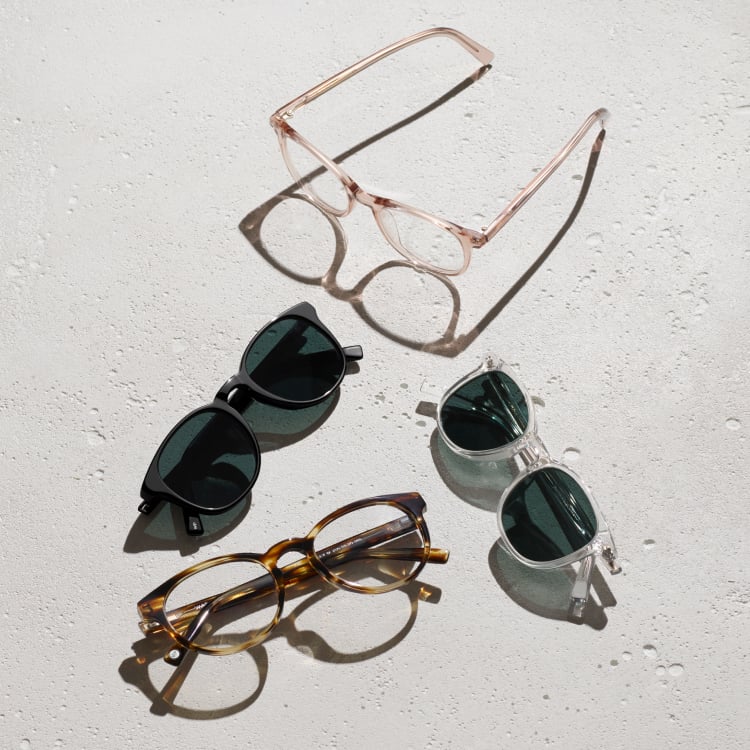
Many travelers find it useful to bring two main options: clear prescription glasses and sunglasses (prescription or non-prescription). You might think of your everyday pair as what you rely on in airports, museums, and hotels, while sunglasses are often the option you reach for when driving, hiking, or spending time near water.
For everyday glasses, some people prioritize comfort and a secure fit. Features like adjustable nose pads, grippy temple tips, and slightly wrapped designs may help frames stay in place when you’re moving around. If you work on a laptop while traveling, you may want to choose lenses based on your typical working distance and environment. Some people focus on lens designs that fit how and where they usually use screens, rather than relying solely on blue-light marketing claims.
- Prescription sunglasses: Can be useful if you’re active outdoors and prefer not to use clip-ons.
- Photochromic lenses: Designed to darken outdoors and clear indoors; convenient for changing light conditions, though they may stay slightly tinted in cars.
- Polarized lenses: Often used for road trips, time near water, and snowy environments because they are designed to reduce glare from reflective surfaces.
- Non-prescription sunglasses: May work well if you wear contacts or don’t need vision correction, as long as they are labeled to filter of UVA/UVB rays.
For road trips, beaches, and water activities, sunglass tint can be polarized to help reduce glare from horizontal surfaces when driving, cycling, and during water activities. As a result, polarized sunglasses are a common choice for many travelers.
Packing Strategy: How Many Pairs and What to Bring
A simple packing plan can make travel less stressful if something goes wrong with your eyewear. At minimum, many travelers bring one primary pair of prescription glasses and a backup option.
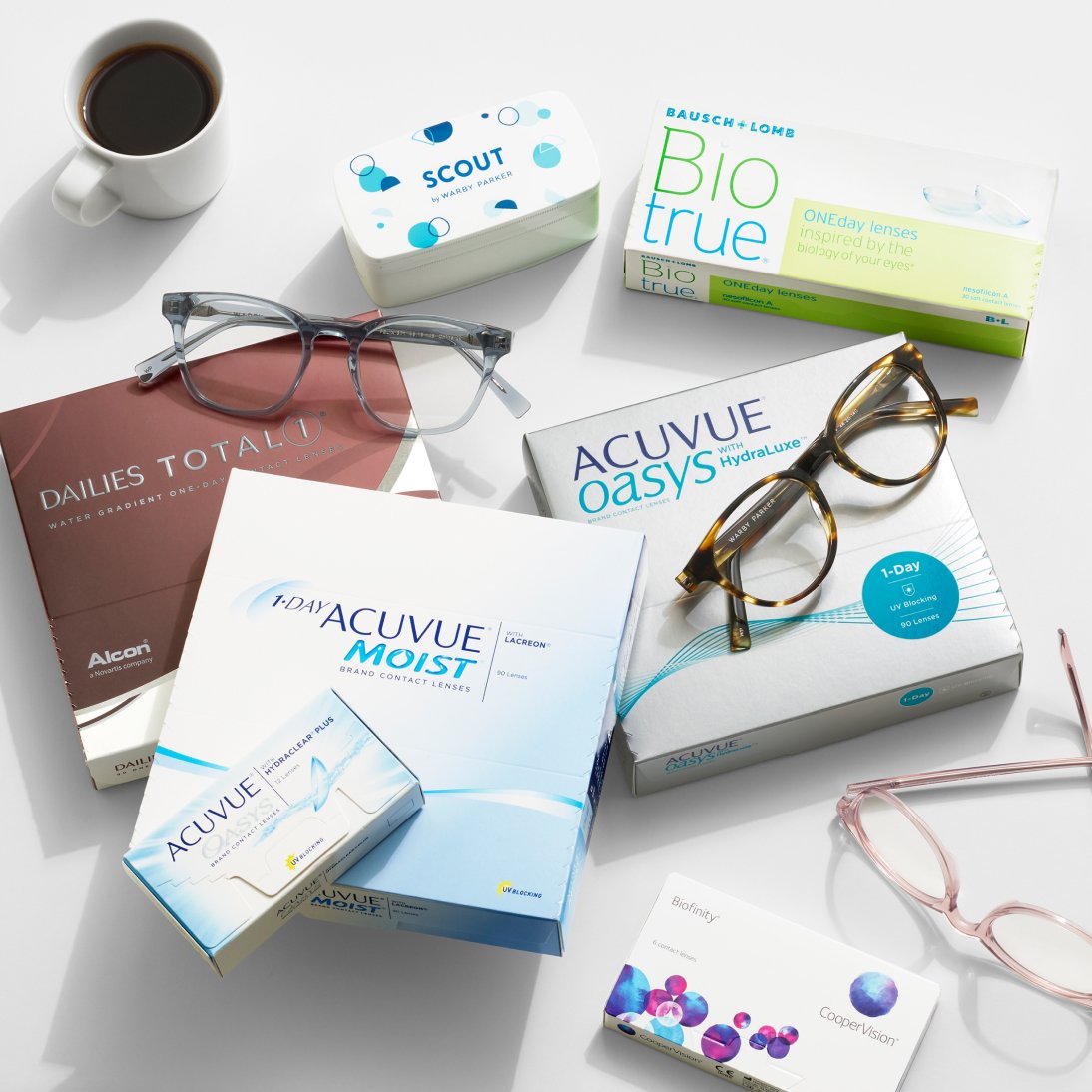
For some people, a typical setup includes three pieces: everyday glasses, sunglasses, and a backup frame with your current prescription. If you wear contacts, you might add a dedicated glasses-only pair for days when you prefer not to wear contacts.
When it comes to cases and accessories, it can help to think about protection and convenience. Hard cases are often used for checked luggage and backpacks; slim or fold-flat cases can fit easily into day bags. Microfiber pouches and cloths can help reduce the risk of scratches and make it easier to clean lenses while you’re on the go.
Key Takeaways and Next Steps for Glasses for Travel
Many travelers look for glasses for travel that combine clear, comfortable vision with practical details. Lightweight, flexible frames; lenses with an accurate, up-to-date prescription; and sunglasses labeled to filter UVA/UVB rays are common preferences. Some people also opt for polarization in their sunglasses for driving and outdoor activities.
As your next trip approaches, you may want to review your current eyewear: Is your prescription current? Do you have sunglasses you feel good wearing for the activities you have planned? If not, you may want to consider updating your eyewear and assembling a travel-ready set ahead of time.
If you’ve discovered tips or specific glasses for travel that you’ve liked, you can share your experience, ask questions, or explore related guides on packing, eye comfort on planes, and choosing lenses that fit your lifestyle.
Legal Disclaimer
MEDICAL DISCLAIMER: This content is provided for educational and informational purposes only and is not intended as medical advice, diagnosis, or treatment. This information should not be used to replace professional medical care or consultation. Individual results may vary significantly. Always consult with a qualified healthcare provider before making any decisions about your health, vision, or medical treatment. Never disregard professional medical advice or delay seeking treatment because of information you have read on this website.
VISION CARE DISCLAIMER: Vision correction needs vary by individual. Consult an eye care professional for personalized assessment and recommendations.
FDA DISCLAIMER: These statements have not been evaluated by the Food and Drug Administration. This content is not intended to diagnose, treat, cure, or prevent any disease or medical condition.
PROFESSIONAL CONSULTATION REQUIRED: Only qualified eye care professionals can provide personalized recommendations for your specific vision needs and health conditions.
This article is for informational purposes only. It is not intended to provide medical advice or substitute for professional health services. Warby Parker complies with all HIPAA regulations regarding your health information. For personal health questions or concerns related to your vision or eyewear prescriptions, please consult a qualified healthcare provider.
How many pairs of glasses should I bring when I travel?
Many travelers choose to bring at least one primary pair of glasses and one backup pair. Some people also add prescription or polarized sunglasses as an additional option.
What features matter most in glasses for travel?
Common considerations include lightweight, durable frames, a secure fit, and lenses with an up-to-date prescription. For sun, many travelers look for sunglasses labeled to filter UVA/UVB rays and may consider polarized lenses, depending on their activities.
Are polarized sunglasses a good option for travel?
Polarized sunglasses can be helpful for certain situations. Polarized lenses are designed to reduce glare from water, snow, and roads, so many people like them for driving, beach trips, and other outdoor activities.
Should I travel with contacts or glasses?
Some people use both, but it’s often helpful to bring glasses as a backup. Some travelers find contacts less comfortable on planes or in dry environments, so they like to have glasses available as another option.
What's one way to help protect my glasses in a suitcase?
Many people use a hard-shell case, place it near the center of their luggage surrounded by soft items, and avoid putting glasses in outer pockets that could be crushed.
Do I need special blue-light glasses for travel?
It depends on your preferences and how you use screens. Some people feel comfortable using their regular prescription glasses when traveling and focusing on screen breaks and good lighting. If you’re curious about blue-light-filtering coatings, an eye care professional can explain the options and what they are designed to do.