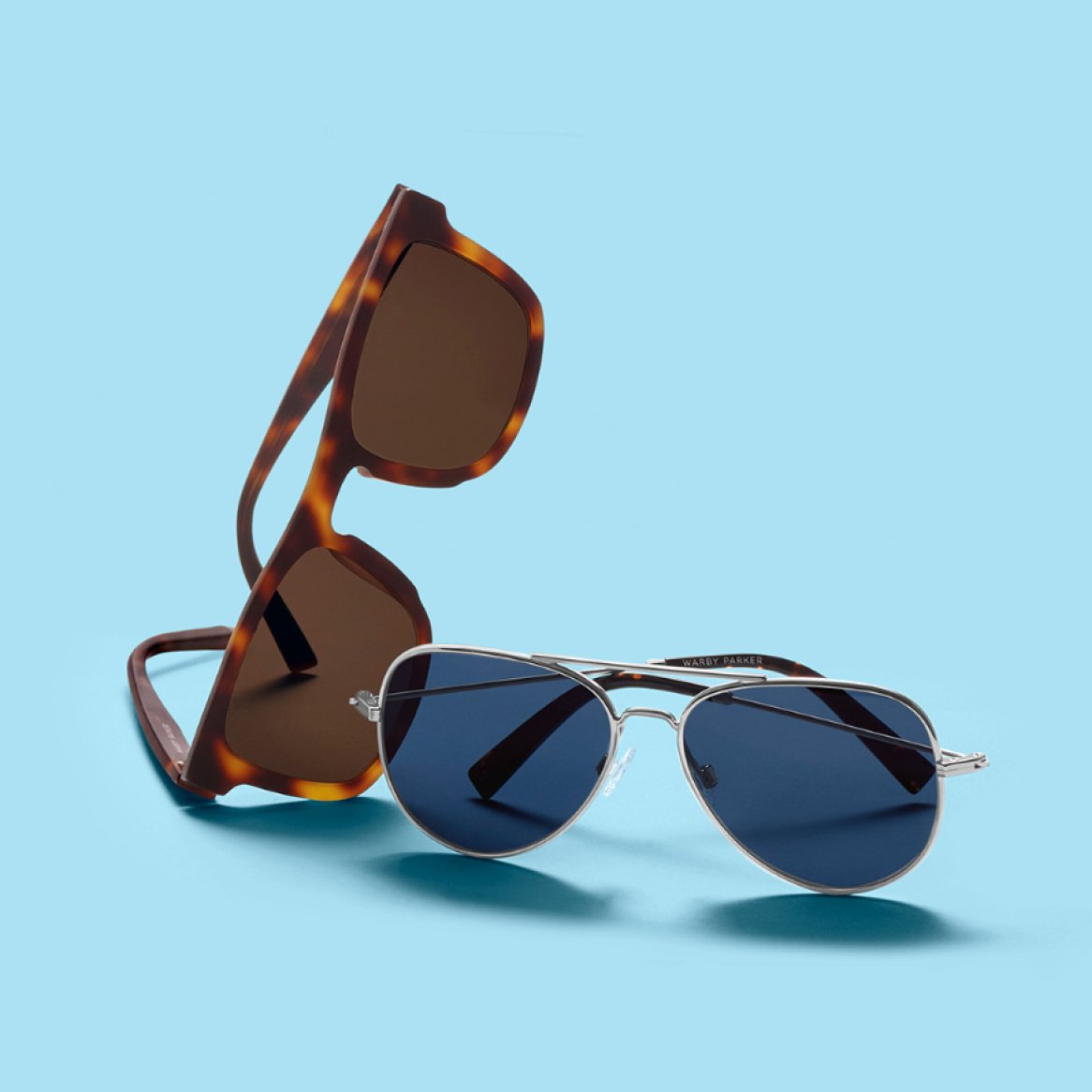
If you love bold frames, but you worry that they will slip off your nose or feel too heavy, you may have more options than you think. Many shoppers assume “big” automatically means “loose” or impractical-especially once prescription lenses are involved.
This guide walks through how to choose oversized prescription sunglasses with an eye toward factors like frame proportions, lens options, and overall fit. You will find information on what to notice in frame design, lenses, and sizing so your sunglasses look intentional and feel wearable.
By the end, you will have a set of considerations you can use while browsing-such as which shapes you gravitate toward, which lens features you care about, and what types of adjustments can help turn an oversized frame into something you feel comfortable reaching for regularly.
Why Oversized Prescription Sunglasses Are More Than a Fashion Statement
Oversized frames are popular because they instantly elevate an outfit, but their appeal is not only aesthetic. Larger lenses extend over the brow and toward the cheekbone, which can mean that a greater area around the eyes is covered compared with many smaller-frame styles, depending on the design.
When people worry oversized sunglasses will feel unstable, the issue is usually frame engineering, not size alone. A thoughtfully designed front can balance lens weight, use sturdy-feeling hinges, and distribute pressure across the nose and ears. This type of design may help sunglasses feel more stable and may reduce slipping or pinching for many wearers.
For mid-funnel shoppers comparing options, it can be helpful to think of oversized prescription sunglasses as a functional piece of eyewear that also has a strong style perspective. That mindset can encourage you to look at details such as frame measurements, materials, and lens choices in addition to how the frame looks in photos.
How to Think About a Secure-Feeling Fit With Oversized Frames
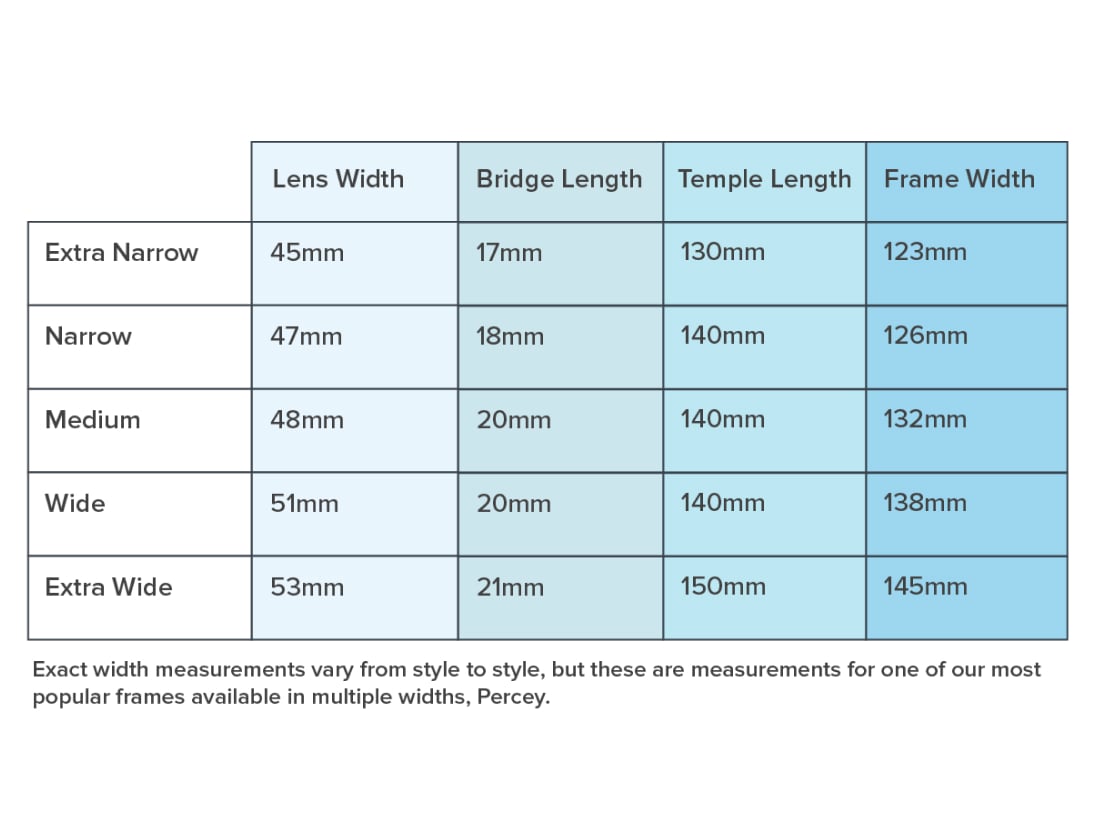
The right-feeling fit usually starts with frame dimensions. Looking at lens width, bridge width, and temple length together-rather than focusing only on how “big” the front looks in isolation-can provide a more complete picture. Frames are often most comfortable when they are wide enough that they do not squeeze your temples, but not so wide that they tend to slide forward when you look down.
For oversized styles, look for slightly curved fronts, well-placed nose pads, and temples that follow the natural line of your ear rather than sitting straight back.
Nose support: Adjustable nose pads on metal frames or built-up bridges on acetate help manage heavier prescriptions.
Temple design: Temples that gently wrap in at the tips keep frames stable without creating pressure points.
Face contour: A mild wrap or subtle curve can enhance both comfort and light control.
Professional adjustment: A quick in-person tune-up often solves sliding or uneven fit.
If you have a higher prescription, you can ask about lighter lens materials and thinner profiles. These options can help reduce front weight, which may make oversized prescription sunglasses feel more similar to some everyday eyeglasses, even with generous lens size.
Choosing Lens Options and Frame Styles That Work Together
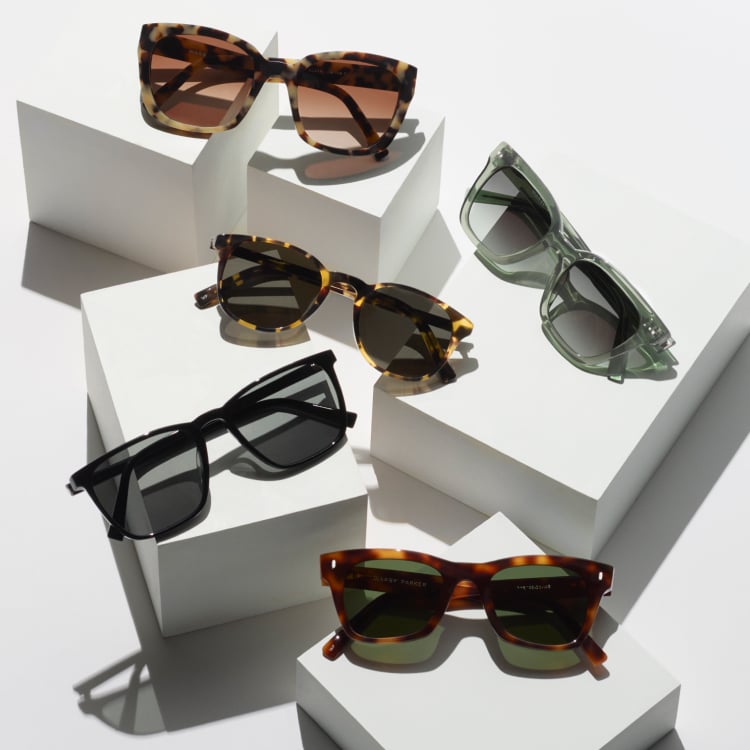
Once you have a sense of fit, you can think about how lenses and frame shapes interact. Round, square, cat-eye, and shield styles can all be oversized; the one you choose often comes down to personal preference, the proportion to your features, and how much coverage you want along the top and sides of your eyes.
When choosing sunglasses, many factors can be considered: how the lenses are described with respect to ultraviolet (UV) light, the tint, the lens shape, and how much coverage is provided by the frame-not just the size of the lenses themselves.
Think about your main use case. If you wear your sunglasses primarily outdoors and in bright conditions, polarization is a lens feature that is designed to filter certain types of reflected light from surfaces like water, roads, or glass. For mixed indoor-outdoor use, photochromic lenses that darken in sunlight are often chosen by people who want a single pair to use in a range of lighting conditions.
Style-wise, align the frame with your wardrobe and personality. A structured square frame can feel architectural and modern, while a round or butterfly silhouette often reads softer and more relaxed. Because oversized frames naturally draw attention, choosing a color and finish you will be happy to wear repeatedly is often more important than following a short-lived trend.
Oversized Prescription Sunglasses
Many people look for a balance of visual impact, day-to-day comfort, and information about UV-related lens features when they choose oversized prescription sunglasses. Large lenses can offer generous coverage over a wider area, but details like lens descriptions, frame design, and fit all contribute to how a pair feels in everyday life.
Legal Disclaimer
MEDICAL DISCLAIMER: This content is provided for educational and informational purposes only and is not intended as medical advice, diagnosis, or treatment. This information should not be used to replace professional medical care or consultation. Individual results may vary significantly. Always consult with a qualified healthcare provider before making any decisions about your health, vision, or medical treatment. Never disregard professional medical advice or delay seeking treatment because of information you have read on this website.
VISION CARE DISCLAIMER: Vision correction needs vary by individual. Consult an eye care professional for personalized assessment and recommendations.
FDA DISCLAIMER: These statements have not been evaluated by the Food and Drug Administration. This content is not intended to diagnose, treat, cure, or prevent any disease or medical condition.
PROFESSIONAL CONSULTATION REQUIRED: Only qualified eye care professionals can provide personalized recommendations for your specific vision needs and health conditions.
This article is for informational purposes only. It is not intended to provide medical advice or substitute for professional health services. Warby Parker complies with all HIPAA regulations regarding your health information. For personal health questions or concerns related to your vision or eyewear prescriptions, please consult a qualified healthcare provider.
Are oversized prescription sunglasses bad for your eyes?
Oversized prescription sunglasses are not inherently “bad” for your eyes. In general, sunglasses that offer UV-related lens information and a fit you find comfortable can provide coverage over a larger area around the eyes compared with many smaller-frame styles, depending on the design. For personalized recommendations, it is a good idea to talk with an eye care professional.
How should oversized prescription sunglasses fit?
Many people prefer oversized sunglasses that sit level on the face, rest comfortably on the bridge of the nose, and stay in place reasonably well when they look down, without feeling like they squeeze the temples or ears.
Do oversized frames work with strong prescriptions?
Oversized frames can sometimes be an option with stronger prescriptions, depending on lens material, frame shape, and individual measurements. Eye care professionals can provide guidance on what lens sizes and frame styles may be suitable for your specific prescription.
What lens color is commonly used for oversized sunglasses?
Gray and brown tints are widely used because many people feel they work well in a range of settings and keep colors looking relatively familiar. Eye care organizations emphasize that verified UV-related lens information is important; tint alone does not indicate how much UV light lenses may filter.
Can I get polarized lenses in oversized prescription sunglasses?
In many cases, polarized lenses are available in oversized prescription sunglasses. Polarized lenses are designed to filter certain types of reflected light from surfaces such as water, snow, or roads, which some people find helpful in bright outdoor conditions.
Are oversized sunglasses suitable for small faces?
Oversized styles can sometimes work on small faces when the frame width, bridge size, and temple length feel proportionate. You may want to look for slightly scaled-down oversized designs or frames described as “narrow” or “small fit,” and try on multiple options to see what feels most balanced to you.