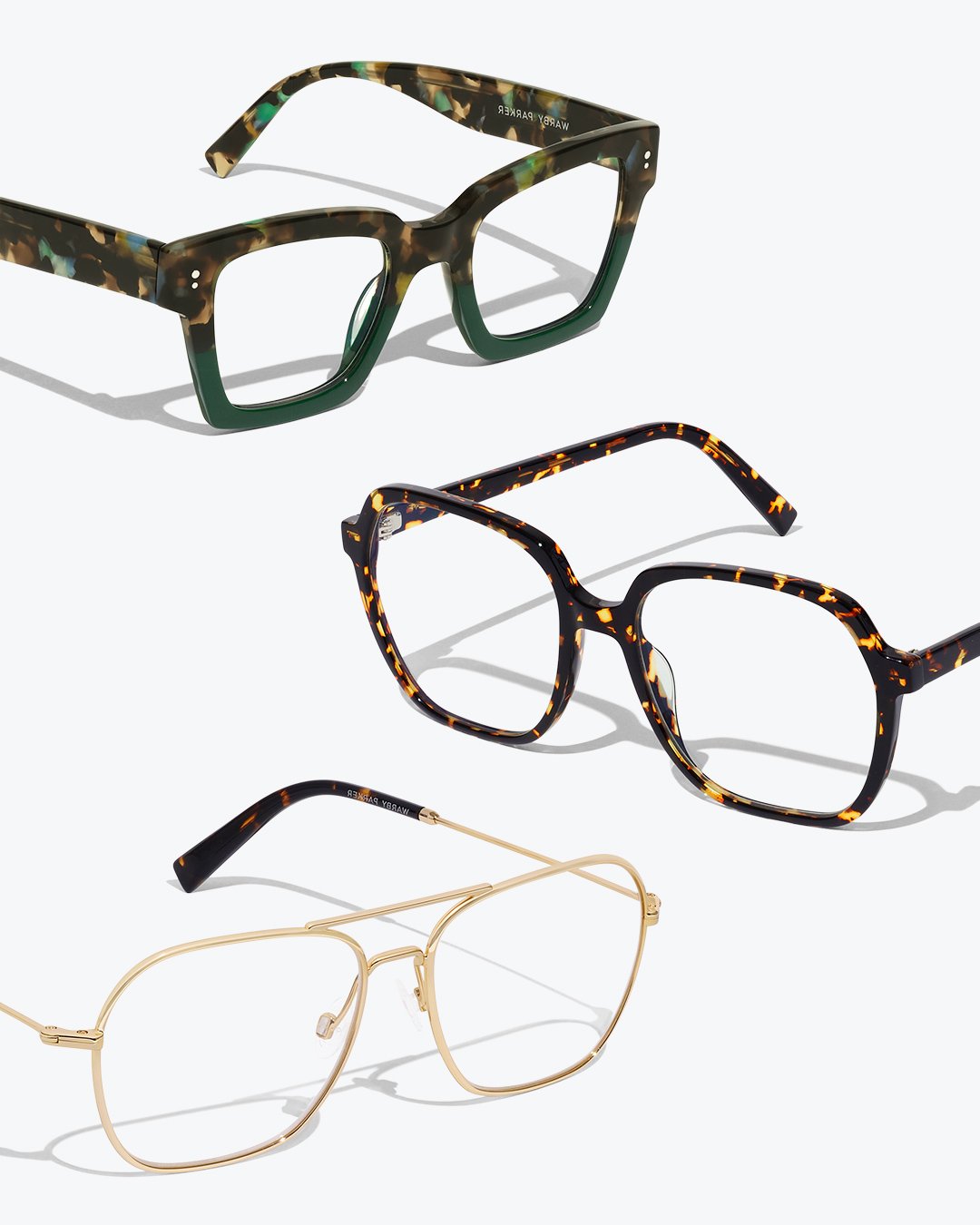
D-Frame Sunglasses: Clean, Contemporary Style
If you like your accessories sharp, minimal, and a little bit bold, D-frame sunglasses might be worth a closer look. With their flat top edge and squared-off shape, they can make everyday outfits feel more polished and intentional.
This guide breaks down what makes D-frame sunglasses unique, who they tend to flatter, and how to wear them without feeling overdone. You’ll also see what to consider in lens options, fit, and UV-related features so your sunglasses aren’t just about style.
Because D-frame sunglasses combine fashion-forward geometry with lenses that can help filter sunlight and UV rays, they’re a popular choice for anyone who wants a clean, contemporary silhouette that still works for everyday wear.
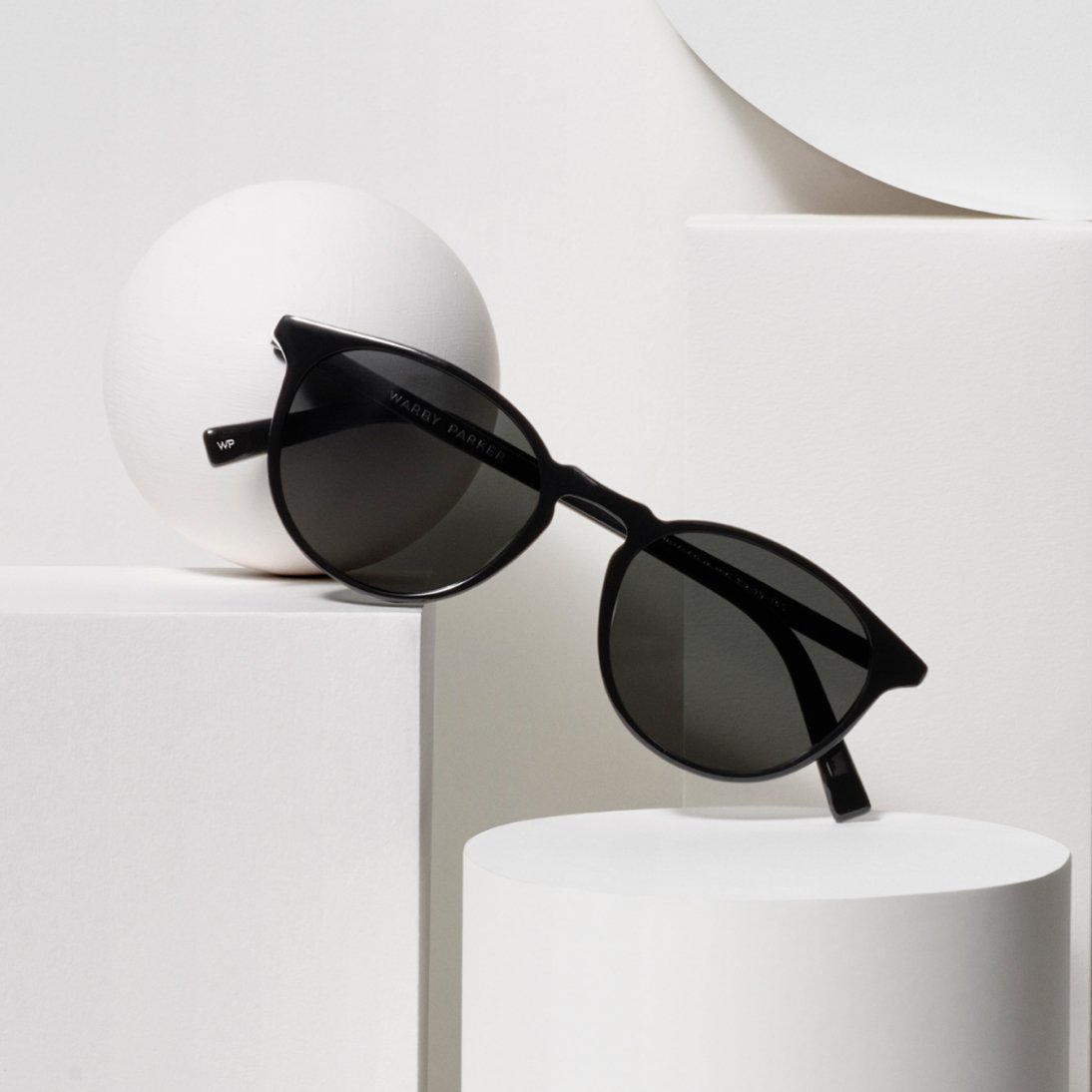
Sunglasses have come a long way
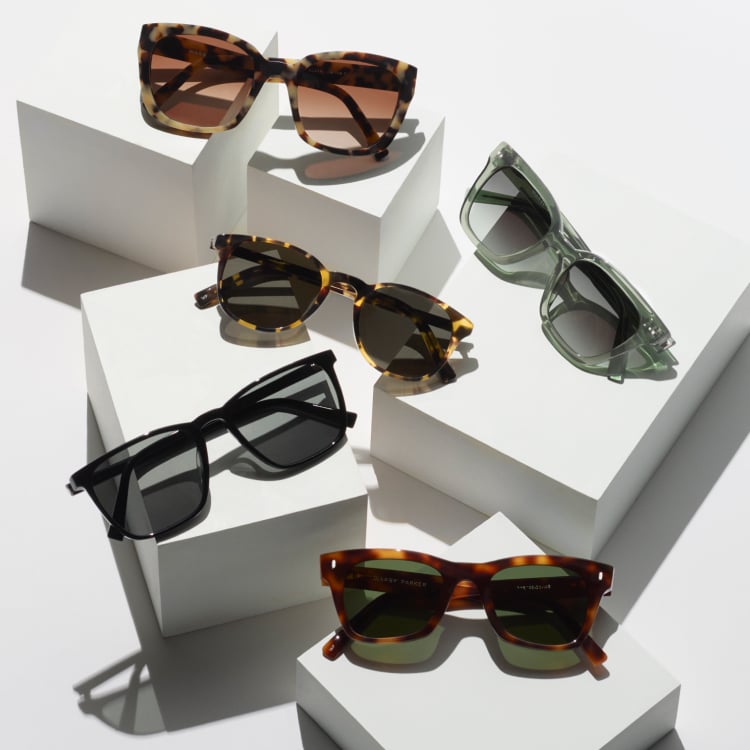
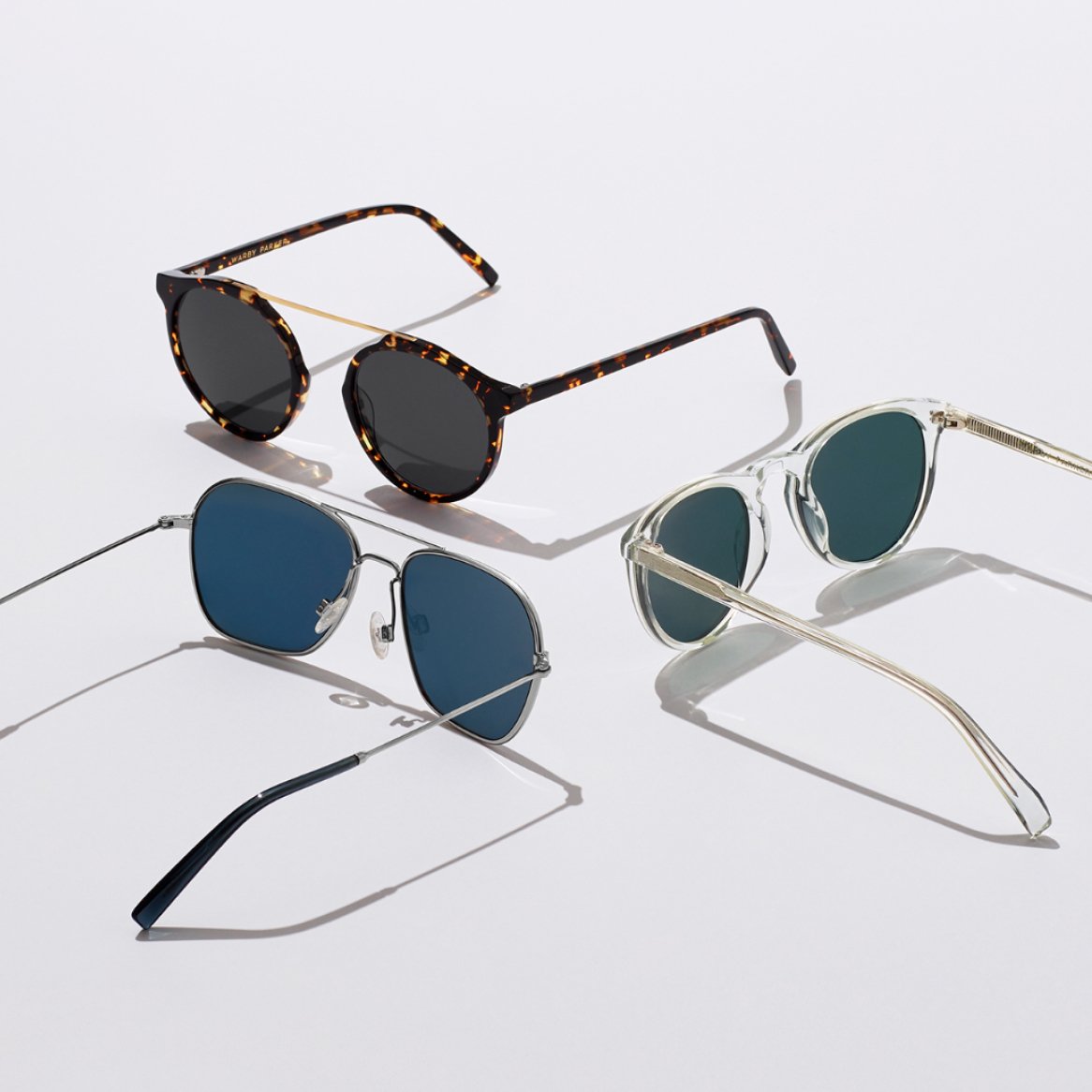
We have endless shapes and colors to choose from
We’ll cover the defining features of D-frames, general tips for matching them to your face shape and style, a few technical details to look at when comparing sunglasses, and simple styling ideas you can try right away.
What Are D-Frame Sunglasses and Why Are They Trending?
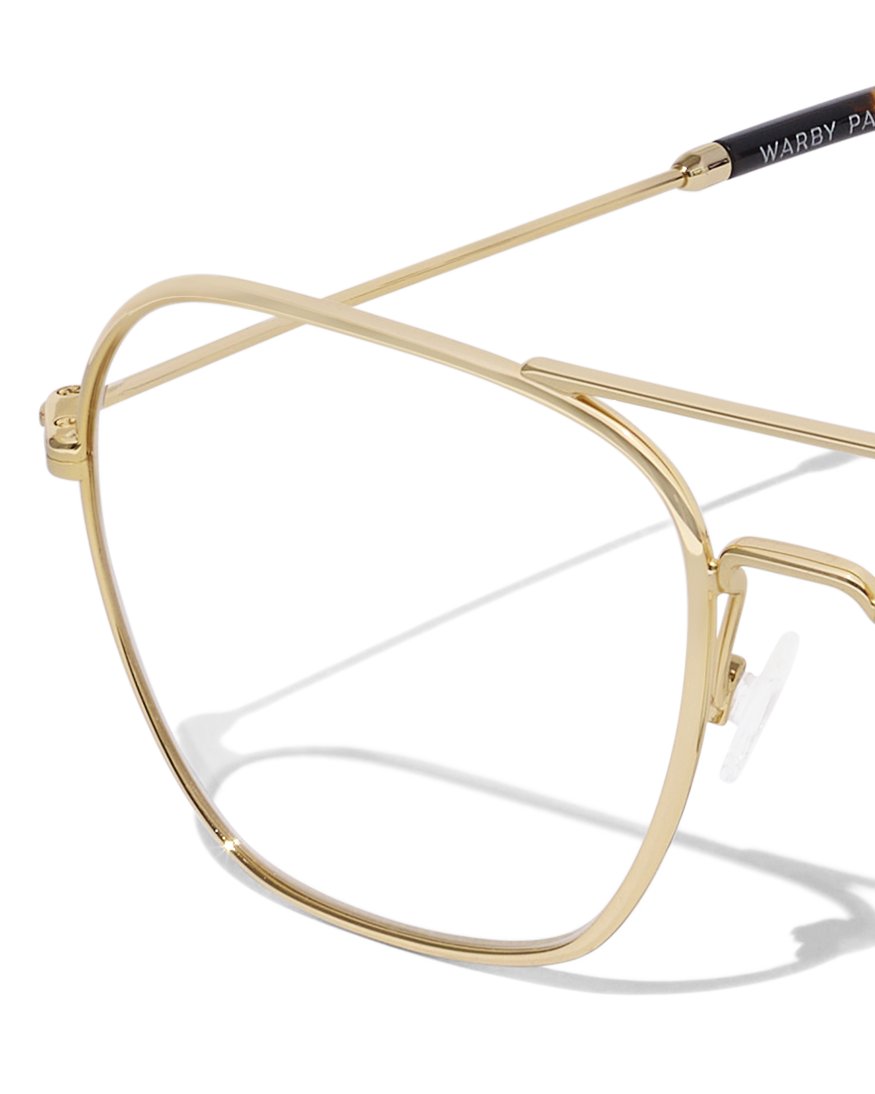
D-frame sunglasses are characterized by a straight or gently curved top line and more squared-off bottom corners, like a capital “D” turned on its side. The result is a frame that feels crisp and architectural, somewhere between a classic wayfarer and a more futuristic-looking shield style.
One reason they’re trending is versatility. The shape reads modern but not extreme, so D-frames can work with streetwear, tailored work looks, and casual weekend outfits. They bring a subtle edge without overwhelming your features the way ultra-oversized or novelty frames sometimes can.
Another reason is coverage. The broad, flat brow line and slightly taller lens area can help shade more of the eye and surrounding skin from bright light. Some eye care resources note that larger, close-fitting sunglass frames can help limit UV rays and bright light from reaching your eyes from the sides and top. Actual protection depends on factors like lens material, coatings, and fit, so it’s important to review product details and talk with an eye care professional if you have questions about UV exposure.
Sunglasses in a snap
We offer Clip-Ons—available in many sizes and colors—that fit our bestselling frames
Finally, D-frame sunglasses tap into current fashion’s love of clean lines and unisex silhouettes. They look at home on minimalists in monochrome outfits and on maximalists layering prints and textures, because the shape itself is so streamlined.
How to Choose D-Frame Sunglasses for Your Face and Lifestyle
Start with proportion. If you have a smaller or narrower face, you might prefer slim D-frames with slightly softened corners so they don’t feel overpowering. If your face is larger or broader, you can explore bolder widths and thicker acetate for a more intentional look.
Face shape can be another consideration. D-frames are often chosen for round or oval faces because the strong horizontal line and angles add structure. If your face is already very angular, you might gravitate toward D-frames with rounded lower edges or a slight keyhole bridge to soften the effect.
- Everyday wear: Medium-sized D-frames in neutral colors (black, tortoise, soft gray) tend to pair easily with work and weekend outfits.
- Driving and travel: Polarized lenses are designed to reduce reflected light from surfaces such as roads and water. A fit that rests comfortably at your temples can also be helpful for longer wear.
- Time outdoors: Lightweight frames, impact-resistant lenses, and textured or adjustable nose pads can help your sunglasses stay in place.
- Fashion-forward looks: Thicker frames, color-blocked acetates, or gradient lenses can add more visual drama.
Many people look for specific information about UV filtering when they shop for sunglasses. Instead of assuming dark lenses provide more protection, check product details for language such as “100% UV” or “UV400,” and ask an eye care professional if you have questions about what those labels mean for you.
Need sunglasses?
Starting at $95, with free shipping.
Style Tips: Wearing D-Frame Sunglasses with Confidence
One simple way to style D-frame sunglasses is to treat them like a clean graphic element in your outfit. Pair black D-frames with a white tee, tailored trousers, and leather sneakers for an “off-duty creative” feel, or add tortoise D-frames to denim and linen for a more relaxed, coastal-inspired look.
Color and finish make a big difference. High-gloss black feels sleek and urban, while matte finishes and transparent acetates tend to read softer and more casual. Gradient or brown lenses can look less severe than solid black, which may appeal if you like the D shape but prefer a subtler statement.
Think about the rest of your accessories, too. Because D-frame sunglasses are already structured, keeping jewelry and hats minimal often works well: a simple cap, delicate hoops, or a thin chain lets the frames take the lead. If you love bolder jewelry, you can choose shapes that echo the straight lines of your sunglasses so everything feels cohesive rather than competing.
Need a new pair?
Shop our latest sun shapes and colors
Sunglasses that filter UV rays are one tool people use as part of their overall sun-protection habits. For personalized guidance about UV exposure and eye health, it’s best to talk with an eye care professional.
Key Takeaways and Next Steps with D-Frame Sunglasses
Clean lines, broad lenses, and year-round versatility make D-frame sunglasses a go-to option if you want eyewear that looks current but still feels timeless. When you’re comparing pairs, you might focus on three things: a size and proportion that feel balanced on your face, lenses with clearly stated UV-related specifications, and a color or finish that fits your wardrobe.
Your next move is to shortlist a few silhouettes, from slim and understated to bold and sculptural, then compare details like lens tint, polarization, and material. Reviewing how each pair is labeled for UV-related performance can help you make an informed choice, along with any guidance from your eye care professional.
As you explore options, pay attention to how each pair feels, not just how it photographs. A D-frame that sits comfortably and adds definition visually may be one you reach for often.
Glare beware
Get polarized lenses with your prescription sunglasses
Legal Disclaimer
MEDICAL DISCLAIMER: This content is provided for educational and informational purposes only and is not intended as medical advice, diagnosis, or treatment. This information should not be used to replace professional medical care or consultation. Individual results may vary significantly. Always consult with a qualified healthcare provider before making any decisions about your health, vision, or medical treatment. Never disregard professional medical advice or delay seeking treatment because of information you have read on this website.
VISION CARE DISCLAIMER: Vision correction needs vary by individual. Consult an eye care professional for personalized assessment and recommendations.
FDA DISCLAIMER: These statements have not been evaluated by the Food and Drug Administration. This content is not intended to diagnose, treat, cure, or prevent any disease or medical condition.
PROFESSIONAL CONSULTATION REQUIRED: Only qualified eye care professionals can provide personalized recommendations for your specific vision needs and health conditions.
This article is for informational purposes only. It is not intended to provide medical advice or substitute for professional health services. Warby Parker complies with all HIPAA regulations regarding your health information. For personal health questions or concerns related to your vision or eyewear prescriptions, please consult a qualified healthcare provider.
Are D-frame sunglasses flattering on everyone?
D-frame sunglasses are often chosen for round and oval faces because their straight top line and angles can add structure. That said, almost anyone can experiment with this shape by adjusting size, thickness, and details. Softer corners may appeal to people with smaller or more angular faces, while bolder frames may appeal to those with larger or broader faces.
What's the difference between D-frame and square sunglasses?
D-frames usually have a straighter, more continuous top line and slightly softer lower corners, while many square sunglasses are more uniformly boxy. D-frames often read as a bit more graphic and architectural, whereas square frames can feel more classic or traditional, depending on the design.
Do D-frame sunglasses protect my eyes as well as other styles?
The level of UV-related filtration sunglasses offer generally depends more on the lenses than on the frame shape. When you’re comparing D-frame sunglasses to other styles, look for labels or product descriptions that indicate 100% UV or UV400 filtering and review fit and coverage. If you have specific questions about UV exposure or eye health, an eye care professional is the best person to ask.
Should I get polarized D-frame sunglasses?
Polarized lenses are designed to reduce reflected light from surfaces such as roads, water, and snow. Some people find this helpful for driving, spending time near water, or in other bright conditions. Whether polarized lenses are a good option for you depends on your preferences and how you plan to use your sunglasses; an eye care professional can help you decide.
What size D-frame sunglasses should I choose?
Many people start with a frame width similar to their face width, with temples that rest comfortably without squeezing. Frames that extend just slightly past your temples generally offer noticeable coverage without feeling too wide. If you’re unsure, trying on a few sizes or asking for in-store or virtual fitting guidance can be helpful.