How to Adjust Loose Glasses Safely at Home
Loose glasses are never a good thing. Tight glasses are no fun, either, but loose means constant resetting, and even the dreaded moments where they fall off your face entirely. If your glasses keep sliding around on your face, it may be time to fix them, without damaging them, so you can rely on their fit all day long.
This guide is designed to walk through practical, careful ways to address loose glasses at home so you adjust the fit without cracking frames, stripping screws, or scratching lenses.
Because learning how to work with glasses is partly about knowing what not to do, this guide focuses on gentle, reversible adjustments and clear signs it may be time to hand the job to an optical professional.
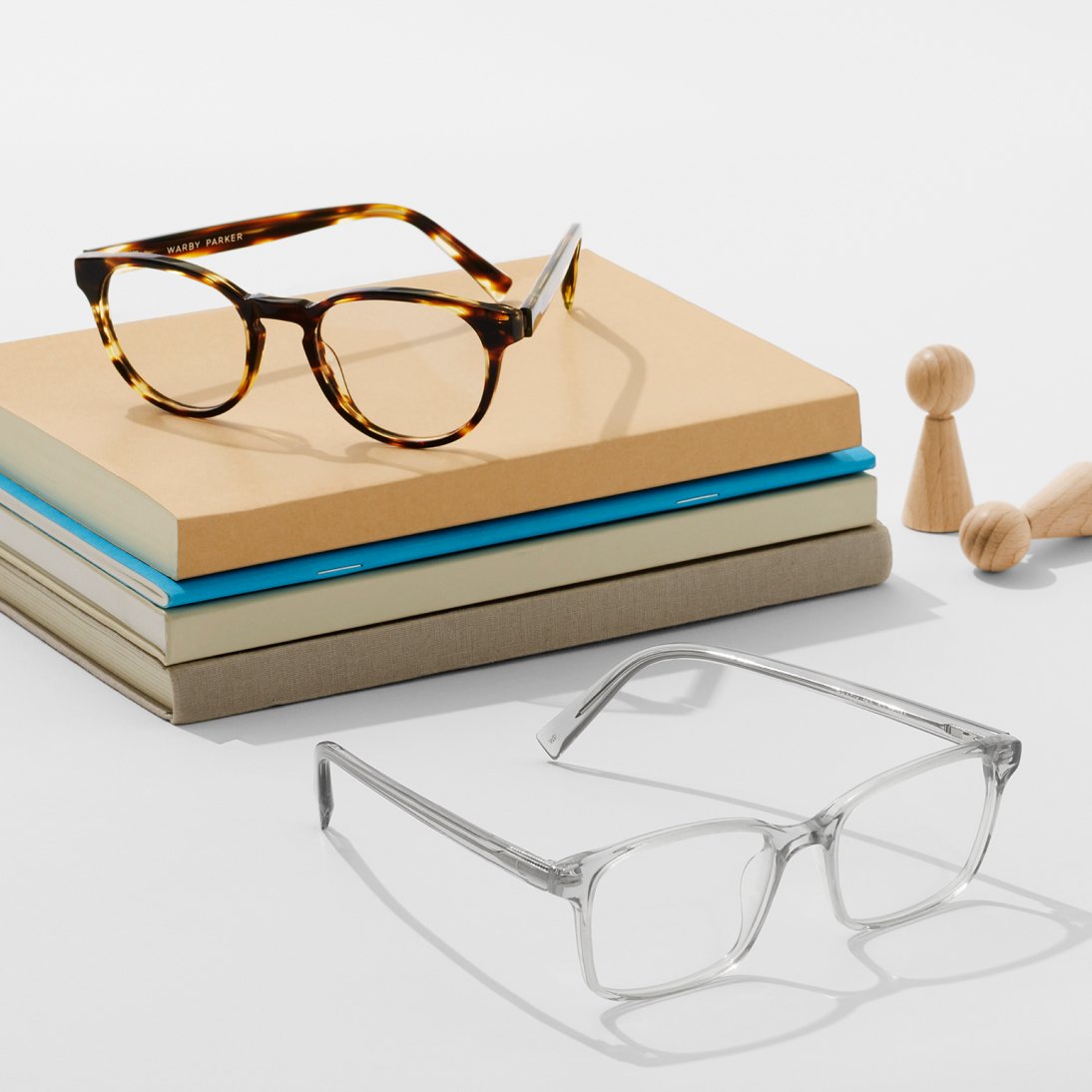
Looking for lenses?
From high-index and light-responsive to blue-light-filtering—we’ve got your eyes covered
By the end, you will have an overview of how to tighten hinge screws, make small tweaks to temple arms and nose pads, check basic fit, and decide when a visit to an optician may be a better option.
Why Loose Glasses Can Be an Issue
Loose glasses are more than a cosmetic detail. When frames frequently slip, the lenses may no longer sit in the same position in front of your eyes that they were initially adjusted for. Over time, that can make it harder to look through the parts of each lens that were intended for your everyday tasks.
There are also practical considerations. If glasses slide when you look down stairs or when you are focused on the road, your view through the lenses may briefly change at an inconvenient moment. Eyewear that stays in place during everyday activities can be more comfortable to wear and easier to use consistently.
Common causes of loose glasses include worn or poorly tightened screws, plastic that has relaxed with heat and wear, or a frame that was never adjusted to your face after purchase. Children’s frames can loosen faster as they are handled more roughly and taken on and off frequently.
Add a pair and save
Buy one prescription pair and save 20% on additional pairs—eyeglasses or sunglasses!
Many of these issues are minor and can often be addressed at home with simple tools and a careful approach. More complex problems, like bent metal bridges or cracked hinges, are best left to professionals with the right equipment.
How to Prep and Tighten Loose Screws
Before you start any adjustment, set up a clean, well-lit workspace. Lay a soft cloth or towel on the table so small screws do not bounce away and your lenses are protected from scratches. If you have one, use a small eyeglass repair kit; it usually includes screwdrivers sized for glasses.
First, check each hinge screw where the temple arm meets the front of the frame. If you notice movement when you gently move the arm, the screw may need tightening. Place the frame upside down on the cloth, hold it steady, and turn the screwdriver clockwise in very small increments, about a quarter turn at a time, until the arm moves smoothly but no longer feels wobbly.
Avoid overtightening. Turning the screw too far can strip the head or the threads inside the hinge, which may require replacement parts. Make small, gradual changes rather than forcing anything into place.
If a screw is missing, you can temporarily use a spare from an eyeglass repair kit, but this is usually a short-term fix. For a longer-term solution and to match the original hardware, visit an optician who can replace it with the correct size and style.
Adjusting Temples and Nose Pads With Less Risk of Damage
Once screws are secure, you may still feel your glasses are loose at the ears or nose. The next step is to look at the temple arms and nose pads so the frame rests more evenly on your face.
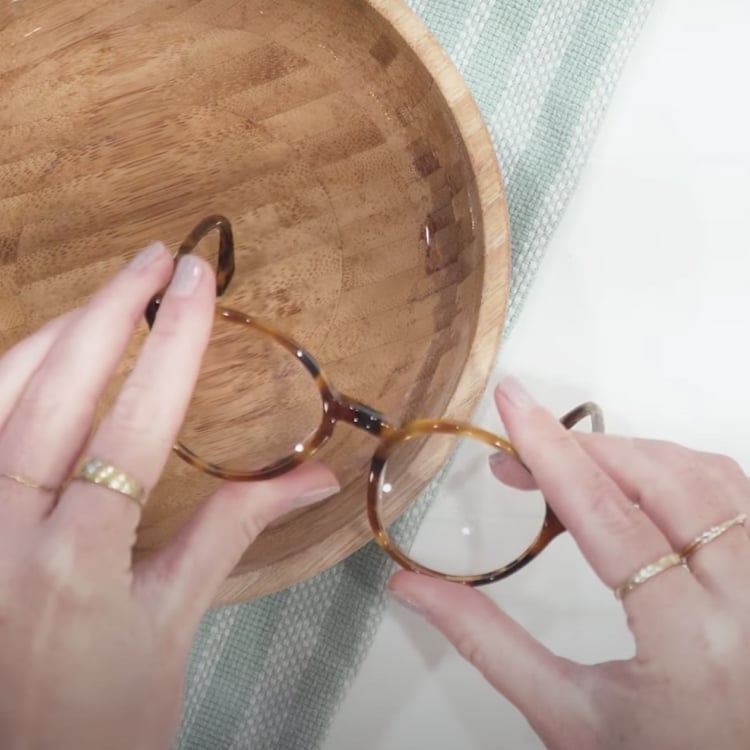
For metal frames, hold the front of the frame firmly and gently bend the temple arm near the hinge to increase or decrease the curve around your ear. Move a little at a time and check how the frames sit after each adjustment. For plastic frames, many experts recommend softening the plastic slightly in warm, not hot, water for 30 to 60 seconds before gently bending the tips.
- If glasses slide down: You can try increasing the curve of the temple tips so they hook a bit more behind your ears.
- If they feel tight at the sides: You can carefully open the angle of the temple arms so they press less on the sides of your head.
- If one lens looks higher: You can slightly bend the lower side’s temple downward or the higher side’s temple upward so the frame appears more level.
- For metal nose pads: You can use your thumbs to nudge them closer together (for more grip on the nose) or farther apart (for less pressure).
Always avoid twisting the frame front or bending only one part while everything else is rigid. And always consider taking your frames to a professional if you aren’t completely comfortable with your own ability to take the recommended steps.
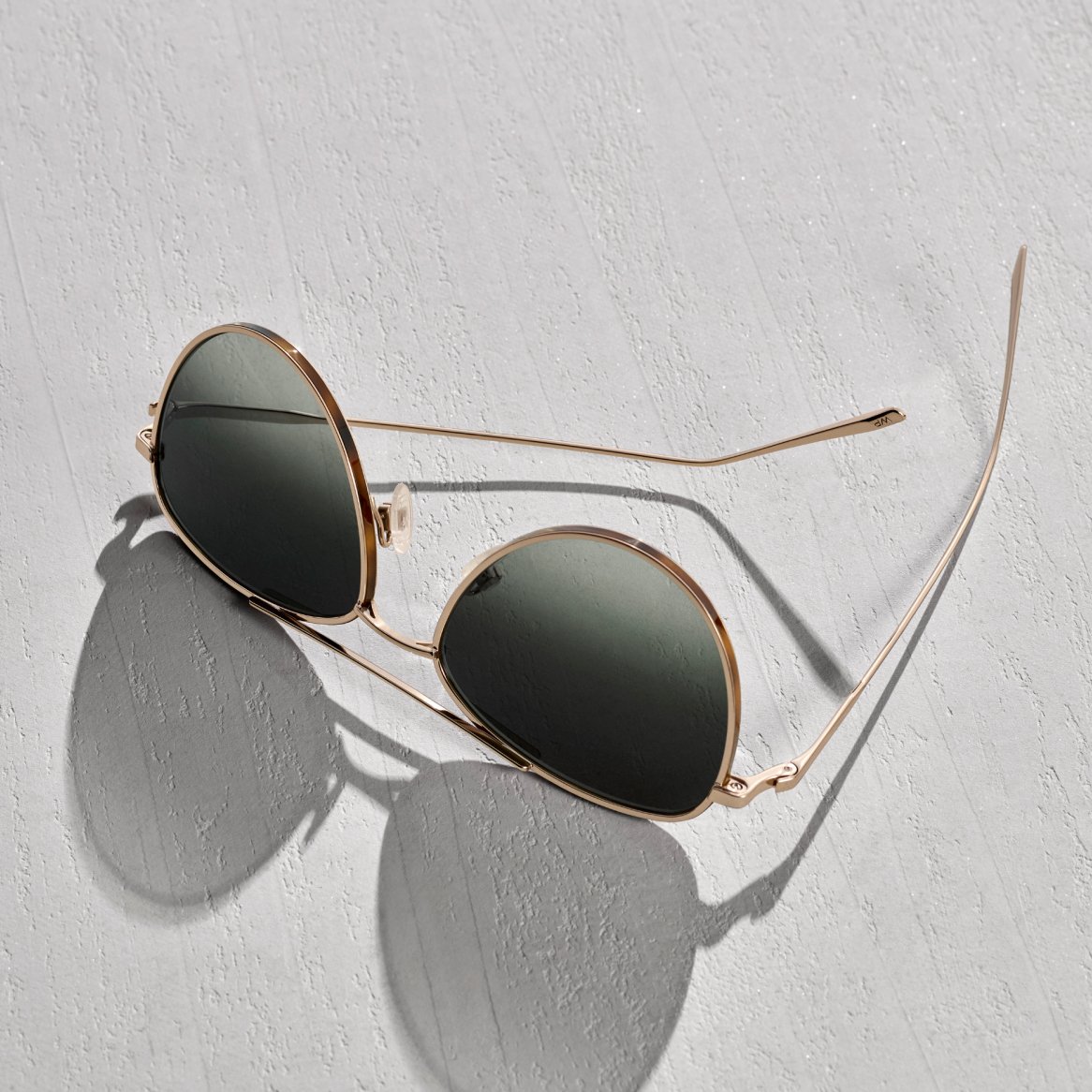
Want the look? (Even if you're not a pilot.)
We offer endless iterations—in both materials and lens shapes—of the adventurous aviator
Testing Fit and Knowing When to See a Professional
After tightening screws and adjusting temples or nose pads, test how the glasses sit. Put your glasses on, look straight ahead, and gently shake your head as if saying “no.” Frames that are reasonably adjusted should stay in place without gripping uncomfortably.
Next, look down as if reading or walking downstairs. If the bridge still feels slippery or the glasses move more than a few millimeters, you may need another round of very small adjustments.
If you notice signs of damage such as cracking sounds, visible stress in the frame, recurring looseness even after tightening screws, or if you experience symptoms such as discomfort or headaches while wearing your glasses, consider contacting an eye care professional. In these situations, a trained optician can often take a closer look and adjust your glasses using tools and heating methods that are better suited to your specific frame material.
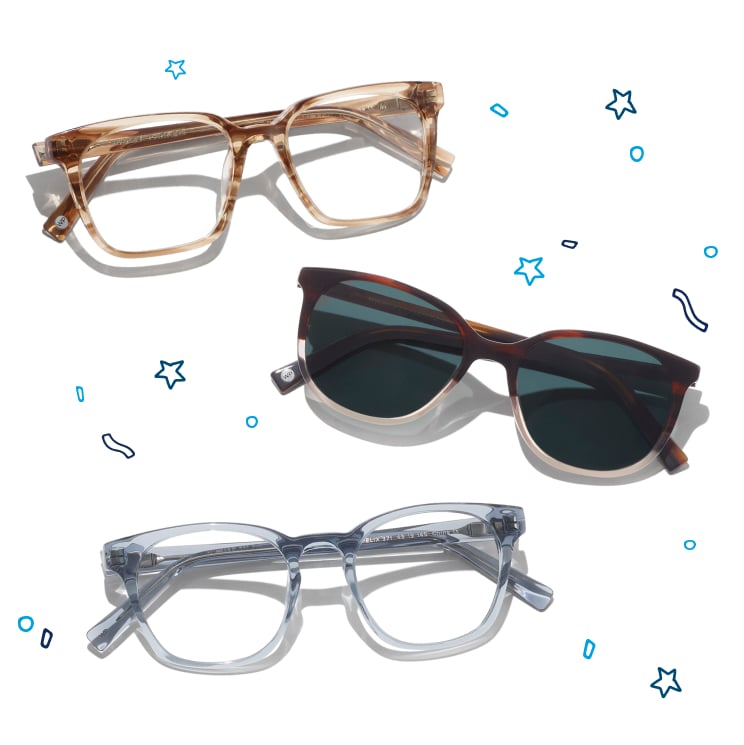
With or without makeup…
You can always express your style with your favorite frames
Key Takeaways and Next Steps for Fixing Loose Glasses
Working with loose glasses generally comes down to three principles: work slowly, make small changes, and stop if something feels forced. Tightening hinge screws, making minor adjustments to temple arms, and repositioning nose pads may help improve how your glasses sit and feel when done with care.
If your glasses are expensive, made with unusual materials, or remain loose or uncomfortable after careful at-home steps, a good next step is to visit an eye care professional for an in-person adjustment.
If you still have questions about specific frame types or recurring issues, consider asking your optician at your next appointment or reach out to your eyewear provider’s support team for general guidance.
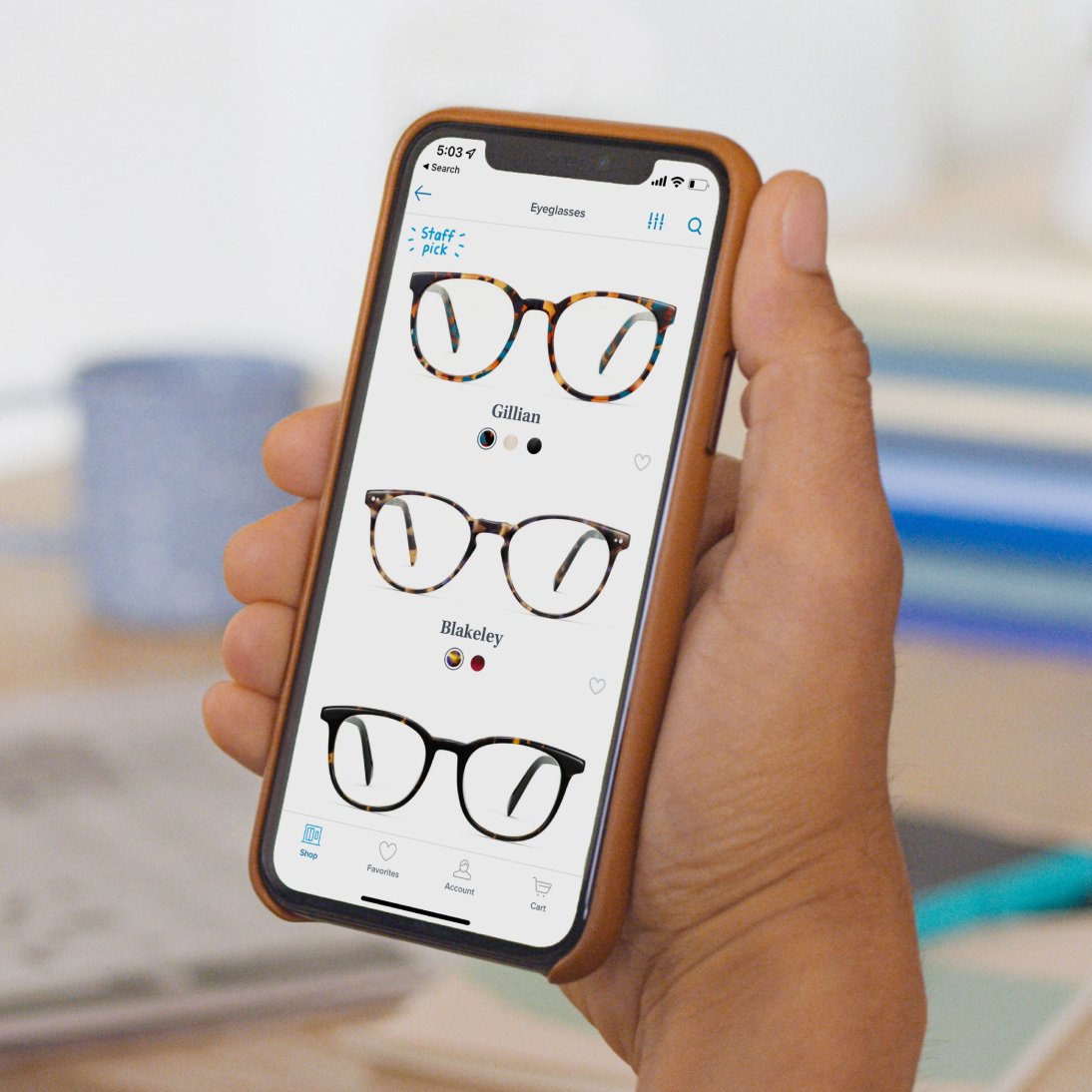
Not sure which glasses to get?
Vitually try on frames in the comfort of your own home
Legal Disclaimer
MEDICAL DISCLAIMER: This content is provided for educational and informational purposes only and is not intended as medical advice, diagnosis, or treatment. This information should not be used to replace professional medical care or consultation. Individual results may vary significantly. Always consult with a qualified healthcare provider before making any decisions about your health, vision, or medical treatment. Never disregard professional medical advice or delay seeking treatment because of information you have read on this website.
VISION CARE DISCLAIMER: Vision correction needs vary by individual. Consult an eye care professional for personalized assessment and recommendations.
FDA DISCLAIMER: These statements have not been evaluated by the Food and Drug Administration. This content is not intended to diagnose, treat, cure, or prevent any disease or medical condition.
PROFESSIONAL CONSULTATION REQUIRED: Only qualified eye care professionals can provide personalized recommendations for your specific vision needs and health conditions.
This article is for informational purposes only. It is not intended to provide medical advice or substitute for professional health services. Warby Parker complies with all HIPAA regulations regarding your health information. For personal health questions or concerns related to your vision or eyewear prescriptions, please consult a qualified healthcare provider.
How can I quickly address loose glasses at home?
You can start by checking and tightening hinge screws with a small eyeglass screwdriver, then making gentle adjustments to temple arms and nose pads if needed. Make small changes, and check how the frames sit after each step.
Is it okay to bend my frames to adjust loose glasses?
It can be done carefully if you move slowly, support the frame with both hands, and avoid sharp bends. For titanium, rimless, or very thin frames, it is generally a good idea to see a professional instead of trying to bend them yourself.
Why do my glasses keep sliding down my nose?
Common reasons include loose screws, temple arms that are relatively straight, or nose pads that are set wider apart. Adjusting these points can sometimes help reduce slipping.
How snug should glasses feel behind the ears?
Glasses should feel secure enough to stay in place when you look down but should not feel painful or overly tight around your ears or the sides of your head.
Can I use hot water or a hairdryer to adjust loose glasses?
Avoid high-heat sources like hairdryers or very hot water. If needed, use only warm water to slightly soften certain plastic frames, and never expose frames to boiling water or open flames.
Need Glasses?
Shop prescription glasses starting at $95