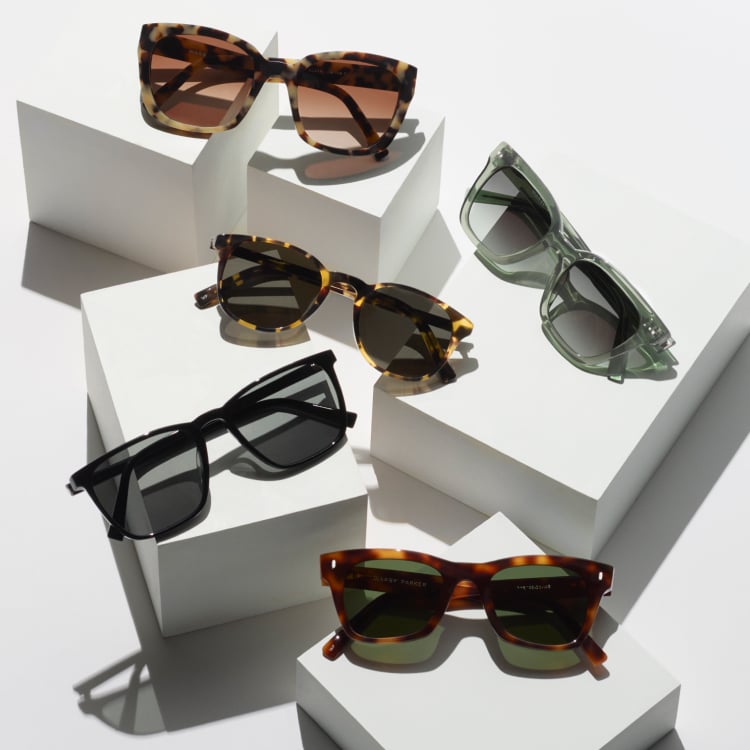
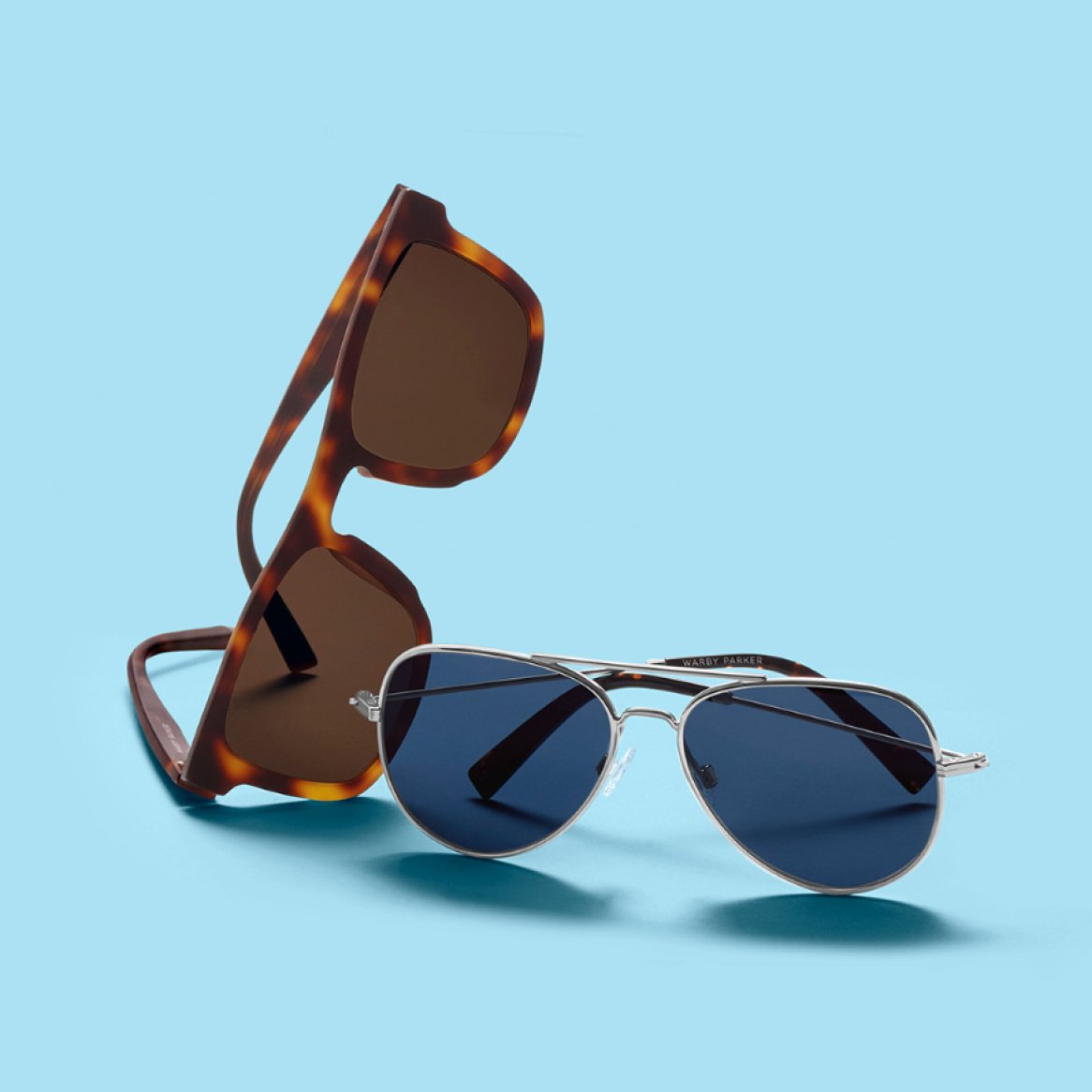
Square frames have made a comeback over the past few years. But for some people, they never went out of style. Bold yet minimal, square frames can instantly sharpen your look while providing the fuller eye coverage you want when you are outdoors.
This guide is designed to help you choose prescription square sunglasses that look polished, feel comfortable, and align with widely recommended UV protection guidelines for sunglasses.
We will walk through how to select prescription square sunglasses that combine a flattering shape, your prescribed vision correction, and the UV protection commonly recommended by professional organizations, so you can consider both style and sun protection.
By the end, you will understand frame sizing and materials, lens options and tints, which face shapes often pair well with square styles, and key specifications to review before you buy.
Why Prescription Square Sunglasses Are a Smart Everyday Option
Unlike non-prescription shades, prescription square sunglasses are designed to provide your prescribed vision correction while helping reduce bright light. One pair can be used for driving, walking in the city, or spending time outdoors with proper vision clarity and light reduction.
Square silhouettes are especially popular because of their clean lines and generous lens area. The larger lens surface can offer more coverage around the eyes and upper cheeks, which may help limit stray light from the sides and top when paired with the right fit. This makes them a practical option if you spend a lot of time outdoors or prefer more coverage from bright conditions.
When you combine good UV protection with a flattering, easy-to-style square frame, you may find it easier to wear your sunglasses consistently, an important factor in following UV protection guidance for your eyes.
How to Choose the Right Frame Shape, Size, and Fit
Fit is where style and comfort meet. A square frame that overwhelms your features or pinches at the temples is less likely to be worn regularly. Start with your current eyeglasses: check the numbers printed on the inside arm (lens width, bridge width, and temple length) and use those as a baseline. Wider faces tend to fit better with larger measurements, and narrower faces with smaller measurements.
In general, square frames are often chosen for round and oval faces, where the angles can add definition and structure. If you already have a very angular or square face, you may choose either to echo those strong lines or to soften them with slightly rounded squares. Professional guidance on how to choose eyeglass frames for your face shape can be a helpful starting point, but personal preference still matters most.
Look for a frame that:
- Bridge fit: Sits comfortably on the bridge of your nose without sliding.
- Centered pupils: Keeps your pupils roughly centered in each lens.
- Width match: Aligns its width with the widest part of your face.
- Brow clearance: Leaves enough room under the brow line so the frame does not press on your forehead.
Material also plays a role. Acetate offers rich color and structure, often chosen for bolder square sunglasses. Metal frames tend to be lighter and more minimal. If you are particularly active, you may want to consider lightweight performance materials with added grip at the nose pads or temples to help keep the frame steady.
Lens Options: UV Protection, Tints, and Everyday Use
The lens is a key part of what differentiates prescription square sunglasses. First, review UV information: look for lenses with UV400 labeling or 100% UVA/UVB protection. Professional organizations advise choosing sunglasses that block UVA and UVB rays and screen out most bright visible light for comfortable vision outdoors. Next, choose a tint that fits how you plan to use your sunglasses:
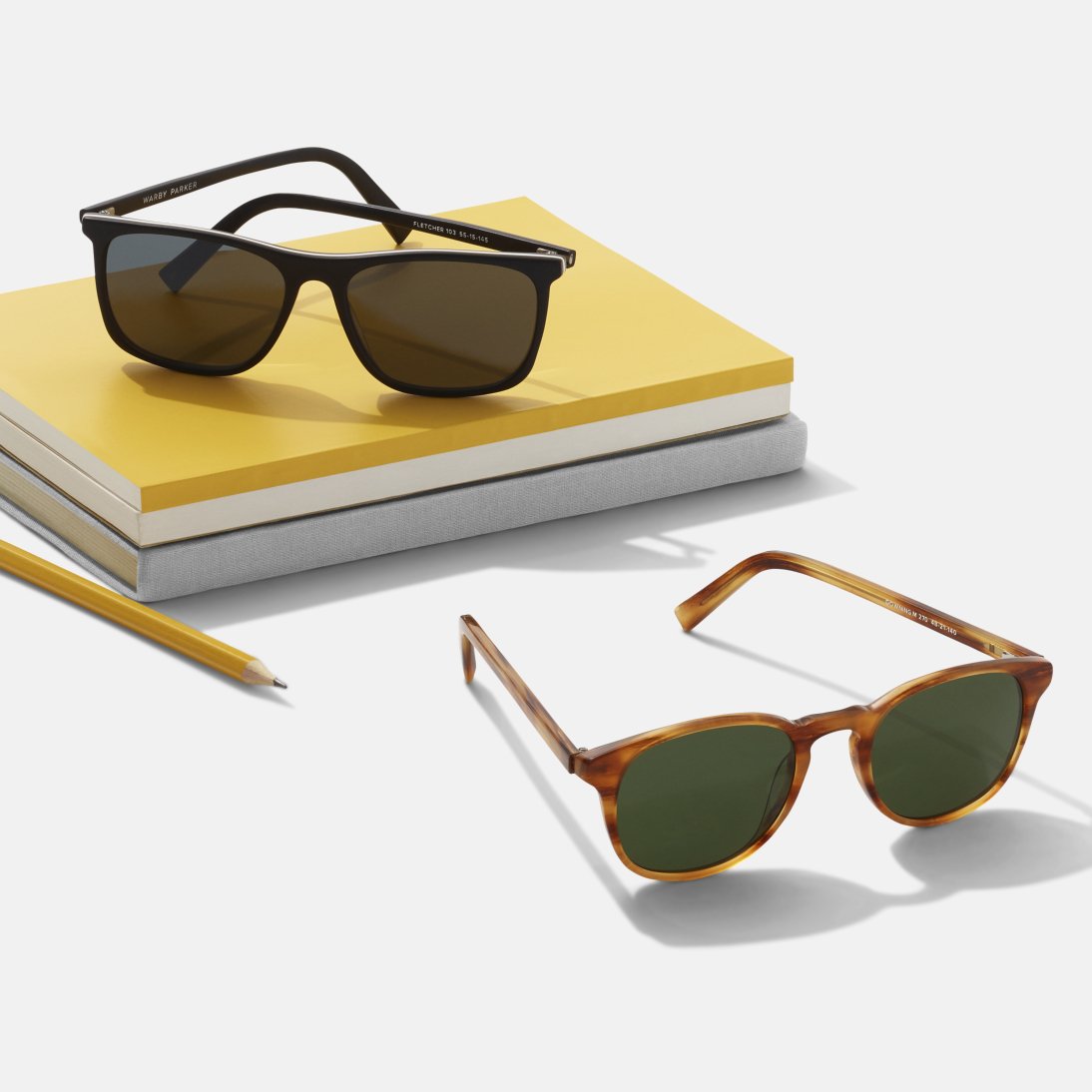
- Gray: Often chosen for driving and everyday wear because it tends to maintain a more neutral color perception.
- Brown or amber: May enhance contrast and depth perception in certain conditions and is commonly used in variable light or for outdoor activities.
- Green: Offers a balanced reduction in brightness while also enhancing contrast.
Finally, consider add-ons such as polarization, which can help reduce the intensity of reflective light from water, roads, and glass, scratch-resistant coatings for durability, and anti-reflective treatments on the back surface of the lens to help cut distracting reflections from behind.
Key Takeaways and Next Steps for Prescription Square Sunglasses
Choosing prescription square sunglasses is about aligning three elements: a frame that fits and flatters, lenses that provide your prescribed vision correction, and UV protection that aligns with widely cited professional guidance. When those pieces line up, you can enjoy clean lines, enhanced vision based on your prescription, and confidence wearing your sunglasses regularly.
As a next step, review your current prescription, think about where you use sunglasses most (commuting, driving, sports, leisure), and shortlist a few square frame styles that match your face shape and comfort preferences. From there, select lens options, such as UV400 labeling, a suitable tint, and any coatings, that support your lifestyle.
If you are unsure about sizing, face shape, or lens features, consider booking time with an eye care professional or visiting a showroom to try on styles in person. You can also explore related content on lens technologies and frame materials to refine your choice further.
Legal Disclaimer
MEDICAL DISCLAIMER: This content is provided for educational and informational purposes only and is not intended as medical advice, diagnosis, or treatment. This information should not be used to replace professional medical care or consultation. Individual results may vary significantly. Always consult with a qualified healthcare provider before making any decisions about your health, vision, or medical treatment. Never disregard professional medical advice or delay seeking treatment because of information you have read on this website.
VISION CARE DISCLAIMER: Vision correction needs vary by individual. Consult an eye care professional for personalized assessment and recommendations.
FDA DISCLAIMER: These statements have not been evaluated by the Food and Drug Administration. This content is not intended to diagnose, treat, cure, or prevent any disease or medical condition.
PROFESSIONAL CONSULTATION REQUIRED: Only qualified eye care professionals can provide personalized recommendations for your specific vision needs and health conditions.
This article is for informational purposes only. It is not intended to provide medical advice or substitute for professional health services. Warby Parker complies with all HIPAA regulations regarding your health information. For personal health questions or concerns related to your vision or eyewear prescriptions, please consult a qualified healthcare provider.
Are prescription square sunglasses good for all face shapes?
They are especially popular on round and oval faces, where the angles can add definition. People with very angular faces can still wear them and may prefer softer, slightly rounded squares, depending on personal style.
What should I look for in UV protection?
Look for lenses with UV400 labeling or 100% UVA/UVB protection. This level of protection aligns with many professional recommendations for limiting UV exposure to the eyes.
Can I get polarized lenses in prescription square sunglasses?
Yes. Many lens providers offer polarized options in a wide range of prescriptions. Polarized lenses are designed to help reduce the intensity of reflected light, which many people prefer for driving, boating, and bright city streets.
Which tint is good for everyday use?
Gray is a versatile choice for many people because it tends to maintain more natural color balance. Brown or amber tints may be helpful if you prefer a bit more contrast in changing light conditions.
Do larger square frames protect my eyes better?
Larger lenses and a close, well-aligned fit may offer more coverage around the eyes, but effective UV protection depends on the lenses themselves, not just the size of the frame.