Why Do Some Glasses Cost Five Times More Than Others?
Big price gaps in eyeglasses usually come from the combination of three things: frame markup, lens complexity, and retail overhead. But, remember, a higher quote is not automatically better quality, and a lower quote is not automatically a compromise.
The useful move is to separate each quote into cost buckets. When you do that, you can see what pays for vision performance and what pays for branding or channel costs.
Did you know?
You can order our frames as readers or with non-prescription lenses at no additional cost
Three Buckets That Drive Eyeglasses Price
Bucket one is frame cost, which includes material quality, construction, and sometimes substantial brand licensing markup.
Bucket two is lens tiering, where progressives, coatings, and specialty options can move total price quickly.
Bucket three is channel overhead: staffing, rent, merchandising, and bundled service structure. These costs are part of many in-person optical experiences and can influence final totals significantly.
Most large price differentials are not caused by one dramatic factor. They are the result of all three buckets stacking in different proportions across channels.
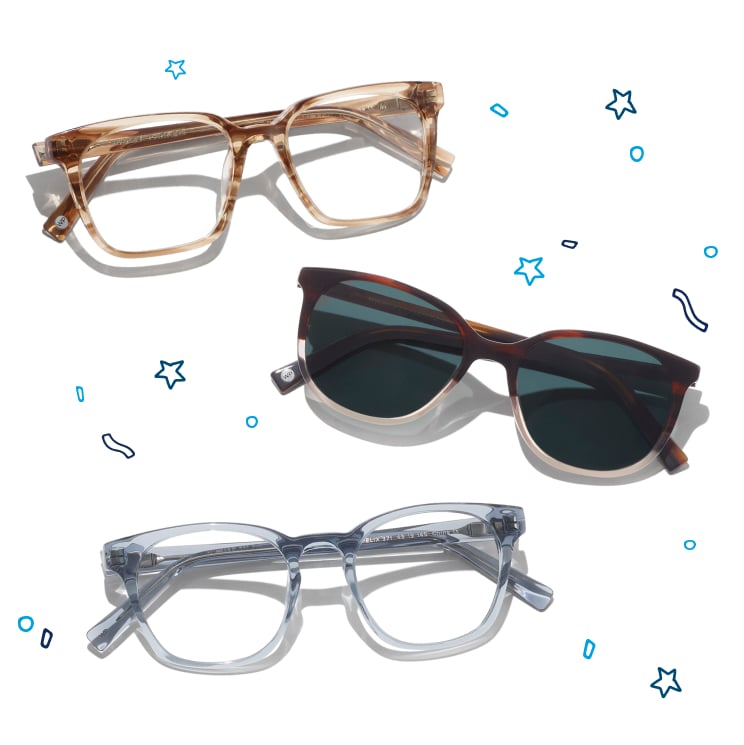
No matter your eye color…
You deserve to see clearly. (And to have a little fun shopping for eyewear, too.)
Once you allocate a quote this way, the eyeglasses price difference becomes easier to explain and compare.
For example, one quote might look high because it combines premium frame licensing, progressive lenses, and a high-overhead retail setting. Another may look much lower because it uses a simpler frame, single-vision lenses, and a direct model. Neither total is mysterious once you can see the pieces.
Frame Markup vs Frame Quality
Frame quality is primarily about material integrity, hinge performance, and fit geometry. Those are meaningful differences and can sometimes justify higher cost.
Logo status is a different line item. Branding and licensing can increase price even when underlying construction is similar to less expensive alternatives.
That is why expensive versus cheap glasses comparisons should start with fit and build checks, not name recognition. Width, bridge, and temple dimensions influence comfort more than temple branding.
A practical check is simple: confirm fit first, inspect material feel and hinge behavior, then evaluate whether the remaining price premium maps to something you actually value.
That sequence helps prevent you from buying on branding momentum alone. If two frames fit equally well and feel similarly solid in hand, a large price jump should come with a clear reason you can name. If you cannot name it, the premium may not be earning its place in your budget.
Lens Tiers, Engineering vs Upsell Theater
Lens pricing has both legitimate engineering and optional upsell pressure, and separating those two is critical.
Progressives generally cost more because they require more complex design and fitting precision than single vision. Anti-reflective coatings can add practical glare reduction in daily life. Photochromic materials add light-responsive convenience with known limits depending on the environment.
Those are real functional differences. What becomes confusing is bundled quoting, where several upgrades are grouped without clear line-item explanation. In that format, necessity can be overstated.
If you want clarity, ask for each lens upgrade to be listed separately and tied to your use case. That keeps true cost of eyeglasses grounded in function instead of script-driven defaults.
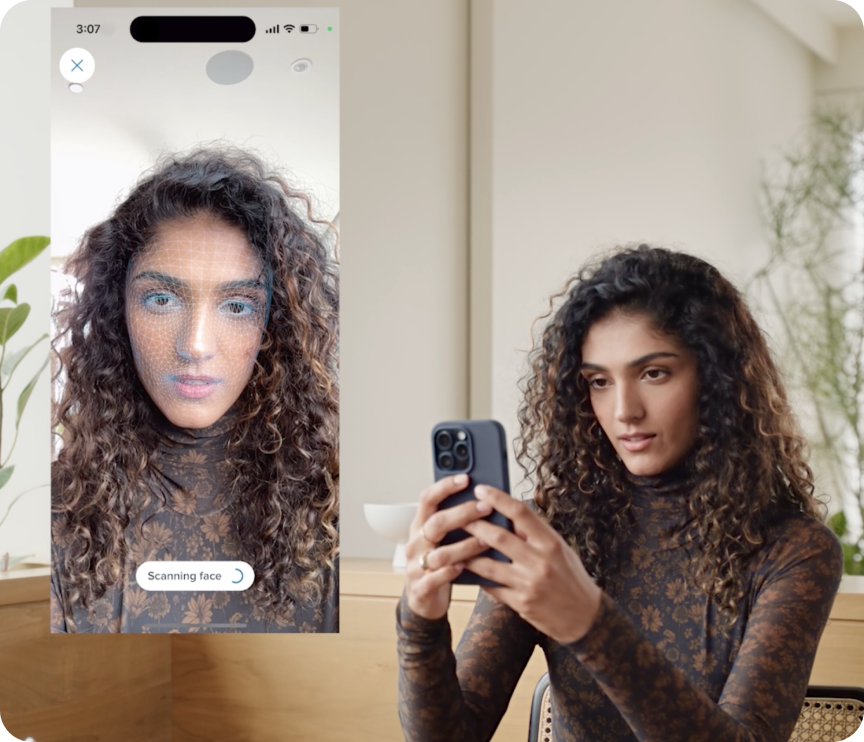
See any frames you like?
Instantly (and virtually) try them on
A useful phrase at checkout is, “Can you show me this quote as base lens plus each optional upgrade?” That keeps the conversation practical and transparent. Most teams can provide this breakdown, and once they do, it becomes much easier to keep only the features that genuinely help your daily routine.
When Paying More for Glasses Is Justified
Higher spending is often justified when it directly supports your prescription demands or routine. Complex correction needs, daily multi-distance use, and durable materials for heavy wear are common examples.
Paying more is usually less justified when most of the premium comes from branding or from bundled features you are unlikely to use.
A quick self-check helps:
- Does this higher cost improve clarity or comfort for tasks I do every day?
- Can I see each cost line, or am I being asked to accept one opaque total?
- Would I still choose this option if branding were removed from the comparison?
When answers stay practical, the purchase usually lands in the right range for your needs.
What to Verify Before You Buy Eyeglasses
Before checkout, verify that frame and lens lines are separated and that each lens tier has a clear function. If a quote is bundled, ask for itemization.
Then compare like-for-like totals. Keep prescription type, lens tiers, and material assumptions consistent across options, or the comparison will be misleading.
Check return and remake terms, especially for progressives, where adaptation can matter. Also confirm prescription validity and lens compatibility before finalizing.
Transparent pricing environments make this process easier because you can adjust one variable at a time and see how total cost changes.
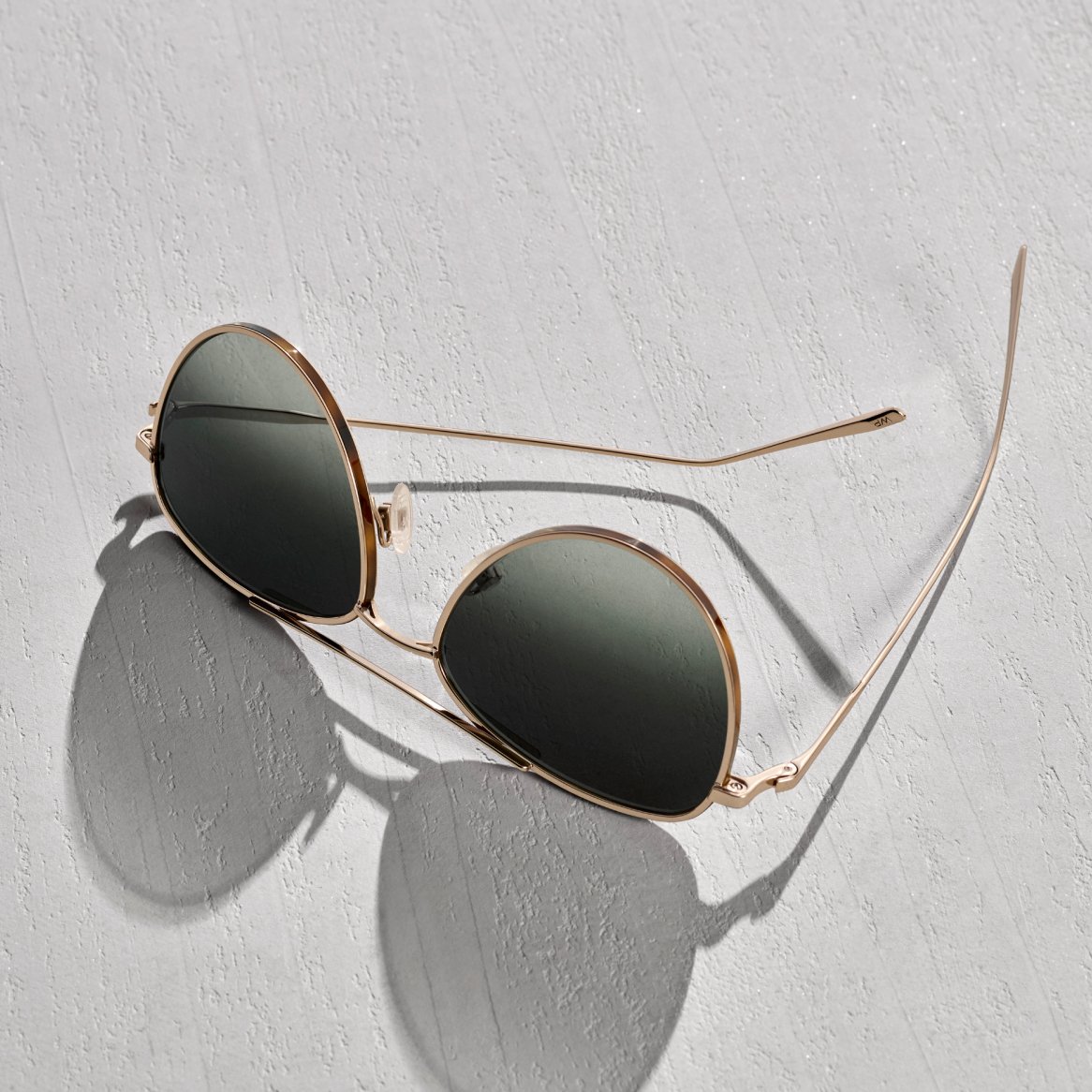
Want the look? (Even if you're not a pilot.)
We offer endless iterations—in both materials and lens shapes—of the adventurous aviator
When you compare options in that format, confidence tends to go up quickly. You are no longer asking whether expensive or cheap is “better” in the abstract. You are deciding which specific combination of fit, lens function, and cost fits your life.
Why Glasses Cost More in Some Places Than Others
A large price gap usually reflects stacked differences in markup, lens engineering, and overhead, not a single quality verdict. Once those pieces are visible, you can spend where it matters and cut where it does not.
That is the core decision: pay for fit, function, and clarity you actually need, while avoiding costs that do not improve your daily vision experience.
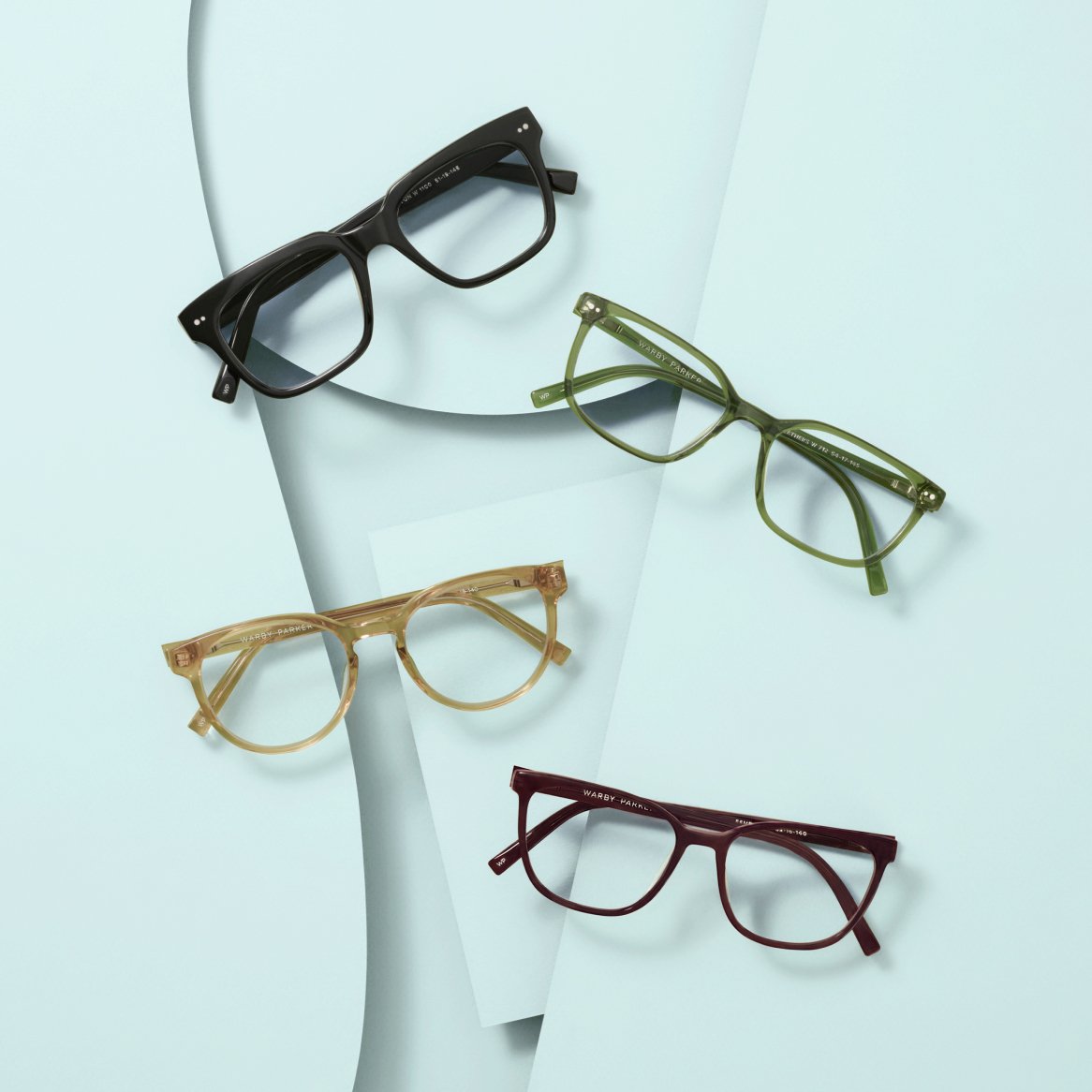
Glasses for everyone
Find your perfect pair from our bestselling frames
Legal Disclaimer
MEDICAL DISCLAIMER: This content is provided for educational and informational purposes only and is not intended as medical advice, diagnosis, or treatment. This information should not be used to replace professional medical care or consultation. Individual results may vary significantly. Always consult with a qualified healthcare provider before making any decisions about your health, vision, or medical treatment. Never disregard professional medical advice or delay seeking treatment because of information you have read on this website.
VISION CARE DISCLAIMER: Vision correction needs vary by individual. Consult an eye care professional for personalized assessment and recommendations.
FDA DISCLAIMER: These statements have not been evaluated by the Food and Drug Administration. This content is not intended to diagnose, treat, cure, or prevent any disease or medical condition.
PROFESSIONAL CONSULTATION REQUIRED: Only qualified eye care professionals can provide personalized recommendations for your specific vision needs and health conditions.
This article is for informational purposes only. It is not intended to provide medical advice or substitute for professional health services. Warby Parker complies with all HIPAA regulations regarding your health information. For personal health questions or concerns related to your vision or eyewear prescriptions, please consult a qualified healthcare provider.
Why do some glasses cost 5x more than others?
Because frame markup, lens tier complexity, and channel overhead can combine differently across providers and produce large total differences.
Are expensive glasses actually better quality than cheap ones?
Sometimes, especially for specific materials or lens engineering, but high price often includes branding and overhead that do not always improve function.
What are you paying for in a high-priced eyeglass quote?
Usually a mix of frame cost, lens upgrades, service structure, and brand-related pricing. Itemized quotes reveal the split.
How much should frames and lenses each contribute to the total?
It depends on prescription needs and selected tiers, which is why line-item transparency is more useful than fixed percentage rules.
Need Glasses?
Shop prescription glasses starting at $95