What Are You Actually Paying for in Premium Lenses?
It can seem like a bunch of marketing thrown at you to increase prices unnecessarily, but premium lens pricing also reflects real engineering, not just sales talk. The biggest cost drivers are lens design complexity, coating systems, and the lab precision required to place your prescription accurately.
Where people feel overwhelmed is not the existence of upgrades. It is seeing several upgrades bundled together without clear line-item logic. Once each tier is separated, the quote gets easier to evaluate and easier to customize around your actual routine.
No matter your eye color…
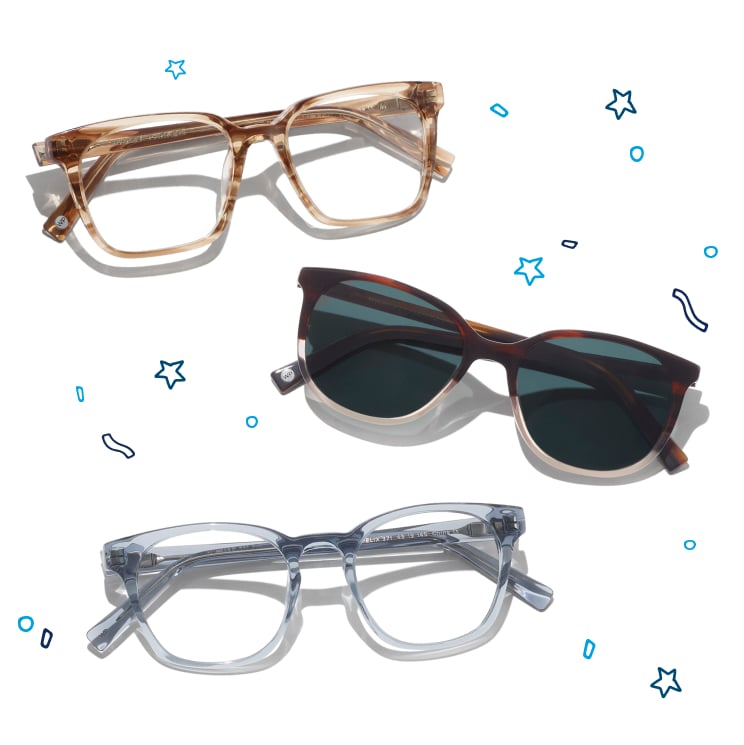
You deserve to see clearly. (And to have a little fun shopping for eyewear, too.)
Premium Lens Categories: Design, Coatings, and Lab Work
One useful way to read a premium quote is by category. Design upgrades include options like progressive geometry. Coating upgrades include anti-reflective layers. Light-response upgrades include photochromic materials.
Lab work sits underneath all of these. Stronger or more complex prescriptions can require more precision and additional process steps, which affects total cost beyond the simple “standard versus premium” label.
This category view is what makes a cost breakdown of premium lenses practical. It turns one opaque number into a set of decisions you can test against your week.
Add a pair and save
Buy one prescription pair and save 20% on additional pairs—eyeglasses or sunglasses!
If a quote does not separate categories clearly, ask for that separation first. Clarity should come before configuration.
Why Progressives and Single Vision Cost Different Amounts
Single-vision lenses are built around one focal need, so manufacturing is comparatively straightforward. Progressive lenses blend multiple focal zones into one lens, which requires more complex design and tighter fitting precision.
That additional engineering is why progressive lenses cost more in many cases. It is about design, alignment, and tolerance for error in daily use.
Not every wearer needs progressives. If readers plus distance correction already cover your routine, single vision may be the more efficient choice. If you shift across near, intermediate, and distance constantly, progressives can justify the extra cost through daily convenience.
A fair quote should map this price difference to design complexity, not to prestige language at the counter.
Anti-Reflective and Photochromic, What Each Upgrade Adds
Anti-reflective coating improves visual comfort by reducing glare from screens, indoor lighting, and night conditions. That value is practical and should be described in those terms, not mixed with broad wellness claims.
Photochromic lenses add light-responsive behavior that darkens outdoors and clears indoors. For many people, that improves convenience across mixed environments.
Each tier has real cost because each tier adds process and material. Stacking both on top of progressives can move total cost quickly, so it helps to evaluate each one on weekly use rather than choosing by default.
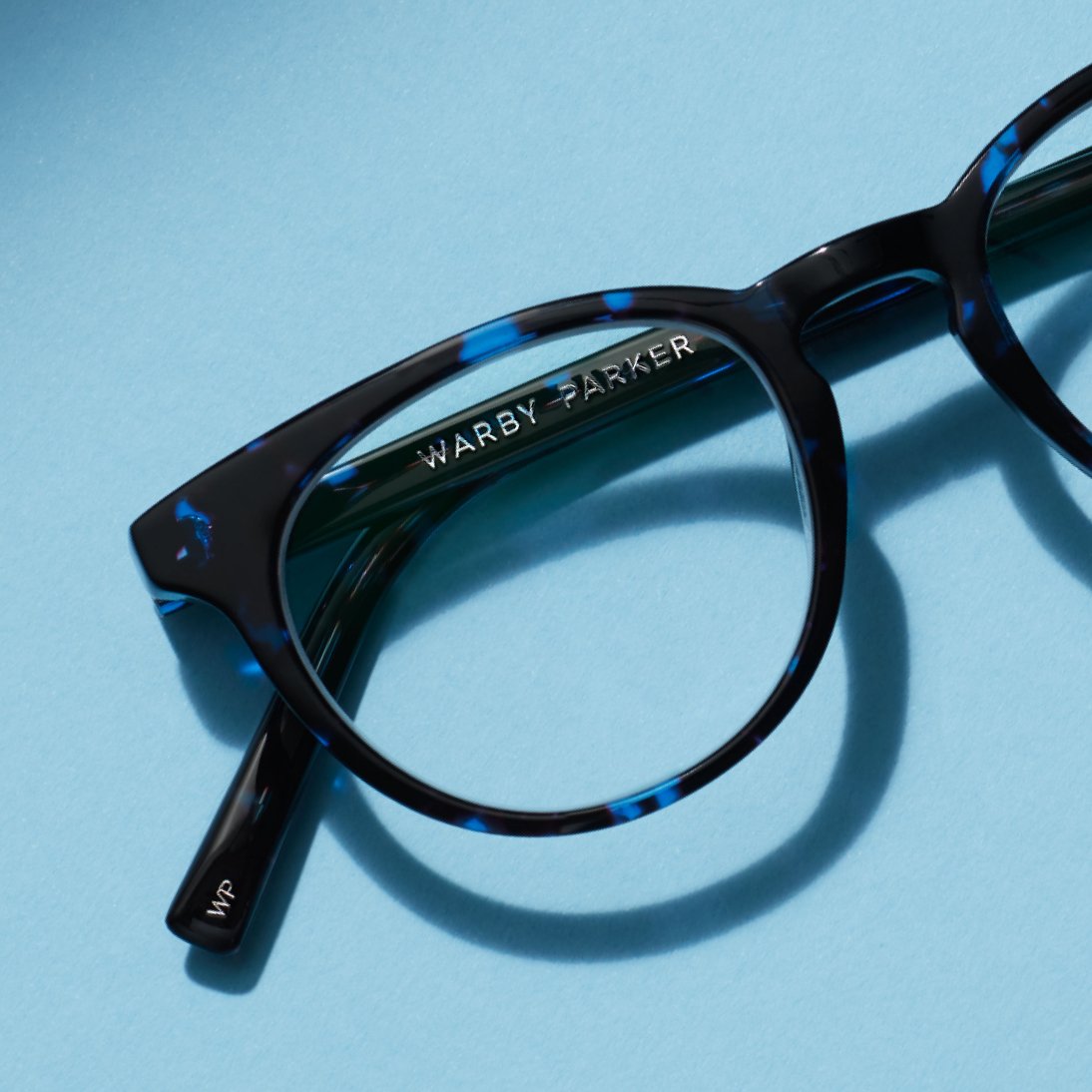
Looking for new lenses?
Our glasses include prescription lenses with scratch-resistant, anti-reflective coatings
Photochromic options also have limits in some driving and bright-sun scenarios compared with dedicated sunglasses. Knowing that upfront keeps expectations realistic and prevents paying for the wrong use case.
Which Premium Lens Upgrades Match Your Routine
Routine mapping makes this easier than feature shopping. Start by listing the settings where you actually spend time: desk work, commuting, outdoor transitions, and reading demands throughout the day.
Progressives are often worth it when you need multi-distance correction daily. Anti-reflective coating is often worth it when glare is a regular issue, especially with screens or nighttime driving. Photochromic tends to matter most when you move between indoor and outdoor spaces often.
If one or two upgrades cover your real usage, there is no value in stacking every available tier. That is where many inflated quotes come from: adding features that sound premium but do not solve daily problems.
A clean lens strategy is usually selective, not maximal.
What to Check Before Adding Premium Lens Upgrades
Before finalizing a quote, verify that each upgrade appears as a separate line item with a clear price. Bundles make comparison difficult and hide trade-offs.
Confirm compatibility with your prescription type. Progressives, in particular, depend on accurate measurements and can involve adaptation. Ask about return or remake terms before committing so expectations are clear.
Then run a with-and-without comparison for each upgrade. If removing one tier barely changes your week but materially lowers your cost, that is a useful signal.
Need your glasses adjusted?
Bring your Warby Parker frames to one of our opticians for an expert fine-tuning
Transparent configurators support this process because they show standard versus premium options clearly and let you adjust one variable at a time.
Premium Lens Cost and What Your Routine Needs
Premium lenses can be worth every dollar when the engineering matches your real routine. They feel wasteful when bundled without context or selected out of pressure.
The most reliable approach is simple: read the quote by category, keep upgrades that solve frequent problems, and skip the rest. That keeps premium eyeglass lenses cost aligned with function instead of presentation.
A useful final check is to price the quote in layers rather than as one bundle. Keep a base version with only prescription accuracy, then add one upgrade at a time and note what each tier changes in your day. This reveals diminishing returns quickly. If an added tier does not improve comfort, clarity, or convenience in a meaningful way, you can remove it without feeling like you compromised quality.
If you are undecided, prioritize the upgrade most tied to your daily friction, then live with that setup first. You can often add complexity later, but removing unnecessary spend after checkout is harder.
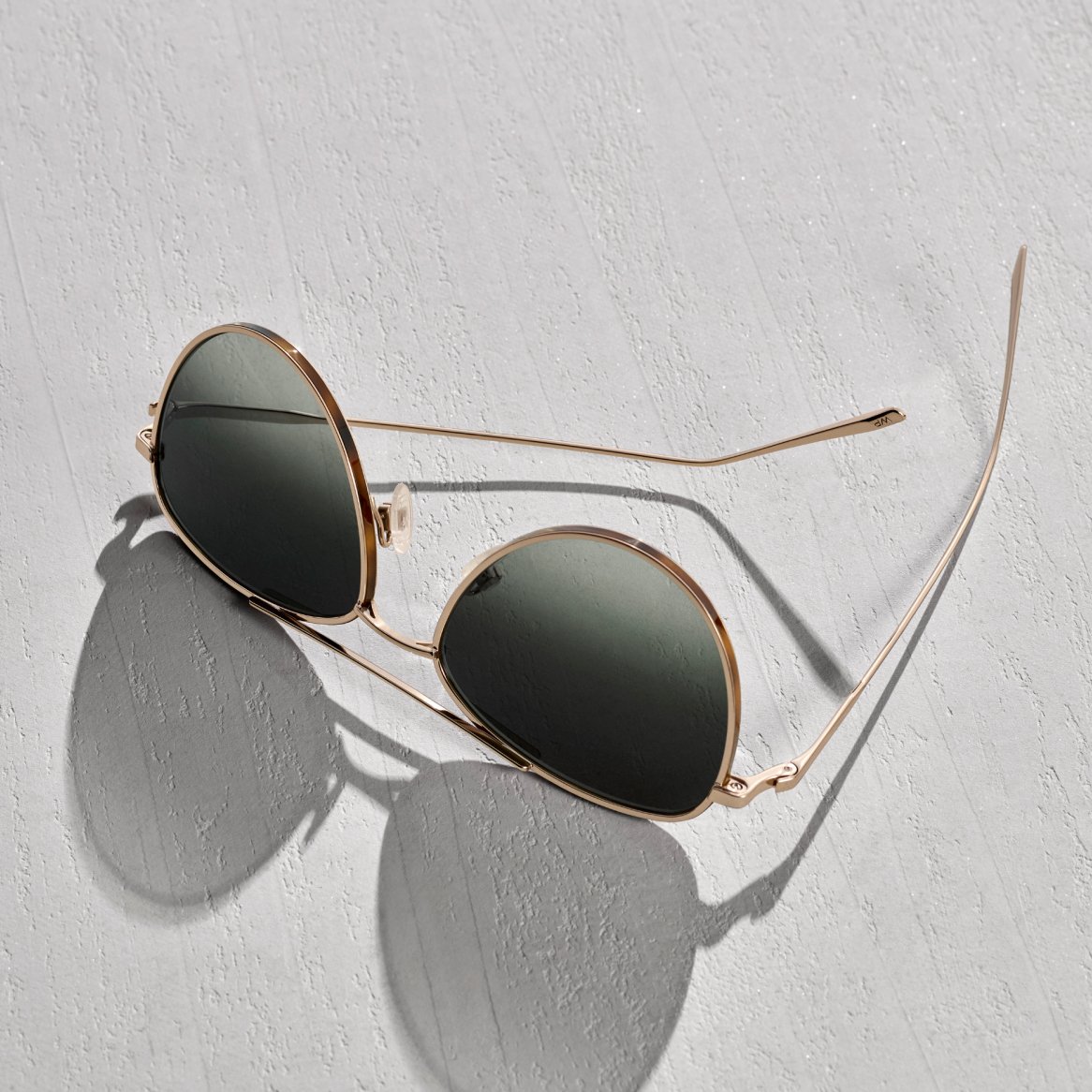
Want the look? (Even if you're not a pilot.)
We offer endless iterations—in both materials and lens shapes—of the adventurous aviator
Legal Disclaimer
MEDICAL DISCLAIMER: This content is provided for educational and informational purposes only and is not intended as medical advice, diagnosis, or treatment. This information should not be used to replace professional medical care or consultation. Individual results may vary significantly. Always consult with a qualified healthcare provider before making any decisions about your health, vision, or medical treatment. Never disregard professional medical advice or delay seeking treatment because of information you have read on this website.
VISION CARE DISCLAIMER: Vision correction needs vary by individual. Consult an eye care professional for personalized assessment and recommendations.
FDA DISCLAIMER: These statements have not been evaluated by the Food and Drug Administration. This content is not intended to diagnose, treat, cure, or prevent any disease or medical condition.
PROFESSIONAL CONSULTATION REQUIRED: Only qualified eye care professionals can provide personalized recommendations for your specific vision needs and health conditions.
This article is for informational purposes only. It is not intended to provide medical advice or substitute for professional health services. Warby Parker complies with all HIPAA regulations regarding your health information. For personal health questions or concerns related to your vision or eyewear prescriptions, please consult a qualified healthcare provider.
What makes premium eyeglass lenses cost more?
Design complexity, coating systems, light-responsive materials, and the precision lab work required for your specific prescription all contribute to premium cost.
Are progressives worth the upgrade?
They are often worth it for people who need clear vision at multiple distances throughout the day, but they are not necessary for every routine.
What does anti-reflective coating actually do?
It reduces glare and distracting reflections, which can improve comfort and clarity in screen-heavy and low-light situations.
Is photochromic worth the premium?
It can be useful for frequent indoor-outdoor transitions, though dedicated sunglasses may still perform better in some bright conditions.
Need Glasses?
Shop prescription glasses starting at $95