What Should You Do If Your New Glasses Don’t Work?
Updated: July 28, 2026
If your new glasses feel wrong, you don’t have to immediately default to panic or self-blame. Take a few moments to sort the issue into one of three buckets: fit, prescription, or normal adaptation. Each has a different fix, and focusing on each area individually reduces your stress and makes solutions much easier than mixing them all together.
This is especially true for first-time buyers. Glasses-not-working questions are common because even good pairs can need small adjustments or short adaptation windows before they feel natural.
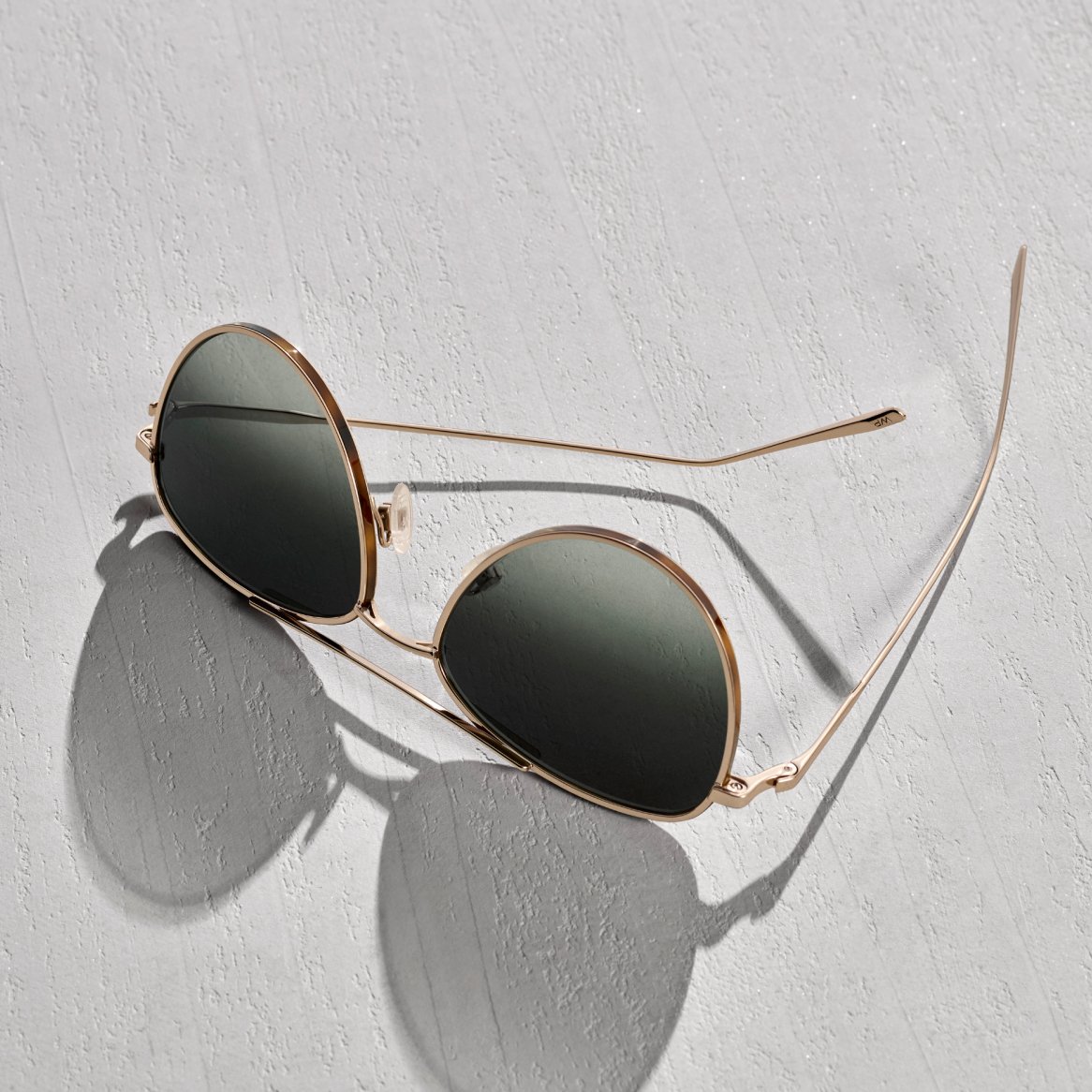
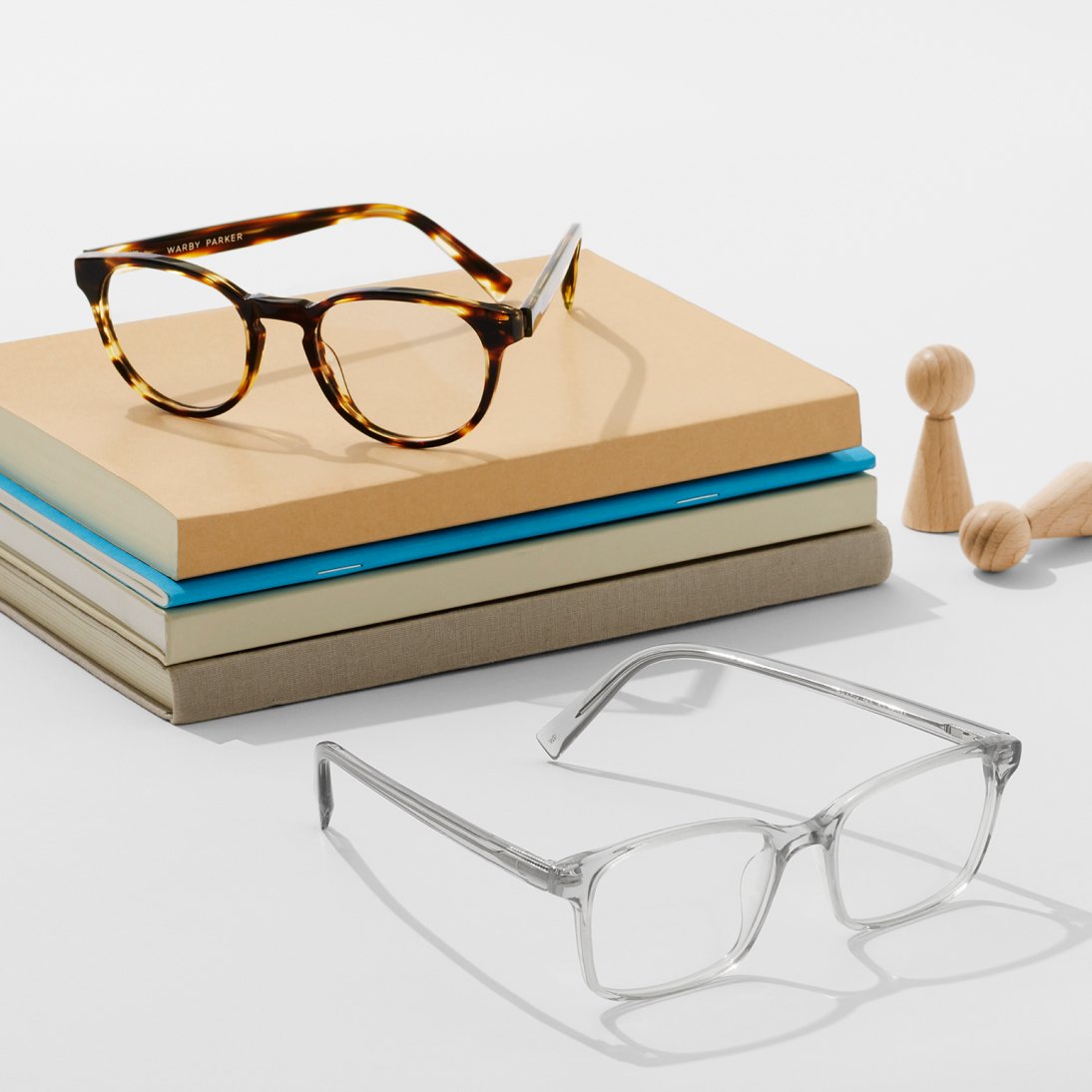
Want the look? (Even if you're not a pilot.)
We offer endless iterations—in both materials and lens shapes—of the adventurous aviator
Fit issues usually feel physical: pinching at the bridge, slipping at the nose, pressure behind ears, or temples that feel too tight by mid-day. Vision might be acceptable, but comfort is off.
Prescription issues usually feel visual: persistent blur, unusual distortion, dizziness, or strain that does not improve across different distances. A prescription concern often stays consistent whether you are reading or looking far away.
Adaptation issues are different. They often improve gradually over days, especially with progressives or stronger Rx updates. Recognizing this distinction early helps you choose the right next action.
Troubleshooting Steps When Glasses Don’t Feel Right
Use an ordered sequence. First, inspect fit points: bridge, nose pads, and temple tension. Small adjustments can resolve the reason many glasses don’t feel right in minutes.
Second, track symptoms clearly. Note whether blur appears at near or distance, in one eye or both, and whether discomfort is constant or intermittent.
Third, allow a reasonable adaptation period if your prescription changed recently. Fourth, if available, get an in-store adjustment before escalating to remake or return.
This sequence prevents unnecessary returns when a simple fit correction would have solved the issue.
Adaptation Timeline for New Glasses
Single-vision changes often settle within several days to two weeks. Progressives can take longer, especially when switching from single vision or when corridor behavior is unfamiliar.
The key signal is trajectory. In a normal new glasses adjustment period, things improve gradually. With a likely Rx mismatch, symptoms stay flat or worsen despite time and fit tweaks.
Headaches can occur in both cases, so context matters. If headaches ease after fit adjustment, fit was likely involved. If they persist with stable fit, prescription review may be needed.
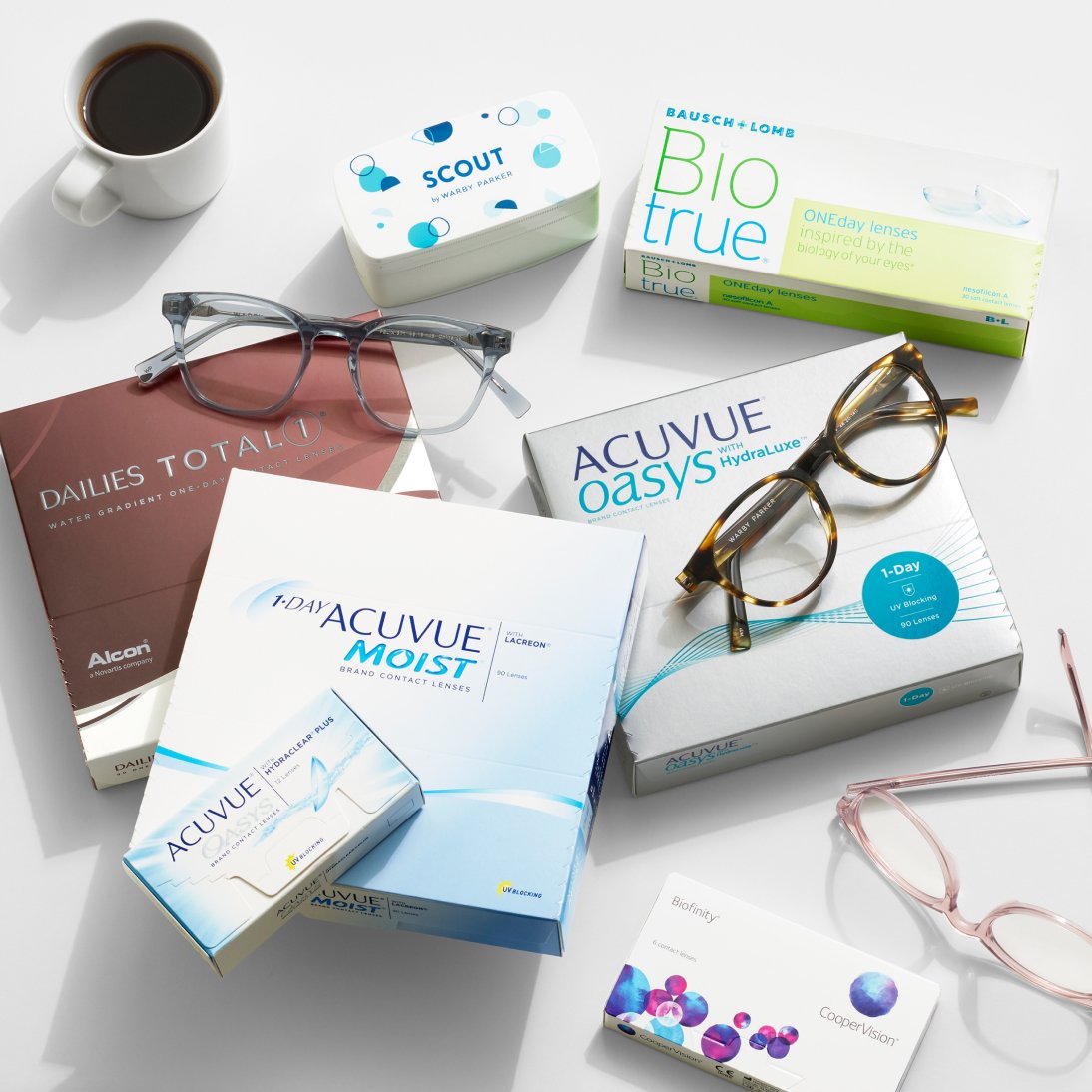
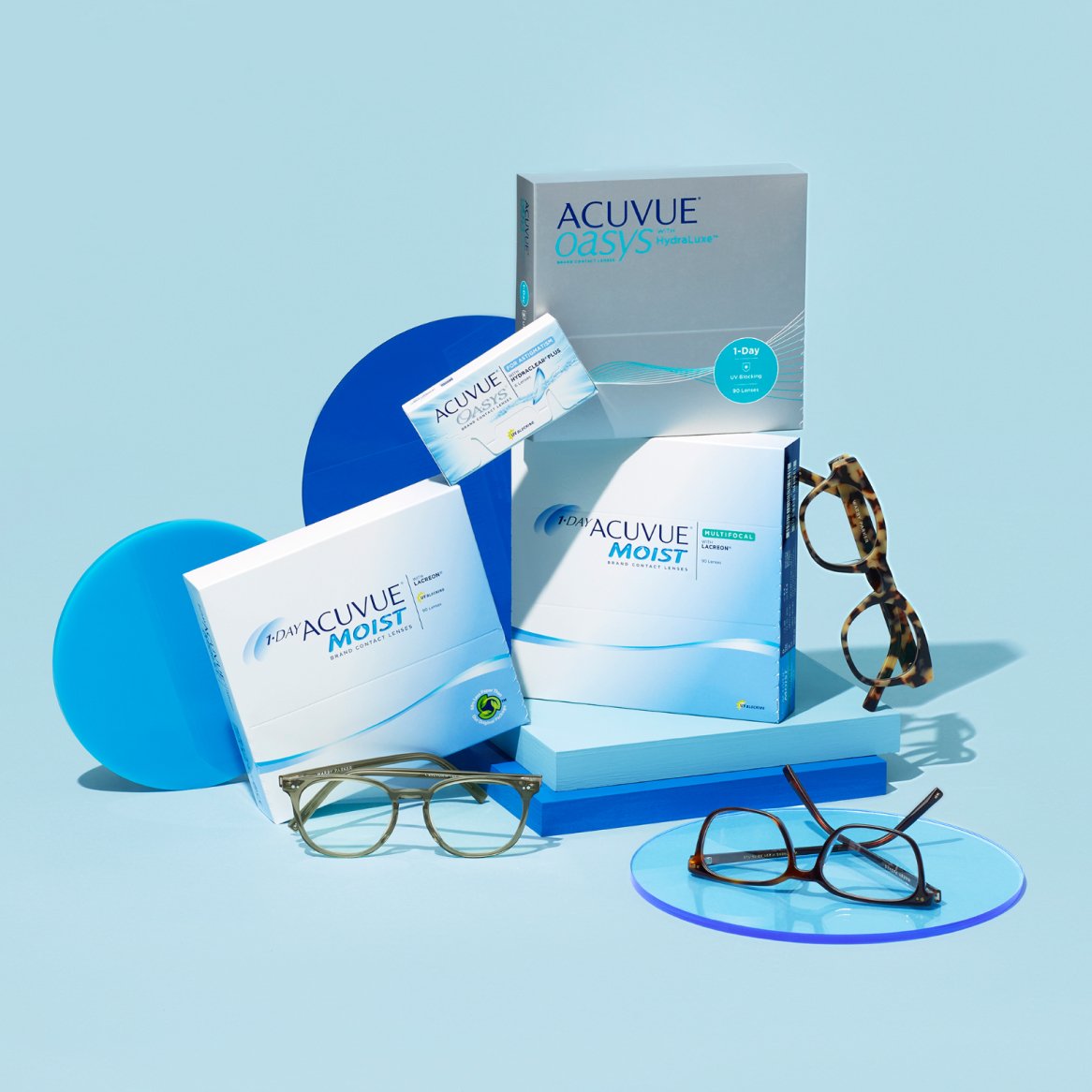
Speaking of making your eyes pop…
Whatever your eye color, highlight them with glasses or let them shine with contacts
For progressives, mild edge blur early on can be expected. Persistent disorientation after a fair trial window is not.
Return and Exchange Paths for Glasses That Aren’t Working
Check your eyeglasses return policy early so you know your options while there is still time to act. Return, exchange, and remake options exist for exactly this scenario.
Use remakes when prescription execution appears off and exchanges when frame fit is the main issue. In many cases, a width or bridge change solves comfort problems without changing lens type.
When contacting support, describe symptoms in plain terms: where blur appears, what adjustments were tried, and what improved or did not improve. This makes resolution faster.
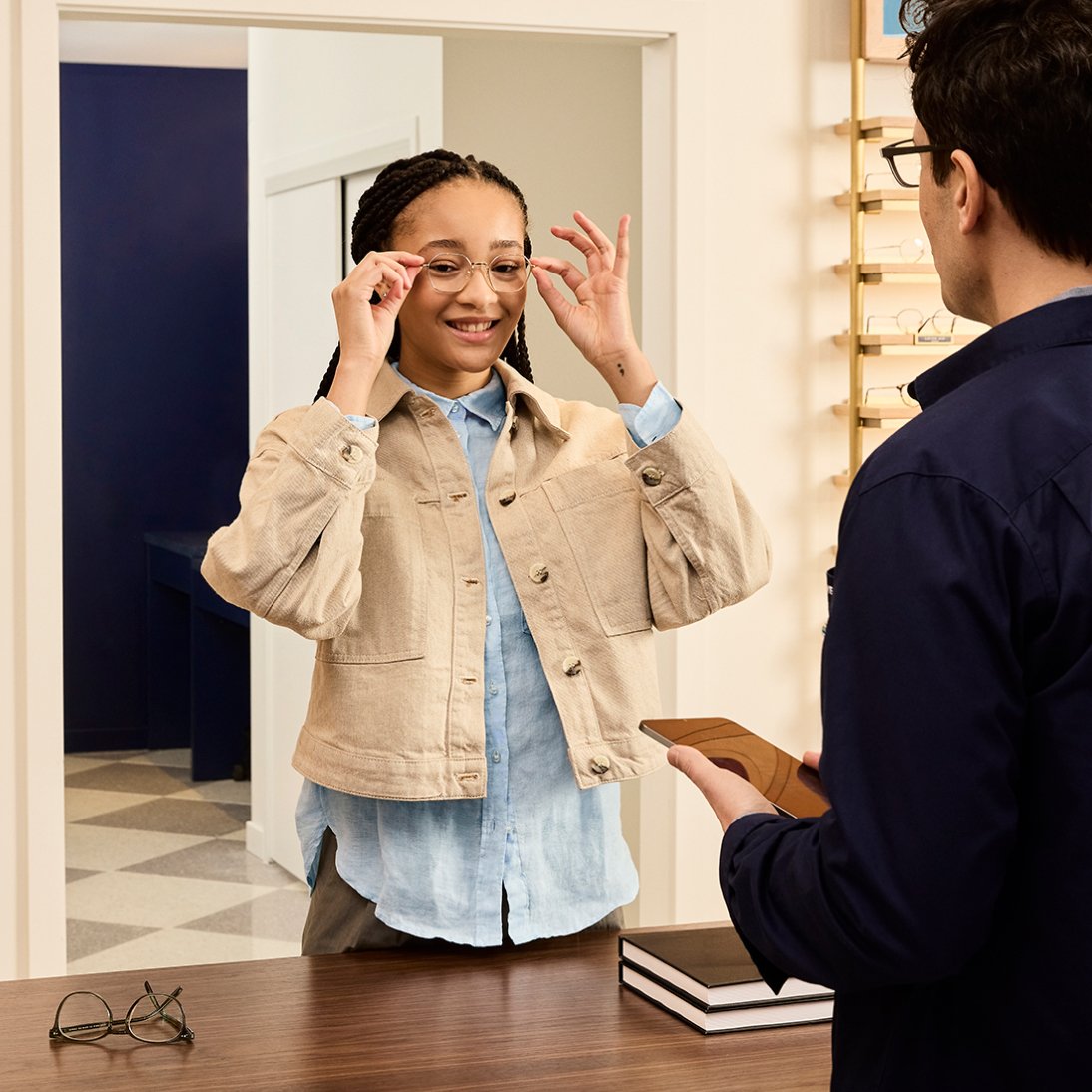
Warby Parker provides easy returns and in-store adjustments, which can be useful for fit-first troubleshooting.
Eye Doctor Follow-Up When Glasses Still Fail
Schedule follow-up care if symptoms persist after fit correction, adaptation time, and retailer troubleshooting. Persistent blur, ongoing dizziness, or strong one-eye imbalance are common reasons to recheck.
This is not a diagnosis step. It is a handoff step. If retailer solutions do not resolve the issue, clinical verification is the appropriate next move.
Bring notes to the appointment. Distance-specific blur, one-eye differences, and timeline details help your doctor isolate problems faster.
When new glasses do not feel right, start with category diagnosis, not guesswork. Fit gets adjustments, adaptation gets time, and persistent visual issues get remake or follow-up escalation.
This approach keeps the process calm and efficient. Most cases resolve once the right next step is chosen in the right order.
You can make troubleshooting faster by setting a short evidence window. Over three to seven days, track when symptoms appear, what improves after adjustment, and what stays unchanged. Include context like screen work, driving, reading distance, and end-of-day fatigue. This keeps the conversation objective when you contact support or your doctor. Instead of saying the glasses feel off, you can describe specific patterns that point to fit, adaptation, or prescription mismatch. Structured notes also help avoid repeated trial and error, because each next step is based on what already happened. When problems are documented clearly, remakes and follow-up visits tend to resolve faster and with less back-and-forth.
A final tip is to change only one variable at a time while troubleshooting. Do not adjust fit, switch wear schedule, and question prescription accuracy all at once. Single-variable changes reveal cause and effect faster, which protects your return window and reduces uncertainty. This method keeps the process calm and usually leads to a cleaner resolution.
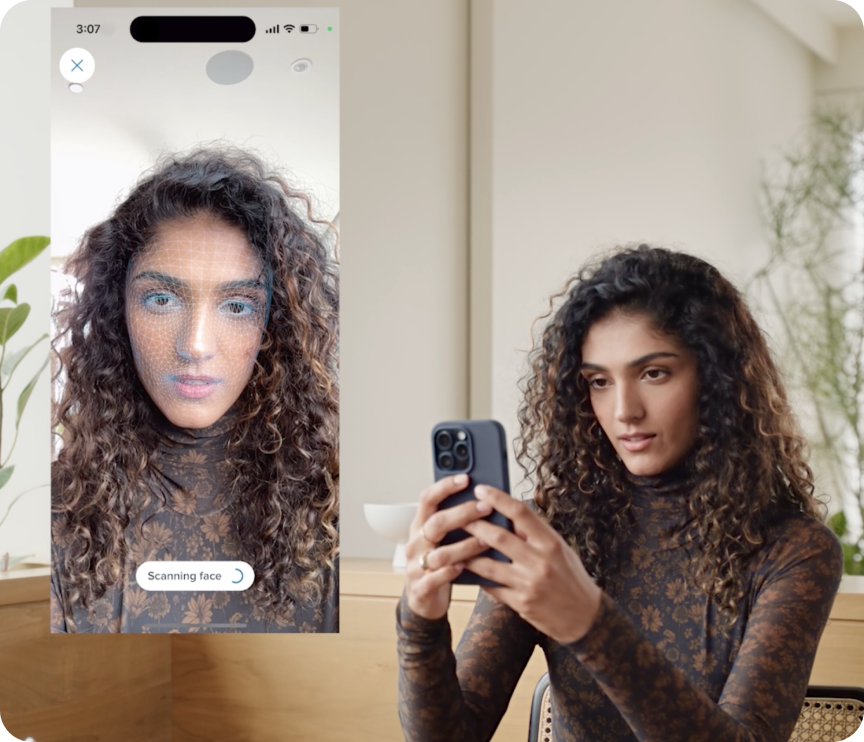
Fast-forward to now…
Shop any glasses style from the comfort of your home
MEDICAL DISCLAIMER: This content is provided for educational and informational purposes only and is not intended as medical advice, diagnosis, or treatment. This information should not be used to replace professional medical care or consultation. Individual results may vary significantly. Always consult with a qualified healthcare provider before making any decisions about your health, vision, or medical treatment. Never disregard professional medical advice or delay seeking treatment because of information you have read on this website.
VISION CARE DISCLAIMER: Vision correction needs vary by individual. Consult an eye care professional for personalized assessment and recommendations.
FDA DISCLAIMER: These statements have not been evaluated by the Food and Drug Administration. This content is not intended to diagnose, treat, cure, or prevent any disease or medical condition.
PROFESSIONAL CONSULTATION REQUIRED: Only qualified eye care professionals can provide personalized recommendations for your specific vision needs and health conditions.
This article is for informational purposes only. It is not intended to provide medical advice or substitute for professional health services. Warby Parker complies with all HIPAA regulations regarding your health information. For personal health questions or concerns related to your vision or eyewear prescriptions, please consult a qualified healthcare provider.
Frequently Asked Questions
What should I do if my new glasses don't feel right?
Identify whether the issue is fit, Rx, or adaptation, then troubleshoot in order: adjust first, allow adaptation, and escalate if symptoms persist.
How long should it take to adjust to new glasses?
Single-vision changes often settle within days to two weeks; progressives may need up to two weeks or slightly longer with steady improvement.
Is it the prescription or the fit, how do I tell?
Fit issues feel physical at frame contact points, while prescription issues cause persistent visual symptoms across contexts.
Can I return or exchange glasses that aren't working?
Yes. Most retailers offer return, exchange, or remake options within a policy window when fit or lens performance is not right.