Can You Choose Glasses for Looks Without Sacrificing How They Work?
Updated: July 22, 2026
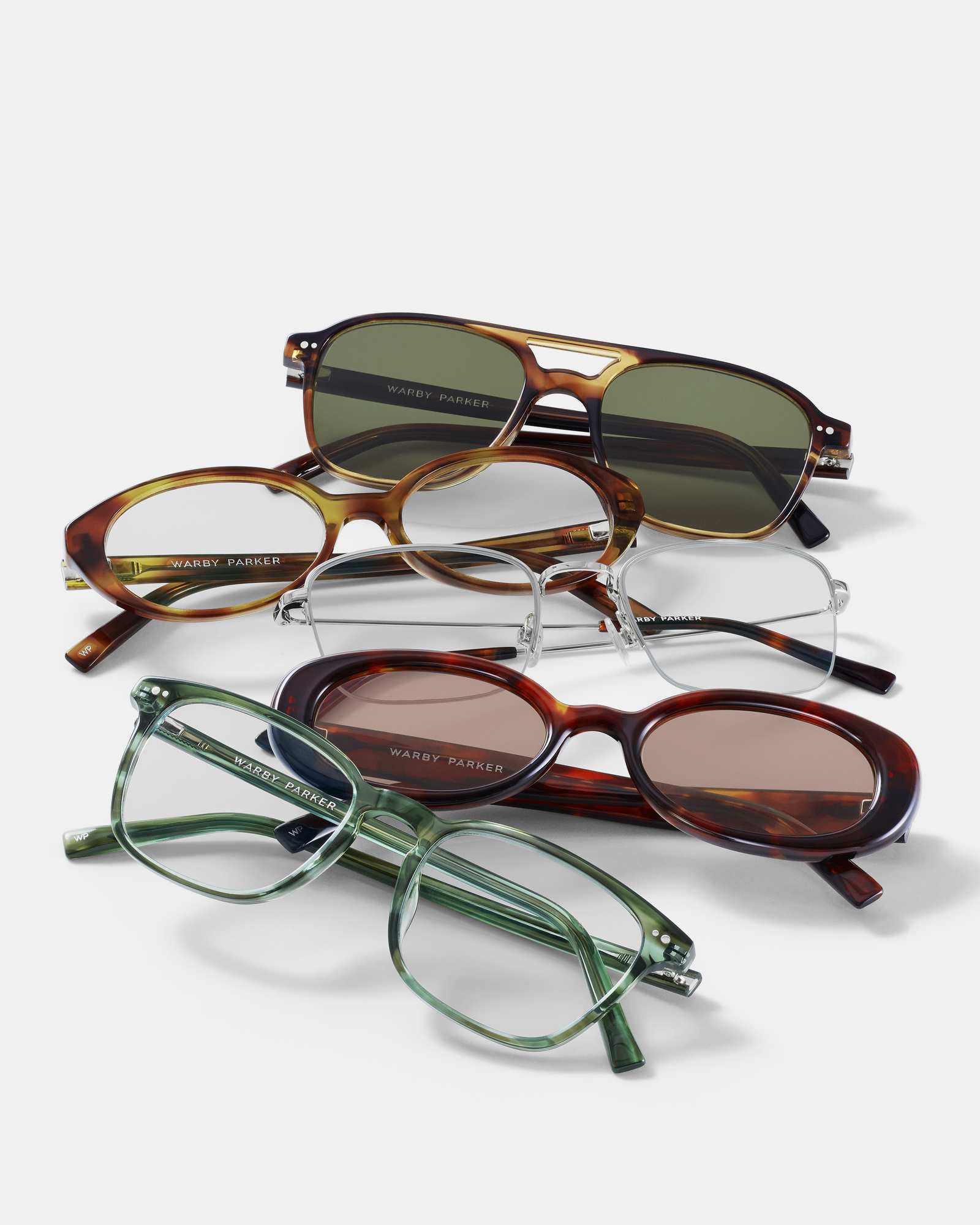
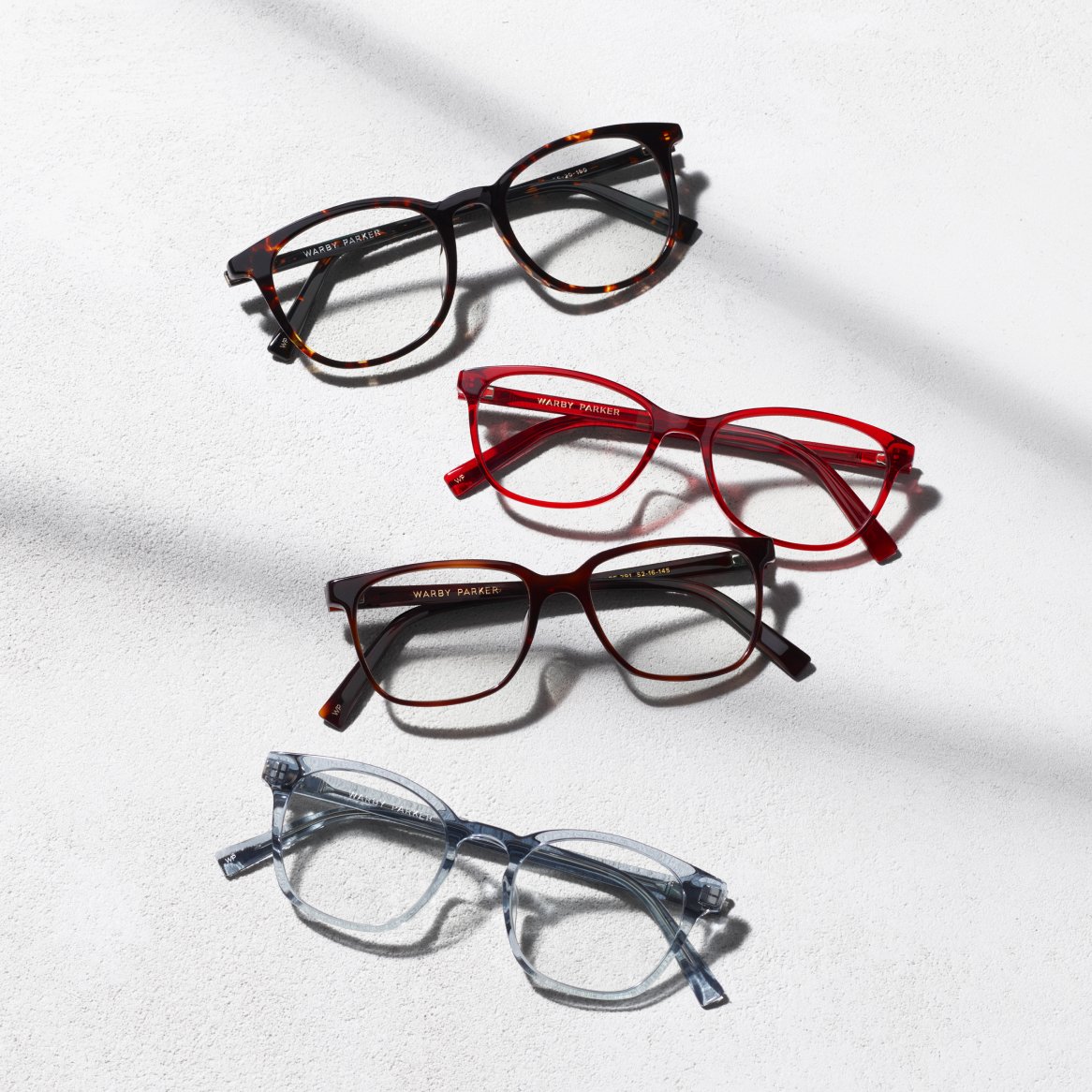
The answer? Of course you can. And most people should. The trick is understanding that style and performance are not competing teams. A pair can look sharp in photos, work through long screen-heavy days, and still feel comfortable at the end of the night, but only if you treat fit and lens choices as part of style, not as boring add-ons after style is done.
That is where glasses style vs function usually gets framed the wrong way. People hear “function” and picture compromise, then hear “style” and picture freedom. In real life, the two are linked. If a frame slides down your nose in every meeting or feels heavy by noon, it will not feel stylish for long no matter how good it looked in a product image.
Bundle & save
Buy one prescription pair and save 20% on additional pairs
Minimum Function Requirements for Stylish Eyeglasses
Start with a simple baseline: your prescription has to be accurate, the frame has to sit correctly, and the lenses have to support how you actually use your eyes day to day. If those three things hold, you have room to express taste with shape, color, and material without setting yourself up for regret.
This is why stylish eyeglasses and functional eyeglasses belong in one conversation. A flattering front width matters, but so does bridge fit. Temple length sounds technical, but it determines whether the frame stays put while you move through normal life. Stronger prescriptions also change how lens edge thickness appears in different rims, which can affect the final look more than expected.
One useful mindset is to treat function as the foundation and style as the finish. You do not start by giving up what you like. You start by making sure the pair you like can genuinely carry your prescription and your routine.
Think you need glasses?
Time to check in with one of our friendly optometrists
Which Lens Features Actually Matter for Everyday Wear
Most daily wearers get more value from a few practical lens choices than from a long menu of upgrades. First, match lens type to prescription needs, whether that is single vision or progressives. That is the non-negotiable part of prescription glasses that work.
From there, anti-reflective coating is usually worth serious consideration because it affects real moments: fluorescent office lights, video calls, and photos where glare can wash out your eyes. It is a clarity and comfort decision, not a claim about treating health issues.
Where people overspend is on features that sound premium but do little in daily use. If an add-on does not solve a problem you actually have, it is probably not improving your glasses experience. The same goes for aesthetic surprises. Lens material and thickness can influence how polished the frame looks on the face, especially with stronger prescriptions, so think about lens appearance and frame style together.
That keeps your lens package from quietly undermining the exact look you chose.
How to Know a Frame Looks Good Before You Buy
A frame looks good when proportions and fit work together, not when the style name sounds right. Width is usually the first checkpoint. Too narrow can look cramped; too wide can feel oversized in ways you did not intend. Bridge and temple fit then determine whether the frame sits where it should or drifts during the day.
Virtual Try-On helps because it moves the decision from model photos to your own face. Use it after you have a shortlist, not while browsing hundreds of options. That way you are making a real comparison between finalists rather than guessing through endless tabs.
If you can try them on in the store, even better: small adjustments can reveal whether a frame has long-term potential. Either way, test your top picks in the contexts where you will actually wear them, like work calls, outdoor light, or everyday photos. A frame that wins across those situations is usually a keeper.
Did you know?
You can order our frames as readers or with non-prescription lenses at no additional cost
When Choosing Glasses for Style or Looks Alone Backfires
The most common failure is straightforward: the frame photographs well but wears badly. Pinching at the bridge, constant sliding, or pressure behind the ears quickly turns a fashion win into something you avoid wearing.
Another issue appears with stronger or progressive prescriptions. Some shapes simply do not play nicely with certain lens requirements, and forcing the match can lead to awkward optics, visual discomfort, or faster replacement. None of that means you cannot wear trend-forward frames. It means trend has to clear the fit and lens reality check first.
The long-term cost is often a second purchase. You buy the pair that looked right in theory, then replace it with the pair that works in practice. That two-step cycle is exactly what a better up-front process avoids.
Frame-First vs Lens-First Configuration Order
Use a blended order: shortlist by style and fit, then validate lens compatibility and total price before checkout. You do not need to configure every lens possibility for every frame. You only need to pressure-test finalists.
Decision step
What to check
Style priority
Do you like the shape and color enough to wear it daily?
Rx accuracy
Are the lenses correct for your prescription type?
Fit
Do width, bridge, and temples feel stable?
Daily lens needs
Do you need AR or progressives for how you actually use glasses?
Preview before buy
Have you tried finalists on your face with Virtual Try-On?
This sequence keeps the process of buying eyeglasses more calm and practical. You still get to prioritize taste, but you finish with functional eyeglasses you will actually want to put on tomorrow morning.
Show off your eye color(s)
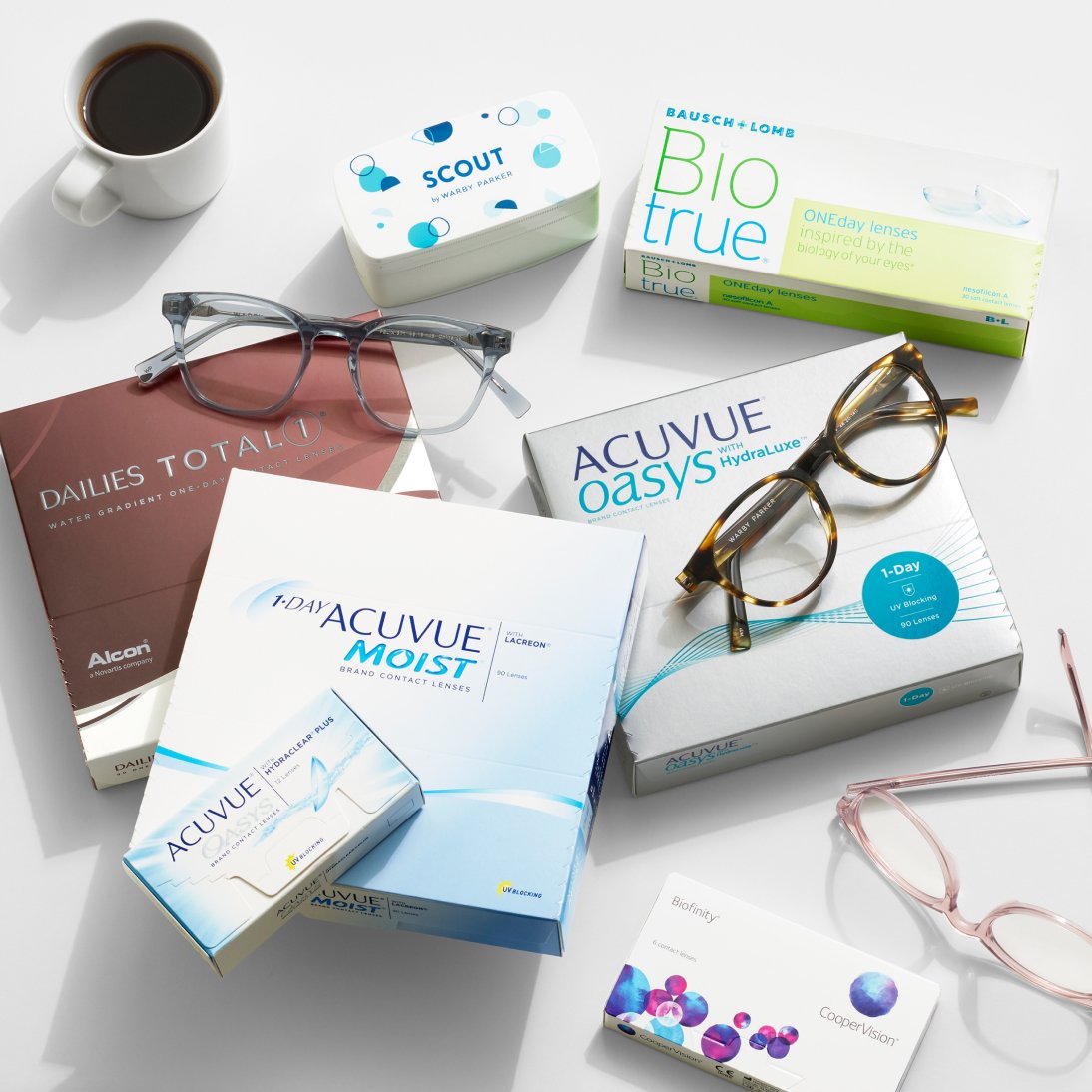
Whether you prefer contacts or glasses, we have eyewear to showcase those peepers
A good pair is not the one that wins a style argument or a function argument. It is the one that disappears into your routine while still looking intentional. If you start with looks, then confirm fit, lenses, and total value before you commit, you do not have to choose between feeling like yourself and seeing clearly.
MEDICAL DISCLAIMER: This content is provided for educational and informational purposes only and is not intended as medical advice, diagnosis, or treatment. This information should not be used to replace professional medical care or consultation. Individual results may vary significantly. Always consult with a qualified healthcare provider before making any decisions about your health, vision, or medical treatment. Never disregard professional medical advice or delay seeking treatment because of information you have read on this website.
VISION CARE DISCLAIMER: Vision correction needs vary by individual. Consult an eye care professional for personalized assessment and recommendations.
FDA DISCLAIMER: These statements have not been evaluated by the Food and Drug Administration. This content is not intended to diagnose, treat, cure, or prevent any disease or medical condition.
PROFESSIONAL CONSULTATION REQUIRED: Only qualified eye care professionals can provide personalized recommendations for your specific vision needs and health conditions.
This article is for informational purposes only. It is not intended to provide medical advice or substitute for professional health services. Warby Parker complies with all HIPAA regulations regarding your health information. For personal health questions or concerns related to your vision or eyewear prescriptions, please consult a qualified healthcare provider.
Frequently Asked Questions
Can I prioritize style when choosing glasses without sacrificing how well I see?
Yes. Lead with style, then confirm prescription accuracy, fit, and lens choices before checkout so the pair works as well as it looks.
What lens features actually matter for everyday wear vs. what gets oversold?
Lens type matched to your Rx and anti-reflective coating are commonly useful. Skip upgrades that do not improve your real daily experience.
How do I know a frame looks good on me before I buy?
Use width and fit basics first, then compare finalists with Virtual Try-On and, if possible, in-person adjustments.
When does choosing glasses for style or looks alone backfire?
It backfires when fit is unstable, prescription needs are ignored, or the frame only works in photos and not in daily wear.