Durable vs Lightweight Glasses: Frame Tradeoffs
Updated: October 12, 2026
Choosing a pair of glasses is easy. Choosing a pair you’ll still love eight hours into a long day is a little more complicated.
Most people want the same thing from their eyewear: something that feels comfortable, looks good, and holds up to real life. The challenge is that those goals don’t always point in the same direction. Frames that feel nearly weightless may not be as rugged as heavier alternatives, while ultra-durable materials can sometimes add bulk or create a different wearing experience.
One of the most important questions in eyewear is “Which tradeoffs make the most sense for me?”
No matter your eye color…
You deserve to see clearly. (And to have a little fun shopping for eyewear, too.)
Whether you’re constantly on the move, spending long hours at a desk, traveling frequently, or simply looking for a pair of glasses you can put on in the morning and forget about until bedtime, understanding the relationship between durability and weight can help you make a more informed decision.
In this guide, we’ll explore the strengths and limitations of common frame materials, compare lightweight and durable options, and share practical considerations that can help you choose eyewear that fits not just your face – but your daily life.
Durable vs Lightweight Glasses and Everyday Frame Performance
Durability matters if your glasses are handled often, travel in bags, or need to stand up to active days. Many sturdy frames are designed to handle regular use without bending, cracking, or loosening as easily.
Weight matters just as much because even small pressure points can become noticeable over time to some wearers. Heavy frames may feel secure at first, but some people notice nose marks, slipping, or ear discomfort.
The tradeoff is not always simple. A durable frame can still be comfortable if it is balanced well, while an ultra-light frame can still perform reliably when made with quality materials and proper construction.
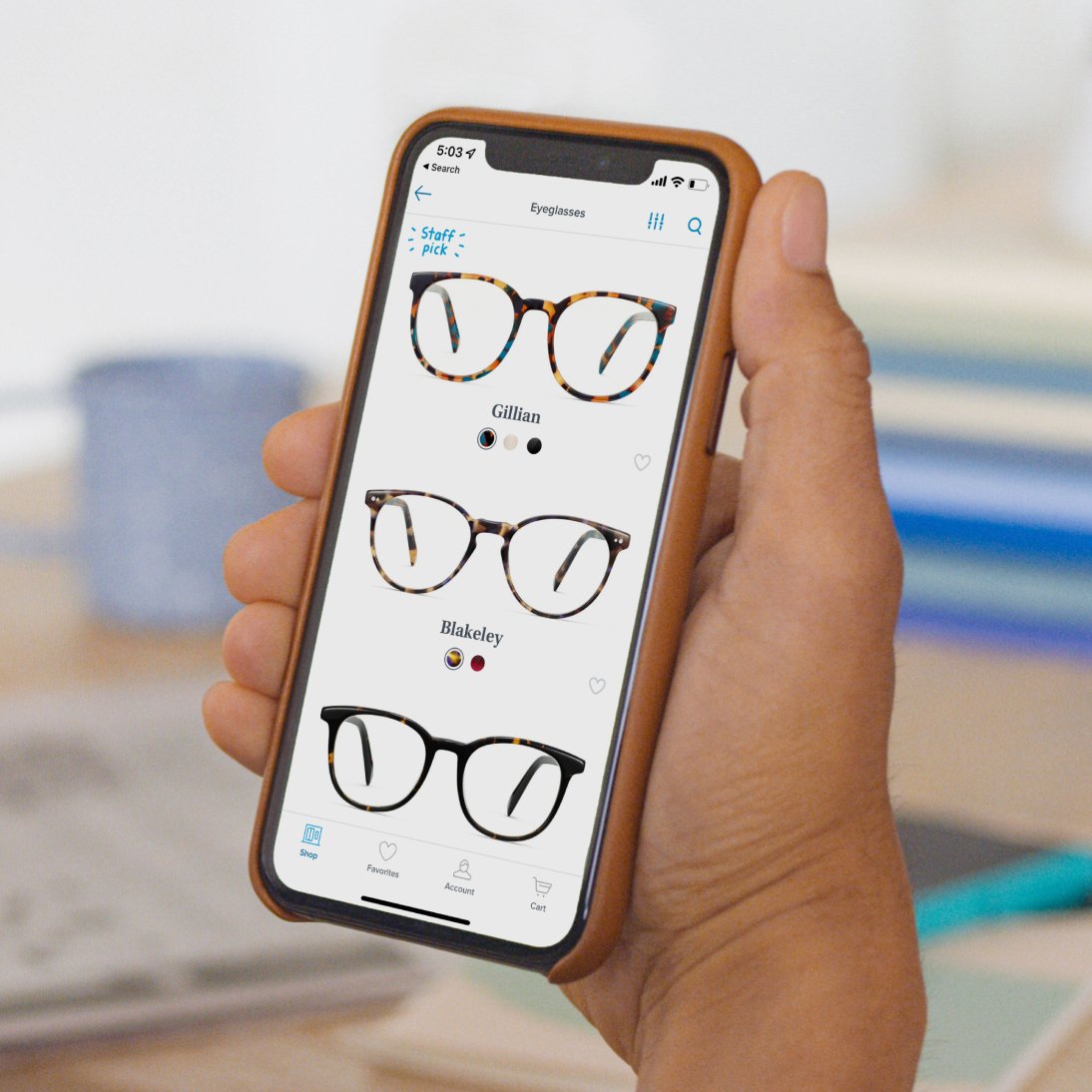
See how you look in our frames
Virtually try on glasses through your phone
Think about your daily pattern. Desk workers may value all-day lightness as a preference, while frequent travelers, parents, students, or outdoor users may prioritize impact resistance and secure fit.
Frame Materials That Shape Durability, Weight, and Comfort
Frame material is the main reason two pairs of glasses can feel completely different. Acetate often provides a solid, polished look, though thicker styles may feel heavier on smaller faces.
Metal frames can be slim and refined, with stainless steel offering more dependable strength. Titanium is often valued because it combines corrosion resistance, flexibility, and low weight.
- Acetate: bold style, sturdy feel, moderate to heavier weight.
- Stainless steel: slim profile, reliable structure, balanced weight.
- Titanium: lightweight, flexible, strong, usually higher priced.
- TR or nylon blends: flexible, light, and commonly chosen for active use.
Lens choice also affects comfort. High-prescription lenses may add weight, so lighter frame materials or slimmer lens options may feel different.
Time for a style shake-up?
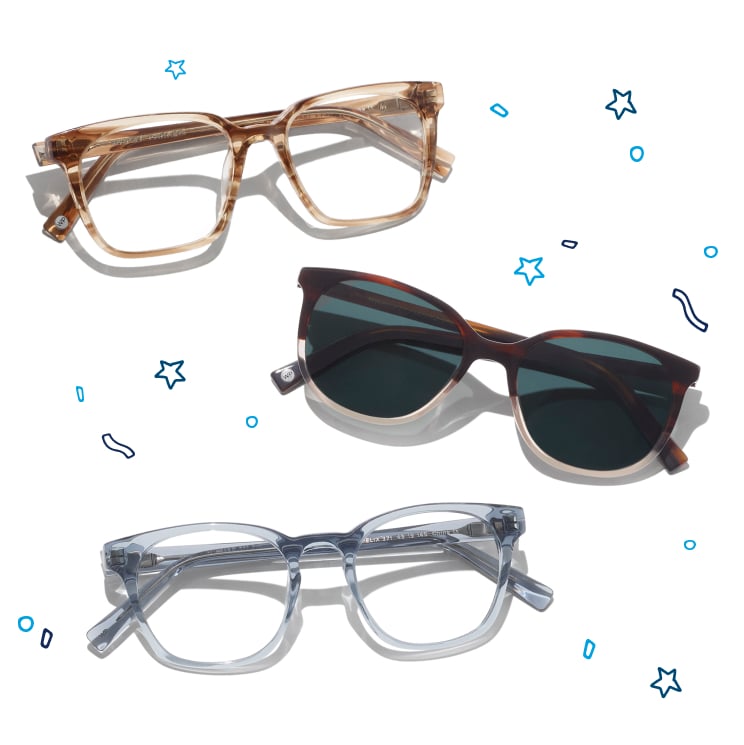
Retrofit your look with new eyeglasses or sunglasses
How to Choose Comfortable Eyeglass Frames for Your Lifestyle
Start with fit before style. Frames that are too wide will slide, while narrow frames can press at the temples. The bridge should sit securely without pinching.
If you wear glasses all day, lightweight frames may feel more comfortable to some people during longer wear. If you remove them frequently, place them on desks, or use them during travel, stronger hinges and resilient materials become more important.
A practical approach is to balance your top needs. You may want to consider lighter materials for long workdays, flexible materials for movement, and sturdier construction if your glasses regularly face rough handling.
Are you struggling to see?
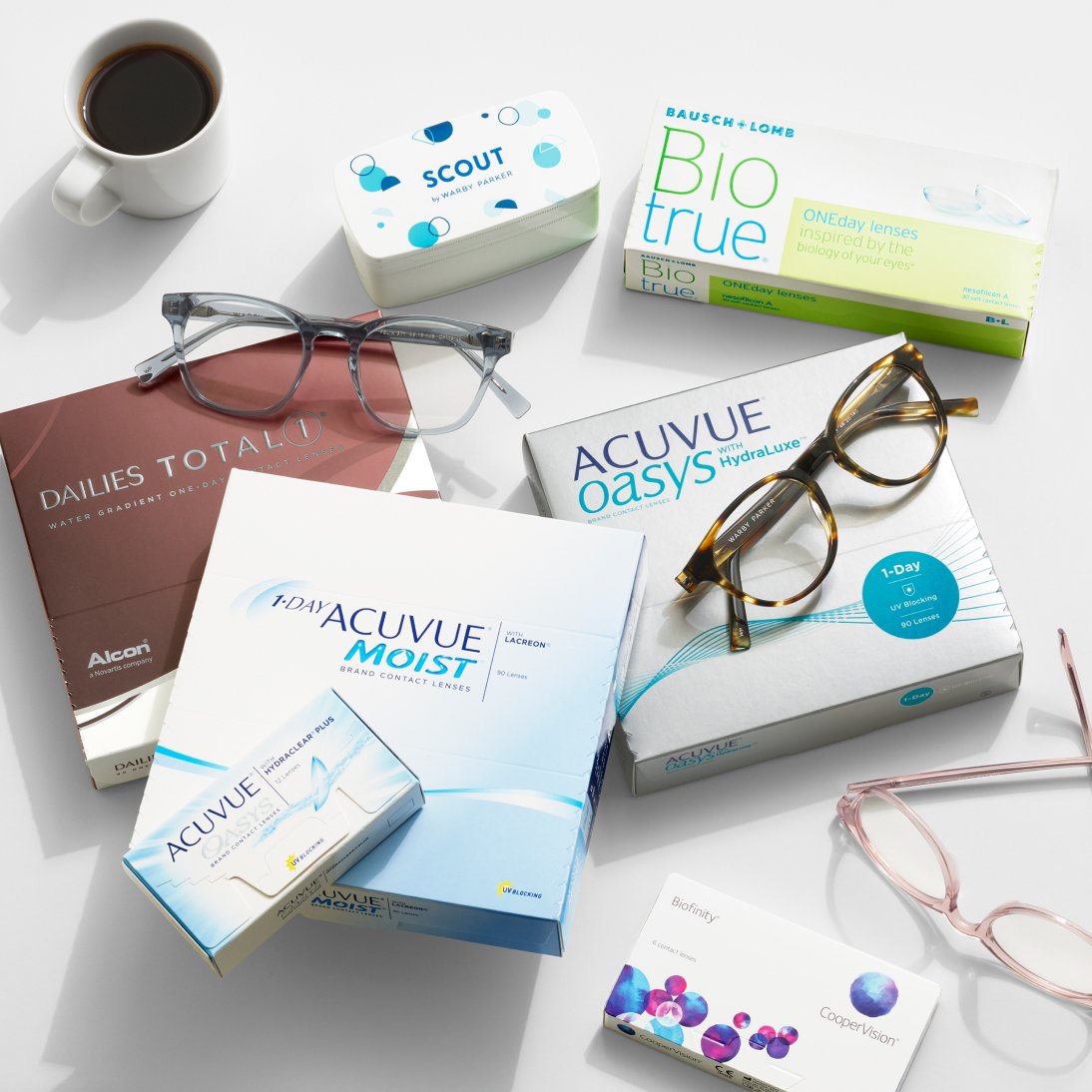
Improve your outlook with new prescription glasses or contacts—we’ve got both!
New Perspectives on Durable vs Lightweight Glasses
In the end, the glasses that are a good fit for you are the pair that quietly does its job day after day – comfortable when you’re working, dependable when you’re on the move, and durable enough to keep up with the life you actually live.
That’s why choosing between lightweight and durable eyewear is less about finding a winner and more about finding the right balance. Your prescription, frame fit, daily activities, travel habits, work environment, and personal preferences all play a role in determining which tradeoffs are worth making.
Before making a decision, take time to compare frame materials, review sizing and fit details, and think honestly about how your glasses spend their days. Do they live mostly at a desk? Do they get tossed into bags, worn during travel, or subjected to the occasional accidental drop? The answers can be just as important as the material itself.
The good news is that modern eyewear offers more options than ever before. With a little knowledge and the right fit, it’s possible to find glasses that feel comfortable enough to forget about – and sturdy enough that you don’t have to worry about them.
If you’d like to continue your search, explore our guides on frame materials, fit, lens options, and everyday eyewear comfort. The right pair of glasses should support your routine, not require you to build a new one around them.
FIND YOUR FRAMES
From cat-eyes to aviators to bookish, round numbers, we’ve got frames for every face
Legal Disclaimer
MEDICAL DISCLAIMER: This content is provided for educational and informational purposes only and is not intended as medical advice, diagnosis, or treatment. This information should not be used to replace professional medical care or consultation. Individual results may vary significantly. Always consult with a qualified healthcare provider before making any decisions about your health, vision, or medical treatment. Never disregard professional medical advice or delay seeking treatment because of information you have read on this website.
VISION CARE DISCLAIMER: Vision correction needs vary by individual. Consult an eye care professional for personalized assessment and recommendations.
FDA DISCLAIMER: These statements have not been evaluated by the Food and Drug Administration. This content is not intended to diagnose, treat, cure, or prevent any disease or medical condition.
PROFESSIONAL CONSULTATION REQUIRED: Only qualified eye care professionals can provide personalized recommendations for your specific vision needs and health conditions.
This article is for informational purposes only. It is not intended to provide medical advice or substitute for professional health services. Warby Parker complies with all HIPAA regulations regarding your health information. For personal health questions or concerns related to your vision or eyewear prescriptions, please consult a qualified healthcare provider.
Are durable vs lightweight glasses better for daily wear?
Neither is automatically better. Lightweight glasses are often chosen for long wear, while durable glasses are often chosen for active use, travel, or frequent handling.
What is the lightest durable frame material?
Titanium is commonly chosen for its combination of low weight, flexibility, and dependable strength.
Do heavier glasses last longer?
Not always. Longevity depends on material quality, hinge construction, fit, care habits, and how the glasses are used.
Can lightweight frames hold strong prescription lenses?
Yes, but lens thickness and frame shape matter. Smaller frames and thinner lens options may feel more comfortable to some wearers with a higher prescription.
How do I know if frames are too heavy?
Signs may include nose marks, slipping, pressure behind the ears, or discomfort after several hours of wear.
Need Glasses?
Shop prescription glasses starting at $95