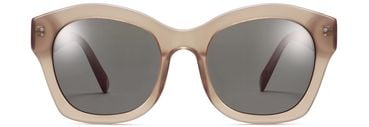
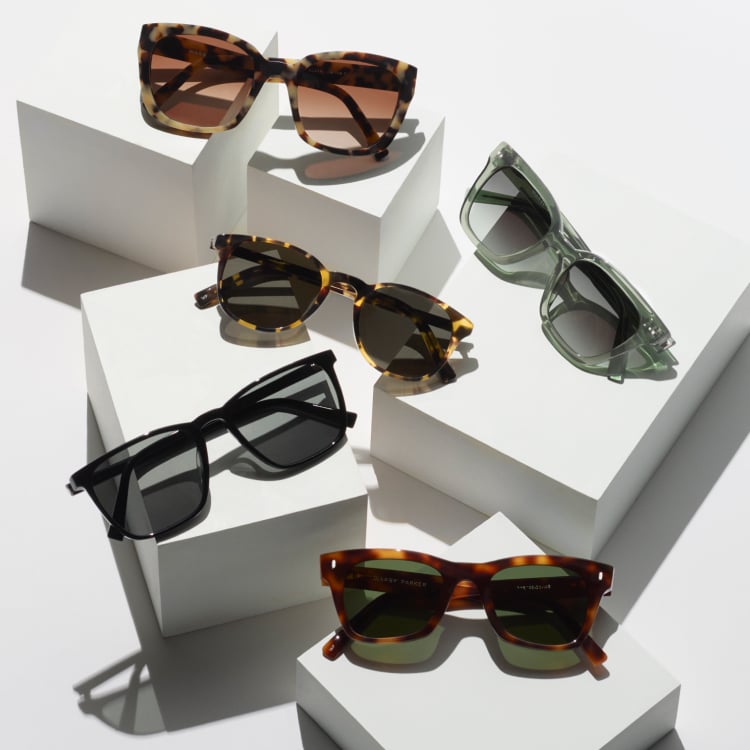
If you want a single pair of sunglasses that can handle commuting, weekend errands, and brunch on the patio, lens color will play a big role in how your surroundings look. Different tints can change how you perceive brightness, color, and contrast.
This guide explores how brown lens sunglasses can be used as an everyday option, especially if you move between sun and shade throughout the day. You’ll learn how they can influence color and contrast so you can decide whether they fit your routine and preferences.
We’ll walk through how brown lens sunglasses work, how they compare to other tints, and what to look for in protection and fit, without unnecessary jargon.
By the end, you’ll have a clearer sense of what to consider when comparing brown, grey, and green lenses, what types of activities they’re commonly used for, and how to pick frames and lens features that match your style and typical light conditions.
How Brown Lens Sunglasses Affect What You See
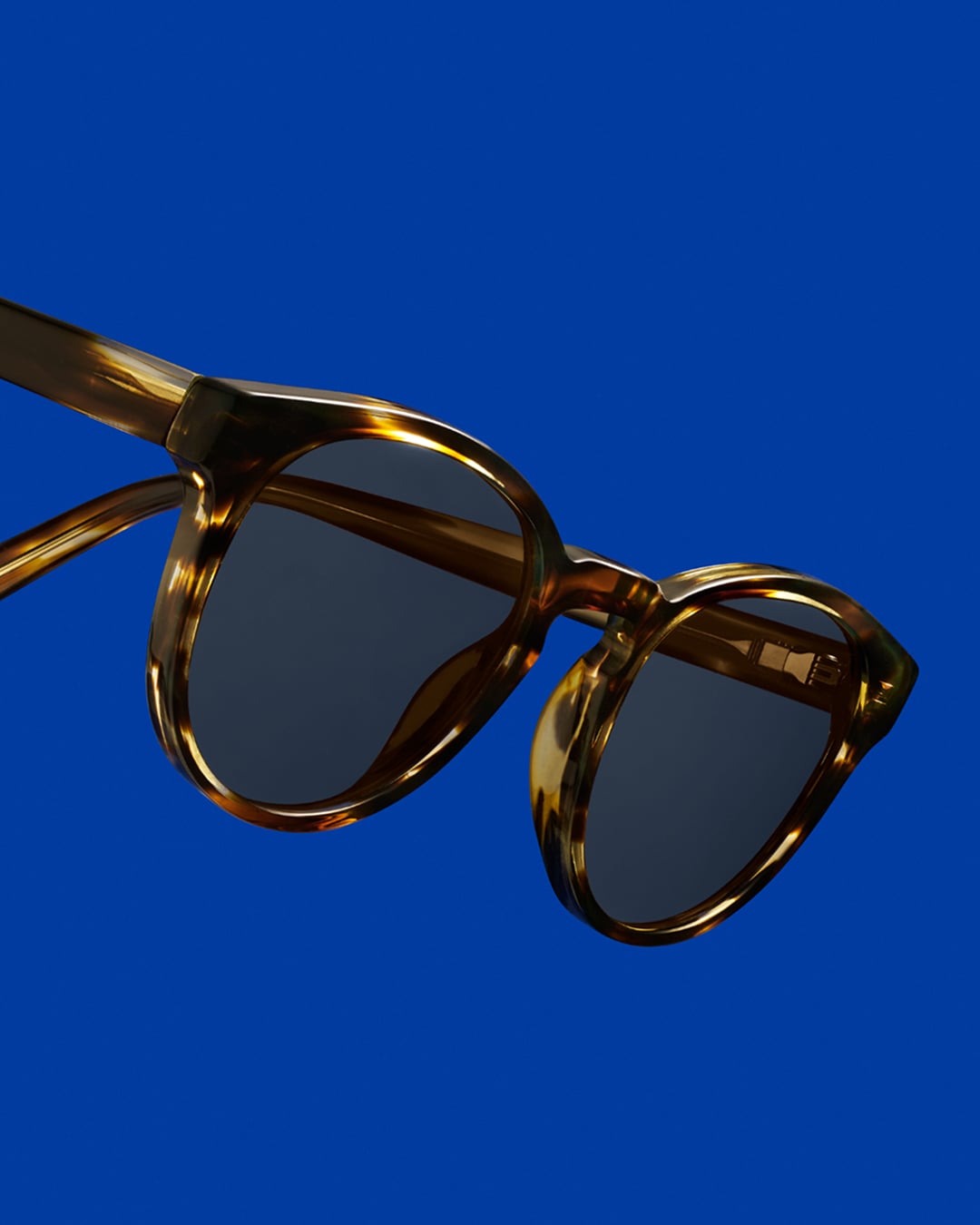
Brown lens sunglasses offer a warm-looking tint that many people like for everyday wear. They can reduce the amount of shorter-wavelength (blue) light that passes through the lens compared to completely clear lenses, which may change how bright or cool-toned certain scenes appear.
Consumer-facing eye care guidance notes that brown or amber lenses are often described as enhancing contrast and are commonly used for activities that call for good depth perception, such as golf or driving. Some wearers feel that this type of tint makes certain visual details-like lane markings or surface textures-easier to notice in a range of lighting conditions.
Many people who prefer brown lenses simply like the warmer overall appearance of the view compared with more neutral grey lenses. If grey lenses have ever felt a bit “cool” or strictly neutral to you, you might find that brown lenses offer a different type of visual look that you prefer.
Common Uses for Brown Lens Sunglasses in Daily Life
Brown lens sunglasses are often chosen by people who spend time in changing light-walking to work under clear skies, stepping into a shaded café, then heading home at golden hour. They can provide a consistent warm tint as conditions shift.
Because of how they influence color and contrast, brown lenses are commonly used for driving, casual outdoor activities, and everyday errands. Some consumer resources note that brown and amber lenses are frequently recommended for variable lighting conditions. Some wearers feel that this type of tint makes signs, textures, or surface differences easier to notice in those environments.
- Driving and commuting: Often chosen by people who want a warm view that can help them notice visual details such as lane markings and road textures in mixed sun and shade.
- Outdoor activities: Frequently used for hiking, golf, or city walking where you may want to see differences in terrain or pavement more distinctly.
- Everyday wear: A common pick for coffee runs, park visits, or school pick-ups where you’re moving between indoors and outdoors.
- Changeable weather: Often preferred on partly cloudy or hazy days when you still want to perceive depth and texture, not just overall darkness.
If you spend long hours outdoors, pairing a brown tint with lenses that offer full UVA/UVB filtering and, optionally, polarization can help manage brightness and reflections from roads, water, or glass. The tint influences how the scene looks; polarization is designed to reduce the intensity of reflected light in specific orientations.
How Brown Lenses Compare to Other Tints
When choosing between brown, grey, and green lenses, it can help to think about what you tend to notice most: color accuracy, overall brightness, or a sense of depth.
Grey lenses are generally considered the most neutral option. They tend to darken the scene relatively evenly without strongly shifting the color balance. Many people choose grey when they want a straightforward dimming effect and a more true-to-life color appearance.
Brown lenses provide a warmer overall appearance and can change how depth and contrast are perceived. For many wearers, this makes details like roads, trails, or sidewalks feel more defined, especially in bright or scattered light. Studies on blue-filtering optics suggest that moderate changes in the balance of wavelengths reaching the eye can alter how edges and contrast are perceived, and some people report that brown tints feel subjectively crisper in these conditions.
Green lenses tend to sit between grey and brown, maintaining relatively natural color while softening brightness. They’re often used as a general-purpose tint but may not offer the same warm-toned look that brown lenses do. Some people who regularly drive, play casual outdoor sports, or navigate busy city streets prefer brown lenses for everyday wear because of this difference in appearance.
Key Takeaways and Next Steps with Brown Lens Sunglasses
Brown lens sunglasses offer a warm appearance and versatile everyday usability. They are designed to filter some shorter-wavelength light and can influence how depth and color are perceived, while still allowing you to recognize familiar objects and settings in typical outdoor environments.
When you’re ready to choose a pair, you may want to start by looking for lenses that provide 100% UVA/UVB filtering, then select a brown tint depth that aligns with your typical light conditions-from lighter tints for everyday use to darker options for very bright settings. You can also consider polarization if you frequently drive or spend time near water, and choose frame shapes that fit securely and reflect your personal style.
If you’ve worn only grey lenses so far, you may be interested in trying brown lenses to see how you like the appearance, especially if you’re curious about a slightly warmer view. Exploring a few frame styles with brown lenses and paying attention to how they look in your real-world routine can help you figure out which options feel suited to you.
Legal Disclaimer
MEDICAL DISCLAIMER: This content is provided for educational and informational purposes only and is not intended as medical advice, diagnosis, or treatment. This information should not be used to replace professional medical care or consultation. Individual results may vary significantly. Always consult with a qualified healthcare provider before making any decisions about your health, vision, or medical treatment. Never disregard professional medical advice or delay seeking treatment because of information you have read on this website.
VISION CARE DISCLAIMER: Vision correction needs vary by individual. Consult an eye care professional for personalized assessment and recommendations.
FDA DISCLAIMER: These statements have not been evaluated by the Food and Drug Administration. This content is not intended to diagnose, treat, cure, or prevent any disease or medical condition.
PROFESSIONAL CONSULTATION REQUIRED: Only qualified eye care professionals can provide personalized recommendations for your specific vision needs and health conditions.
This article is for informational purposes only. It is not intended to provide medical advice or substitute for professional health services. Warby Parker complies with all HIPAA regulations regarding your health information. For personal health questions or concerns related to your vision or eyewear prescriptions, please consult a qualified healthcare provider.
Are brown lens sunglasses good for driving?
Brown lens sunglasses are commonly used for driving and other outdoor activities. Some people feel that the warmer tint makes certain visual details, such as road markings and surface textures, easier to notice in a range of lighting conditions. Individual experiences can vary, and you should follow guidance from your eye care professional regarding lens choices for driving.
Do brown lenses distort colors?
Brown lenses generally add a warmer tone to the view compared with neutral grey lenses. Well-designed tints are created so that everyday colors remain recognizable for typical outdoor use, even though the overall scene may look slightly warmer.
How do brown lens sunglasses compare to grey lenses?
Grey lenses are often chosen for a more neutral, even dimming effect that keeps colors closer to how they look without sunglasses. Brown lenses also reduce brightness but add a warmer tone and can change how contrast is perceived. Some people prefer grey for a more neutral look, while others prefer brown for its warmer appearance in changing light.
Are brown lenses better for cloudy or sunny days?
Brown lenses can be used on both cloudy and sunny days. Some people prefer them on partly cloudy or hazy days because the warm tint may make certain details feel easier to notice, while others prefer a more neutral tint. It often comes down to personal preference and the specific lighting conditions where you spend most of your time.
Can I wear brown lenses every day?
Brown lens sunglasses can be used as versatile everyday tints for many people. As long as the lenses provide UVA/UVB filtering and you’re comfortable with how the tint looks in your usual environments, they may be appropriate for regular outdoor use. For specific questions about your eyes, it’s a good idea to check with an eye care professional.
Should I get polarized brown lenses?
Polarized brown lenses are designed to help manage reflections from flat surfaces such as roads or water while maintaining the overall appearance of the tint. If you often drive or spend time near reflective surfaces, you may want to try both polarized and non-polarized options to see which you prefer.