The allure of waking up to clear vision without the fuss of contact lenses is undoubtedly appealing to many individuals considering LASIK. Understanding the subtleties of LASIK surgery and the implications for contact lens wear is crucial. Moving forward safely with expert guidance helps you explore all your vision correction options effectively.

Can You Wear Contacts After LASIK? Here’s What You Need to Know
Updated: June 15, 2026
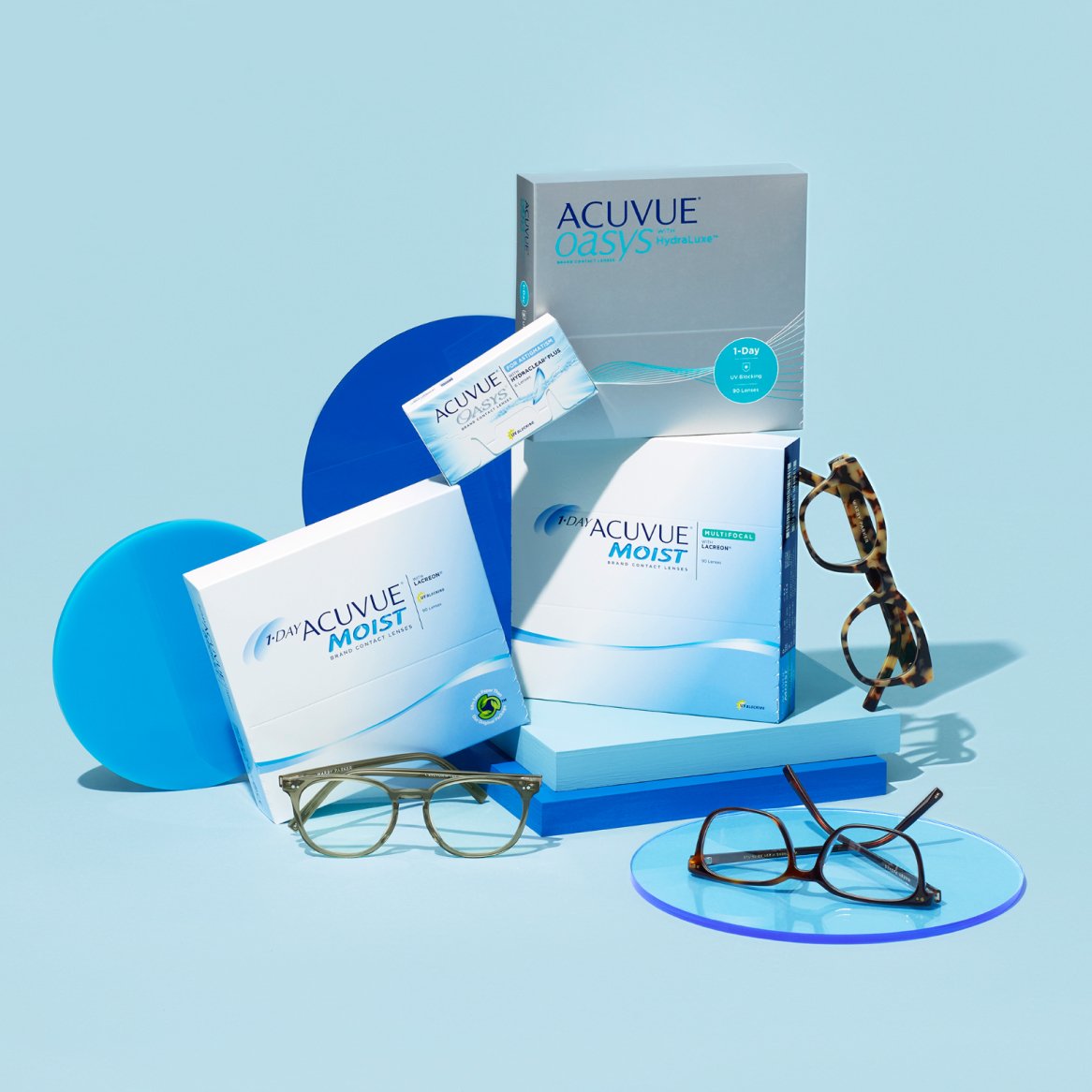
Many people weigh lifestyle goals when thinking about additional vision correction after surgery. Daily disposable lenses are often discussed for people who experience dry eye after refractive procedures, since they can be replaced each day rather than reused.
- Healing first: You may be able to wear contacts after LASIK, but only after your eye doctor clears you.
- Follow-up care: Healing timelines vary; patience and follow-ups matter.
- Lens options: Lens options post-LASIK can include soft, gas permeable, or scleral lenses, with a professional fitting.
- Dry eye management: Manage dry eye and expect possible prescription updates.
- Interim choices: Eyeglasses and sunglasses are smart interim choices. Book an eye exam to confirm what’s right for you now.
- Revision candidacy: If LASIK did not fully meet your vision goals, ask your surgeon whether you may be a candidate for an enhancement and what risks to weigh.
Understanding LASIK and Its Impact on Your Eyes
LASIK is a procedure that reshapes the cornea to improve vision, often reducing the need for glasses or contacts. However, reshaping the cornea also introduces important considerations for future vision correction. By altering the cornea, LASIK can also change how contact lenses fit, a crucial detail for anyone considering wearing contacts post-surgery. Professional consultation with your eye care provider plays a pivotal role here. They can help you find contact lenses that can work with the integrity of your newly sculpted cornea.
Because the corneal surface is no longer the same shape it was before surgery, a lens that fit you comfortably in the past may no longer sit correctly. This is why measurements taken before LASIK are rarely a reliable guide afterward, and why a fresh evaluation is so valuable once your eyes have settled into their new shape.
Post-LASIK Healing: Patience is Key
The journey to clearer sight is one that demands patience, particularly after LASIK surgery. Each individual’s recovery timeline can vary greatly, with the healing process typically lasting several weeks to months. This time is critical for your eyes to adjust to their new shape, free from external pressures. Monitoring is essential, as your optometrist can help track your progress, ensuring no complications arise and your corneal health remains uncompromised.
- Wait for clearance: Avoid contact lenses until your surgeon or optometrist says it’s safe.
- Keep appointments: Keep all follow-up appointments.
- Report changes: Report any discomfort, worsening dryness, or changes in vision promptly.
Rushing back into contact lenses before your eyes are ready can interfere with healing and may increase the risk of irritation or infection. Giving the surface time to stabilize protects the results of your procedure and helps ensure that any lenses you wear later feel comfortable and perform well.
Types of Contacts Suitable Post-LASIK
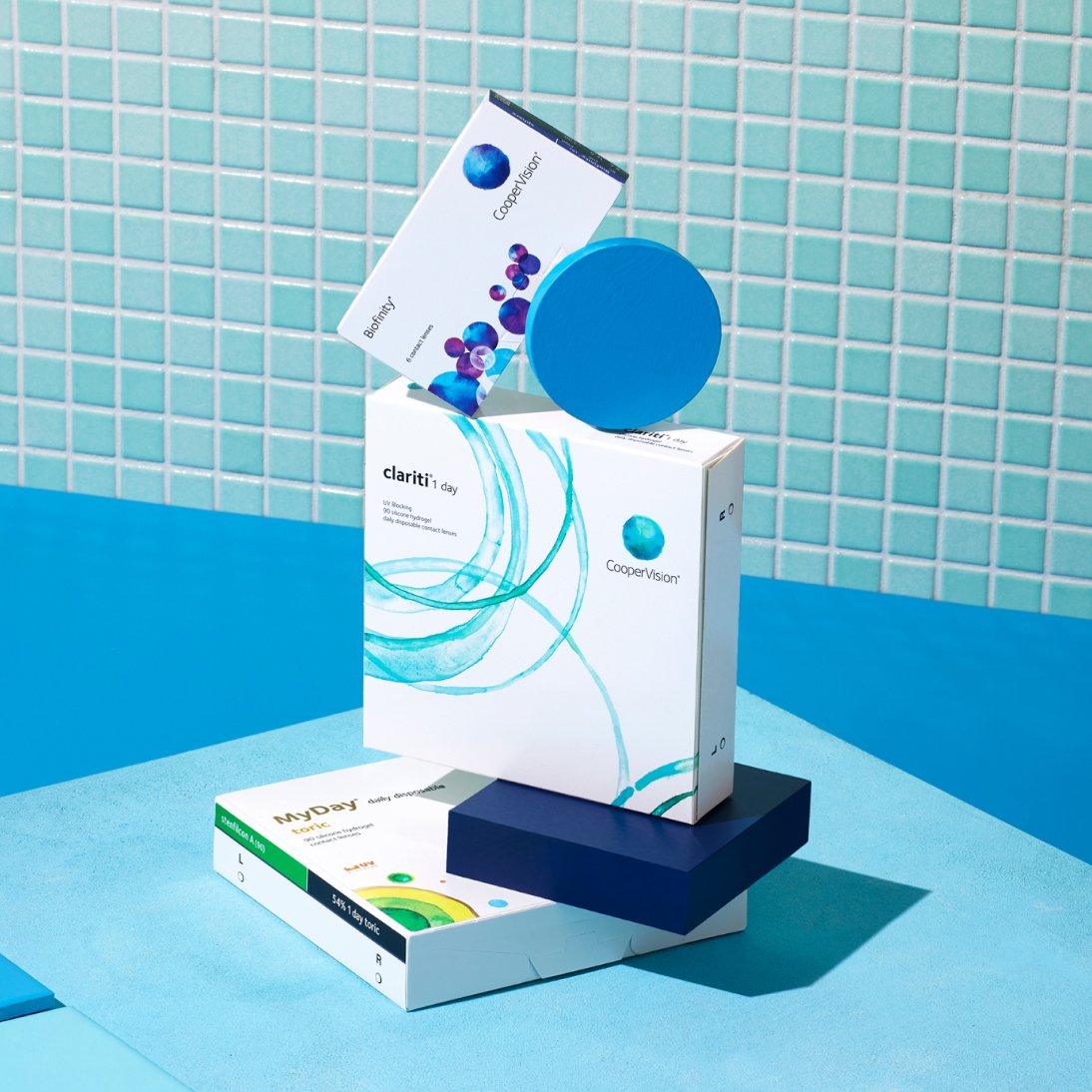
Not all contact lenses are created equal, especially following an alteration like LASIK. Soft lenses often provide superior comfort, making them a preferred option for many post-LASIK patients. On the other hand, some may find benefit in specialized lenses like gas permeable or scleral lenses, designed for unique eye shapes and conditions. Whichever path you consider, a professional fitting is indispensable, ensuring lenses not only fit securely but also function optimally with your updated vision.
- Soft lenses: Often most comfortable for many post-LASIK wearers.
- Gas permeable lenses: Can help in select cases with unique corneal shapes.
- Scleral lenses: May offer stability and comfort for certain post-surgery needs and are often used for those who develop complications after LASIK.
- Professional fitting: Always get a professional fitting to protect corneal health and vision quality.
The right lens choice depends on how your cornea healed, whether you experience dryness, and how you plan to use the lenses day to day. An eye care professional can compare these factors and recommend a material and design that supports both comfort and long-term eye health.
Ensuring Eye Health
Healthy eyes mean happy vision. After LASIK, the priority should be keeping your eyes in top condition while they heal and adapt. Regular check-ups with your ophthalmologist or optometrist are non-negotiable, as they can catch any subtleties that may need addressing. Addressing dry eye symptoms promptly promotes comfort and reduces aggravation. As LASIK can alter your vision requirements, being open to updating your prescription is a wise move for enhanced clarity.
Simple daily habits also make a meaningful difference during this period, from staying hydrated and using recommended lubricating drops to taking screen breaks that ease eye strain. Pairing these routines with professional monitoring gives your eyes the best chance to settle comfortably into their new vision.
When to Consult Your Eye Surgeon
Deciding to wear contacts again is not a decision to take lightly. A dialogue with your eye surgeon or optometrist will provide personalized guidance, tailored exclusively to your needs. This consultation gives you clarity on whether your unique eye anatomy is ready for contact lenses again. It’s a chance to set clear expectations and navigate any potential hurdles post-LASIK recovery might present. Each eye is different, and professional oversight helps to steward your long-term vision health.
Bring a list of your questions and any symptoms you have noticed to that appointment, since the small details often shape the recommendation you receive. Your provider can then weigh your healing progress, lifestyle, and goals together before suggesting whether contacts are the right next step for you.

Alternatives to Contacts: Exploring Eyeglasses and Other Options
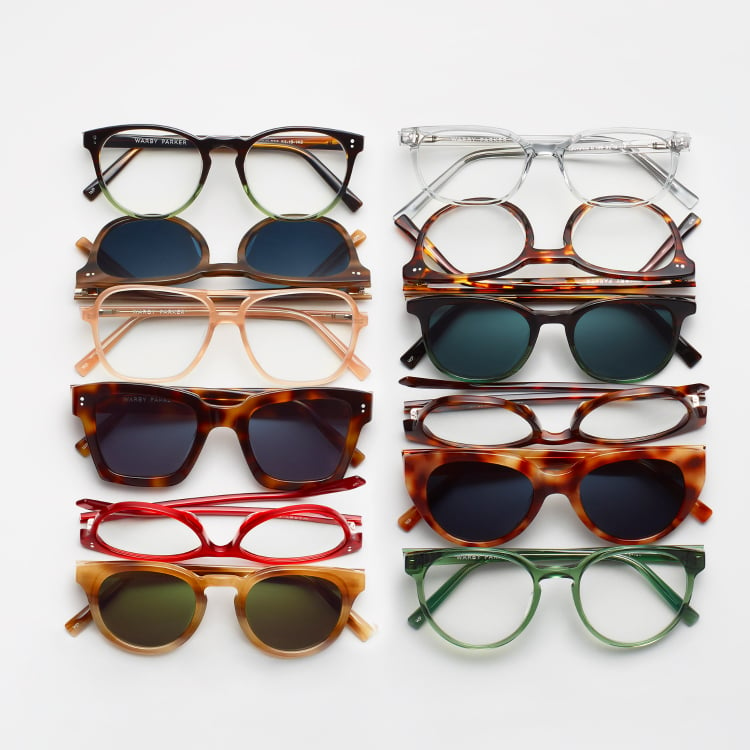
For those who find the wait for contacts is longer than anticipated, eyeglasses offer a stylish interim solution. Brands like Warby Parker provide an array of fashionable and functional frames to suit any style. Moreover, wearing sunglasses can also aid in protecting your eyes as they heal. Being open to these alternatives allows you to maintain sharp vision while keeping your healing eyes comfortable and safe. Booking an eye exam will help tailor these vision aids to your current needs.
In the quest for clearer vision after LASIK, patience and professional guidance are strong allies. Meanwhile, eyeglasses and other alternatives stand ready to fill any gaps. Consider booking an eye exam to explore what options align with your eyes’ needs today, ensuring comfort, clarity, and safety.
Legal Disclaimer
MEDICAL DISCLAIMER: This content is provided for educational and informational purposes only and is not intended as medical advice, diagnosis, or treatment. This information should not be used to replace professional medical care or consultation. Individual results may vary significantly. Always consult with a qualified healthcare provider before making any decisions about your health, vision, or medical treatment. Never disregard professional medical advice or delay seeking treatment because of information you have read on this website.
VISION CARE DISCLAIMER: Vision correction needs vary by individual. Consult an eye care professional for personalized assessment and recommendations.
FDA DISCLAIMER: These statements have not been evaluated by the Food and Drug Administration. This content is not intended to diagnose, treat, cure, or prevent any disease or medical condition.
PROFESSIONAL CONSULTATION REQUIRED: Only qualified eye care professionals can provide personalized recommendations for your specific vision needs and health conditions.
This article is for informational purposes only. It is not intended to provide medical advice or substitute for professional health services. Warby Parker complies with all HIPAA regulations regarding your health information. For personal health questions or concerns related to your vision or eyewear prescriptions, please consult a qualified healthcare provider.
Frequently Asked Questions
Can you wear contact lenses after LASIK?
You may be able to wear contact lenses after LASIK, but only after your surgeon or optometrist confirms your eyes have healed enough. Timing varies by person.
How long should you wait before wearing contacts after LASIK?
Healing timelines vary. Many people wait weeks to months before returning to contact lenses. Your eye care team can tell you when it is safe for your situation.
What types of contact lenses work after LASIK?
Soft lenses, gas permeable lenses, and scleral lenses are among the options sometimes considered after LASIK. A professional fitting helps determine what may work with your corneal shape.
Why might someone need glasses or contacts after LASIK?
Some people still need additional correction for reading, driving, or other tasks. Dry eye, changing prescriptions, or residual refractive error are common reasons to discuss options with your eye care provider.