How Do You Compare Eyewear Providers Without Getting Misled?
Updated: July 22, 2026
The cleanest way to compare eyewear providers is to hold each one to the same clear checklist: verifiable lens specs, all-in pricing, Rx workflow clarity, and return terms you can understand before paying. If one of those pieces is missing, the comparison can get pretty distorted.
Marketing can make very different offers look identical. That is why comparing eyewear providers by using a repeatable framework works better than going with whatever impression you get from just reading brand materials.
When you compare sunglasses retailers, avoid logo-first thinking. Instead, line up what you can verify: UV details, polarization status, price breakdown, Rx support, and returns.
This method protects you from apples-to-oranges decisions. A loud campaign does not tell you whether polarization is included, whether prescription options are clear, or whether returns are usable if fit is wrong.
The goal is to choose a good match for your needs using the same standards across every finalist.
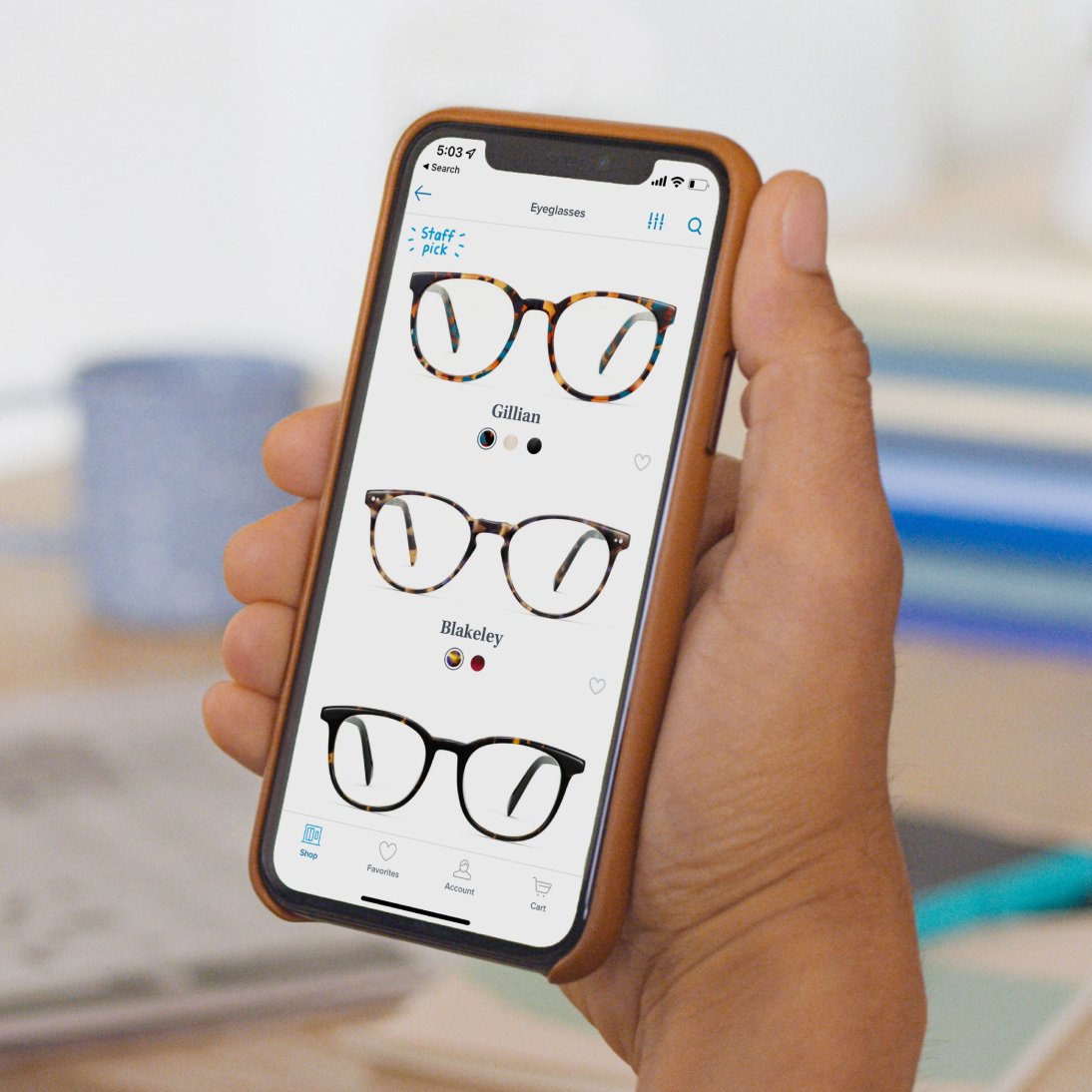
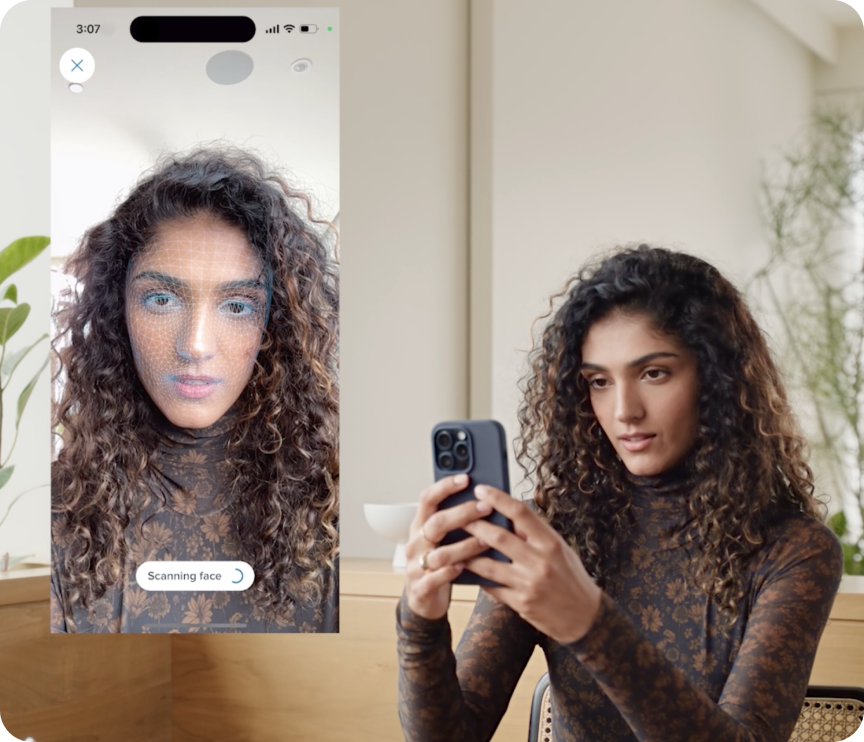
Frame shopping, made smarter
No guesswork needed—try on frames virtually and find your perfect pair
Spec pages should state UV filter information and polarization explicitly. “Glare reduction” is not automatically the same as confirmed polarization, so treat vague labels as missing data until clarified.
Pricing also needs translation. “Starting at” numbers often reflect frame-only cost. Transparent sunglasses pricing shows what happens when you add the lens options you actually need, including Rx and polarization.
Two questions keep comparison honest: What is included in this price right now, and what costs extra? If answers are not clear, move that provider down your list.
For side-by-side analysis, compare tangible fields like tint options, polarization status, and Rx support, not marketing adjectives.
Online vs Retail for Prescription Sunglasses
Neither channel wins by default. Online vs retail sunglasses choices mostly change workflow, not quality fundamentals. The same checklist still applies.
Online strengths often include transparent configuration and easy comparison across models. Retail strengths may include immediate physical try-on and on-site adjustment support. For prescription sunglasses comparison, the deciding factor is usually clarity of the Rx process.
Your prescription requires verification in both channels. Compare timing, documentation steps, and what happens if fit is wrong after delivery.
A store visit can feel faster in the moment, but lab turnaround for custom Rx lenses still matters. Compare the full timeline, not just checkout speed.
Return Policies in Provider Comparisons
Return terms are not an afterthought for sunglasses. They are part of the product value, especially when fit and tint can only be fully judged in real use.
Check window length, condition rules, and whether Rx sun is eligible for return or remake. Also verify void triggers like scratches, custom work restrictions, and packaging requirements.
Refund versus store credit matters more than many shoppers expect. Refunds preserve flexibility if the pair is not right, while credit can lock you into a second compromise.
Finally, check shipping responsibility. Return labels that are deducted from refunds change the true comparison cost.
Polarization Quality Across Sunglasses Retailers
Polarization quality starts with clear disclosure. If a listing does not clearly state whether a lens is polarized, assume you need more information before buying.
Then compare material and weight. Two lenses can both filter UV but feel very different over long wear, especially during driving or outdoor use.
Red flags in sunglasses retailer comparison include vague spec language, hidden Rx fees, and incomplete return information. Trustworthy listings are specific about UV, polarization, materials, and configuration steps.
With or without makeup…
You can always express your style with your favorite frames
Before checkout, run one last audit: specs verified, all-in pricing visible, Rx path clear, and return terms readable.
Comparison variable
What to line up
Specs
UV stated, polarization yes/no
All-in pricing
Frame plus lens options
Rx path
Verification and configuration explained
Return terms
Window, Rx eligibility, void conditions
Red flags
Vague pages, hidden fees
Compare Sunglasses Retailers With the Same Checklist
A proper comparison method is consistent, not complicated. Use the same variables for every provider and remove options that fail basic transparency.
If a retailer hides fees, avoids clear spec language, or buries return terms, treat that as part of the offer and move on. If the details are clear across the board, you can choose based on fit and preference instead of marketing momentum.
One extra comparison step helps prevent buyer’s remorse. Keep a simple scorecard for your top two or three options and assign each a pass or fail on spec transparency, all-in price clarity, Rx workflow, and return usability. If a provider cannot pass all four, remove it even if the frame style is appealing. This keeps your final choice grounded in information you can verify instead of assumptions that only show up after checkout.
You can also improve comparisons by documenting what each provider does after purchase. Adjustment availability, remake support, and response speed are part of real value. A provider with clear post-sale support often saves more stress than a slightly lower initial quote with unclear follow-through. When all finalists are measured on both upfront clarity and after-purchase support, your final pick is more likely to feel right one month later, not just at checkout.
Time for a style shake-up?
Retrofit your look with new eyeglasses or sunglasses
MEDICAL DISCLAIMER: This content is provided for educational and informational purposes only and is not intended as medical advice, diagnosis, or treatment. This information should not be used to replace professional medical care or consultation. Individual results may vary significantly. Always consult with a qualified healthcare provider before making any decisions about your health, vision, or medical treatment. Never disregard professional medical advice or delay seeking treatment because of information you have read on this website.
VISION CARE DISCLAIMER: Vision correction needs vary by individual. Consult an eye care professional for personalized assessment and recommendations.
FDA DISCLAIMER: These statements have not been evaluated by the Food and Drug Administration. This content is not intended to diagnose, treat, cure, or prevent any disease or medical condition.
PROFESSIONAL CONSULTATION REQUIRED: Only qualified eye care professionals can provide personalized recommendations for your specific vision needs and health conditions.
This article is for informational purposes only. It is not intended to provide medical advice or substitute for professional health services. Warby Parker complies with all HIPAA regulations regarding your health information. For personal health questions or concerns related to your vision or eyewear prescriptions, please consult a qualified healthcare provider.
Frequently Asked Questions
How should I compare sunglasses retailers apples to apples?
Use one checklist every time: verifiable specs, all-in pricing, clear Rx workflow, and readable return terms.
What questions expose hidden markup or missing specs?
Ask what is included, what costs extra, whether polarization is explicitly listed, and how Rx returns are handled.
Is online or retail better for prescription sunglasses?
Neither is universally better. Compare specs, pricing, Rx path, and returns in either channel and choose based on clarity.
What return policies matter when comparing providers?
Window length, Rx eligibility, refund versus credit, and void conditions all matter before you commit.