Most people assume the darkest sunglasses reduce harmful sun exposure. It seems logical: darker lenses filter more light, so they must do a better job reducing harmful sun exposure, right?
Not necessarily.
One of the most persistent myths in eyewear is that lens darkness and UV filtration are the same thing. In reality, the tint of a lens and its ability to filter harmful ultraviolet rays are two completely different features.
In this guide, we’ll explain what dark lenses actually do, how UV filtration really works, and which labels are worth paying attention to when shopping for sunglasses. Whether you’re choosing a pair for everyday wear, driving, travel, or long days outdoors, understanding the difference can help you make a smarter choice.
The Difference Between Tint and UV Filtering
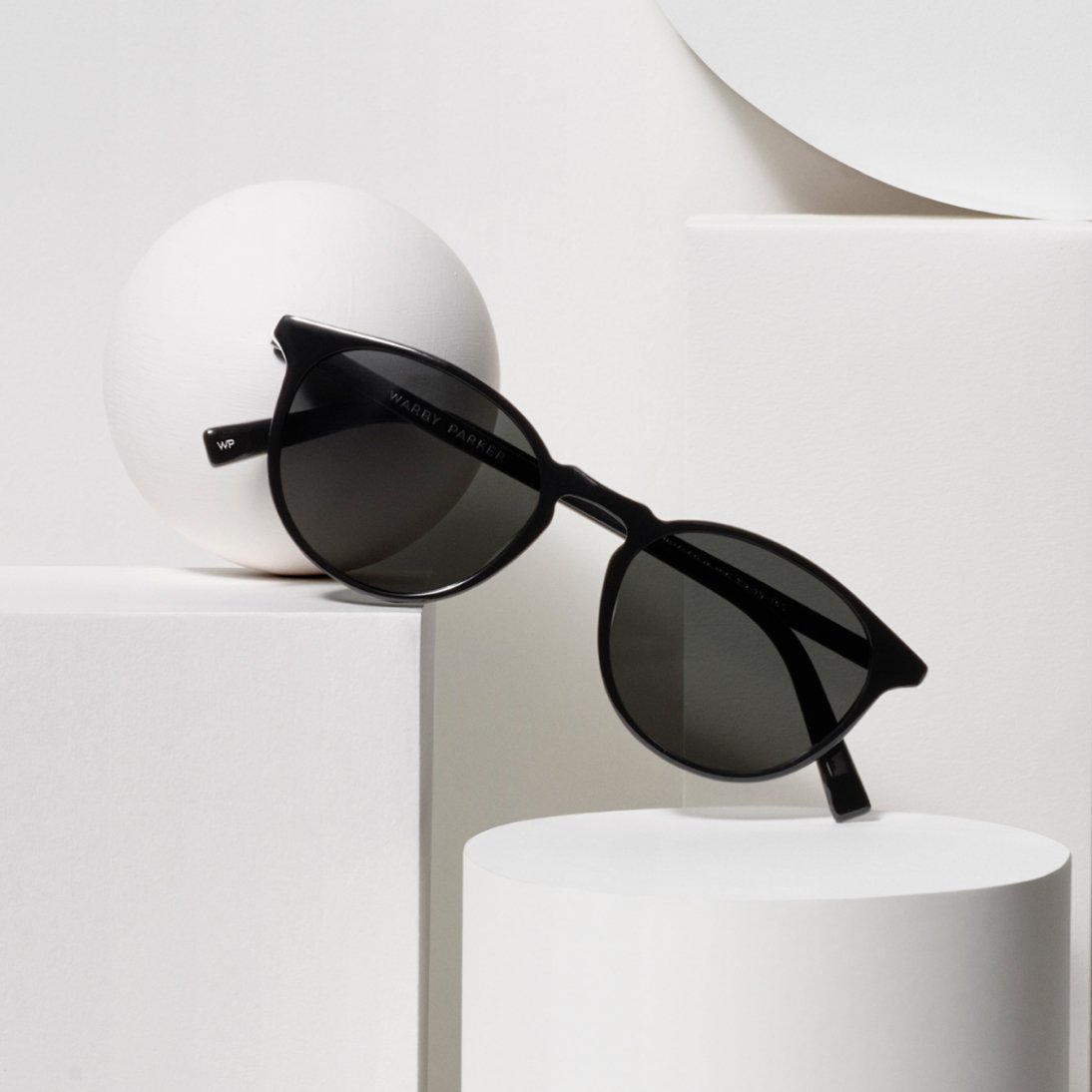
Lens tint controls visible light. UV filtration helps reduce exposure to ultraviolet radiation, which is not visible to the human eye. Because these are different features, a very dark lens can reduce brightness while offering limited UV filtration if it has not been properly treated or certified.
This matters because your eyes respond to darkness by widening the pupil and allowing more light in. If a dark lens lacks adequate UV filtering, it may allow the eye to receive more exposure than it would without sunglasses. That does not mean all dark lenses are unsafe, but it does mean darkness alone is not a reliable guide.
Many sunglasses are labeled “UV400” or “100% UVA and UVB filtration.” These labels are commonly used to indicate that the lenses are designed to filter ultraviolet rays up to the relevant range. Clear or lightly tinted lenses can also provide strong UV filtration when manufactured with the right coating or material.
You can think of tint as mainly about how things look and feel in bright conditions, and UV labeling as information about how the lenses are designed to interact with ultraviolet light. You may want both, but one does not guarantee the other.
How Sunglass Lens Tint, Glare Control, and Polarization Work
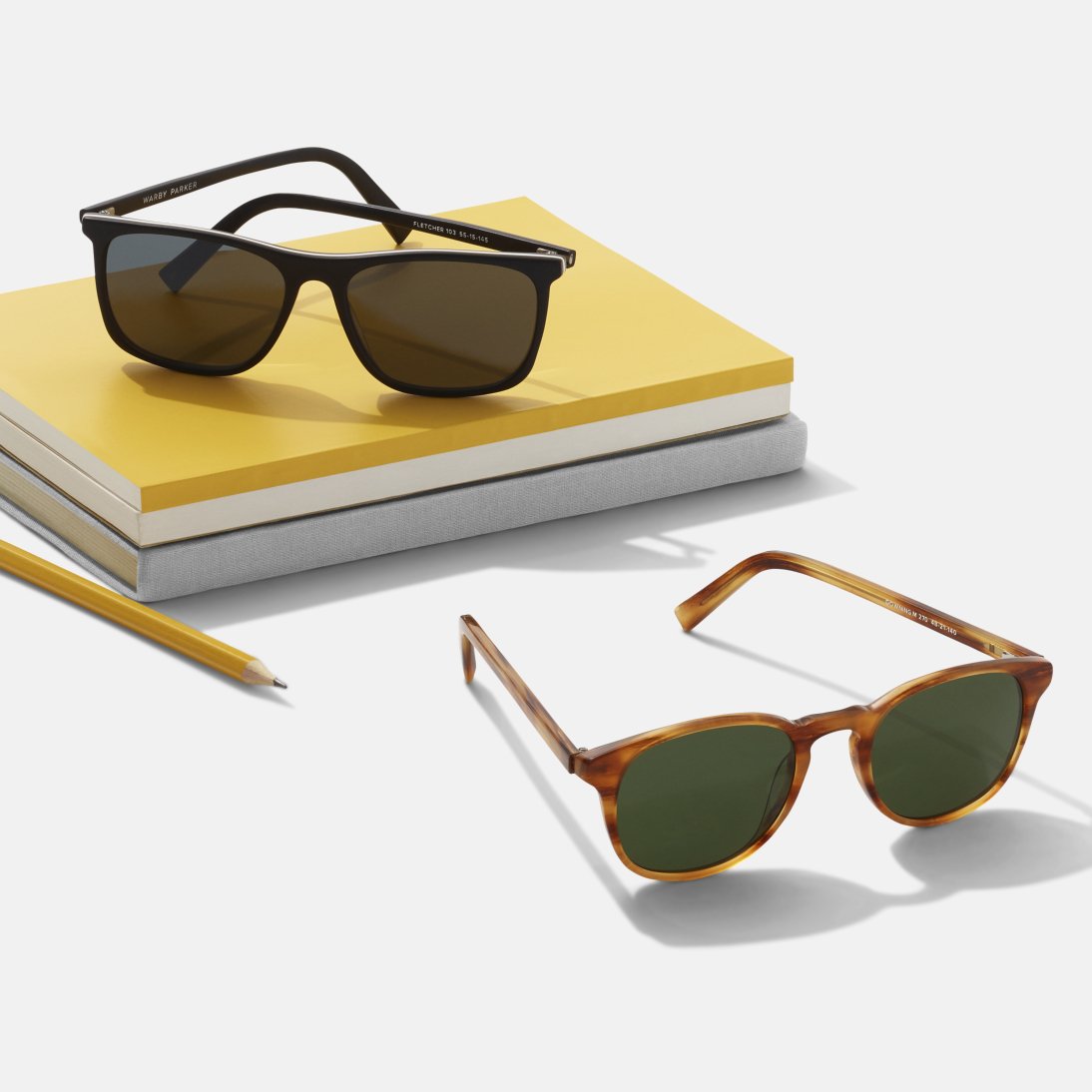
Different lens colors can improve comfort in different conditions. Gray lenses often keep colors looking natural. Brown or amber lenses may increase contrast. Green lenses can balance brightness and contrast. These benefits are about visual comfort, not UV filtering.
Polarized lenses are also often misunderstood. Polarization reduces glare from reflective surfaces such as water, roads, snow, or car hoods. Many people find this can make driving, fishing, and outdoor sports more comfortable. However, polarization is separate from UV filtration, so polarized sunglasses should still carry a UV filtration label.
- For driving: some people prefer sunglasses that include both a UV filtration label and glare-reducing features.
- For beach days: you may see options like wraparound frames and UV400 lenses.
- For sport: some shoppers look for features such as impact-resistant materials and a frame that feels secure.
- For children: many people pay close attention to UV labeling, not just how dark or colorful the lenses look.
What to Check Before Buying UV Filtering Sunglasses
The most useful buying habit is simple: read the label instead of judging the shade. Look for clear wording such as “100% UV filtration,” “filters UVA and UVB,” or “UV400.” If the product description is vague, ask the retailer or choose a more transparent option.
Fit can influence how much light reaches your eyes from different angles. Large lenses, close-fitting frames, and wraparound styles help reduce light entering from the sides. This is especially helpful near water, snow, sand, or pavement, where reflected light can increase brightness and discomfort.
Price is not always a good indicator. Some affordable sunglasses offer strong UV filtration, while some fashion-focused lenses may emphasize style. A practical approach is to combine label reading, comfort, fit, and intended use before making a decision.
Throwing More Light on the Dark Lenses Myth
If there’s one takeaway, it’s this: sunglasses don’t filter UV based on looking dark. A deep tint may make a sunny day feel more comfortable, but the real work happens behind the scenes, in the lens’s ability to filter harmful UV rays.
The next time you’re shopping for sunglasses, treat lens color as a style choice and UV filtration as the non-negotiable feature. Look for labels such as UV400 or 100% UVA and UVB filtration, then choose the tint, frame, and lens options that fit how you actually spend your time outdoors.
Good sunglasses should do two things at once: help you see comfortably and reduce harmful sun exposure. Fortunately, you don’t have to choose between function and style. For more tips on UV filtration, lens technologies, and choosing the right sunglasses for your lifestyle, explore our related guides.
Legal Disclaimer
MEDICAL DISCLAIMER: This content is provided for educational and informational purposes only and is not intended as medical advice, diagnosis, or treatment. This information should not be used to replace professional medical care or consultation. Individual results may vary significantly. Always consult with a qualified healthcare provider before making any decisions about your health, vision, or medical treatment. Never disregard professional medical advice or delay seeking treatment because of information you have read on this website.
VISION CARE DISCLAIMER: Vision correction needs vary by individual. Consult an eye care professional for personalized assessment and recommendations.
FDA DISCLAIMER: These statements have not been evaluated by the Food and Drug Administration. This content is not intended to diagnose, treat, cure, or prevent any disease or medical condition.
PROFESSIONAL CONSULTATION REQUIRED: Only qualified eye care professionals can provide personalized recommendations for your specific vision needs and health conditions.
This article is for informational purposes only. It is not intended to provide medical advice or substitute for professional health services. Warby Parker complies with all HIPAA regulations regarding your health information. For personal health questions or concerns related to your vision or eyewear prescriptions, please consult a qualified healthcare provider.