Eye Exam vs Vision Screening: Key Differences
A vision screening is a quick check on how your eyes are doing, but is not a comprehensive eye examination. An eye exam goes much deeper to assess and diagnose issues you may need to address, including updating your spectacle prescription.
The eye exam vs vision screening question matters because the two are not interchangeable, especially if your next goal is prescription eyeglasses.
Add a pair and save
Buy one prescription pair and save 20% on additional pairs—eyeglasses or sunglasses!
We’ll compare what each one does, when an eye exam makes more sense, and how to turn a prescription into frames and lenses you can actually picture yourself wearing.
Screening Result, Blurry Text, or First-Pair Hunch? Start Here
Here’s the quick version: A vision screening is a brief check that may suggest whether a more comprehensive examination of your vision would be helpful. An eye exam is more thorough and can provide the prescription details needed for eyeglasses as well as assess for other eye conditions.
That doesn’t make a screening bad. It’s doing a different job. Think of it as a friendly tap on the shoulder, not the whole conversation.
If your goal is prescription eyeglasses, an up-to-date prescription is usually the bridge between things looking blurry and finding frames that fit your vision needs. You don’t need to memorize every eye-care term first. There won’t be a quiz, and your optometrist will take their time explaining unfamiliar terms to you.
Peep this
We offer prescription glasses starting at $95, with free shipping and free returns
Vision Screening vs Eye Exam: The Side-by-Side Difference
A vision screening is often used in schools, workplaces, community settings, or basic wellness contexts. It may include a distance and near vision check, or other brief checks, depending on the setting.
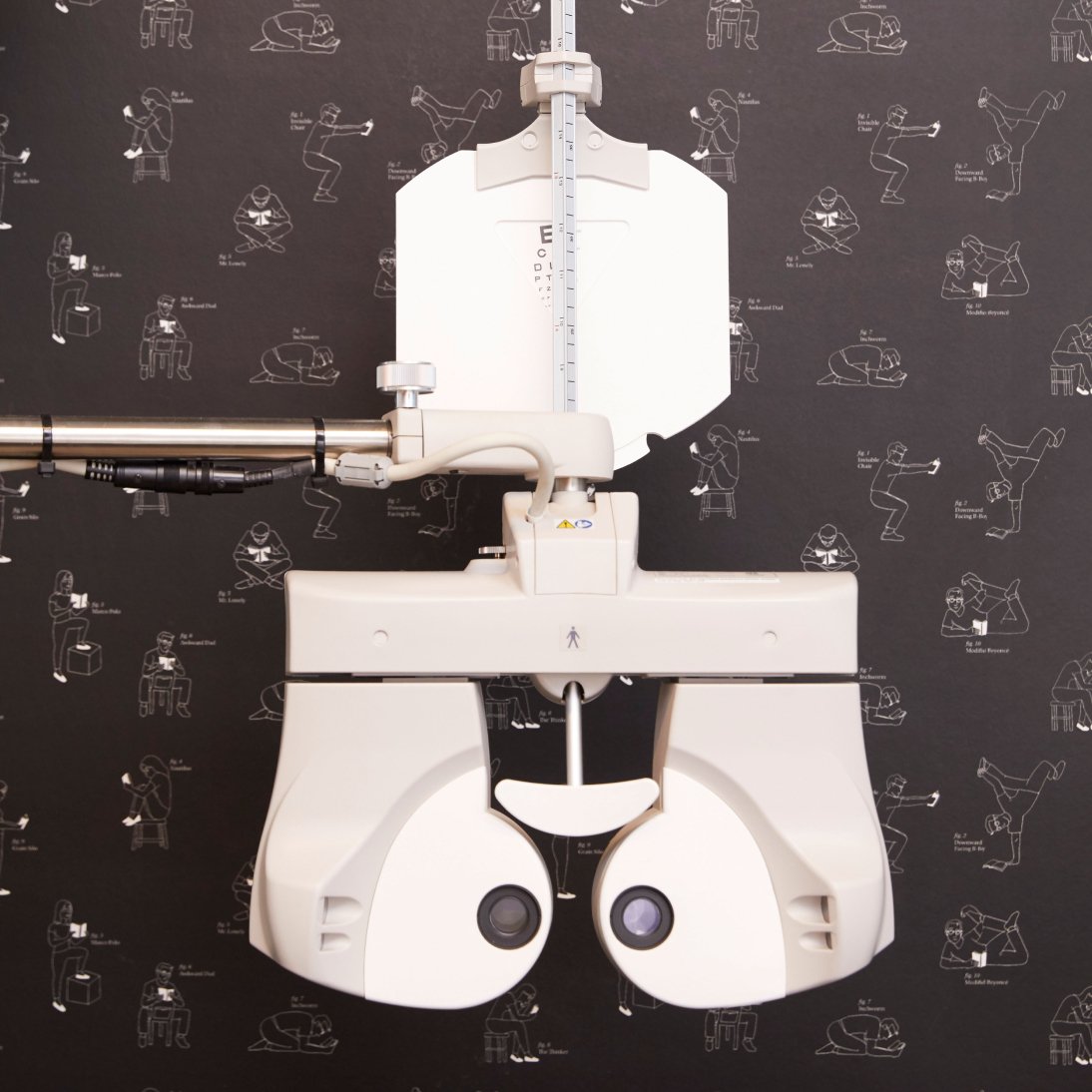
An eye exam is a more complete appointment with an eye care professional. It may include questions about your vision history, visual acuity checks, refraction (the part that helps determine your prescription for glasses), and other eye-health-related assessments.
Book an eye exam if a screening recommended that you have a follow-up, you’re squinting, your current prescription feels outdated, you want to buy prescription eyeglasses, or you’re unsure whether readers, single-vision lenses, or progressives fit your needs.
When the Goal Is Glasses, an Eye Exam Is the No-Guess Path
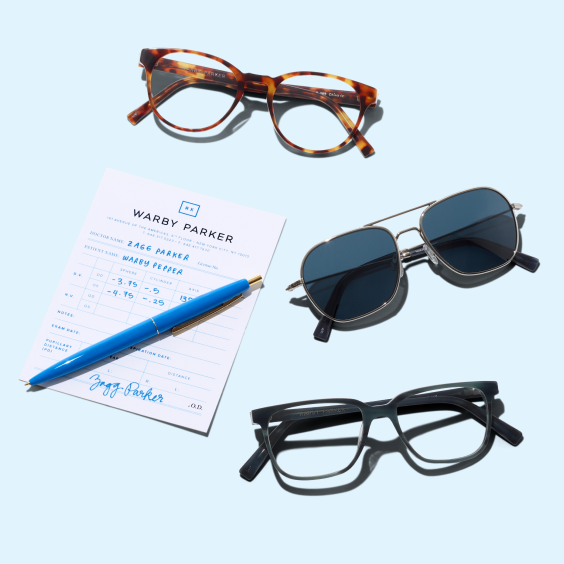
The path is pleasantly linear: screening result or blurry vision, eye exam, prescription details, frame and lens selection. A glasses prescription helps determine lens power and other details needed to make your unique pair of prescription eyeglasses.
Your prescription may point toward single-vision lenses, progressives for multiple viewing distances, or readers when appropriate. Single-vision lenses provide one prescription power across the entire lens, typically for distance, intermediate, or near vision. The exam outcome helps guide the lens conversation that best fits your lifestyle.
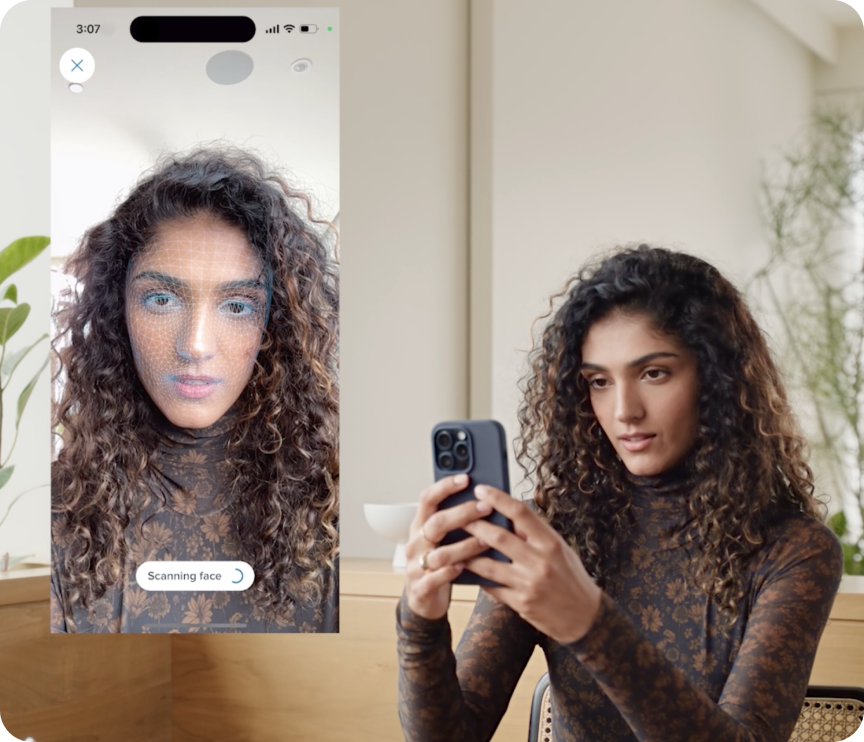
Once you have a valid prescription, Warby Parker can help you shop frames, use Virtual Try-On, configure lenses, and get fit support in stores. Have a prescription already? Shop prescription eyeglasses or use Virtual Try-On to start finding frames that feel like you.
Want to try on a few frames?
Try on any pair virtually from home
No Awkward Counter Moment: What Happens After You Have a Prescription
After the exam, the process is simple. First, confirm or upload a valid prescription before ordering prescription eyeglasses. Then, choose frames based on face shape, frame width, bridge fit, material, and personal style.
Next, configure lenses for your prescription and lifestyle, whether that’s work, school, commuting, reading, or all-day wear. You can also consider comfort-focused options such as anti-reflective coating or photochromic lenses for glare reduction, brightness management, and usability.
Use Virtual Try-On or visit a Warby Parker store for fit guidance. Once your glasses arrive, check fit and visual comfort, and use easy returns or in-store adjustments as needed.
If You’re Still Unsure, Match Your Situation to the Next Step
If you passed a screening, but things still look blurry, consider booking an eye exam for a comprehensive look at your vision needs. If your screening advised you to follow up with an eye care professional, book an eye exam.
If you just want to buy glasses, make sure you have a current valid prescription. If you have an old prescription, check whether it’s still valid (not expired) and comfortable. If you’re not sure what kind of lenses you need, start with an eye exam, then use a lens guide or store support to configure the pair.
Want the look? (Even if you're not a pilot.)
We offer endless iterations—in both materials and lens shapes—of the adventurous aviator
Eye Exam vs Vision Screening: Your Clear Next Step
A vision screening can point toward a possible concern, but an eye exam is the clearer next step if you think prescription eyeglasses may be in your future. If your vision feels blurry or a screening suggested follow-up, consider booking an eye exam at select Warby Parker stores.
If you already have a valid prescription, you can shop frames, explore lens options, or try Virtual Try-On from the comfort of your couch.
Your first pair doesn’t have to begin with guesswork. It can begin with one calm, sensible step.
Need your glasses adjusted?
Bring your Warby Parker frames to one of our opticians for an expert fine-tuning
Legal Disclaimer
MEDICAL DISCLAIMER: This content is provided for educational and informational purposes only and is not intended as medical advice, diagnosis, or treatment. This information should not be used to replace professional medical care or consultation. Individual results may vary significantly. Always consult with a qualified healthcare provider before making any decisions about your health, vision, or medical treatment. Never disregard professional medical advice or delay seeking treatment because of information you have read on this website.
VISION CARE DISCLAIMER: Vision correction needs vary by individual. Consult an eye care professional for personalized assessment and recommendations.
FDA DISCLAIMER: These statements have not been evaluated by the Food and Drug Administration. This content is not intended to diagnose, treat, cure, or prevent any disease or medical condition.
PROFESSIONAL CONSULTATION REQUIRED: Only qualified eye care professionals can provide personalized recommendations for your specific vision needs and health conditions.
This article is for informational purposes only. It is not intended to provide medical advice or substitute for professional health services. Warby Parker complies with all HIPAA regulations regarding your health information. For personal health questions or concerns related to your vision or eyewear prescriptions, please consult a qualified healthcare provider.
Can a vision screening give me a prescription for glasses?
Usually, no. A screening can flag whether a more comprehensive exam may help, but an eye exam can provide prescription details for prescription eyeglasses.
Is a vision screening the same as an eye exam?
No. A screening is typically quick and limited. An eye exam is more thorough and can evaluate vision needs in greater detail.
Do I need an eye exam after a failed vision screening?
A failed or flagged screening is a common reason to schedule an eye exam, especially if you may need prescription eyeglasses.
What happens during an eye exam for glasses?
It may include vision-history questions, visual acuity checks, refraction to determine lens power for a new pair of glasses, and eye health checks performed by an eye care professional.
Can I buy prescription glasses without a current prescription?
To order prescription eyeglasses, you generally need a valid prescription that is not expired. If you don’t have one, booking an eye exam is the practical next step.