Gradient Prescription Sunglasses: Style, UV Protection, and Everyday Use
If you often move from any bright light to shadier spaces, you might know firsthand how frustrating it is to keep swapping glasses. Gradient prescription sunglasses are one type of sunglass lens that can be used in these in-between lighting moments.
This article explains how gradient lenses offer prescription vision correction and UV filtering in a polished-looking pair. The goal is to help you understand when they are commonly used, what to look for, and how to talk about them with an eye care professional.
Need a new pair?
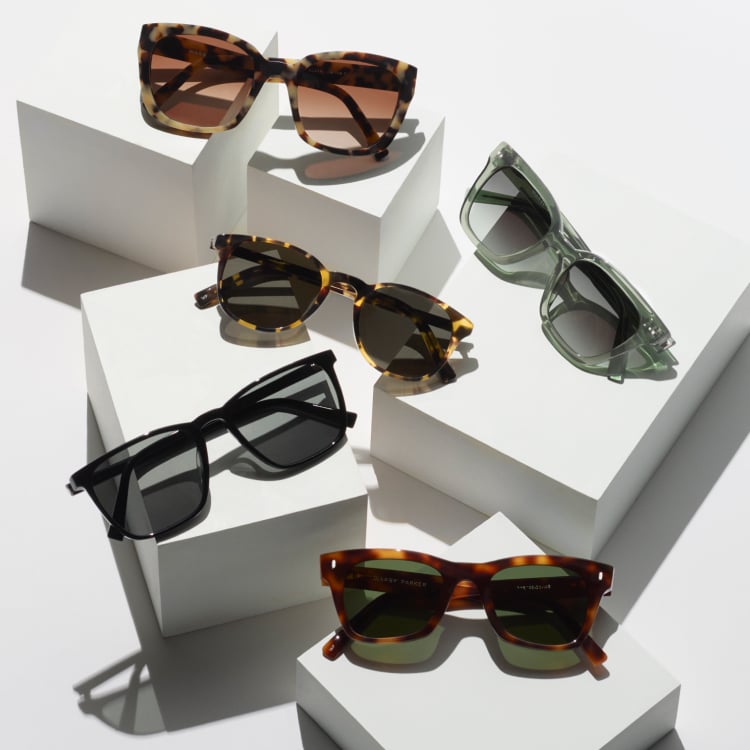
Shop our latest sun shapes and colors
We will explore what makes gradient prescription sunglasses different from standard tints, how they are designed to filter UV rays, and the customization choices you can discuss with your optician or other eye care professional.
By the end, you will be familiar with key features, possible limitations, and practical criteria to consider when deciding whether gradient prescription sunglasses align with your preferences and day-to-day activities.
How Gradient Prescription Sunglasses Work
Gradient lenses are darker at the top and gradually lighten toward the bottom. In prescription sunglasses, this design means the upper part of the lens has a deeper tint, while the lower portion has a lighter tint that many people use for looking down at things like a phone or a menu.
Unlike fully tinted lenses, gradient tints allow more visible light through the lower part of the lens. Some people prefer this in situations with mixed lighting, such as driving during the day, walking in the city, or spending time near large windows. The design aligns with the way many people naturally look up toward brighter areas and down toward nearer objects.
Need sunglasses?
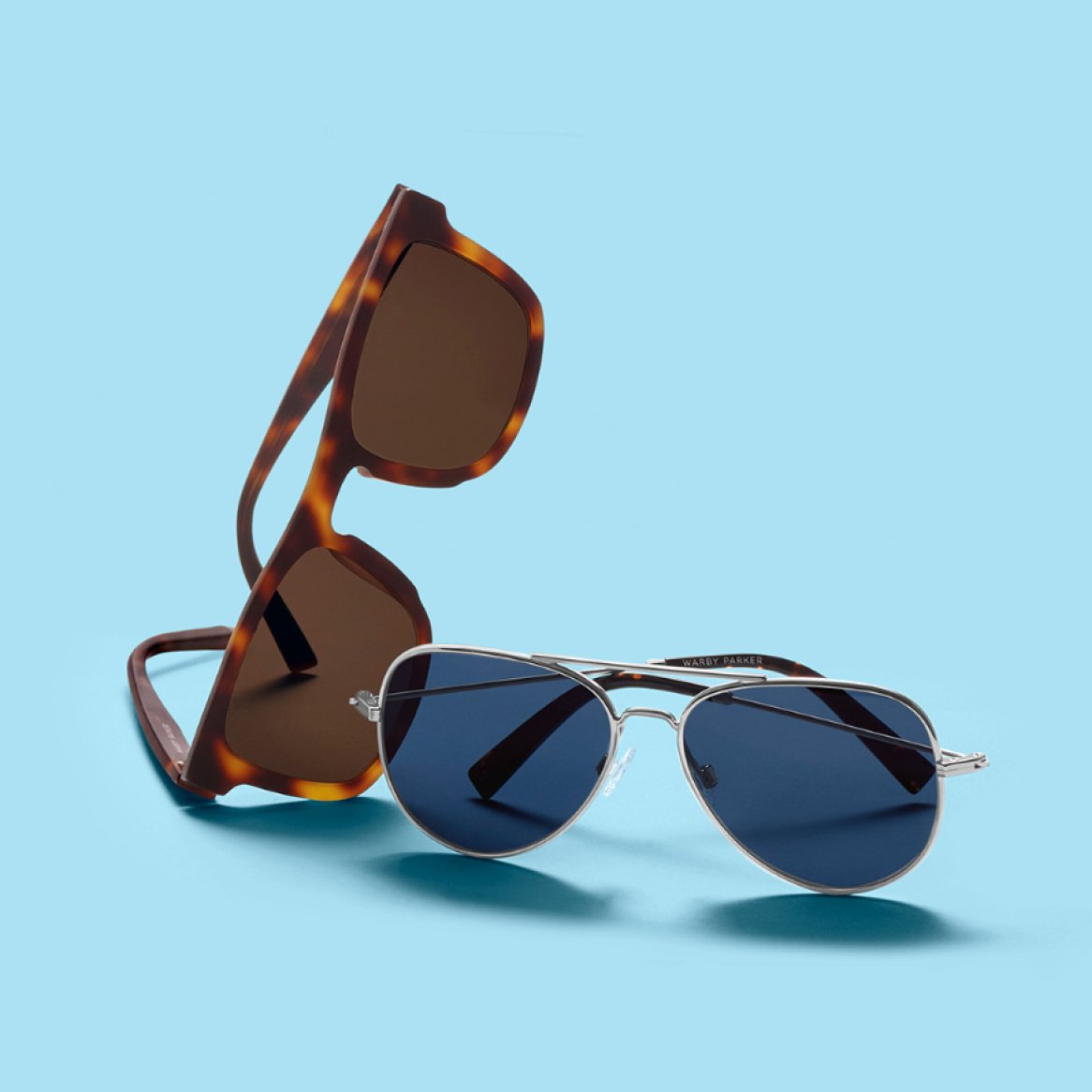
Starting at $95, with free shipping.
Even though the lens may look lighter at the bottom, quality sunglasses are typically labelled to indicate 100% UVA and UVB filtering across the entire lens, regardless of lens color or darkness. UV coatings are usually clear and cover the entire lens surface.
Key Features and Considerations for Gradient Prescription Sunglasses
For many wearers, the main appeal is versatility in appearance and use. Gradient lenses have a softer-looking transition of tint than fully dark sunglasses, which some people find appealing if they move frequently between indoors and outdoors and prefer not to remove their sunglasses every time they go inside.
Gradient prescription sunglasses are often chosen for daytime driving and other daytime activities. The darker tint toward the top of the lens and lighter tint toward the bottom can be used while looking toward the sky or through a windshield and while glancing down toward the dashboard. However, you should always follow your eye care professional’s advice on lens color and darkness for driving and other activities.
Protect those peepers
Our sunglasses provide 100% UV protection
Research has examined how different lens tints can influence aspects of visual performance, such as contrast and reaction time. This supports the idea that tint selection is about more than style alone. Preferences can vary from person to person, so discussing tint options – including whether a gradient tint is available in your prescription – with an eye care professional can help you understand which choices may align with your needs and preferences.
Lastly, gradient tints offer a refined aesthetic that can pair well with both casual and professional wardrobes. The softer transition of color can look less stark than a solid dark tint in some settings, making them a popular option for people who want prescription sunglasses that feel appropriate in a range of daytime environments.
- Gradient tint: Darker toward the top of the lens and lighter toward the bottom.
- Prescription-ready: Lenses that can be made with your prescription and UV-filtering materials or coatings, depending on lens selection.
- Smooth transition: A gradual tint change that many people find visually appealing.
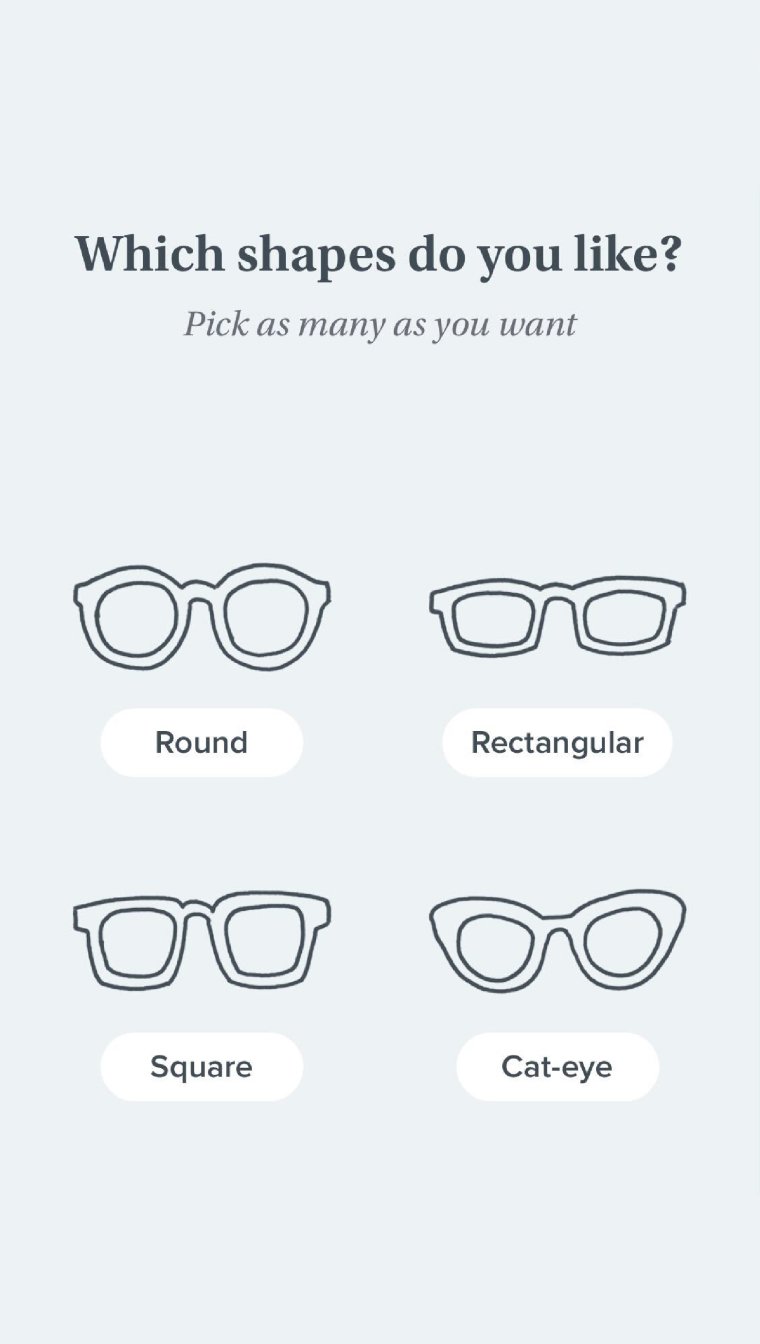
- Style variety: Available in various frame shapes and styles.
Choosing the Right Gradient Prescription Sunglasses
Start with UV filtering. Many professional resources recommend sunglasses that filter 99-100% of UVA and UVB rays. Look for labelling that indicates the level of UV filtering provided by the lenses. The visible tint level alone is not a reliable indicator of UV filtering.
Next, consider tint color and gradient depth. Grey gradients tend to keep colors looking more neutral, while brown or amber gradients can give a warmer appearance. A more subtle gradient may be appealing for office and city wear, while a deeper gradient may be preferred in very bright conditions or sunny climates.
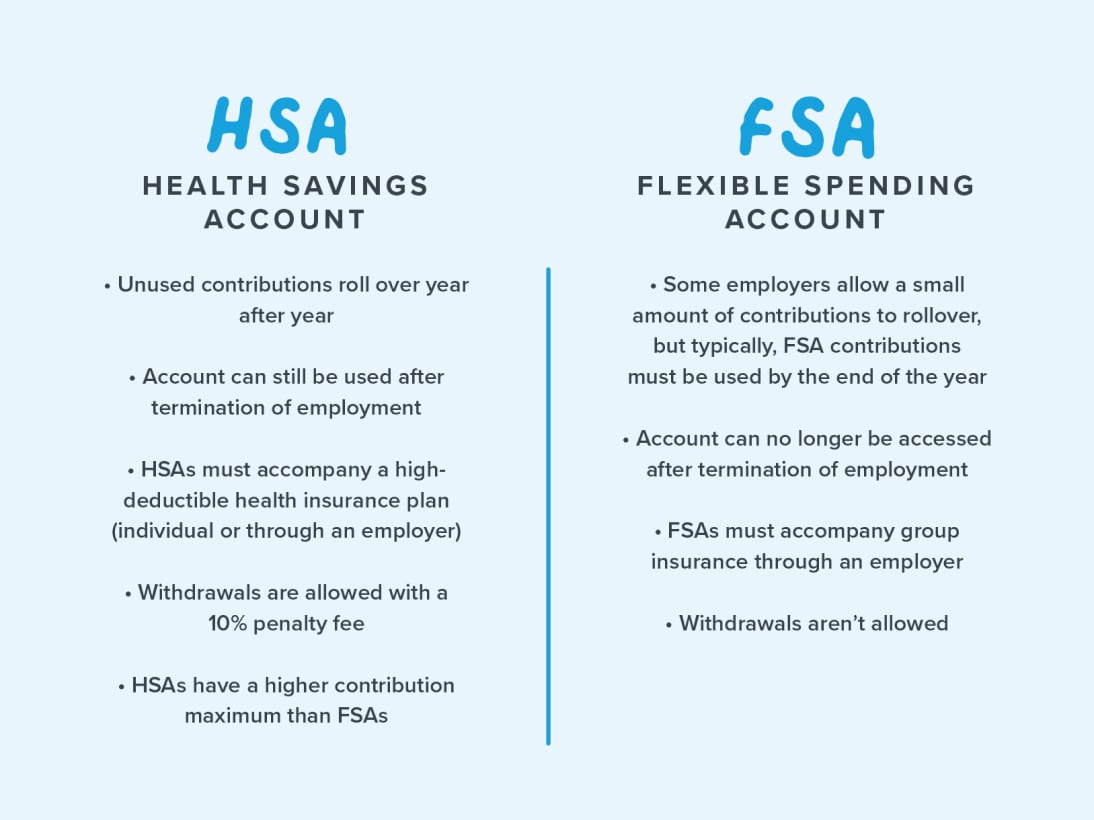
Have an FSA or HSA?
Use it to save on contact lenses
Shop contacts
Frame choice also plays a role. Larger lenses and wraparound styles offer more physical coverage for the eyes and surrounding skin area, which some people prefer for outdoor use. Ensuring the frame fits securely at the nose and temples can help support consistent alignment of your prescription across the gradient zones.
Final Thoughts on Gradient Prescription Sunglasses
Gradient prescription sunglasses combine prescription lenses, UV filtering, and a distinctive tint pattern in one pair of sunglasses. They are often chosen by people who want a darker tint toward the top of the lens and a lighter look toward the bottom, and who prefer a style that feels at home in both casual and professional settings.
If you are considering a new pair of prescription sunglasses, you can use this information as a starting point for a conversation with your eye care professional. Ask about lens tint options, color, gradient depth, UV filtering, and frame styles that are available with your prescription.
To explore your options, you might browse different gradient styles online or in-store and review the lens specifications provided. If you are due for an eye exam, consider scheduling one with an eye care professional so you have an up-to-date prescription when choosing new prescription sunglasses.
Protect those peepers!
Our sunglasses come with a scratch-resistant coating and block 100% of UV rays
Legal Disclaimer
MEDICAL DISCLAIMER: This content is provided for educational and informational purposes only and is not intended as medical advice, diagnosis, or treatment. This information should not be used to replace professional medical care or consultation. Individual results may vary significantly. Always consult with a qualified healthcare provider before making any decisions about your health, vision, or medical treatment. Never disregard professional medical advice or delay seeking treatment because of information you have read on this website.
VISION CARE DISCLAIMER: Vision correction needs vary by individual. Consult an eye care professional for personalized assessment and recommendations.
FDA DISCLAIMER: These statements have not been evaluated by the Food and Drug Administration. This content is not intended to diagnose, treat, cure, or prevent any disease or medical condition.
PROFESSIONAL CONSULTATION REQUIRED: Only qualified eye care professionals can provide personalized recommendations for your specific vision needs and health conditions.
This article is for informational purposes only. It is not intended to provide medical advice or substitute for professional health services. Warby Parker complies with all HIPAA regulations regarding your health information. For personal health questions or concerns related to your vision or eyewear prescriptions, please consult a qualified healthcare provider.
Are gradient prescription sunglasses recommended for driving?
Some people choose gradient prescription sunglasses for daytime driving because they prefer the appearance of a darker tint near the top of the lens and a lighter tint toward the bottom. Whether they are appropriate for you depends on your vision, driving environment, and local regulations. Always follow your eye care professional’s guidance on tint color and darkness for driving.
Do gradient prescription sunglasses filter UV like other sunglasses?
Gradient prescription sunglasses can provide UV filtering comparable to many other sunglasses when they are made with UV-filtering lens materials or coatings. UV filtering is independent of how dark the tint looks, so check that the lenses are labelled for the level of UVA and UVB filtering they provide.
Who commonly chooses gradient prescription sunglasses?
Gradient prescription sunglasses are often chosen by people who move frequently between indoors and outdoors during the day, drive during the daytime, or want a single pair of prescription sunglasses that they feel works in both casual and professional settings.
Are gradient lenses too light for very bright conditions?
Preferences vary. In extremely bright environments, some people prefer a solid dark tint or mirrored lens appearance. A deeper gradient tint may also be selected, while very light gradients may not offer the level of tint some people want in intense sun. Your eye care professional can help you review tint options for the environments where you spend the most time.
Can I get polarized gradient prescription sunglasses?
In many cases, polarized lenses and gradient tints can be combined in a single prescription lens, depending on lens manufacturer and frame type. Polarized lenses are often used by people who want lenses that appear to reduce reflections from flat surfaces, such as water or roadways. Availability depends on specific lens and frame combinations, so ask your eye care professional or retailer what options are offered.
Need Glasses?
Shop prescription glasses starting at $95