Gradient Tint Eyeglasses for Soft Color and Style
Some eyeglasses are made to fade into the background. Gradient tint eyeglasses do the opposite. They frame your eyes with soft color that still looks considered, but not invisible. The gentle shift from darker at the top to lighter at the bottom can create a polished, almost airbrushed effect around your face.
This guide walks through what gradient tint glasses are, how they are made, and how they can look in everyday settings, so you can decide if they fit your personal style and day-to-day routine. Whether you spend a lot of time on the go, near windows, or simply want a more refined pair of prescription or non-prescription frames, understanding gradients can help you narrow down your options.
We will break down how gradient tint eyeglasses are made, how the tint is typically distributed across the lens, and what to consider in color, depth, and coatings. The goal is to answer the practical questions you might normally ask in an optical store, before you are standing at the display.
Did you know?
You can order our frames as readers or with non-prescription lenses at no additional cost
By the end, you will have a clearer sense of when gradient tints might fit your lifestyle, how they compare with solid tints on a basic level, and the key decisions to make so your next pair feels aligned with how you like to look and live.
What Are Gradient Tint Eyeglasses and How Do They Work?
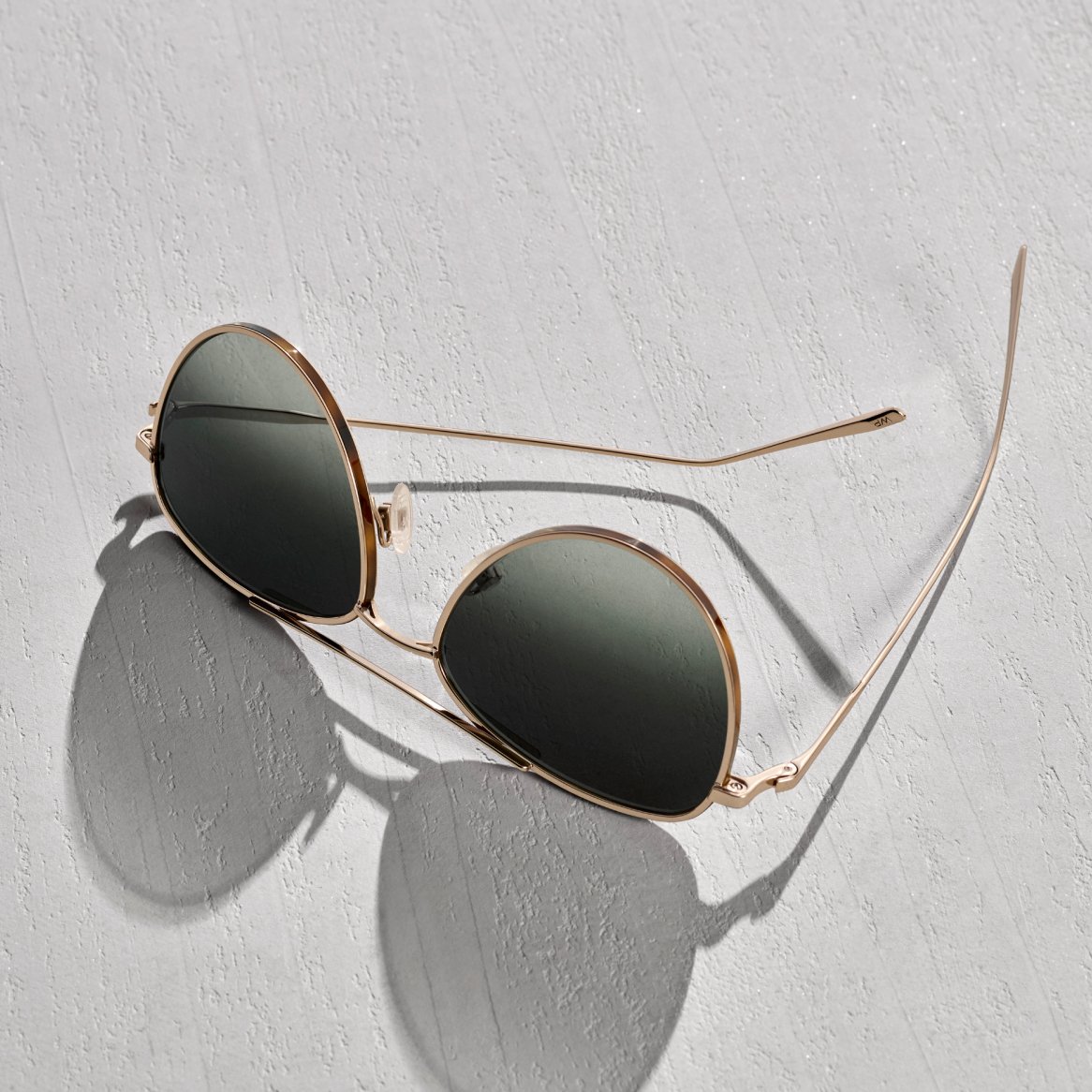
Gradient tint lenses are darker at the top and gradually fade to a lighter shade, or even clear, toward the bottom. In everyday use, you are more likely to notice the deeper color near the upper edge of the frame and the softer color or clearer appearance toward the lower edge.
Unlike solid-tint lenses, which have one uniform color density, gradients are carefully controlled during manufacturing. The lens is tinted so that pigment concentration or coating thickness is higher at the top and decreases smoothly downward. For many wearers, this results in a noticeable transition: the upper part of the lens appears more shaded, while the lower area looks lighter.
Gradients are not limited to a single color fading to clear. Some sun lenses blend two tones together, transitioning from a color at the top into a neutral gray base toward the bottom. Options like a violet gradient or a blue gradient move from a pop of color up top into gray, so you get visual character where the light hits hardest and more natural color perception lower down. For varied outdoor lighting, this color-to-gray blend can be a flexible middle ground between a fully colored lens and a plain neutral one.
Think you need glasses?
Time to check in with one of our friendly optometrists
Because the upper portion is typically darker and the lower portion is lighter, some people choose gradient tints for settings where they move between brighter and more moderate lighting during the day, such as city streets, commuting, travel, or time spent near large windows.
Style Benefits of Gradient Tint Eyeglasses
From a style perspective, gradient tint eyeglasses are a subtle way to add color and depth without fully hiding your eyes. The darker top edge can draw attention toward the upper part of the frame, which some people feel creates a lifting effect and may visually soften the area beneath the eyes.
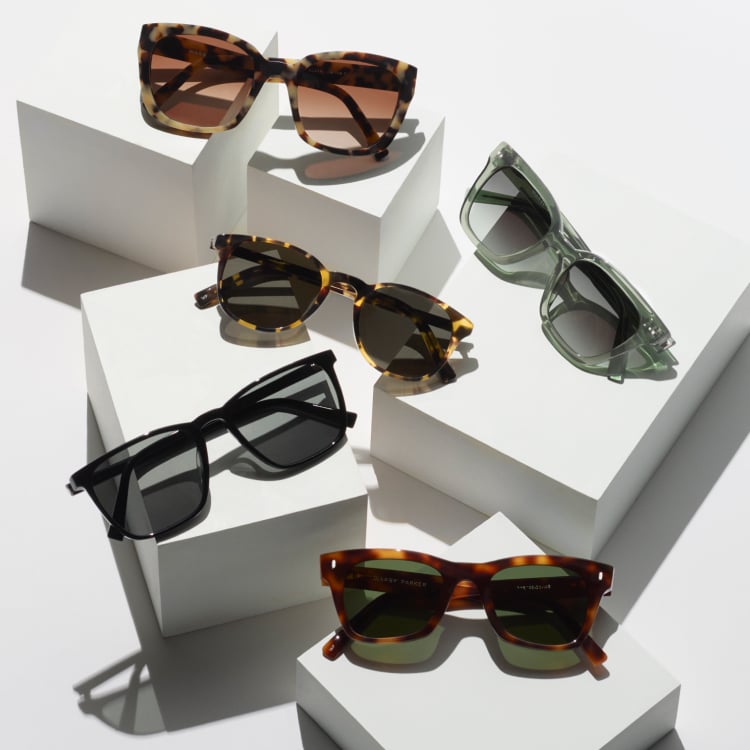
Color choice strongly shapes the final look. Classic smoke, gray, or brown gradients tend to read as refined and timeless. Rose, amber, or teal gradients can feel more expressive while still being wearable for everyday outfits. Two-tone gradients, like a violet gradient or a blue gradient that settles into gray, layer a hint of color over a neutral base for a distinctive look that still works across changing outdoor light. Because the tone lightens toward the bottom, even bolder hues can appear less heavy and may be easier to pair with both workwear and casual looks.
- Soft definition around the eyes: The fade can give a soft sense of definition, somewhat like a subtle makeup effect, without creating a hard line.
- More open expression: Compared with very dark sunglasses, gradients keep more of your eyes visible, which some people prefer in professional or social settings.
- Versatility: One pair can be worn as both a fashion accessory and an everyday pair of glasses, especially in prescription options.
- Frame-friendly: Gradients can pair well with metal, acetate, and mixed-material frames, from aviator shapes to cat-eyes.
Because gradients are often associated with fashion-forward and premium eyewear, they can make simple frames feel more intentional. A helpful approach is to think about where you plan to wear them most, such as the office, running errands, or spending time outdoors, and choose a tint depth that fits those settings.
Want the look? (Even if you're not a pilot.)
We offer endless iterations—in both materials and lens shapes—of the adventurous aviator
Everyday Experience with Gradient Tints
Beyond appearance, people often talk about how gradient tints feel to wear in different kinds of light. The darker upper portion can appear to take the edge off brighter surroundings, especially outdoors or near large windows, while the lighter lower area can make it easier to see details on things you hold or look at more closely, such as your dashboard, phone, or a book.
People’s preferences can vary widely. Some prefer very light gradients because they feel less noticeable indoors, while others gravitate toward deeper gradients that look more like traditional sunglasses. Those who spend a lot of time reading or viewing screens may like gradients where the lower section looks relatively light, while people who are outdoors often may be drawn to darker options or to two-color blends that handle shifting light.
When choosing any tinted lens, it is also important to look at features like UV filtering and anti-reflective coatings. UV filtering is provided by the lens material or coatings, not by the tint color itself. An anti-reflective coating is designed to help reduce reflections on the lens surface. These features work independently of gradient tint and are key details to review when you are comparing lens options.
Need a new pair of glasses?
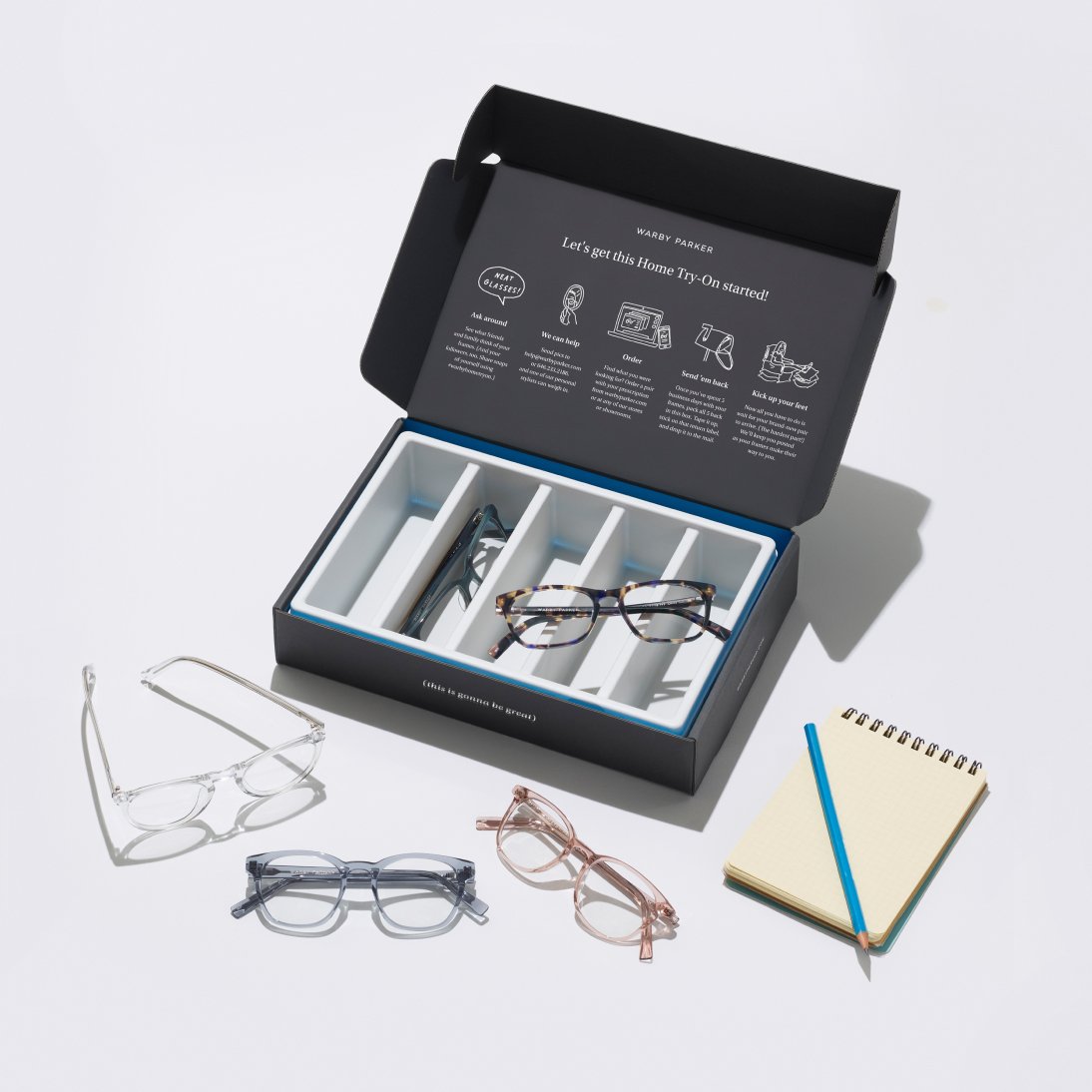
Vitually try on frames in the comfort of your own home
Final Thoughts on Gradient Tint Eyeglasses
Gradient tint eyeglasses blend style and lens appearance: a darker upper area that looks more shaded, and a lighter lower area that can feel softer and more open. By choosing a color and tint depth that match how and where you plan to wear your glasses, you can create a look that feels polished and personal to you.
If you are considering a pair, start by thinking about your typical day, such as driving, time in the office, being outdoors, or traveling, and look for a gradient depth that seems in step with those environments. Then review lens details like whether UV filtering and an anti-reflective coating are available, so the tint works alongside those features.
From there, explore frame shapes you already like and preview them with different gradient options. If you can, try samples in natural light and when looking at a screen, and talk with an eye care professional about any questions you have. When you are ready, select the gradient tint that feels most natural for how you live, and consider sharing your experience to help others think through their own choices.
Reduce reflections and glare
Our lenses come standard with anti-reflective coating
Legal Disclaimer
MEDICAL DISCLAIMER: This content is provided for educational and informational purposes only and is not intended as medical advice, diagnosis, or treatment. This information should not be used to replace professional medical care or consultation. Individual results may vary significantly. Always consult with a qualified healthcare provider before making any decisions about your health, vision, or medical treatment. Never disregard professional medical advice or delay seeking treatment because of information you have read on this website.
VISION CARE DISCLAIMER: Vision correction needs vary by individual. Consult an eye care professional for personalized assessment and recommendations.
FDA DISCLAIMER: These statements have not been evaluated by the Food and Drug Administration. This content is not intended to diagnose, treat, cure, or prevent any disease or medical condition.
PROFESSIONAL CONSULTATION REQUIRED: Only qualified eye care professionals can provide personalized recommendations for your specific vision needs and health conditions.
This article is for informational purposes only. It is not intended to provide medical advice or substitute for professional health services. Warby Parker complies with all HIPAA regulations regarding your health information. For personal health questions or concerns related to your vision or eyewear prescriptions, please consult a qualified healthcare provider.
Are gradient tint eyeglasses good for everyday wear?
Many people wear gradient tint eyeglasses as part of their everyday eyewear rotation, including in mixed indoor and outdoor settings. What works for you can depend on your personal preferences, how deep the tint is, and the environments where you plan to use them.
Do gradient tints only fade from dark to light?
No. A gradient can fade a single color into a lighter shade or clear, but it can also blend two tones, such as a violet gradient or a blue gradient that transitions into gray. Two-color gradients add a touch of color toward the top while keeping the lower portion more neutral, which some people prefer for varied outdoor lighting.
Can I get prescription lenses with a gradient tint?
In many cases, optical labs can apply gradient tints to single-vision and multifocal prescription lenses. Availability can vary by lens material and brand, so it is a good idea to confirm specific options when you order.
Are gradient tints suitable for computer use?
Some people prefer lighter gradients for activities like computer work or reading, especially when the lower portion of the lens appears soft or nearly clear. Darker gradients are often worn more for outdoor use or situations that feel similar to wearing sunglasses. If you have questions about what is right for you, talk with an eye care professional.
Do gradient tint glasses protect my eyes from UV light?
Tint alone does not indicate UV filtering. UV filtering comes from the lens material or coatings. If UV coverage is important to you, look for UV400 labeling or 100% UVA/UVB protection, or ask your eye care professional or retailer.
How do gradient tints compare to solid tints?
Solid tints have one consistent shade across the entire lens, which many people associate with a traditional sunglass look. Gradient tints transition from darker at the top to lighter at the bottom, which some wearers like for situations where they want the upper part of the lens to look more shaded and the lower part to appear lighter.