Grey Lens Sunglasses: Neutral Color, Low-Key Style
If you want sunglasses that look good with almost everything but never steal the show, grey lenses are a strong contender. They’re the “quiet luxury” of eyewear – polished, versatile, and effortlessly cool.
This guide breaks down what makes grey lens sunglasses unique, how they can influence the way your surroundings appear, and when they may be a practical choice for your everyday routine. The goal is to give you clear information so you’re not guessing between tints and technical specs.
We’ll look at how grey lens sunglasses relate to light and color, plus which commonly discussed features – like UV labeling and polarization – many people consider when choosing a pair.
Looking to try on sunglasses?
Vitually try on frames in the comfort of your own home
By the end, you’ll have a clear sense of when grey lenses may be a good fit for your everyday life, how they compare with brown or green tints, and which features – such as UV labeling and lens tint depth – you might want to look at before you click “add to cart.”
Why Grey Lens Sunglasses Can Feel So Natural to Wear
Grey lenses are often described as a neutral-density tint, meaning they tend to dim light relatively evenly across the visible spectrum instead of emphasizing particular colors. Research on tinted lenses in optometry notes that neutral grey lenses are described as having relatively small effects on color discrimination while still changing overall brightness.
In everyday terms, many people describe this as a more “true-to-life” view of the world. Reds still look red, greens still look green – you’re just seeing everything a few shades darker. That can make grey lens sunglasses appealing if you move between different activities and prefer tints that keep colors relatively familiar, whether you’re looking at traffic signals, phone screens, or dashboards.
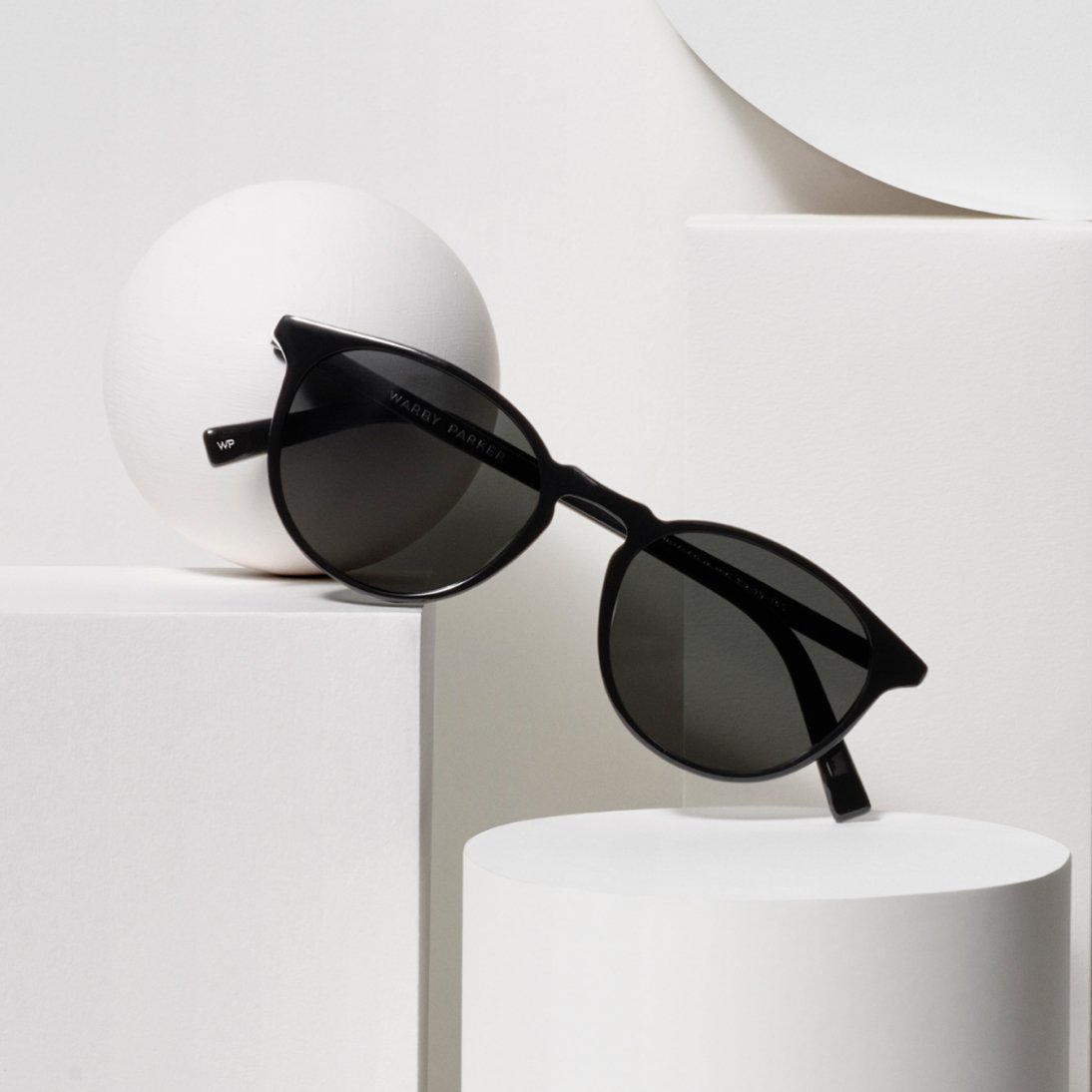
Because grey lenses don’t dramatically warm or cool your surroundings, they also tend to work with a wide range of frame styles and outfits. From minimalist metal aviators to bold acetate rectangles, the tint often recedes into the background so the shape and fit of the sunglasses take the spotlight.
Bright out?
Sunny days have met their match
This is where the “low-key” style comes in: grey lenses can help you look put-together without attracting too much attention. Instead of a strong amber or mirrored statement, grey lenses are calm, and classic – suited to work commutes, city walks, or weekend errands.
Everyday Considerations for Grey Lens Sunglasses
For many people, the first question is simple: when might grey lenses be a good option compared with other tints? Grey lenses are commonly used in bright, variable conditions. Some people like that they darken bright scenes without introducing a strong warm or cool cast.
- Natural-looking color: Colors can appear closer to how they look without sunglasses, which some people like for everyday tasks.
- Flexible for different light levels: Depending on the tint depth you choose, grey lenses can be worn in direct sun and in lighter overcast conditions.
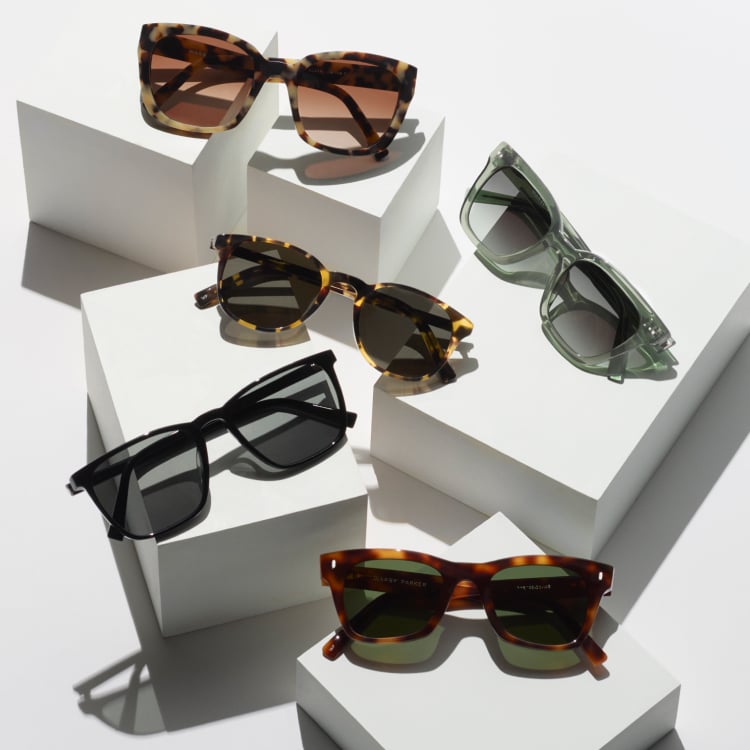
- Style flexibility: Grey reads as modern and minimal, working with black, tortoise, crystal, or colored frames without clashing.
Lens color is mainly about how things look to you, while the UV information on the label is what matters most for UV filtering.
Want to try sunglasses? It's free.
Virtually try on sunglases—anytime, anywhere
Grey vs. Brown vs. Green: How the Tints Compare
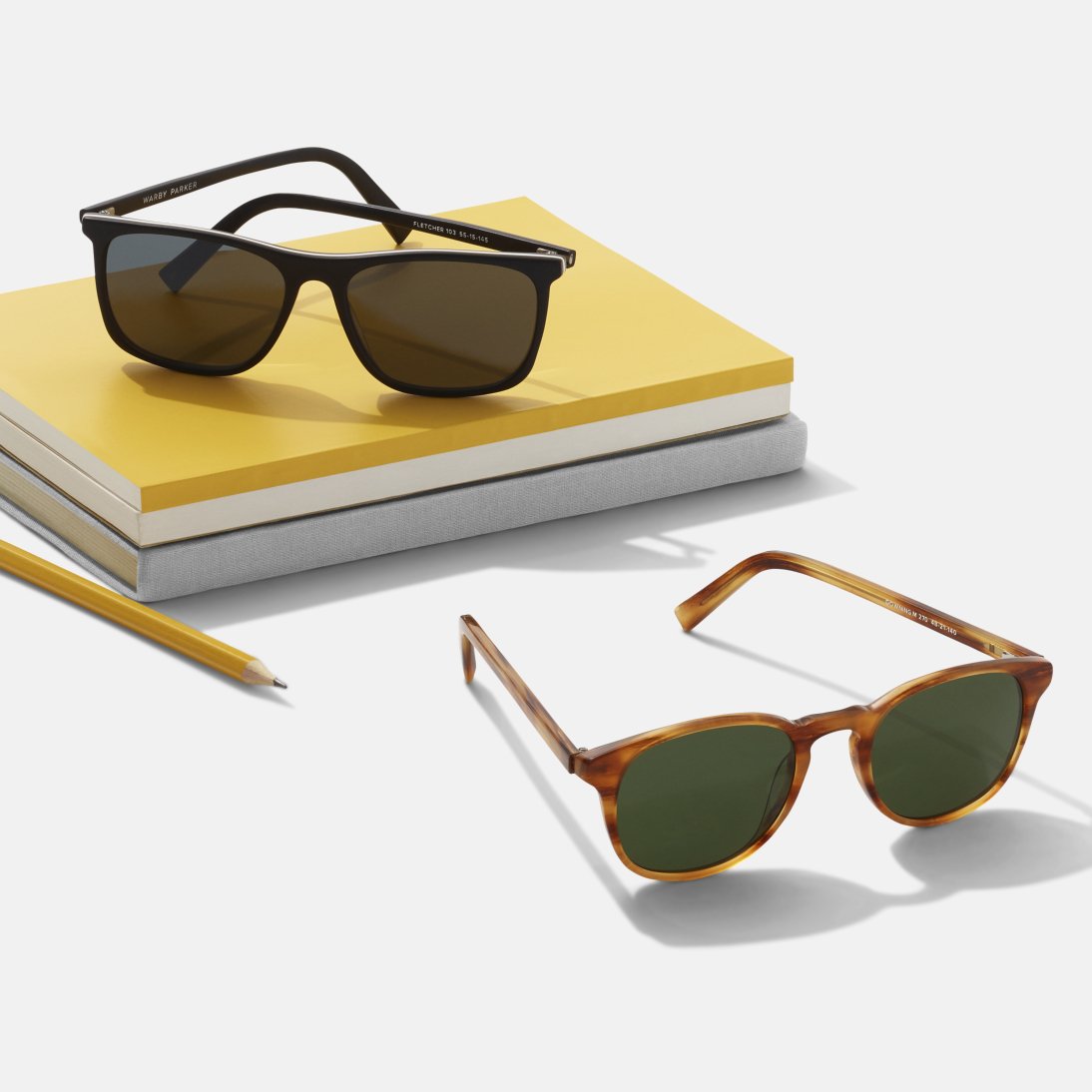
Choosing between grey, brown, and green lenses is really about how you prefer the world to look. If you spend most of your time driving, walking in the city, or being outdoors around signage and screens, you may prefer grey lenses. Many people feel that grey lenses do not dramatically change subtle color differences, which can be reassuring if you like things to look relatively similar to how they do without sunglasses, just darker.
By comparison, brown and amber lenses are sometimes chosen for activities like hiking, fishing, or sports in changing light, where some people like the way these tints make details or textures stand out visually. Green lenses sit somewhere in the middle, softening light while adding a slight color shift that many people find relaxing or a bit more stylized.
Glare beware
Get polarized lenses with your prescription sunglasses
Final Thoughts on Grey Lens Sunglasses
Grey lens sunglasses are a popular option among sunglass tints: neutral, understated, and versatile. When paired with a lens that has UV-filtering information on the label and good optical quality, they’re often chosen by people who like lenses that darken bright conditions and keep colors looking familiar, without adding a lot of visual drama.
If you’re building a first all-purpose pair, or you’re tired of tints that make the world look much warmer or cooler, starting with a well-made grey lens in a frame shape you love can be a straightforward approach. Depending on how and where you plan to wear your sunglasses, it is important to look for labels that indicate a high percentage of UVA/UVB filtering, polarization, or different tint depths.
Ready to explore options? Shortlist a few grey-lens styles – aviator, round, square, or cat-eye – and compare how they feel on your face and how the world looks through each pair. You can also check out related guides on tints, frame shapes, and lens add-ons to refine your everyday sunglasses setup.
Protect those peepers!
Our sunglasses come with a scratch-resistant coating and block 100% of UV rays
Legal Disclaimer
MEDICAL DISCLAIMER: This content is provided for educational and informational purposes only and is not intended as medical advice, diagnosis, or treatment. This information should not be used to replace professional medical care or consultation. Individual results may vary significantly. Always consult with a qualified healthcare provider before making any decisions about your health, vision, or medical treatment. Never disregard professional medical advice or delay seeking treatment because of information you have read on this website.
VISION CARE DISCLAIMER: Vision correction needs vary by individual. Consult an eye care professional for personalized assessment and recommendations.
FDA DISCLAIMER: These statements have not been evaluated by the Food and Drug Administration. This content is not intended to diagnose, treat, cure, or prevent any disease or medical condition.
PROFESSIONAL CONSULTATION REQUIRED: Only qualified eye care professionals can provide personalized recommendations for your specific vision needs and health conditions.
This article is for informational purposes only. It is not intended to provide medical advice or substitute for professional health services. Warby Parker complies with all HIPAA regulations regarding your health information. For personal health questions or concerns related to your vision or eyewear prescriptions, please consult a qualified healthcare provider.
Are grey lens sunglasses good for everyday use?
Grey lens sunglasses are a common everyday choice. Many people like that they darken bright conditions while keeping colors looking relatively familiar, so they can work well for commuting, errands, and casual outdoor time.
Do grey lenses filter UV rays as well as other colors?
UV filtering is related to lens construction and coatings, not related to the lens tint. Grey lenses can be made with similar UV-filtering properties just as with other tints. It’s important to check the product details to see whether a pair is labeled as filtering a high percentage of UVA and UVB rays.
Are grey lens sunglasses used for driving?
Many people choose grey lenses for driving because they prefer a tint that darkens the scene while keeping colors feeling familiar. As with any sunglasses, it helps to try them in lighting conditions you usually experience on the road.
How do grey lenses compare with brown lenses in bright conditions?
Both grey and brown lenses are commonly worn in bright conditions, including in versions that are polarized. Grey tends to give a more neutral look, while brown often makes the scene appear warmer. Your choice may come down to which overall look you prefer.
Do grey lenses make everything look too dark?
That depends on tint depth. A medium grey tint is often used for most daytime conditions, while very dark lenses can feel dim in shade or overcast weather. It can be helpful to try different tint levels to see what works for your typical light environment.
Need Glasses?
Shop prescription glasses starting at $95