How Much Does an Eye Exam Cost? Book Smart
The myth is that an eye exam has one neat little price, like a latte or a subway fare. It’s a cute idea, but it gets less cute when you’re sitting at the counter wondering why the number changed.
If you’re asking how much an eye exam costs before you book, you’re not being difficult, you’re being prepared. The challenge is that the exam itself is only part of the picture. Fees can vary depending on the type of exam, your insurance coverage, and any additional testing that may be recommended.
Need new glasses?
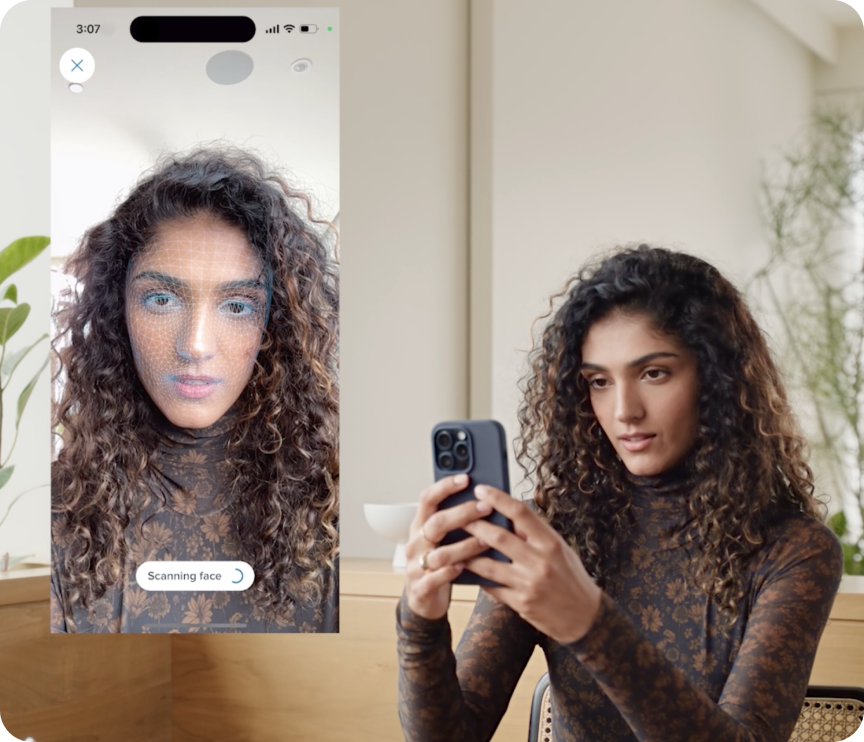
Vitually try on frames in the comfort of your own home
This guide separates the exam from the glasses, points out the costs most likely to fluctuate, and gives you a few questions to ask before the start of the eye exam. Then we’ll walk from prescription to frames, calmly and clearly, with no pricing scavenger hunt required.
So, How Much Does an Eye Exam Cost Before Glasses?
Eye exam cost varies by location, provider, insurance, and exam type. A routine eye exam without insurance often lands in a broad range, commonly about $50 to $250, though local pricing may differ. Contact lens exams or extra services can cost more.
The key detail: the exam fee is usually separate from frames and prescription lenses unless a provider clearly says otherwise. At participating Warby Parker stores, available appointment details appear during booking, and it’s always smart to confirm local pricing and coverage before you go.
FIND YOUR FRAMES
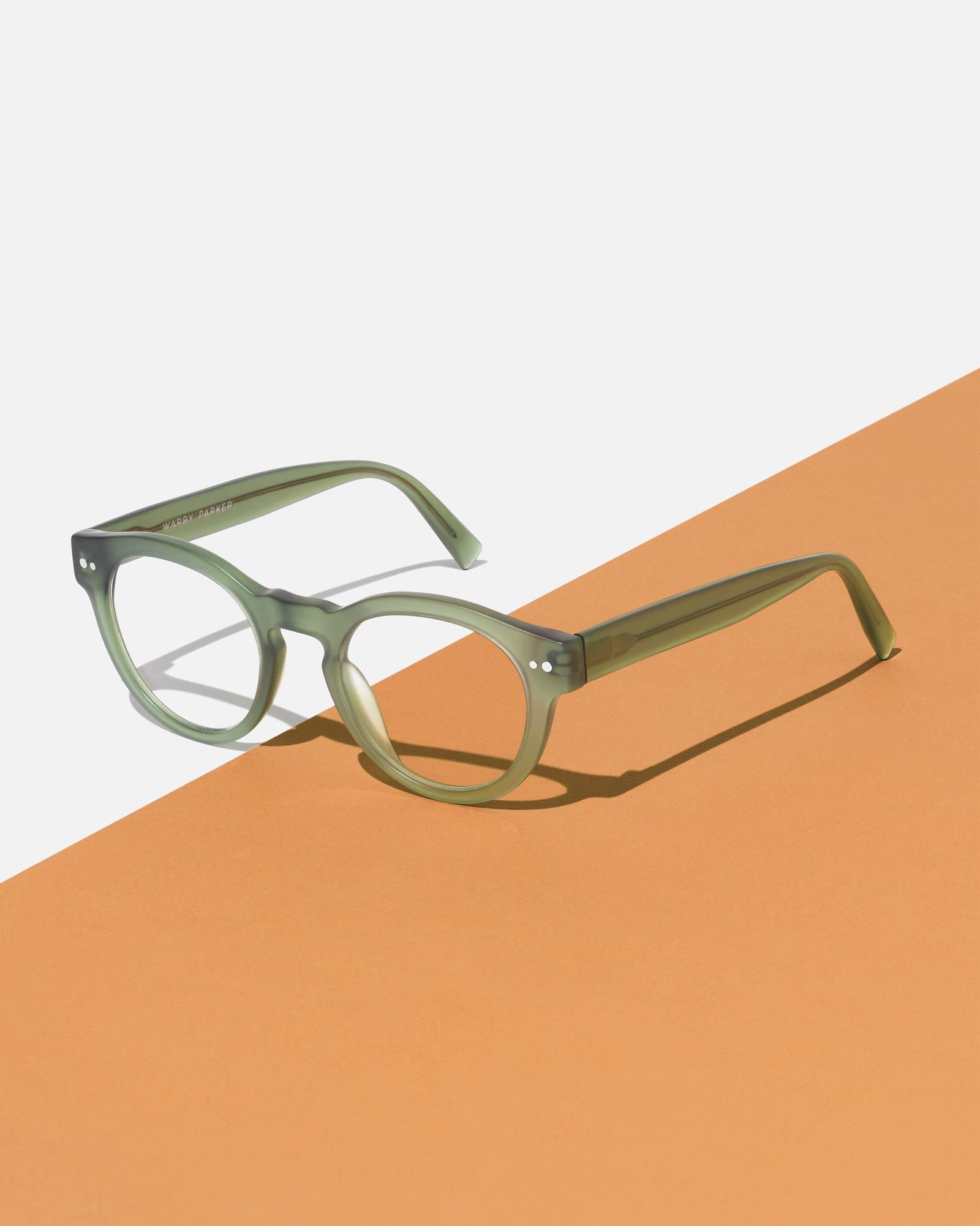
From cat-eyes to aviators to bookish, round numbers, we’ve got frames for every face
The No-Scavenger-Hunt Cost Checklist
Before booking, these can be helpful questions to ask.
- Appointment type: Is this price for a routine vision exam?
- Prescription: Does it include a glasses prescription?
- Contacts: Is a contact lens prescription separate?
- Insurance: Do you accept my plan or benefits?
- Extras: Are there possible additional fees?
- Afterward: How will I receive my prescription?
A few minutes of asking can prevent the thrilling hobby of decoding charges later.
Common Cost Surprises to Avoid
The first surprise is assuming every exam includes both glasses and contact lens prescriptions. It may not. Contact lens services can involve additional fitting or evaluation steps, so ask before booking.
Another surprise is comparing prices without comparing what’s included. One posted exam price may cover a routine glasses prescription exam, while another may involve different services. Insurance can also change what you pay out of pocket, depending on benefits, copays, deductibles, and provider participation.
And don’t forget the post-exam budget. Single-vision lenses, progressive lenses, and certain lens options can affect the final glasses price. Bring current glasses, insurance details, and prescription history if you have them; your future self will appreciate the paperwork cameo.
What Happens After the Exam: Budgeting for Frames and Lenses
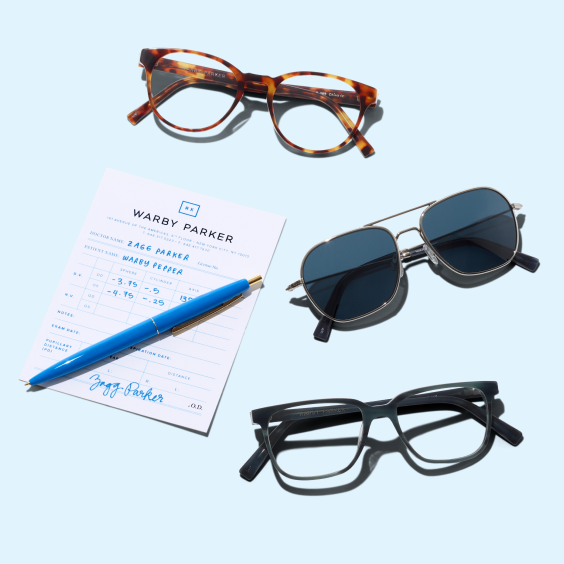
Once you have a current, valid prescription, the next cost is your glasses: frames plus prescription lenses. At Warby Parker, most frames with prescription lenses start at $95. Progressive lenses and some lens options may cost more.
Think about how you’ll use them. Work, reading, driving, all-day wear, and screen time can all shape what feels right. Single-vision lenses help with one field of vision. Progressive lenses support multiple distances when prescribed. The frame is the outfit, and the lens configuration is what makes it work for your eyes.
Showcase those peepers
All eyes deserve to see clearly. Frame them with glassses—or go with contacts.
Book, Browse, and Try On Without the Counter Pressure
If you need a new prescription, look for an eye exam at a participating Warby Parker store. If you already have one, you can start browsing eyeglasses right away.
Virtual Try-On helps you compare shapes, colors, and proportions before committing. Stores can help with fit, measurements, adjustments, and styling. Our lens guide can also make lens options feel less like a vocabulary quiz.
Does your child need glasses?
We’ve got fun-sized takes on classic shapes for ages 4 and up
Your Eye Exam Cost Is One Part of the Glasses Plan
Back to that moment before you book an appointment, when you’re trying to avoid turning a routine eye exam into an unexpected budgeting exercise. The takeaway is straightforward: treat the exam and the glasses as two separate decisions. First, understand exactly what the exam includes. Then, once you have your prescription in hand, evaluate frames and lenses on their own merits.
A few questions up front can save a surprising amount of confusion later. Ask what type of exam you’re scheduling, whether your insurance applies, whether contact lens fittings or evaluations are billed separately, what additional testing might be recommended, and how you’ll receive your prescription afterward. Five minutes of clarity before the appointment can prevent a much longer conversation at the checkout counter.
Whether you’re starting with an eye exam or already have a current prescription, the goal is the same: making informed choices. Finding the right pair of glasses should feel like selecting something that fits your vision, style, and budget.
Need a new pair of glasses?
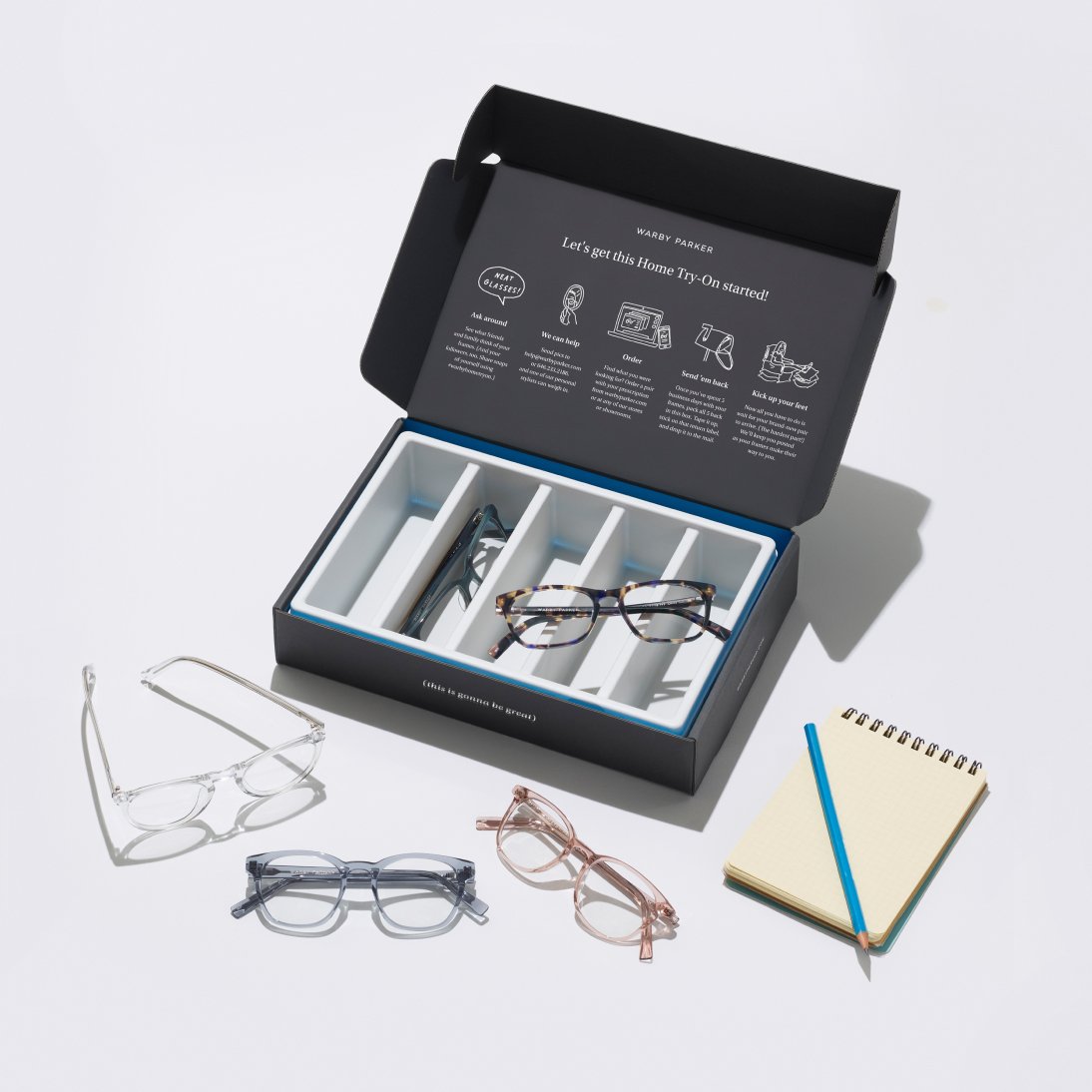
Vitually try on frames in the comfort of your own home
Legal Disclaimer
MEDICAL DISCLAIMER: This content is provided for educational and informational purposes only and is not intended as medical advice, diagnosis, or treatment. This information should not be used to replace professional medical care or consultation. Individual results may vary significantly. Always consult with a qualified healthcare provider before making any decisions about your health, vision, or medical treatment. Never disregard professional medical advice or delay seeking treatment because of information you have read on this website.
VISION CARE DISCLAIMER: Vision correction needs vary by individual. Consult an eye care professional for personalized assessment and recommendations.
FDA DISCLAIMER: These statements have not been evaluated by the Food and Drug Administration. This content is not intended to diagnose, treat, cure, or prevent any disease or medical condition.
PROFESSIONAL CONSULTATION REQUIRED: Only qualified eye care professionals can provide personalized recommendations for your specific vision needs and health conditions.
This article is for informational purposes only. It is not intended to provide medical advice or substitute for professional health services. Warby Parker complies with all HIPAA regulations regarding your health information. For personal health questions or concerns related to your vision or eyewear prescriptions, please consult a qualified healthcare provider.
How much does an eye exam typically cost without insurance?
It varies by location, provider, and exam type. A routine exam without insurance often falls around $50 to $250, but confirm local pricing before booking.
Does an eye exam include a glasses prescription?
A routine vision exam often includes a glasses prescription, but ask first. A contact lens prescription may require a separate exam or fitting appointment.
Is a contact lens exam more expensive than a glasses exam?
It can be. Contact lens services may include additional fitting or evaluation steps, which can affect the price.
Does insurance cover eye exam cost?
It depends on your plan, benefits, provider participation, and copay or deductible structure. Check your vision benefits before booking.
How much should I budget for glasses after an eye exam?
It depends on frames, lens type, and lens options. At Warby Parker, most frames with prescription lenses start at $95, while progressives and some options may cost more.