How to Advocate During an Eye Exam
Your exam is on the calendar. Your phone has reminded you twice. And somewhere between booking the appointment and showing up, a small part of your brain starts wondering whether you’re supposed to arrive fluent in optical terminology. You’re not. Eye exams are healthcare appointments, not vocabulary tests, and no one expects you to know the difference between astigmatism, dilation, and refraction before you walk through the door.
That uncertainty is common, especially if this is your first prescription, your first exam in years, or simply one more item on a long list of adult responsibilities. Many people know something feels off, such as headaches, blurry vision, eye strain, or trouble driving at night, but aren’t sure how to describe it. The good news is that you don’t need technical language to advocate for yourself. You just need to know how your eyes fit into your everyday life.
Is it time for new glasses?
Our prescription glasses start at $95 with free shipping
This guide focuses on the practical side of the appointment. We’ll cover what to bring, what questions are worth asking, how to explain the visual challenges you actually experience, and what information to leave with once the exam is over. The goal is to help you walk into the appointment with confidence and walk out with a clear understanding of your vision, your prescription, and your next steps, without the classic “Wait, what happens now?” moment at the counter.
Before the Exam: Bring the Details That Keep You From Guessing
Start with the obvious stuff that’s easy to forget: current glasses, prescription sunglasses, readers, or contacts if you use them. If you have an older prescription, bring it, too. If you don’t, that’s okay. You are not being graded on paperwork.
Before you go, jot down where vision feels harder: night driving, reading menus, laptop work, switching from phone to across-the-room, or squinting through meetings. Add your daily routine, work, school, commuting, hobbies, travel, and long screen sessions. A few phone notes can do a lot of heavy lifting.
Bring insurance or payment information if relevant, plus health history or medications only as requested by your eye care provider.
Looking for new lenses?
Our glasses include prescription lenses with scratch-resistant, anti-reflective coatings
In the Exam Room: Questions That Turn the Visit Into a Conversation
Advocating doesn’t mean challenging the provider. It means describing what you notice, asking for clarification, and confirming what your prescription means for everyday glasses. If you searched for how to advocate during an eye exam, this is the core move: make your real life part of the conversation.
Try asking:
- Prescription change: Has my prescription changed since my last exam?
- Intended use: Is this for distance, reading, everyday wear, or something else?
- Wear schedule: Should I expect glasses all day or mainly for certain tasks?
- Lens type: Are single-vision or progressive lenses worth discussing for my needs?
- Lens treatments: Should I consider glare reduction, scratch resistance, light responsiveness, or other everyday-use options?
- Plain language: Can you explain what these numbers mean?
And yes, you can say, “I’m new to this. Can you walk me through the next step?” A fine sentence. Very useful. Zero optical tap dancing required.
Say How You Actually Use Your Eyes, Not Just Whether You Can Read the Chart
The chart matters, but your Tuesday matters, too. Tell the eye care professional how you use your eyes: “I drive often, including at night,” “I move between laptop, phone, and meetings,” “I read for long stretches,” or “I want glasses I can comfortably wear every day.”
That context can guide conversations about lens type, frame comfort, field of vision, and lens treatments. Your provider guides the prescription and recommendations. Your job is to bring accurate context and ask questions.
After the exam, fit becomes part of the story. Frame width, bridge fit, temple length, and overall comfort matter because glasses need to work for the whole day, not just for one approving mirror glance. You can explore lens guides or browse prescription eyeglasses to see how lenses and frames come together.
Your Eyes Are Beautiful
Buy one prescription pair and save 20% on additional pairs—eyeglasses or sunglasses!
After the Exam: Turn Your Prescription Into Glasses Without the Awkward Pause
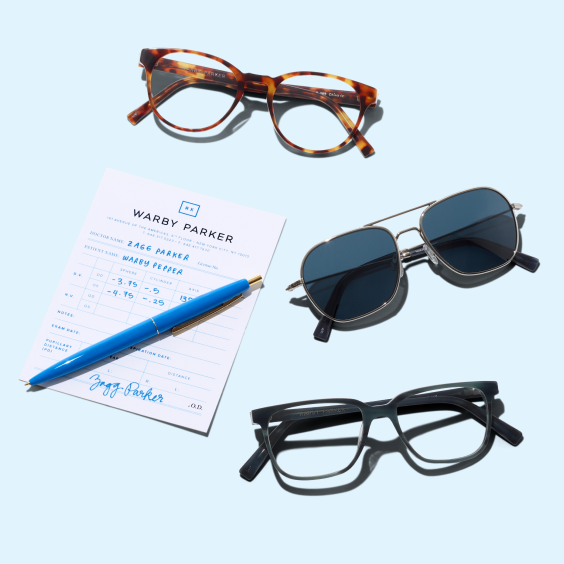
Before you leave, ask for a copy of your prescription. If numbers or abbreviations look mysterious, ask the provider to translate them in plain language. You may also encounter measurements like pupillary distance, plus frame details such as width, bridge fit, and temple length.
A simple post-exam path helps:
- Confirm use: Know what the prescription is for.
- Choose lenses: Follow provider guidance on single-vision, progressives, or readers if relevant.
- Compare treatments: Think glare reduction, durability, brightness management, and everyday usability.
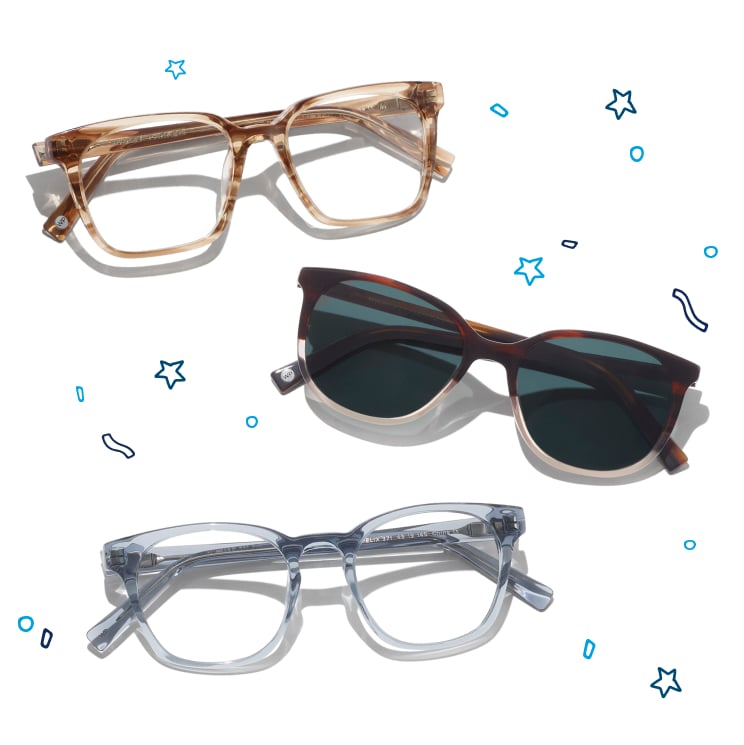
- Pick frames: Try round, square, rectangular, cat-eye, aviator-inspired, acetate, metal, bold, or minimalist styles.
- Check fit: Use virtual try-on or visit a store for help.
Common Eye Exam Mistakes That Make Glasses Shopping Harder
The biggest mistake is saying “everything’s fine” when certain tasks are not, in fact, fine. Be specific. Another common one: leaving without asking what the prescription is for. Distance? Reading? Everyday wear? Multifocal needs?
Don’t wait until frame-shopping to ask about lens options. Ask early. And don’t treat fit as decoration. Great-looking frames sit comfortably, match your prescription needs, and handle your routine. If you feel rushed, save your prescription, compare options, use virtual try-on, and ask for help.
Want new glasses?
Try on any pair virtually from home
Your Next Eye Exam Step Starts Before You Sit Down
Back to that appointment on your calendar: you don’t need to become an eye-care expert before you walk through the door. You don’t need to memorize terminology, study prescriptions, or learn the anatomy of the eyeball. Your job is much simpler. Bring your current glasses or contacts, pay attention to the moments when your vision helps or hinders you, and be ready to describe what everyday life actually looks like through your eyes.
The most useful information often isn’t technical. It’s practical. Maybe road signs seem fuzzy at night. Maybe your eyes feel tired after a day of staring at a screen. Maybe you’re holding menus farther away than you used to. Those real-world details help create a clearer picture than any specialized vocabulary ever could. Ask questions in plain language, make sure you understand your prescription, and leave knowing exactly what your options are for glasses or contacts moving forward.
At the end of the process, remember that glasses aren’t a concession or a compromise. They’re a tool, part healthcare, part personal style, part daily equipment. The right pair doesn’t change who you are. It helps you move through the world with a little more clarity, a little more comfort, and a little less effort. In that sense, better vision isn’t about becoming someone new. It’s about seeing the world, and yourself, more clearly.
Does your child need glasses?
We’ve got fun-sized takes on classic shapes for ages 4 and up
Legal Disclaimer
MEDICAL DISCLAIMER: This content is provided for educational and informational purposes only and is not intended as medical advice, diagnosis, or treatment. This information should not be used to replace professional medical care or consultation. Individual results may vary significantly. Always consult with a qualified healthcare provider before making any decisions about your health, vision, or medical treatment. Never disregard professional medical advice or delay seeking treatment because of information you have read on this website.
VISION CARE DISCLAIMER: Vision correction needs vary by individual. Consult an eye care professional for personalized assessment and recommendations.
FDA DISCLAIMER: These statements have not been evaluated by the Food and Drug Administration. This content is not intended to diagnose, treat, cure, or prevent any disease or medical condition.
PROFESSIONAL CONSULTATION REQUIRED: Only qualified eye care professionals can provide personalized recommendations for your specific vision needs and health conditions.
This article is for informational purposes only. It is not intended to provide medical advice or substitute for professional health services. Warby Parker complies with all HIPAA regulations regarding your health information. For personal health questions or concerns related to your vision or eyewear prescriptions, please consult a qualified healthcare provider.