If your current glasses feel like they enter the room before you do, it may be time for a lighter touch. Minimalist prescription glasses keep the focus on your face instead of your frames.
This guide will help you understand what “minimalist” really means in eyewear and how to choose a pair that flatters your face, suits your lifestyle, and feels good to wear.
We’ll break down the core elements of minimalist prescription glasses,fit, materials, and design,so you can see how frames can quietly complement your style while your lenses provide vision correction.
By the end, you’ll have a clearer sense of which minimalist frame types to consider, how to think about pairing them with your prescription and face shape, and what details to consider when choosing a pair you’ll reach for often.
Why Minimalist Prescription Glasses Are So Popular
Minimalist eyewear has surged because many people want their glasses to enhance, not hide, their natural features. In a world of constant video calls and social media snapshots, subtle frames can feel more timeless and versatile than bold statement styles.
Minimalist prescription glasses also fit easily into capsule wardrobes and pared-back aesthetics. Whether you’re in a creative field or a corporate environment, low-profile frames can work with almost any outfit, from a T-shirt and denim to a tailored suit.
For people who prefer a lighter look and feel, lightweight materials and slim profiles may feel lighter on the nose and ears, so your glasses can feel less noticeable over the course of the day.
Key Features of Minimalist Prescription Glasses
Minimalist frames are often chosen for their balance of understated looks and everyday usability. The first element to consider is frame material. Ultra-thin metal (like stainless steel or titanium), rimless mountings, and slim acetate all offer a clean, uncluttered look. These materials keep visual weight low while still holding your prescription lenses.
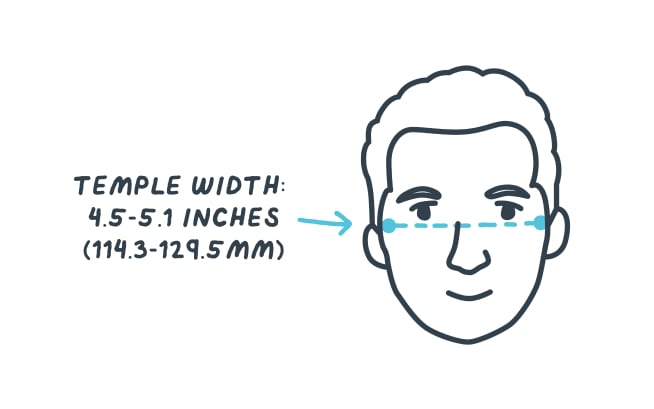
Next comes fit. Glasses should align with your facial proportions and sit comfortably at the bridge without slipping or pinching. Measurements like lens width, bridge width, and temple length all affect how a frame feels and how well the lenses line up with your eyes. Even the most stylish minimalist frame may not feel or look the way you want if the size is off.
You’ll also want to think about lens thickness. Higher prescriptions can create thicker lens edges, which sometimes show more in ultra-slim or rimless designs. In those cases, choosing slightly smaller lenses or a thin full-rim can keep your look sleek while visually reducing bulkier edges.
Finally, consider how minimal you truly want to go. Some people love fully rimless or nearly invisible wire frames; others prefer understated, thin acetate that still offers a bit of defined shape. The right choice is the one that feels like you, with the level of visual presence you’re most comfortable with.
Minimalist Styles: Rimless, Wire, and Thin Acetate
Minimalist prescription glasses come in a few core silhouettes, each with its own look and practical considerations.
Rimless glasses attach lenses directly to the bridge and temples with discreet hardware, creating an almost invisible look. Psychological research on the effects of full‑rim and rimless glasses on face perception has shown that different frame styles can be associated with differences in how people are perceived, including traits like intelligence, trustworthiness, and attractiveness.
Wire frames offer a touch more presence while staying very light. Think ultra-thin round, oval, or square contours in gold, silver, or black. They work especially well if you like a slightly retro or intellectual vibe that still feels modern.
- Rimless: often chosen for maximum subtlety and a “no-glasses” appearance.
- Semi-rimless: a minimalist upper rim with open bottoms; a good middle ground between rimless and full-rim.
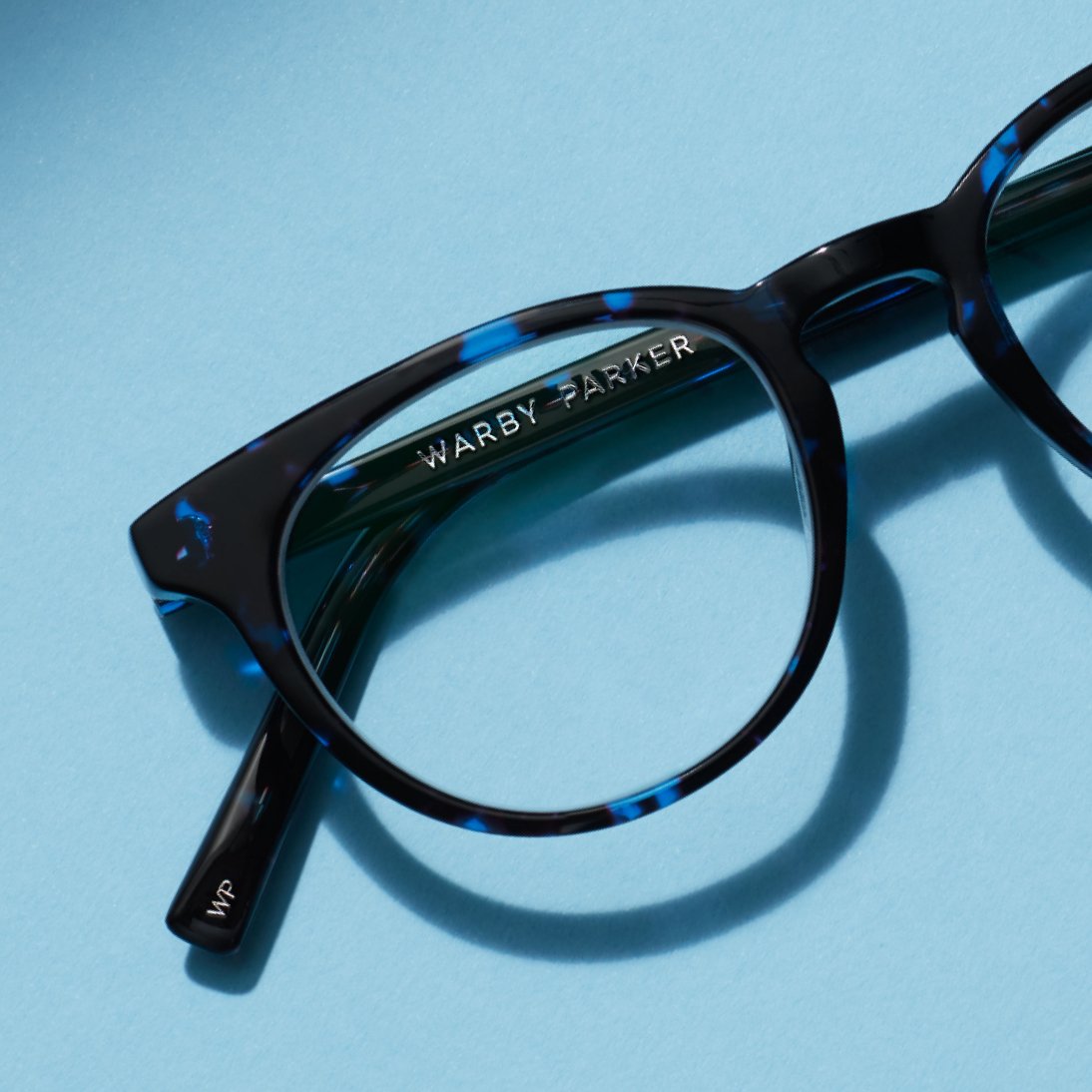
- Thin acetate: soft, modern lines with a little color and structure.
- Titanium wire: often very light and flexible, and commonly worn throughout the day.
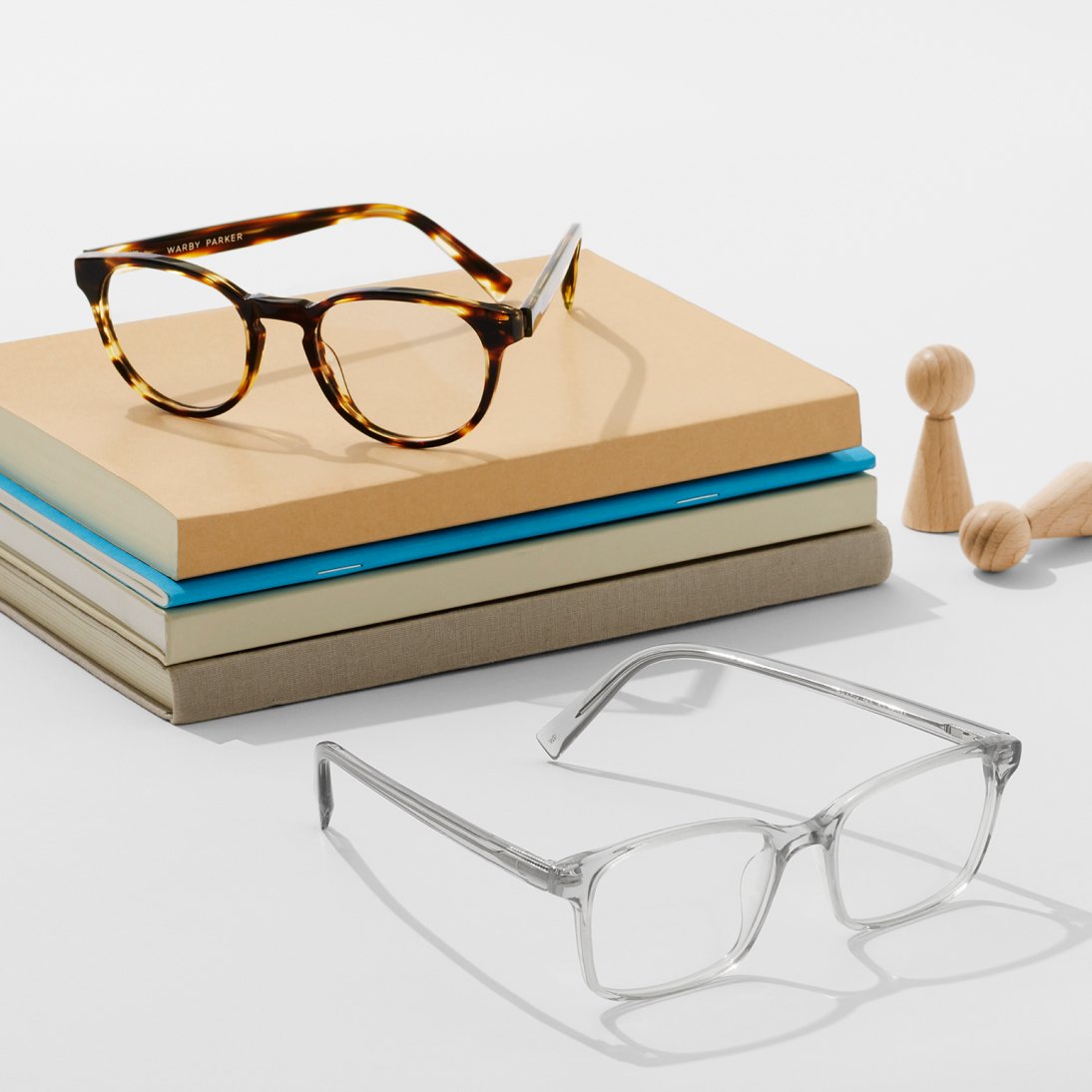
Thin acetate frames are a good option if you enjoy clean lines but don’t want your glasses to vanish entirely. Slim, translucent, or neutral-toned acetates can complement many face shapes and work well with a wide range of prescriptions.
Minimalist Prescription Glasses
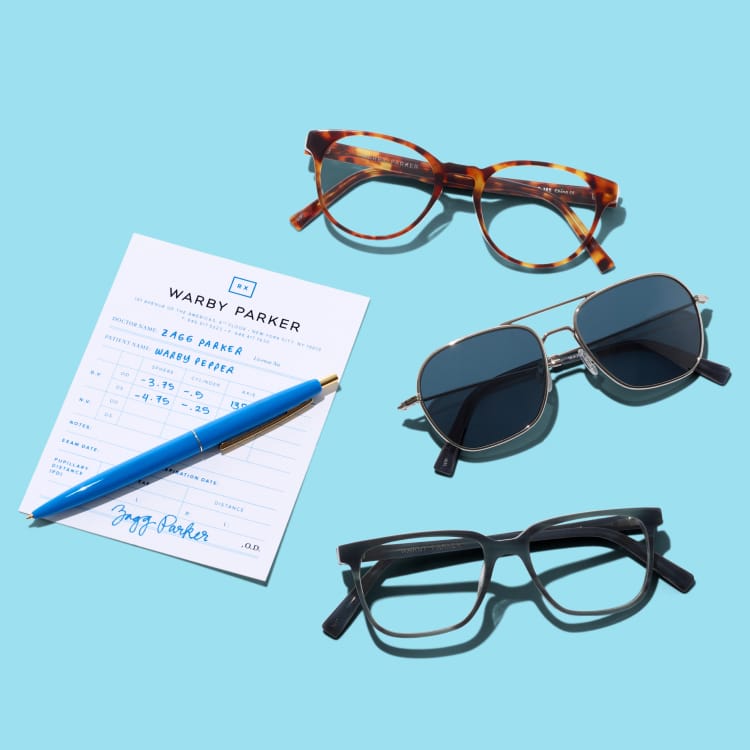
Minimalist prescription glasses combine vision correction with a low-key, versatile look. By paying attention to materials, fit, and how much visual presence you want, you can find a pair that fits your prescription needs and your personal aesthetic.
Your next step is to narrow down two or three minimalist styles – rimless, wire, or thin acetate – and try them in a size that works for your face and prescription. Notice which frames feel barely there, stay in place as you move, and blend easily with your everyday wardrobe.
If you’re still deciding between styles, share photos or questions with a stylist, optician, or trusted friend to get feedback on which minimalist look feels most like you.
Citations
The Effect of Wearing Eyeglasses on the Perception of Attractiveness, Confidence, and Intelligence – https://pubmed.ncbi.nlm.nih.gov/35494914/
Legal Disclaimer
MEDICAL DISCLAIMER: This content is provided for educational and informational purposes only and is not intended as medical advice, diagnosis, or treatment. This information should not be used to replace professional medical care or consultation. Individual results may vary significantly. Always consult with a qualified healthcare provider before making any decisions about your health, vision, or medical treatment. Never disregard professional medical advice or delay seeking treatment because of information you have read on this website.
VISION CARE DISCLAIMER: Vision correction needs vary by individual. Consult an eye care professional for personalized assessment and recommendations.
FDA DISCLAIMER: These statements have not been evaluated by the Food and Drug Administration. This content is not intended to diagnose, treat, cure, or prevent any disease or medical condition.
PROFESSIONAL CONSULTATION REQUIRED: Only qualified eye care professionals can provide personalized recommendations for your specific vision needs and health conditions.
This article is for informational purposes only. It is not intended to provide medical advice or substitute for professional health services. Warby Parker complies with all HIPAA regulations regarding your health information. For personal health questions or concerns related to your vision or eyewear prescriptions, please consult a qualified healthcare provider.
Are minimalist prescription glasses durable enough for daily wear?
Many minimalist frames are designed with everyday use in mind. Sturdy metals, well-constructed hinges, and secure lens mountings can all contribute to a durable frame. Materials like titanium, stainless steel, or high-quality acetate are often used to create slim silhouettes that still feel solid in hand.
Can high prescriptions work in minimalist frames?
In many cases, higher prescriptions can be used in minimalist frames, especially when you choose smaller lens shapes or thin full-rim styles that visually reduce thicker lens edges. An eye care professional can help you understand which minimalist designs are compatible with your specific prescription.
What face shapes suit minimalist prescription glasses?
Most face shapes can wear minimalist frames. Round faces may pair well with angular wire or rectangle shapes, while square faces are often balanced by round or oval rims. Ultimately, the best choice comes down to your personal taste and how you like your frames to look on your face.
Are rimless glasses better than thin wire frames?
Neither style is universally “better.” Rimless frames tend to be the most visually subtle, while thin wire frames add a bit more outline and character. Your decision may depend on your style preferences, how much frame visibility you want, and what works well with your prescription and daily routine.
Do minimalist frames feel more comfortable?
They can for some wearers. Lightweight materials and slim designs may feel lighter on the nose and ears compared with chunkier styles. Comfort also depends on frame fit, nose pad design, and how your glasses are adjusted for you.
How do I help keep minimalist glasses from slipping?
Choosing an appropriate frame size, paying attention to bridge fit, and working with an optician to adjust the nose pads and temples may help the frame stay in place and feel more comfortable. Small adjustments can make a noticeable difference in how secure your glasses feel.