Oversized Sunglasses: Big Style, Smart Fit
Some eyeglass styles are made to be mostly unnoticed. They blend with your features, and don’t take over your look. Oversized sunglasses, however, are not so quiet. They can turn any outfit into a strong statement about who you are. Done well, they are flattering, confident, and distinctly modern.
This guide is designed to help you enjoy the drama of big frames without sacrificing day-to-day comfort or practical considerations like UV labeling. Whether you are upgrading your everyday pair or hunting for a vacation-ready style, you can explore how to balance bold shapes with a practical, long-lasting fit.
We will walk through how to choose oversized sunglasses that are labeled for UV filtering in line with public health recommendations, how to think about frame proportions, and what to consider for fit. By the end, you will have a clearer sense of what to look for beyond the quick mirror test.
Glare beware
Get polarized lenses with your prescription sunglasses
We will also touch on why lens coverage matters, how to pick frame proportions that feel intentional, and details like bridge fit and temple length that can help you find pairs you reach for again and again.
Why Oversized Sunglasses and UV Labeling Matter
Oversized sunglasses naturally cover more of the area around your eyes, which means they can cover more of the surrounding skin and reduce the amount of light entering from the sides.
Coverage alone, however, is not enough to understand how lenses interact with sunlight. Dark lenses that do not properly filter UV may let in more UV light than you expect because your pupils can open wider behind them.
When you shop, try not to focus only on how dark the lens looks. Instead, check the packaging or product description. If you are unsure how to interpret a label, consider asking an eye care professional to explain what the markings mean. Many people think of sunglasses the way they think about sunscreen or hats: something they use frequently, not just at the beach, and worth a bit of extra attention when choosing.
Want to try sunglasses? It's free.
Virtually try on sunglases—anytime, anywhere
Finding the Right Proportion and Face-Flattering Shape
Oversized does not mean “one size fits all.” Many people find that the most appealing pairs are big enough to feel intentional, but still in proportion to their features. Fashion editors often note that oversized sunglasses can suit a wide range of face shapes when chosen with proportion in mind: large enough to extend slightly beyond the outer corners of your eyes, without sitting far beyond your temples or resting on your cheeks.
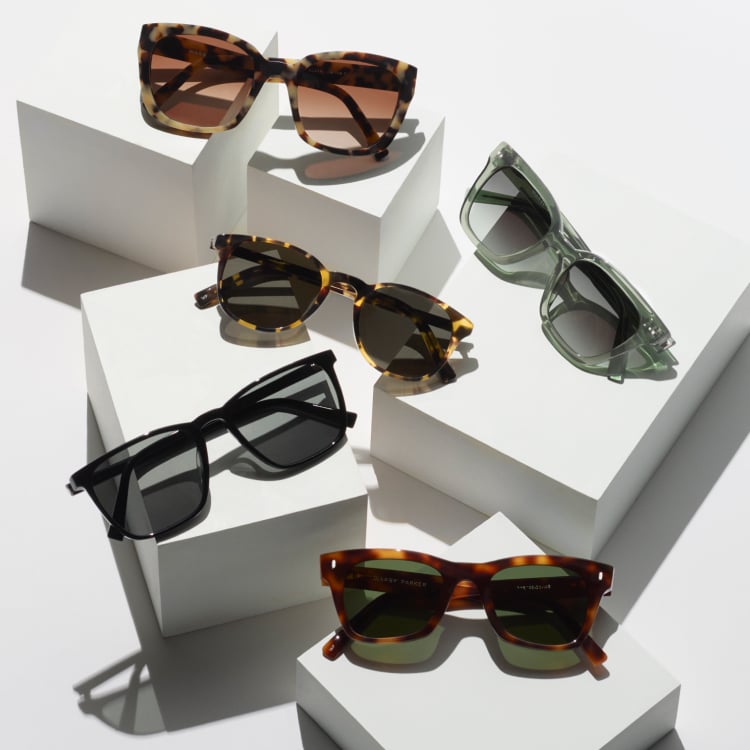
As a starting point, think about balance. Round faces may find that angular or square oversized frames can create a more structured look. Square or angular faces may pair well with rounder or oval lenses that introduce softer lines. Heart-shaped faces may find that cat-eye or butterfly silhouettes echo the natural lift at the cheekbones. Oval faces often work with a wide range of big styles, from square to round to aviator.
- Check width: The frame should not bow outward at the temples or leave large gaps at the sides.
- Watch the cheeks: If the lower rim rests on your cheeks when you smile, you may want to adjust the fit or try a smaller size.
- Mind the brow line: Frames that sit just below or slightly overlap your brows usually look intentional rather than costume-like.
- Test different shapes: Square, round, aviator, and cat-eye all create different moods, even at similar sizes.
Think of “oversized” as a spectrum. Slightly enlarged lenses can feel polished and easy to wear day to day. Very large, fashion-forward frames may be fun for occasional statements but can feel more prominent on small or narrow faces. Trying a few sizes side by side, particularly in photos, can help you see what feels bold but still like you.
Protect those peepers!
Our sunglasses come with a scratch-resistant coating and block 100% of UV rays
Comfort, Fit, and Lens Options
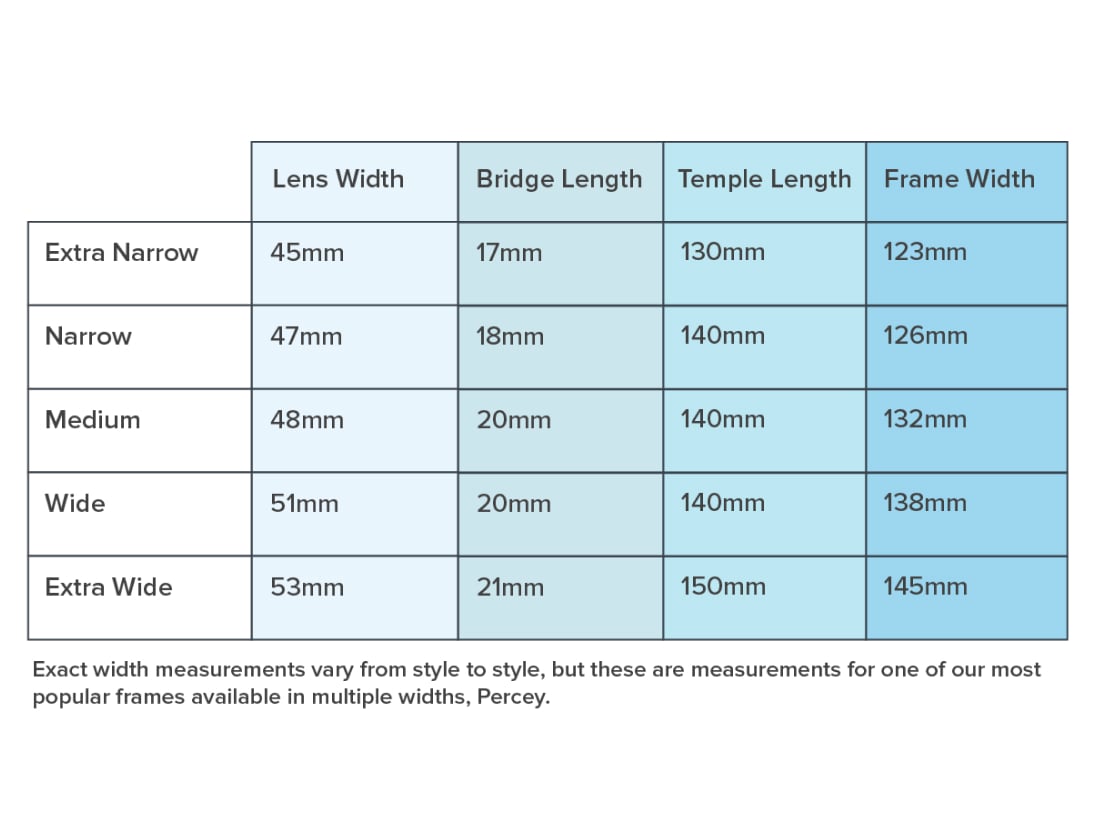
Even the most stylish oversized sunglasses may end up in a drawer if they feel uncomfortable. Start with the bridge: It should rest evenly on your nose without sliding down or creating noticeable pressure points. Adjustable nose pads can help customize fit, especially if you have a low or narrow bridge.
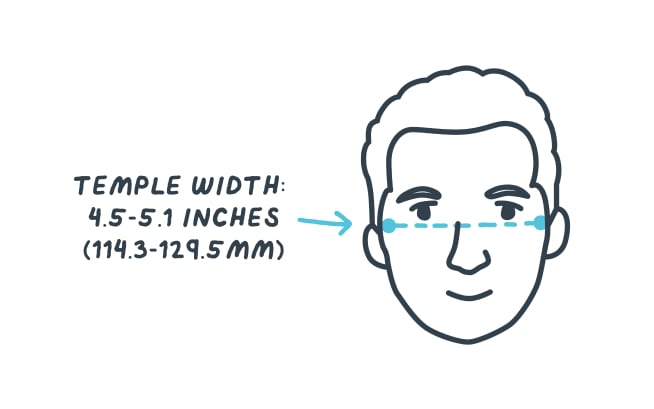
Next, check temple length and curve. The arms should follow the contour of your ears without squeezing. Heavier acetate frames can look and feel substantial, but if they seem heavy on the nose after a few minutes, you might consider a slightly thinner profile or lighter material. Oversized designs distribute weight differently, so taking a short walk while trying them on can be helpful.
Need sunglasses?
Protect those peepers from the sun’s harmful rays with 100% UV-blocking sunglasses
Final Thoughts on Oversized Sunglasses
When chosen thoughtfully, oversized sunglasses can offer more than a single fashion moment. They can offer additional coverage, a frame style that complements your features, and comfort that works for day-to-day wear.
As you compare styles, you might focus on clear labeling, materials that feel good on your skin, and lens options that match how and where you plan to wear your sunglasses. Treating your next pair as a daily accessory rather than a once-in-a-while purchase may help you get more value and wear out of your choice.
If you are exploring oversized sunglasses now, you can use this guide as a checklist while you browse, or share it with a friend who is curious about trying a bolder frame. The right pair should feel like you, just with a little more confidence and a different look in bright conditions.
Protect those peepers
Our sunglasses provide 100% UV protection
Legal Disclaimer
MEDICAL DISCLAIMER: This content is provided for educational and informational purposes only and is not intended as medical advice, diagnosis, or treatment. This information should not be used to replace professional medical care or consultation. Individual results may vary significantly. Always consult with a qualified healthcare provider before making any decisions about your health, vision, or medical treatment. Never disregard professional medical advice or delay seeking treatment because of information you have read on this website.
VISION CARE DISCLAIMER: Vision correction needs vary by individual. Consult an eye care professional for personalized assessment and recommendations.
FDA DISCLAIMER: These statements have not been evaluated by the Food and Drug Administration. This content is not intended to diagnose, treat, cure, or prevent any disease or medical condition.
PROFESSIONAL CONSULTATION REQUIRED: Only qualified eye care professionals can provide personalized recommendations for your specific vision needs and health conditions.
This article is for informational purposes only. It is not intended to provide medical advice or substitute for professional health services. Warby Parker complies with all HIPAA regulations regarding your health information. For personal health questions or concerns related to your vision or eyewear prescriptions, please consult a qualified healthcare provider.
Need Glasses?
Shop prescription glasses starting at $95