Polarized Prescription Sunglasses | Overview for Bright Conditions
We all know that early morning, bright sunlight on the road, water, or snow makes it harder to see what is right in front of you. And if you already wear glasses, that reflected light can feel especially distracting.
This article explains what polarized prescription sunglasses are and how they are commonly used in bright outdoor settings, such as driving, travelling, or spending time on the water or in the snow.
Sunglasses in a snap
We offer Clip-Ons—available in many sizes and colors—that fit our bestselling frames
We will outline how polarized prescription sunglasses work in general terms, how they differ from standard tints, and what to consider in lenses, coatings, and frames so you can have an informed conversation with your eye care professional.
This guide covers common features, general limitations, and buying checkpoints, plus brief answers to questions people often ask when exploring this type of eyewear.
How Polarized Prescription Sunglasses Work
Glare often occurs when bright light reflects off relatively flat surfaces like water, roads, glass, or snow and reaches your eyes in a concentrated way. Polarized lenses use a filter that is intended to reduce much of this horizontally reflected light, which can lessen the appearance of intense shine and help maintain visibility of details.
Prescription polarization uses the same basic principle. A corrective prescription can be incorporated into the lens, and a polarizing filter can be integrated so the lens provides both prescription power and polarization in one pair of sunglasses.
Want to try sunglasses? It's free.
Virtually try on sunglases—anytime, anywhere
It is important to know that polarization and UV filtering are separate features. Polarization addresses how reflected light is filtered; UV coatings are designed to address ultraviolet (UV) light. When you choose polarized prescription sunglasses, check the product information to see how much UVA and UVB filtering the lenses are designed to provide and discuss options with your eye care professional.
In day-to-day use, many people notice differences from polarization most in high-glare settings such as midday driving, boating, beach trips, skiing, or walking on bright city streets. In these situations, reflected surfaces may appear less intense, with textures and contrast that can be easier to see compared with non-polarized lenses.
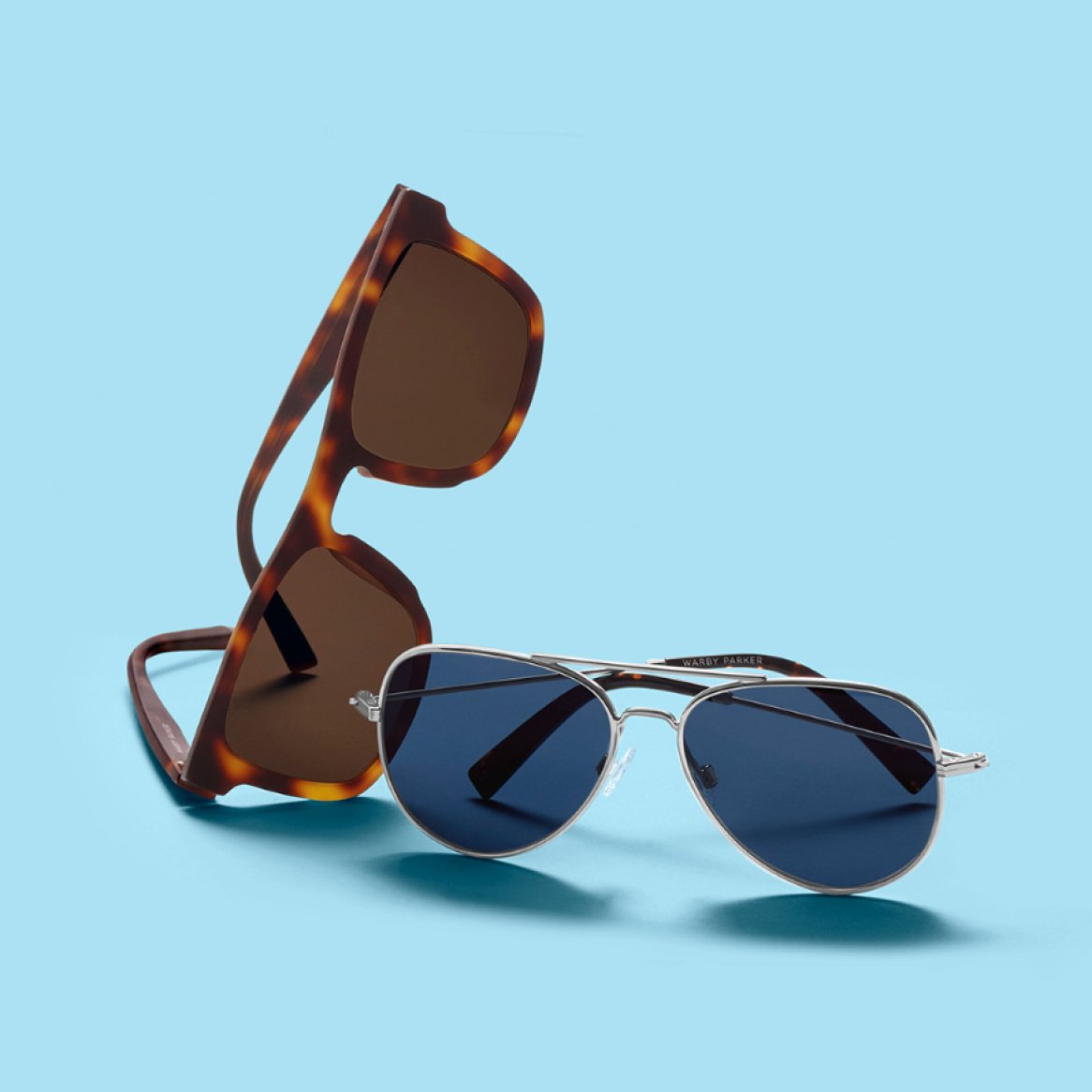
Sunglasses have come a long way
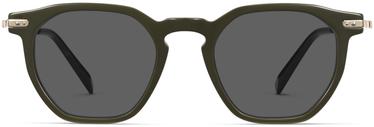
We have endless shapes and colors to choose from
Common Uses for Drivers, Commuters, and Outdoor Lifestyles
For many people, driving is a primary reason to consider polarized prescription sunglasses. On sunny days, light bouncing off asphalt, car surfaces, and windscreens can be visually distracting. Some studies of road environments report that polarized sunglasses can reduce the amount of reflected light from the road surface, resulting in a darker appearance and reduced glare. This information can be helpful background when you talk with your eye care professional about eyewear for driving in bright daylight.
Glare from water, snow, or sand is another common situation in which people choose polarized lenses. Reflections from these surfaces can be intense and visually tiring for some people. Some summaries from health and vision experts note that the described advantages of polarized lenses include reduced reflected glare and changes in the way contrast appears, particularly in bright outdoor conditions. Individual experiences can vary.
Everyday wearers may also prefer certain visual characteristics associated with polarized lenses in bright light. People who spend a lot of time commuting, travelling, or outdoors sometimes choose polarized prescription sunglasses so they have both prescription power and a lens type designed for high-reflection environments in a single pair. Polarized prescription sunglasses can be good for:
- Daytime driving in bright sun or after rain, where reflected light from the road and vehicles can be noticeable.
- Time on water or snow, such as sailing, fishing, or skiing, where surfaces can reflect a large amount of light.
- Outdoor activities like walking or exercising on bright days, when you prefer sunglasses designed for strong sunlight.
- Travel and holidays, when you may encounter a variety of bright environments.
What to Look For When You Buy
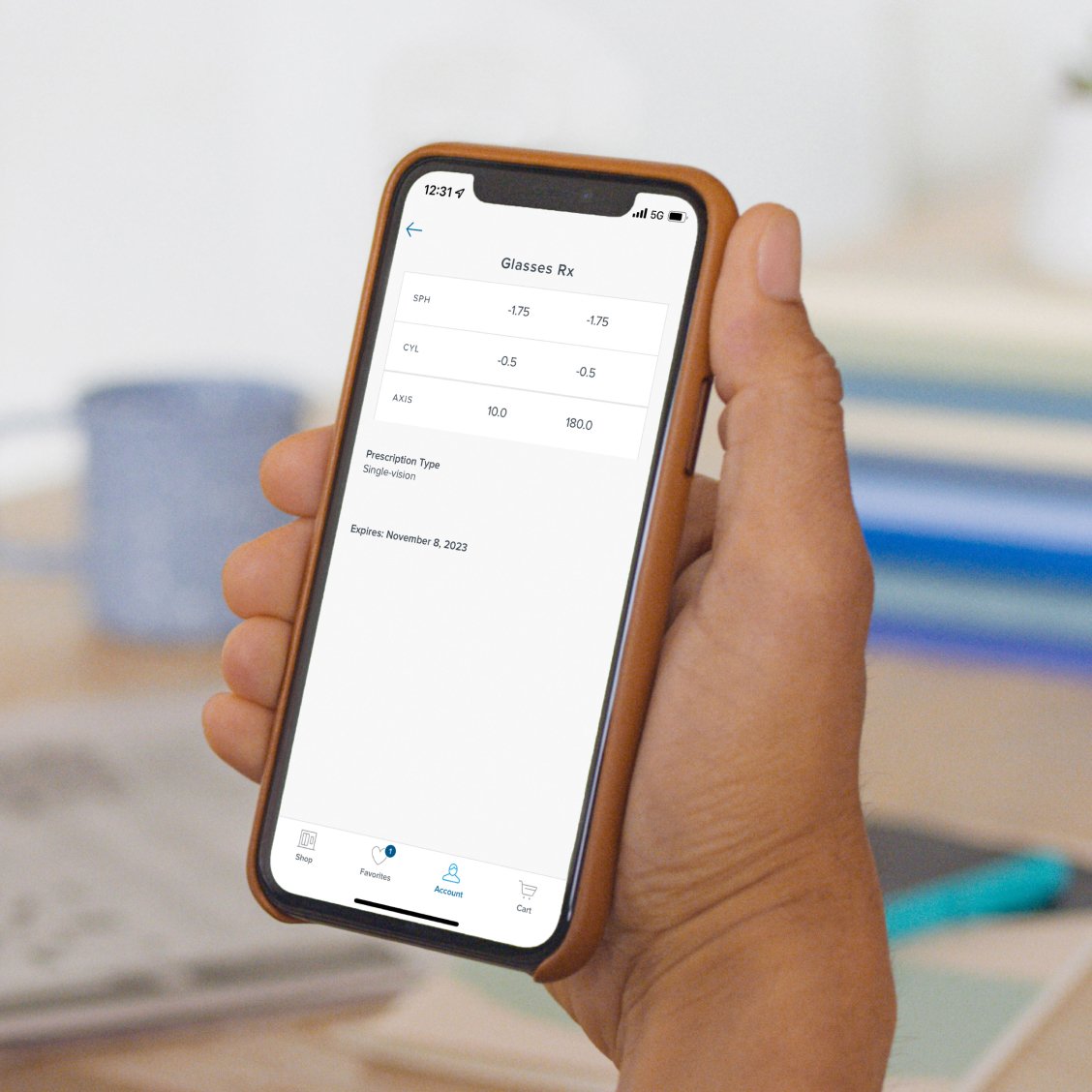
Start with your prescription eyewear needs. It is generally a good idea to have a current prescription and to discuss when and where you plan to use your polarized sunglasses most. Your eye care professional can explain lens materials (such as lightweight polycarbonate or high-index options) and how they relate to thickness, weight, and appearance.
Next, confirm three lens considerations: whether the lenses are polarized, what level of UVA/UVB filtering they are designed to provide, and the tint density. Many people choose medium-to-dark sunglass tints for bright daylight, while lighter tints are often used in lower-light or overcast conditions rather than for intense glare.
Then consider optional features. Reflection resistant coatings on the back surface are designed to reduce light reflecting from behind you. Scratch-resistant coatings are designed to help the lenses stand up to everyday wear and tear. If you move frequently between indoors and outdoors, you might prefer to have a separate clear pair for indoor use, as polarized sunglasses are intended for bright conditions and are not intended for night driving or low-light tasks. Your eye care professional can help you think through what combination matches your routine.
What to Remember on Polarized Prescription Sunglasses
Polarized prescription sunglasses combine a prescription lens with a polarizing filter in a single pair of sunglasses that is intended for bright, reflective environments. When paired with sunglass lenses that are labelled as providing a high level of UVA and UVB filtering, they can be one way to address both prescription needs and sun exposure to the eyes in daylight. Product labels and specifications will indicate the level of UV filtering a particular lens is designed to provide.
Your next step is to speak with your eye care professional about your driving habits, outdoor activities, and style preferences so they can walk you through available options for lens materials, tint levels, polarization, and coatings. Trying on a few frame shapes can also help you find a fit that feels secure and comfortable for the way you plan to wear your sunglasses.
If you still have questions, use the FAQs below as a general guide, then bring them to your appointment or share this article with someone else who is considering polarized prescription eyewear.
Need sunglasses?
Protect those peepers from the sun’s harmful rays with 100% UV-blocking sunglasses
Legal Disclaimer
MEDICAL DISCLAIMER: This content is provided for educational and informational purposes only and is not intended as medical advice, diagnosis, or treatment. This information should not be used to replace professional medical care or consultation. Individual results may vary significantly. Always consult with a qualified healthcare provider before making any decisions about your health, vision, or medical treatment. Never disregard professional medical advice or delay seeking treatment because of information you have read on this website.
VISION CARE DISCLAIMER: Vision correction needs vary by individual. Consult an eye care professional for personalized assessment and recommendations.
FDA DISCLAIMER: These statements have not been evaluated by the Food and Drug Administration. This content is not intended to diagnose, treat, cure, or prevent any disease or medical condition.
PROFESSIONAL CONSULTATION REQUIRED: Only qualified eye care professionals can provide personalized recommendations for your specific vision needs and health conditions.
This article is for informational purposes only. It is not intended to provide medical advice or substitute for professional health services. Warby Parker complies with all HIPAA regulations regarding your health information. For personal health questions or concerns related to your vision or eyewear prescriptions, please consult a qualified healthcare provider.
Are polarized prescription sunglasses used for driving?
Many people choose polarized prescription sunglasses for daytime driving because they prefer how the lenses handle reflected light from the road and surrounding surfaces. The suitability of polarized lenses for your driving needs can depend on your vehicle, local conditions, and personal preferences, so it is important to discuss this with your eye care professional.
Do polarized prescription sunglasses filter UV rays?
Not automatically. Polarization and UV filtering are separate lens features. Polarization relates to how reflected light is filtered, while UV coatings are designed to address ultraviolet light. Look for product information stating that the lenses are intended to filter 99-100% of UVA and UVB.
Can I wear polarized prescription sunglasses at night?
Polarized prescription sunglasses are generally designed for bright daytime conditions. Because sunglass lenses reduce the overall amount of light reaching your eyes, they are not intended for night driving or most low-light activities. Follow the guidance of your eye care professional regarding what eyewear to use in different lighting conditions.
Will polarized lenses affect screens or dashboards?
Some LCD and digital displays can look darker or show rainbow-like patterns through polarized lenses. If this is a concern for you, consider testing your car displays or devices with a sample pair of polarized lenses, or ask your eye care professional for advice.
What is the difference between tinted and polarized prescription sunglasses?
Tinted lenses are designed primarily to darken the view by reducing overall brightness. Polarized lenses also use a filter that is intended to manage reflected light from certain surfaces. Both can be made with prescription power; the choice between them depends on your preferences and how you plan to use your sunglasses.
Need Glasses?
Shop prescription glasses starting at $95