Ordering eyewear online can feel a little anxiety-producing sometimes. Will the lenses really match your prescription? Will the frames fit comfortably? What kind of lens do you need, and what about prescription sunglasses, do I need those, too?
This guide is designed to help you shop for eyewear online with way more confidence, and ensure that you get a style you like.
You will find a simple, step-by-step overview that covers your prescription details, lens options, and frame fit.
We will walk through what to check before you order, how to compare product information, which labeling details to look for, and how to do a quick check when your sunglasses arrive.
Step 1: Get Your Prescription and Key Measurements Ready
The first step is making sure you have a valid, up-to-date eyeglass prescription. In many places, prescriptions are typically valid for one to two years; if yours has expired, book an eye exam before you shop.
When you look at your prescription, you may see sphere (SPH), cylinder (CYL), axis, and any prism values listed. You will also need your pupillary distance (PD), which is used to help determine where to place your lenses in the frame. Some prescriptions include PD; if not, you can ask your provider to add it.
Keep this information handy in digital form before you start browsing. Many sites let you upload a photo or PDF of your prescription, while others ask you to type the numbers in directly. Entering this information carefully can help reduce the chance of order changes or returns later on.
Step 2: Get Familiar With Lens Options and Labels
Once your prescription is ready, the next decision is lenses. With so many upgrades advertised, it can help to focus on a few basics.
For sunglasses, UV-related labeling is a key detail to look for. Many eye-health organizations describe sunglasses that filter 99-100% of UVA and UVB rays as providing strong UV filtering. Product descriptions may use terms like “100% UVA/UVB” or “UV400” to indicate this. Independent groups advise choosing sunglasses that meet recognized standards for UV filtering and optical quality, so it can be helpful to look for specific labeling rather than vague phrases.
- Polarized vs. non-polarized: Polarized lenses are designed with a special filter and can help reduce glare from surfaces like water, roads, and snow. Some people prefer them for driving and outdoor activities.
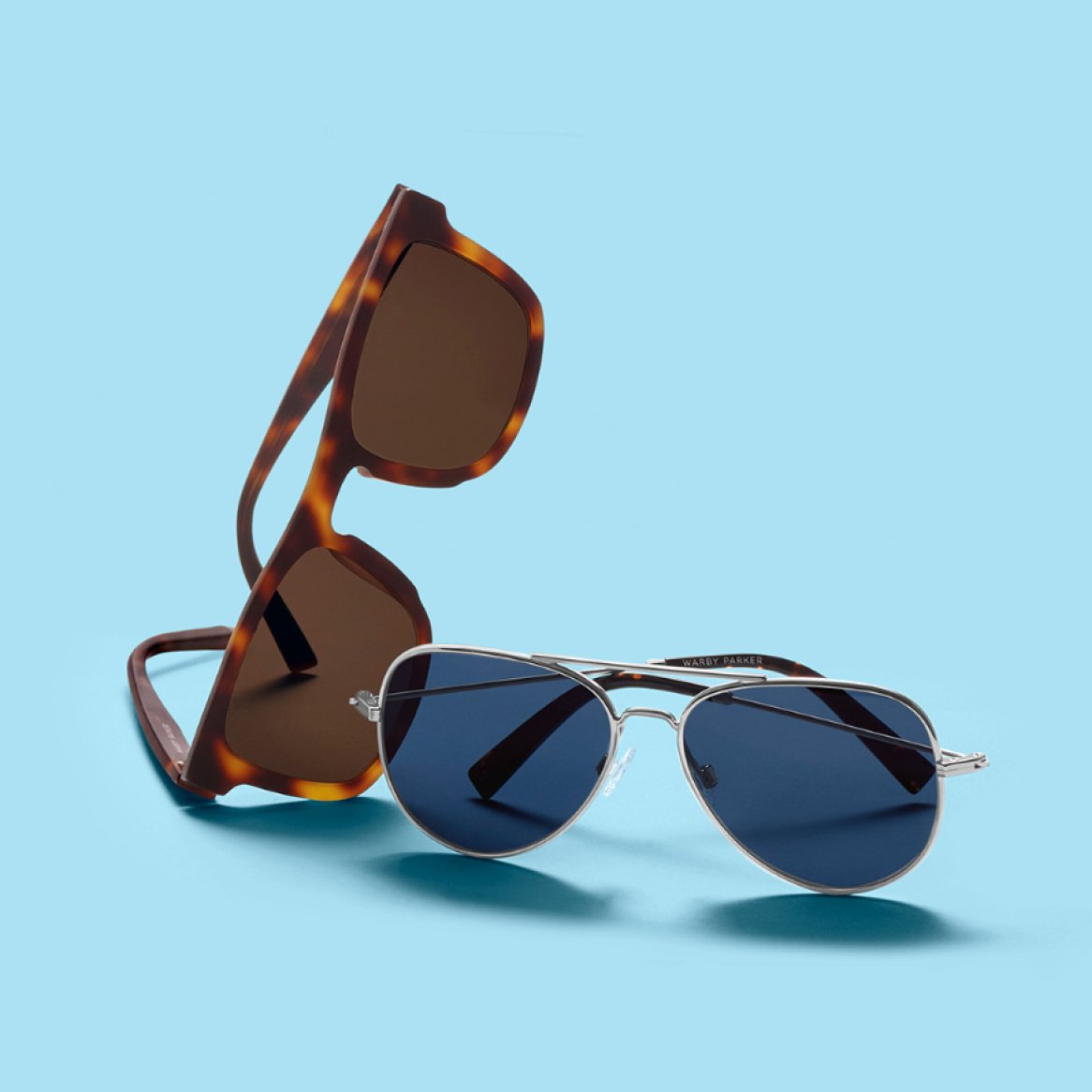
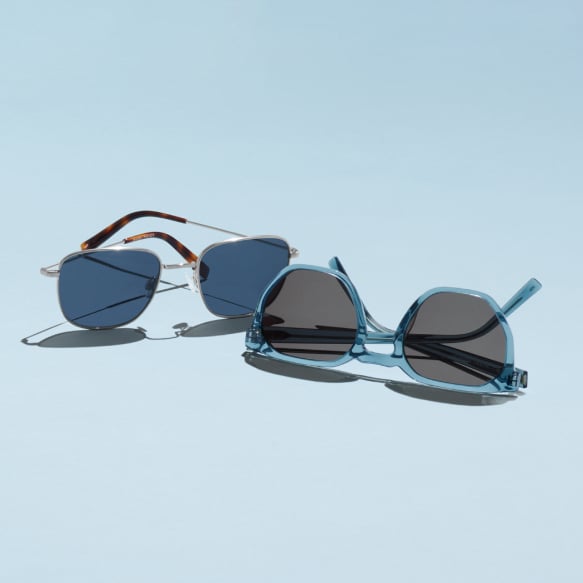
- Tint and color: Grey tints tend to keep colors looking more neutral, while brown and copper tints are often chosen by people who prefer a warmer or higher-contrast look. The darkness of the tint can be matched to your typical light conditions, but tint darkness and UV filtering are separate features.
- Lens material: Polycarbonate and some similar materials are typically lightweight and impact-resistant and are commonly used for active or everyday wear. Other plastic materials are also used and may differ in weight and impact resistance.
- Coatings: You may see options such as scratch-resistant or reflection reducing coatings on the back surface of the lens. These add-ons provide additional features you may prefer in day-to-day use.
If you use progressives or bifocals, check whether the frame size and lens options shown on the site are compatible with multifocal lenses and that the site lists your lens type among its offerings.
Step 3: Choose Frames That Fit You and Your Day-to-Day Life
Fit is where many people feel they are guessing online, but there is more structure to it than it seems. Start by checking the measurements printed on a pair of glasses you already own-usually three numbers on the inside arm, such as 52-18-140 (lens width, bridge width, temple length).
When you shop for prescription sunglasses online, you can use these numbers as a starting point. Staying within 1-2 mm of your current lens and bridge width often keeps the fit in a similar range. If a site offers virtual try-on tools or fit recommendations based on general face shape information, you can use them as an additional reference.
Frame coverage is another factor to think about. Coverage can affect how much sunlight reaches your eyes. Larger or wraparound frames can limit the amount of sunlight that enters from the sides.
Finally, consider frame material and style in the context of your day-to-day activities. Lightweight plastic or nylon frames are commonly chosen for extended wear and sports. Metal frames may have a slimmer profile and a more formal look. If you spend a lot of time driving, you might prefer frames that feel secure and do not slide down your nose.
Final Thoughts on Buying Prescription Sunglasses Online
Buying prescription sunglasses online does not have to involve guesswork. With a current prescription, attention to PD, and a simple checklist for lenses, UV-related labeling, and frame fit, you can make more informed choices when you order.
A practical next step is to confirm your prescription is valid, note your favorite frame measurements, and shortlist a few retailers that clearly describe UV400 or 100% UVA/UVB labeling, lens materials, and return policies.
If you still have questions about specific lens types or fits, reach out to customer support or your eye care provider before ordering.
Legal Disclaimer
MEDICAL DISCLAIMER: This content is provided for educational and informational purposes only and is not intended as medical advice, diagnosis, or treatment. This information should not be used to replace professional medical care or consultation. Individual results may vary significantly. Always consult with a qualified healthcare provider before making any decisions about your health, vision, or medical treatment. Never disregard professional medical advice or delay seeking treatment because of information you have read on this website.
VISION CARE DISCLAIMER: Vision correction needs vary by individual. Consult an eye care professional for personalized assessment and recommendations.
FDA DISCLAIMER: These statements have not been evaluated by the Food and Drug Administration. This content is not intended to diagnose, treat, cure, or prevent any disease or medical condition.
PROFESSIONAL CONSULTATION REQUIRED: Only qualified eye care professionals can provide personalized recommendations for your specific vision needs and health conditions.
This article is for informational purposes only. It is not intended to provide medical advice or substitute for professional health services. Warby Parker complies with all HIPAA regulations regarding your health information. For personal health questions or concerns related to your vision or eyewear prescriptions, please consult a qualified healthcare provider.
Do I need a new eye exam before ordering prescription sunglasses online?
You need a valid, unexpired prescription to order prescription lenses. If yours is out of date or you think your vision has changed, contact an eye care provider to discuss whether you should schedule an exam.
What should I look for in UV filtering?
Check the product description for clear labeling, such as “99–100% UVA/UVB” or “UV400,” which are commonly used terms to describe UV-filtering sunglasses. You can also review guidance from reputable health organizations about UV and sunglasses if you want more detail.
Are polarized prescription sunglasses worth it?
Polarized lenses are designed to help reduce glare from surfaces like roads, water, and snow, and may make it easier to see in bright conditions if you spend time driving or outdoors. Whether they are right for you depends on your activities and preferences.
How do I make sure frames bought online will fit?
Compare the frame measurements (lens width, bridge width, and temple length) listed online to a pair you already own and like. You can also use virtual try-on or general fit tools, when available, as an added reference.
Can I use the same prescription for clear glasses and prescription sunglasses online?
In many cases, eyeglass prescriptions can be used for both clear lenses and tinted sunglass lenses, as long as the prescription is still valid. If you have questions about how your prescription will be used, contact your eye care provider or the retailer’s customer support team.
What if my prescription sunglasses arrive and the vision feels off?
If your order does not feel right, contact the retailer within the return or remake window listed in their policy. You can double-check the prescription information submitted on your order and ask the retailer about available options for adjustments, remakes, or returns.