Purpose of Eye Exams: More Than Vision
An eye exam is often the appointment people finally schedule after weeks, or months, of small clues. Maybe you’ve started enlarging text on every device. Maybe road signs seem blurrier than they used to. Maybe your current glasses aren’t quite keeping up anymore, and you’ve found yourself making quiet adjustments rather than addressing the issue directly. Vision changes tend to arrive gradually, which makes them easy to explain away until they become difficult to ignore.
Part of the hesitation is understandable. Needing an eye exam can feel like acknowledging that something has changed. For some people, it’s their first prescription. For others, it’s the realization that an old prescription is no longer doing its job. Either way, it’s common to approach the process with a mixture of curiosity and uncertainty, wondering what you’ll find out and whether you’re supposed to understand more than you actually do.
Fortunately, the purpose of an eye exam is much simpler, and much more helpful, than many people imagine. It’s not a test of what you know. It’s a way to understand how your eyes are functioning, identify any changes in your vision, assess the overall health of your eyes, and determine whether corrective lenses could improve your daily life. The goal is clarity, not judgment.
Hot Tip
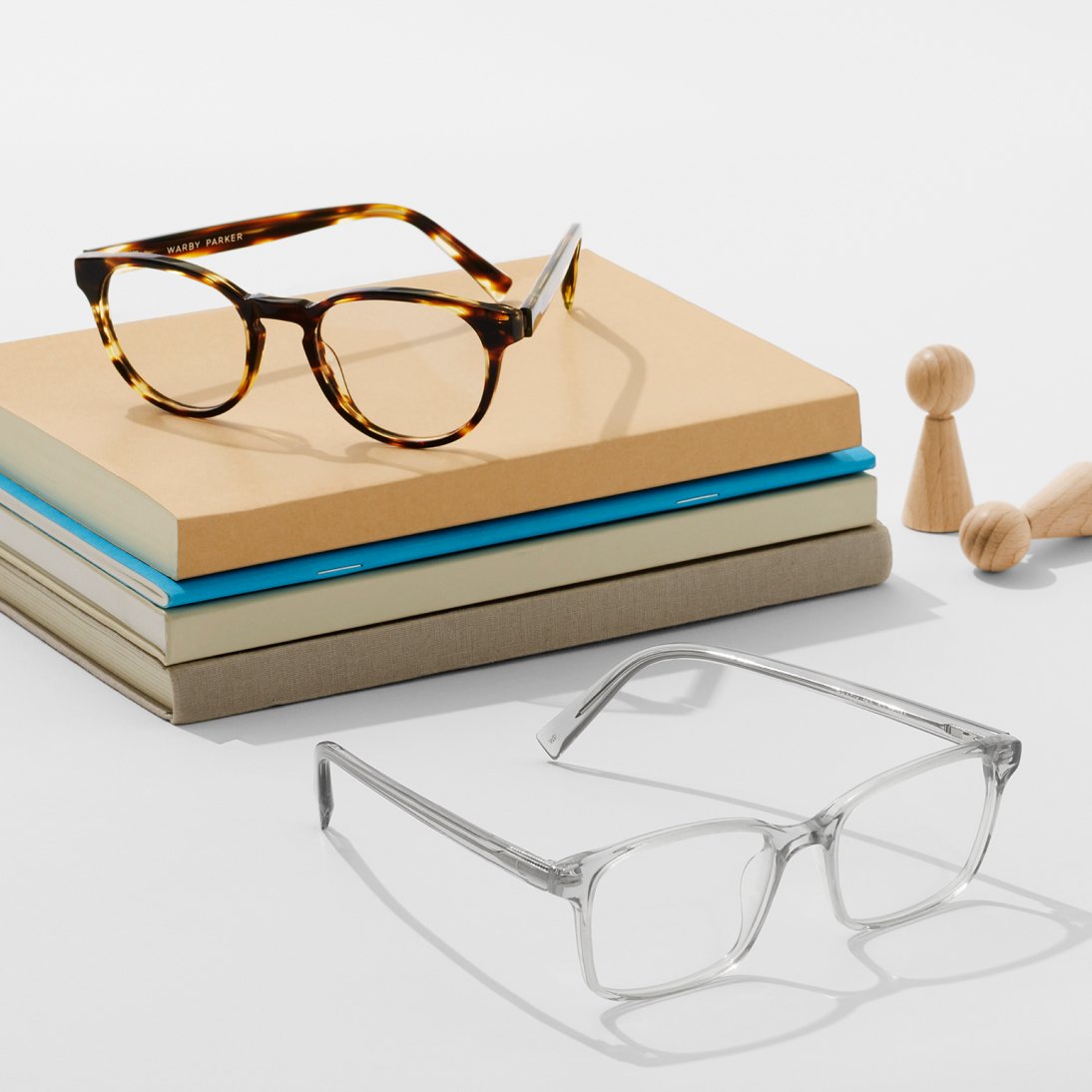
Astigmatism: just another reason to look stylish
In this overview, we’ll look at why eye exams matter, the common mistakes they help people avoid, what information they provide, and how those results can guide the next step, whether that’s updating a prescription, exploring lens options, or finding a pair of glasses you’ll actually enjoy wearing.
The Real Purpose of Eye Exams: Less Guesswork, Better Next Steps
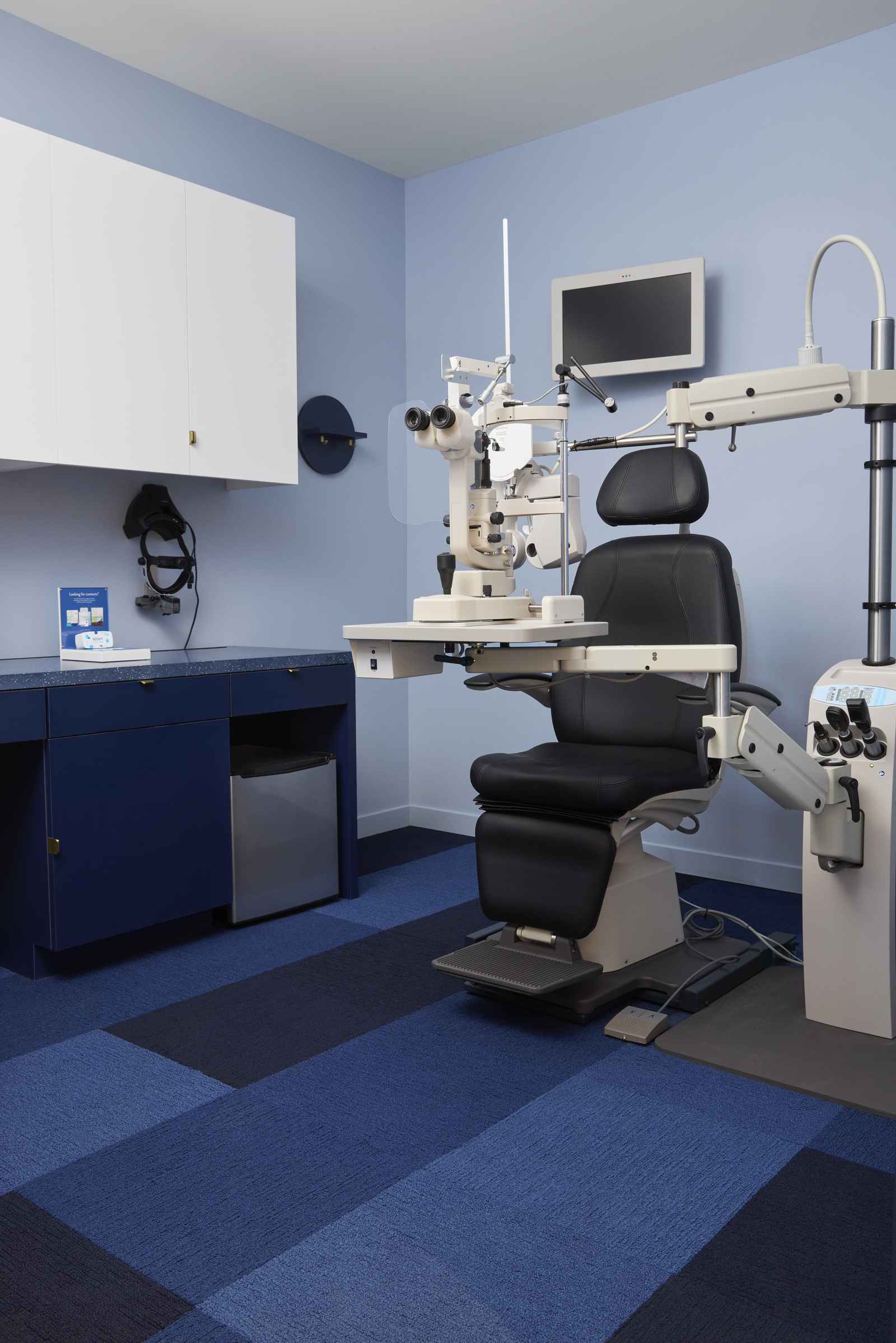
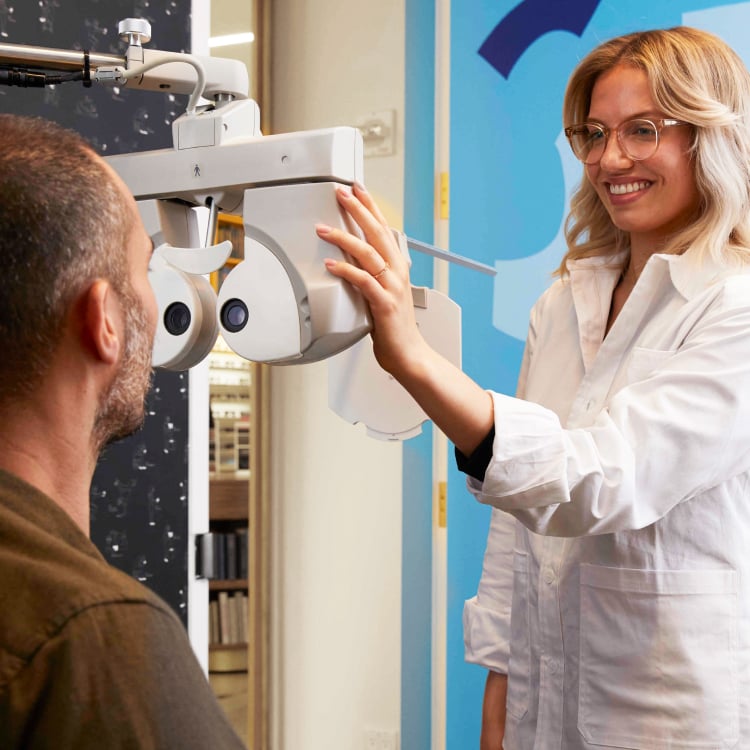
The main purpose of an eye exam is to check how well you see, determine whether you need a new or updated prescription, and give an eye doctor a chance to evaluate your overall eye health and answer vision-related questions.
Think of it less as a test to pass and more as fact-finding with better lighting. Your exam can help clarify why words look soft, why distance feels fuzzy, or why your current glasses aren’t pulling their weight.
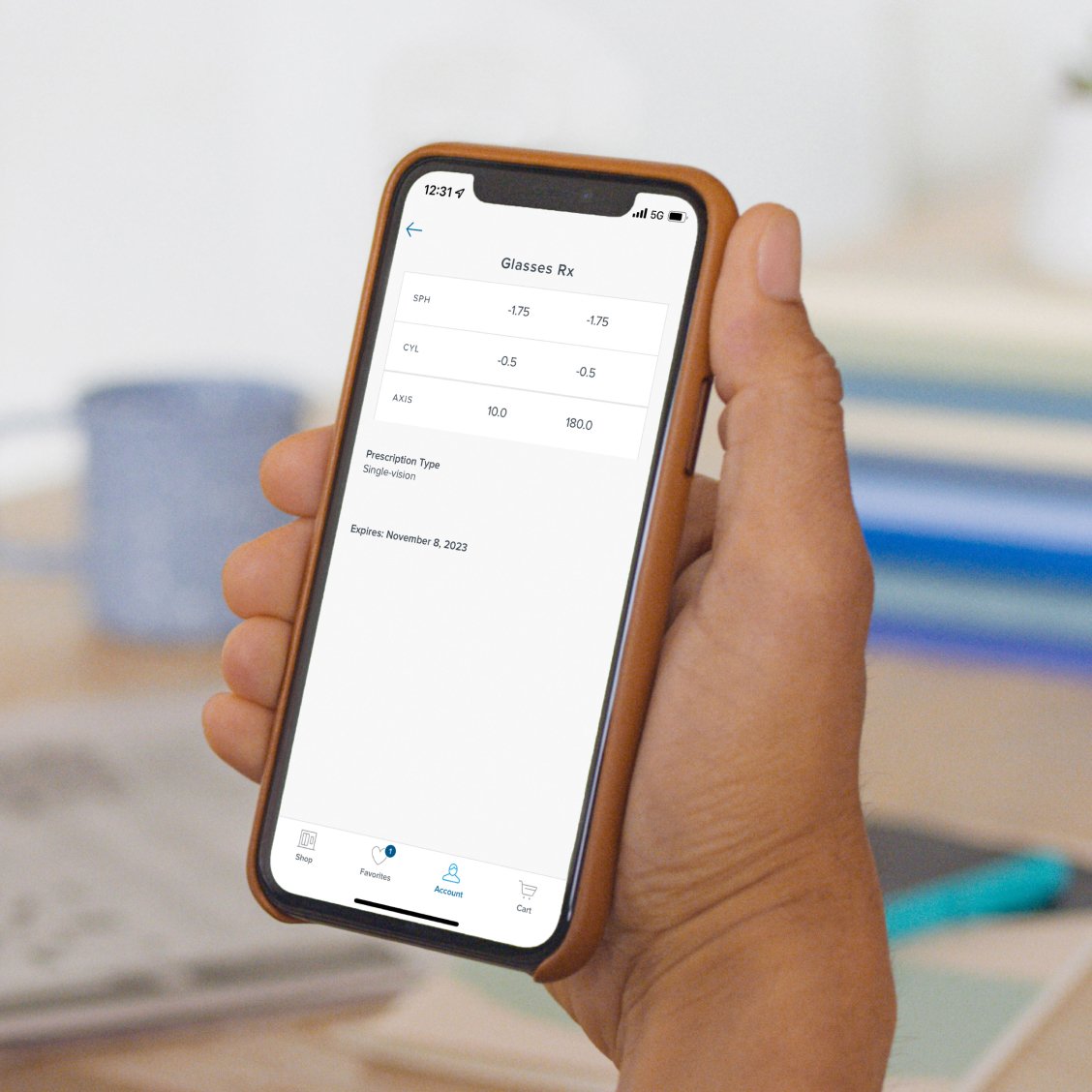
For prescription eyeglasses, the exam gives you the numbers that guide your lenses. From there, choosing frames becomes much less guesswork and much more of a clear plan.
Your Eyes Are Beautiful
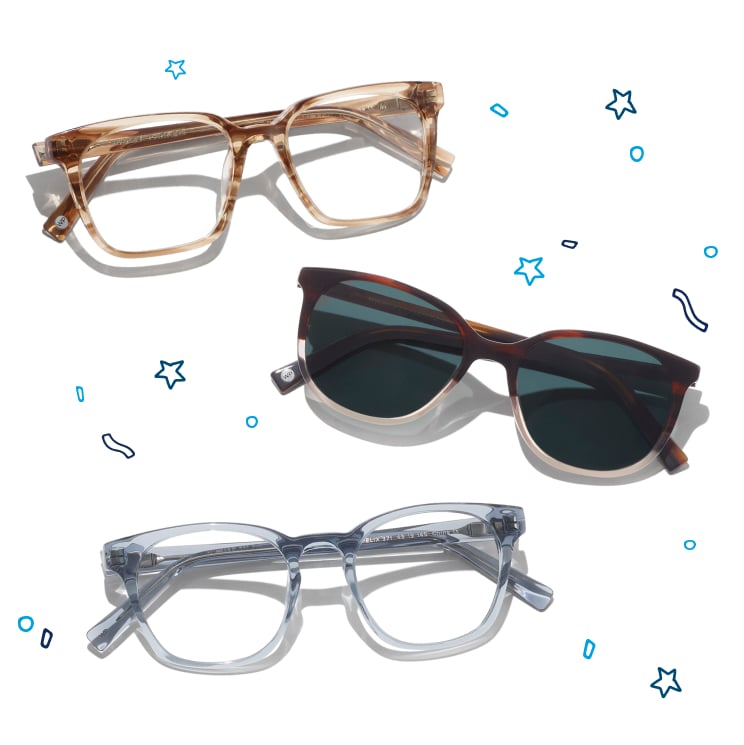
Buy one prescription pair and save 20% on additional pairs—eyeglasses or sunglasses!
Mistake #1: Waiting Until Your Vision Feels Obviously Bad
Vision changes can be sneaky. You may still see fine, while also squinting more, holding reading material closer or farther away, struggling at night, or feeling tired after screen-heavy days.
That doesn’t mean something dramatic is happening. It means an eye exam may help determine whether an updated glasses prescription could make daily life clearer and more comfortable.
Do I Need an Eye Exam?
- Blurry moments: Your vision feels inconsistent or off at certain distances.
- Extra squinting: You find yourself squinting more often to bring things into focus.
- Old Rx: You can’t remember your last exam, or your prescription is outdated.
- Less helpful glasses: Your current pair isn’t doing the job like it used to.
- Daily effort: Reading, driving, classroom time, or screen work feels harder.
- Shopping for glasses: You want prescription eyeglasses without guessing.
- Real questions: You’d rather ask an eye doctor than decode the internet.
If any of these apply, booking an eye exam is a sensible next step. If symptoms are sudden, severe, or concerning, contact an eye care professional promptly.
Mistake #2: Treating the Prescription Like the Finish Line
Your prescription is important, but it’s not the whole story. It helps guide lens configuration, including single-vision lenses, progressives, readers, and lens treatments such as anti-reflective coating or photochromic lenses when appropriate.
Fit matters, too. Frame width, bridge fit, temple comfort, and how the lenses align with your eyes all affect how glasses feel day to day. Pupillary distance is one measurement that helps position lenses properly.
You don’t need to speak fluent optical before starting. Warby Parker can help you understand lens options, browse prescription eyeglasses, and use the lens guide when you’re ready.
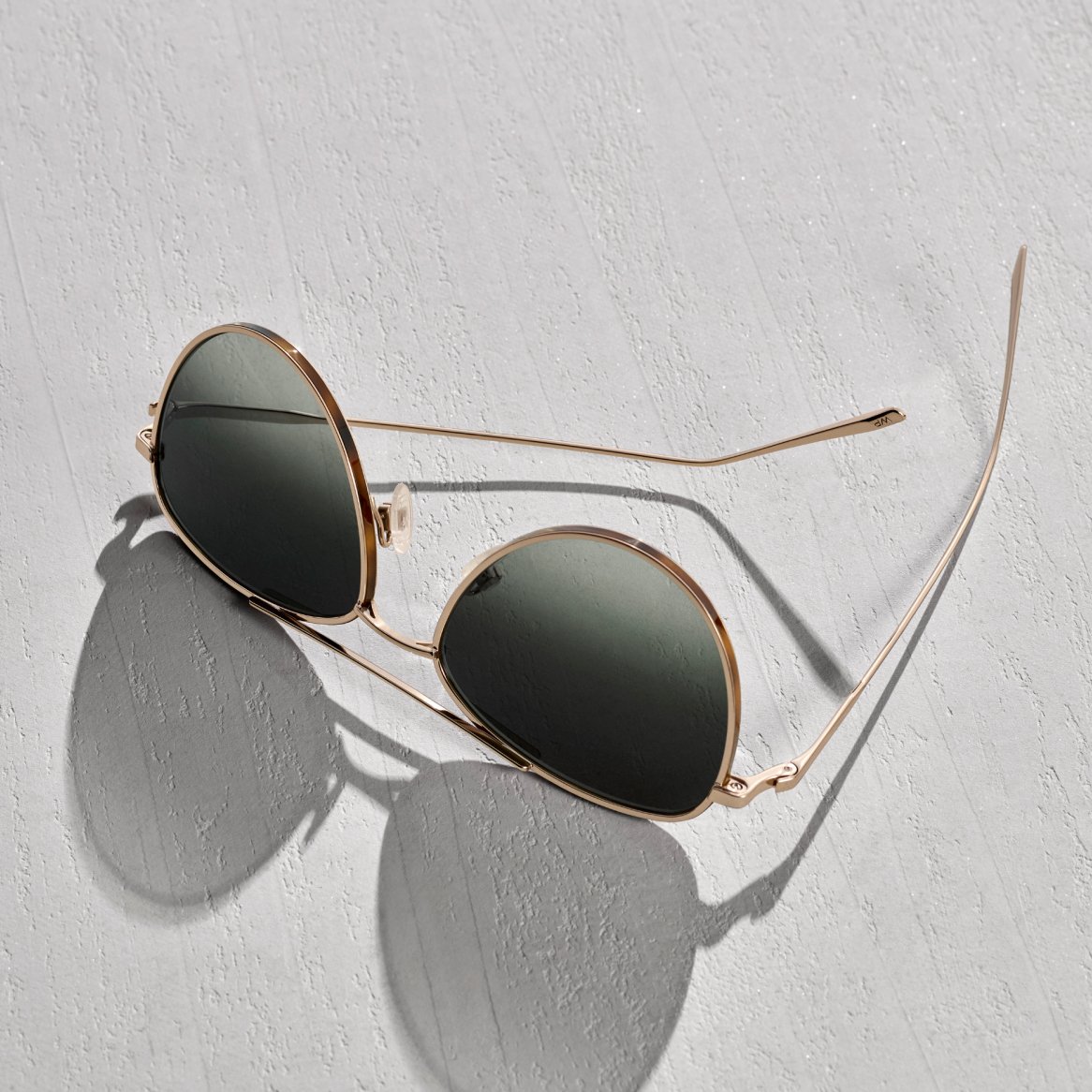
Want the look? (Even if you're not a pilot.)
We offer endless iterations—in both materials and lens shapes—of the adventurous aviator
Mistake #3: Choosing Glasses Without Thinking About Your Actual Day
A frame can look great but still not be the right match for your Tuesday. Think about where your glasses will show up most: work, reading, driving, errands, dinner, or all of the above.
- All-day wear: Look for lightweight frames, comfortable fit, and a versatile shape.
- Near and far switching: Ask about progressive lenses if they’re recommended.
- Bright conditions: Consider glare reduction or photochromic lenses where useful.
- First pair: Start with an easy-to-wear shape and try Virtual Try-On.
- Old prescription feels off: Book an exam before ordering new lenses.
Glasses can be practical and personal, both a functional tool and a way to complement your individual style. They can also support clearer, more comfortable vision and act as a physical barrier against wind and dust.
After the Exam: A No-Awkwardness Plan for Getting Glasses
After your exam, get or confirm your prescription details. Ask questions about distance needs, reading needs, progressives, or lens treatments if they come up.
Then choose frames based on fit, routine, and taste. Configure your lenses with your prescription, use Virtual Try-On to preview shapes, and visit a Warby Parker store for fitting support if that feels helpful.
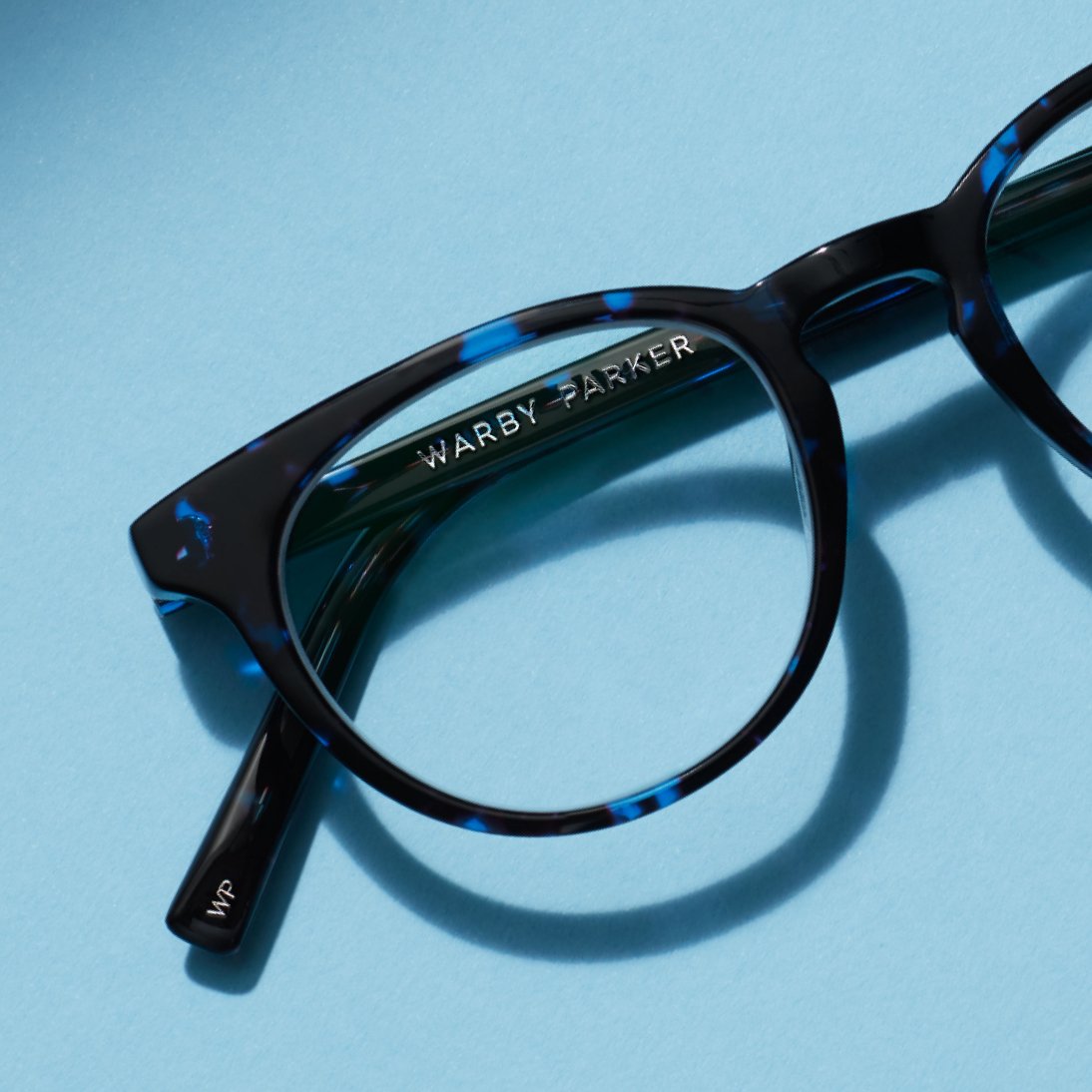
Like the Classic Fable…
Tortoise frames are bold (and super wearable)—and come in a bevy of shapes
Keep your prescription handy for future glasses purchases.
The Purpose of Eye Exams, Without the Guesswork
Back to that moment when you’re leaning toward the screen, stretching your arm to read a menu, or wondering whether the problem is your eyes or the lighting for the fifth time this week. The goal is to give you reliable information about what your eyes need so you can make decisions based on facts instead of guesswork.
Once you have that information, everything else becomes easier. You’ll know whether your vision has changed, whether a prescription could help, and what kinds of lenses make sense for the way you spend your days. The uncertainty starts to disappear because you’re no longer trying to solve the problem on your own.
From there, choosing glasses becomes less of a medical process and more of a personal one. Yes, the prescription matters. But so do comfort, fit, daily habits, and style. A great pair of glasses doesn’t just improve your vision, it works naturally with your life and feels comfortable enough that you stop thinking about it.
Whether you’re considering your first pair or replacing a longtime favorite, the process doesn’t have to begin with confusion. It can start with a single clear step: understanding your vision. After that, you’re simply choosing the frames that help you see well and feel like yourself when you wear them.
No matter your eye color'
You deserve to see clearly. (And to have a little fun shopping for eyewear, too.)
Legal Disclaimer
MEDICAL DISCLAIMER: This content is provided for educational and informational purposes only and is not intended as medical advice, diagnosis, or treatment. This information should not be used to replace professional medical care or consultation. Individual results may vary significantly. Always consult with a qualified healthcare provider before making any decisions about your health, vision, or medical treatment. Never disregard professional medical advice or delay seeking treatment because of information you have read on this website.
VISION CARE DISCLAIMER: Vision correction needs vary by individual. Consult an eye care professional for personalized assessment and recommendations.
FDA DISCLAIMER: These statements have not been evaluated by the Food and Drug Administration. This content is not intended to diagnose, treat, cure, or prevent any disease or medical condition.
PROFESSIONAL CONSULTATION REQUIRED: Only qualified eye care professionals can provide personalized recommendations for your specific vision needs and health conditions.
This article is for informational purposes only. It is not intended to provide medical advice or substitute for professional health services. Warby Parker complies with all HIPAA regulations regarding your health information. For personal health questions or concerns related to your vision or eyewear prescriptions, please consult a qualified healthcare provider.
What is the main purpose of an eye exam?
The main purpose is to check how well you see, determine whether you need a new or updated prescription, and give an eye doctor a chance to evaluate your overall eye health.
Why should I get an eye exam if I can still see pretty well?
Vision changes can be gradual. An exam can help determine whether a prescription update may make reading, driving, or work feel clearer.
Can an eye exam help me get a better glasses prescription?
Yes. An eye exam is the standard way to determine or update the prescription used for eyeglasses.
What happens after an eye exam if I need prescription eyeglasses?
You’ll use your prescription to choose frames, configure lenses, and consider fit, lens type, and lens treatments.
Do I need an eye exam before buying glasses online?
If you need prescription eyeglasses, you’ll need a current prescription. If yours is outdated, an eye exam is a smart first step.
Need Glasses?
Shop prescription glasses starting at $95