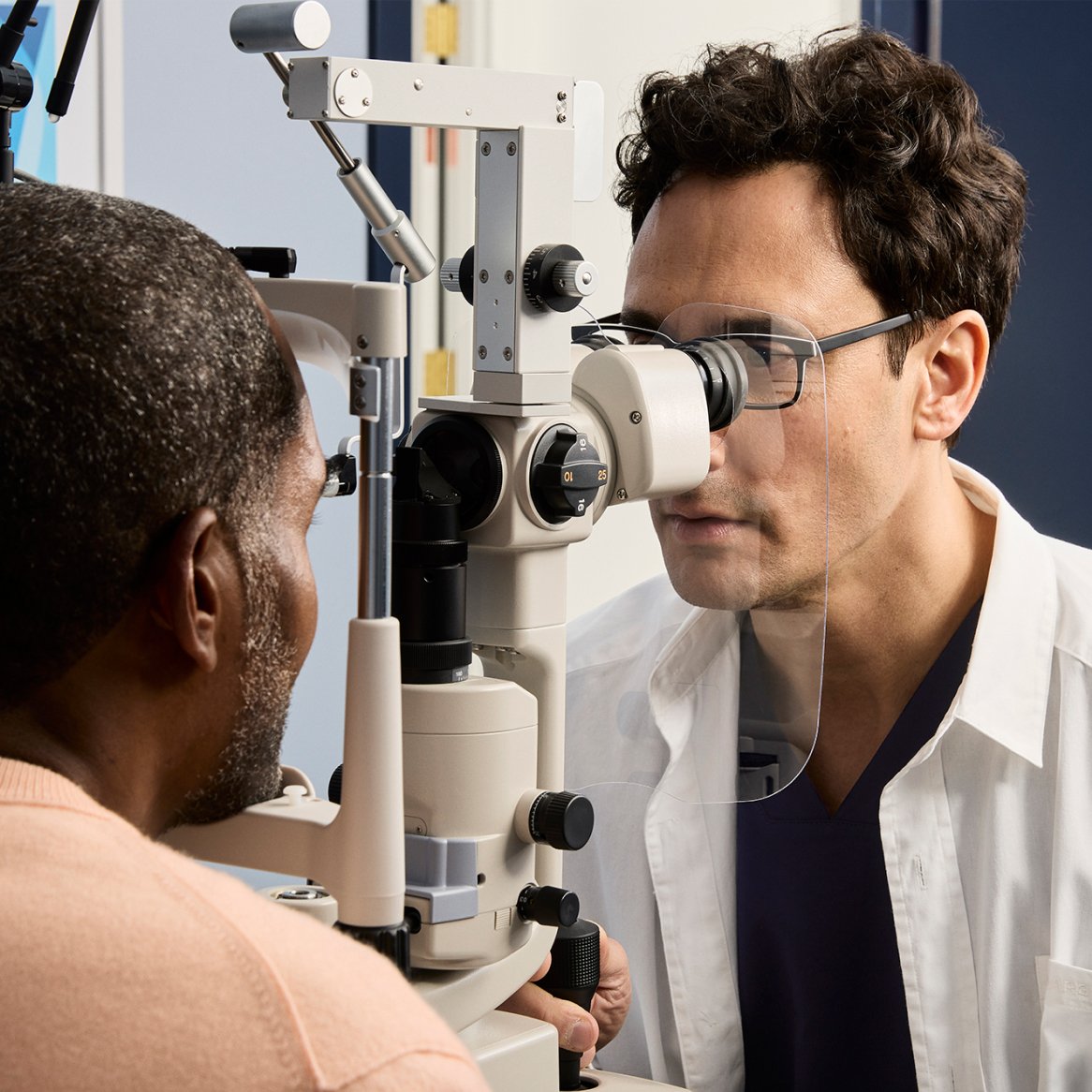
Retinal imaging uses digital photography to help eye doctors check your eye health—and aspects of your overall health—during a routine eye exam.
Retinal imaging systems take high-resolution digital pictures of the back of your eye, including the retina, the optic disc, the optic nerve, and blood vessels. These images can be used as a diagnostic tool to help detect vision- or life-threatening disorders and diseases early, often before symptoms appear. And getting early treatment can be essential in combating these issues or minimizing their effects.
In this article, we’ll go into more detail about how retinal imaging works. We’ll also go over the finer points of how it can benefit patients and help maintain their health.
What Is Retinal Imaging?
Retinal imaging can be an important part of your overall healthcare. It works by taking special scans of your eyes. The images left behind are retrieved and then used to create detailed pictures of the back of your eye.
One of the primary benefits of retinal imaging is that it’s noninvasive. This allows eyecare professionals to obtain detailed information as safely as possible.
What Does Retinal Imaging Test For?
Optometrists and ophthalmologists use retinal imaging to check if certain eye conditions (including some that could lead to vision loss) may be present or developing, like:
Retinal imaging can also aid in the early detection of other health problems like stroke, cardiovascular disease, hypertension (high blood pressure), and some types of cancer.
Besides providing a way to help assist in the diagnosis of certain health issues in real time, retinal imaging gives doctors a record of what your eye looks like at different points in your life. Comparing each year’s photos can assist doctors in detecting subtle eye changes that could signal an emerging problem.
What Happens During a Retinal Exam?
Don’t worry—no one’s sticking a camera in your head, and nothing touches your eye at any time. Retinal imaging is a painless (dare we say comfortable?) and speedy technique.
A retinal exam is just one part of a comprehensive eye exam. And if you’re getting a retinal scan in place of pupil dilation (we’ll talk more about this in a bit), it can shorten the time your eye exam takes. Let’s look at how it happens:
- Gaze into the device: Your doctor will direct you to look into the machine one eye at a time. It might seem a bit like looking through a peephole.
- Flash: When you see a brief flash of light, you’ll know the image has been taken.
- Behold your retina: The digital images are immediately ready for you and your doctor to view.
Retinal Imaging vs. Dilation
Does opting for retinal imaging mean you don’t need pupil dilation? Neither a retinal eye exam nor pupil dilation replaces the other. But, depending on the situation, each can be complementary, giving a more complete view of the back of the eye.
Pupil dilation is the traditional way for doctors to view the retina during an eye exam. The dilated pupils let more light into the eyes so the doctor can see the back of the eye better. This viewing process is known as a dilated fundus examination or dilated-pupil fundus examination (DFE).
Pupil dilation involves using special eye drops to enlarge your pupils. These eye drops can be irritating to some patients. Additionally, pupil dilation usually makes your eyes more light-sensitive (get your sunglasses ready) for a few hours after the exam, often with blurry vision.
In general, pupil dilation lets doctors see more of the eye than retinal imaging. But dilation provides several smaller views that must be pieced together to get a more comprehensive image. And with a dilation, the patient has a bright light shone in the eye, which can limit the viewing time for doctors.
Retinal imaging usually doesn’t require your pupils to be dilated. It gives doctors a large view of nearly all of the retina in one snapshot, and allows doctors to view and analyze the retina as long as they need to.
But, depending on your age, eye health, overall health, and risk of eye conditions, your eye doctor may still want a dilated eye exam in addition to a retinal scan. Pupil dilation gives an in-depth examination of specific eye areas. Used in conjunction with retinal imaging technology, pupil dilation may give the doctor additional information to detect issues that can threaten vision.
Keep Your Eyes Healthy
If you’re overdue for your annual eye exam, be sure to book an appointment ASAP. Hands-down, it’s the best way to ensure your vision stays in the best-possible shape. And regular eye exams that include retinal imaging can help you maintain aspects of your overall health as well.
Legal Disclaimer
MEDICAL DISCLAIMER: This content is provided for educational and informational purposes only and is not intended as medical advice, diagnosis, or treatment. This information should not be used to replace professional medical care or consultation. Individual results may vary significantly. Always consult with a qualified healthcare provider before making any decisions about your health, vision, or medical treatment. Never disregard professional medical advice or delay seeking treatment because of information you have read on this website.
VISION CARE DISCLAIMER: Vision correction needs vary by individual. Consult an eye care professional for personalized assessment and recommendations.
FDA DISCLAIMER: These statements have not been evaluated by the Food and Drug Administration. This content is not intended to diagnose, treat, cure, or prevent any disease or medical condition.
PROFESSIONAL CONSULTATION REQUIRED: Only qualified eye care professionals can provide personalized recommendations for your specific vision needs and health conditions.
This article is for informational purposes only. It is not intended to provide medical advice or substitute for professional health services. Warby Parker complies with all HIPAA regulations regarding your health information. For personal health questions or concerns related to your vision or eyewear prescriptions, please consult a qualified healthcare provider.